Barrett Esophagus: Causes, Symptoms, Diagnosis, and Treatment
Comprehensive guide to Barrett esophagus: understand the causes, risk factors, diagnosis, symptoms, treatment, and ongoing care for this esophageal disorder.
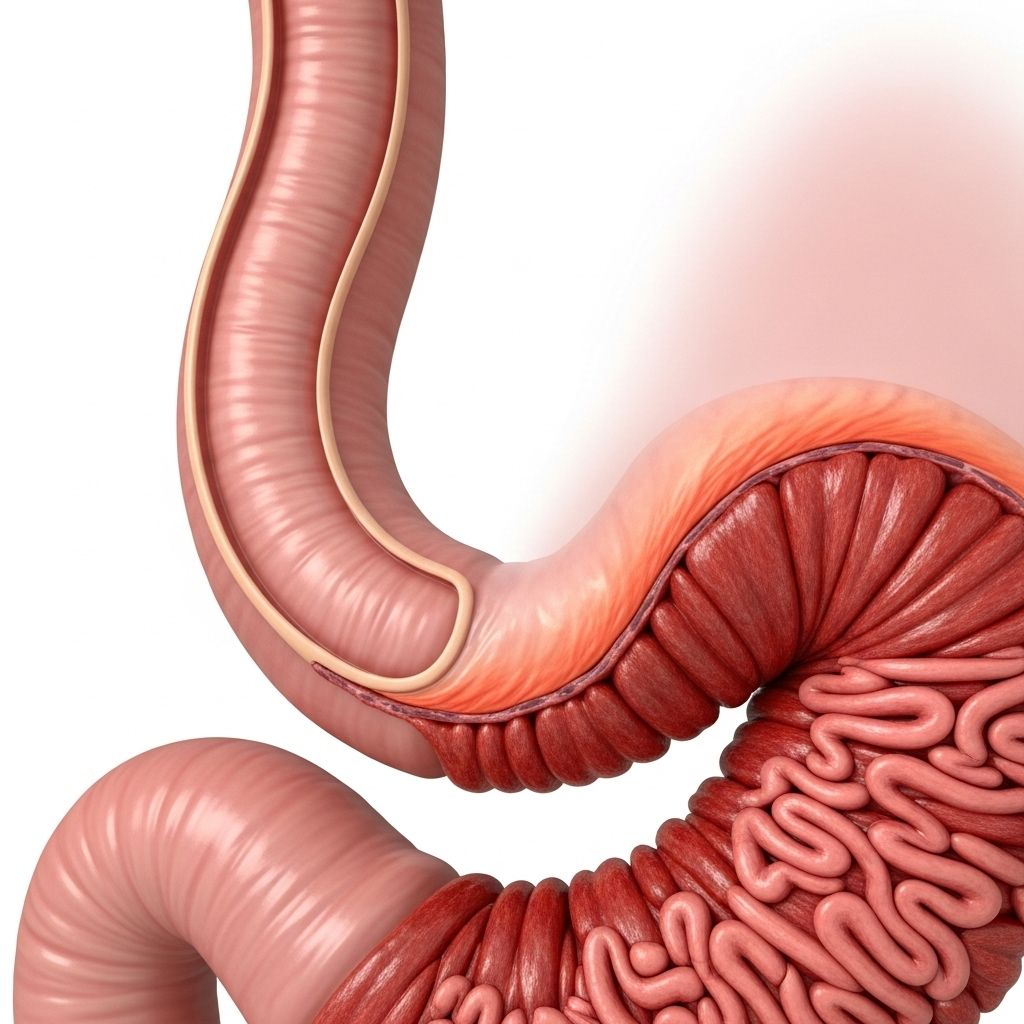
Barrett Esophagus
Barrett esophagus is a medical condition marked by alterations in the lining of the esophagus due to repeated exposure to stomach acid. This disorder often develops in individuals who experience frequent acid reflux symptoms or have been diagnosed with gastroesophageal reflux disease (GERD).
Alternative Names
- Barrett’s esophagus
- Barrett syndrome
- Columnar-lined esophagus
Causes
The primary cause of Barrett esophagus is chronic acid reflux, which occurs when stomach acid frequently flows back into the esophagus, irritating and eventually damaging its lining. Over time, this acid exposure leads to the replacement of the normal tissue lining of the esophagus (squamous cells) with an abnormal tissue that resembles the lining of the intestine (columnar cells). This process is called intestinal metaplasia.
- Barrett esophagus develops most commonly in people with long-standing GERD.
- The exact reason why only some people with GERD develop Barrett esophagus is not known, but repeated and severe exposure to stomach acid is considered the leading factor.
Barrett esophagus is considered a pre-cancerous condition and increases the risk of developing esophageal adenocarcinoma, a rare type of cancer of the food pipe. However, not all people with Barrett esophagus will develop cancer.
Risk Factors
Several factors can elevate the risk of developing Barrett esophagus:
- Chronic GERD: Most cases are found in people who have had GERD for many years.
- Age: The risk increases with age, most common in adults over 50.
- Gender: Men are more likely to be affected than women.
- Ethnicity: People of Caucasian descent have a higher risk than those of African-American or Asian backgrounds.
- Obesity: Especially with fat concentrated in the abdomen, increases risk.
- Smoking: Both past and current smoking are associated with greater risk.
- Family history: A family history of Barrett esophagus or esophageal cancer increases personal risk.
Symptoms
Barrett esophagus itself does not cause clear or direct symptoms. Instead, symptoms commonly stem from underlying GERD. Typical symptoms associated with GERD and, indirectly, with Barrett esophagus include:
- Chronic heartburn (burning sensation in the chest or throat)
- Regurgitation of the stomach contents, including acid or food
- Difficulty swallowing (dysphagia)
- Chest pain, especially after eating
- Sore throat or a hoarse voice
- Chronic cough
- Sensation of food sticking in the esophagus
If Barrett esophagus leads to complications, such as narrowing of the esophagus (stricture) or development of ulcers, additional symptoms may arise, such as painful swallowing or unintended weight loss.
Exams and Tests
A diagnosis of Barrett esophagus cannot be made based on symptoms alone, as it typically presents without obvious signs. Diagnostic testing is essential, involving both visual examination and tissue sampling.
- Upper Endoscopy (Esophagogastroduodenoscopy, EGD): The main test for Barrett esophagus. A flexible tube with a camera is inserted through the mouth to view the lining of the esophagus and to take tissue samples (biopsies).
- Biopsy: During the endoscopy, the physician collects small pieces of tissue from the esophagus to be examined under a microscope. The diagnosis of Barrett esophagus is confirmed if these tissues show the presence of intestinal-type cells.
- Laboratory Tests: Although there are no specific blood tests for Barrett esophagus, laboratory analysis of the biopsy determines the presence and extent of abnormal cells.
Some patients may also undergo additional studies, like pH monitoring, to evaluate acid exposure in the esophagus, or manometry to assess esophageal muscle function, especially if they experience persistent swallowing difficulty.
| Test | Purpose |
|---|---|
| Upper Endoscopy (EGD) | Direct visualization and tissue biopsy |
| Biopsy | Detects abnormal, pre-cancerous changes in the esophageal lining |
| pH Monitoring | Measures acid exposure (usually for GERD assessment) |
| Manometry | Assesses strength and function of esophageal muscles |
Treatment
Treatment for Barrett esophagus aims to manage GERD symptoms, promote healing of the esophageal lining, prevent further injury, and reduce the risk of progression to cancer. The approach depends on the degree of abnormal changes found in the esophageal cells.
Medical Management
- Lifestyle changes to control reflux, including weight loss, dietary modifications, and head-of-bed elevation at night.
- Medications: Proton pump inhibitors (PPIs) are commonly used to decrease production of stomach acid. Other drugs like H2 blockers may be prescribed as alternatives or adjuncts.
- Surveillance: Regular endoscopic monitoring is recommended to detect any early changes that may suggest progression to dysplasia or esophageal cancer. Frequency of follow-up depends on whether and how much abnormal growth is observed in biopsy specimens.
Procedural and Surgical Options
- Endoscopic ablative therapies: These minimally invasive procedures destroy abnormal esophagus lining, aiming to prevent progression to cancer. Methods include radiofrequency ablation, photodynamic therapy, and cryotherapy.
- Endoscopic mucosal resection: Involves removal of areas of abnormal tissue through the endoscope in patients with more advanced or localized change.
- Surgery (Esophagectomy): Rarely, surgical removal of affected sections of the esophagus may be required, especially if high-grade dysplasia or early cancer is present.
Prognosis
The long-term outlook for individuals diagnosed with Barrett esophagus is generally favorable, especially when the condition is detected early and monitored closely. Most people do not progress to cancer, and effective management can greatly reduce the risk of severe complications.
- Fewer than 1% of people with Barrett esophagus will develop esophageal cancer each year.
- Regular surveillance endoscopy and prompt treatment of abnormal or pre-cancerous changes significantly improve outcomes.
- Controlling underlying GERD with medications and lifestyle changes can prevent further progression.
Possible Complications
While most patients with Barrett esophagus may never experience complications, some potential issues include:
- Esophageal cancer: Adenocarcinoma of the esophagus, a potentially life-threatening malignancy, can develop from abnormal cells.
- Esophageal ulcers: Chronic acid exposure can erode the lining, causing painful sores.
- Strictures: Scarring can lead to narrowing of the esophagus, resulting in difficulty swallowing.
When to Contact a Medical Professional
Contact your healthcare provider if you experience any of the following:
- Symptoms of GERD, such as chronic heartburn or acid regurgitation that does not improve with over-the-counter remedies
- Difficulty swallowing, especially food feeling stuck in the throat or chest
- Unintended weight loss
- Chest pain unrelated to exertion or that persists despite heartburn treatment
- Vomiting blood, or black or tarry stools (potential signs of bleeding in the digestive tract)
Prevention
Prevention of Barrett esophagus centers on controlling acid reflux symptoms and addressing modifiable risk factors. Suggested measures include:
- Manage GERD promptly and effectively with medications and lifestyle changes
- Avoid tobacco products and excessive alcohol consumption
- Maintain a healthy body weight, particularly by reducing abdominal obesity
- Eat smaller, more frequent meals; avoid foods and drinks that trigger reflux, such as spicy or acidic foods, chocolate, caffeine, and carbonated beverages
- Elevate the head of the bed to reduce nighttime symptoms
- Do not lie down immediately after eating
Routine surveillance is recommended for at-risk individuals, even if symptoms are mild or absent, especially in those with a long history of GERD.
Frequently Asked Questions (FAQs)
What is the main cause of Barrett esophagus?
Barrett esophagus most commonly develops due to chronic acid reflux, typically as a result of untreated or poorly managed gastroesophageal reflux disease (GERD).
Can Barrett esophagus be cured?
Barrett esophagus cannot generally be reversed to normal esophageal lining, but effective management can help control or eliminate further damage, reduce symptoms, and lower cancer risk. In some cases, specialized endoscopic treatments can remove or destroy abnormal tissue.
Is Barrett esophagus a type of cancer?
No, Barrett esophagus is not cancer. It is, however, a pre-cancerous condition, meaning it carries an increased risk of developing esophageal adenocarcinoma if left unmonitored or untreated.
Who should be screened for Barrett esophagus?
Screening is typically advised for people with chronic GERD symptoms (lasting more than five years), especially if they are male, over 50, have central obesity, Caucasian ethnicity, or a family history of Barrett esophagus or esophageal cancer.
How often is surveillance recommended for Barrett esophagus?
The frequency depends on the degree of cellular changes found:
- No dysplasia: usually every 3–5 years
- Low-grade dysplasia: every 6–12 months
- High-grade dysplasia: much more frequently, and treatment is typically recommended
What lifestyle changes help prevent worsening of Barrett esophagus?
Maintaining a healthy weight, quitting smoking, avoiding trigger foods and beverages, elevating the head of the bed, and adhering to prescribed medications are all crucial in preventing progression.
Does everyone with GERD develop Barrett esophagus?
No, only a small percentage of those with chronic GERD will develop Barrett esophagus. Risk is higher among people with additional risk factors.
Summary Table: Barrett Esophagus at a Glance
| Aspect | Key Facts |
|---|---|
| Definition | Abnormal change in esophagus lining due to acid exposure, increasing cancer risk |
| Main Cause | Chronic gastroesophageal reflux disease |
| Primary Symptom | Often none; symptoms related to GERD (heartburn, regurgitation, chest pain) |
| Diagnosis | Endoscopy and biopsy |
| Complications | Esophageal cancer, ulcers, strictures |
| Treatment | PPIs, endoscopic ablation, surveillance |
| Prognosis | Most do not progress to cancer; prognosis improved with monitoring and treatment |
Similar Articles






Read full bio of Sneha Tete