Broken or Bruised Ribs: Symptoms, Self-Care, and Recovery
Learn how to identify, treat, and recover from broken or bruised ribs, including practical self-care strategies and when to seek medical advice.
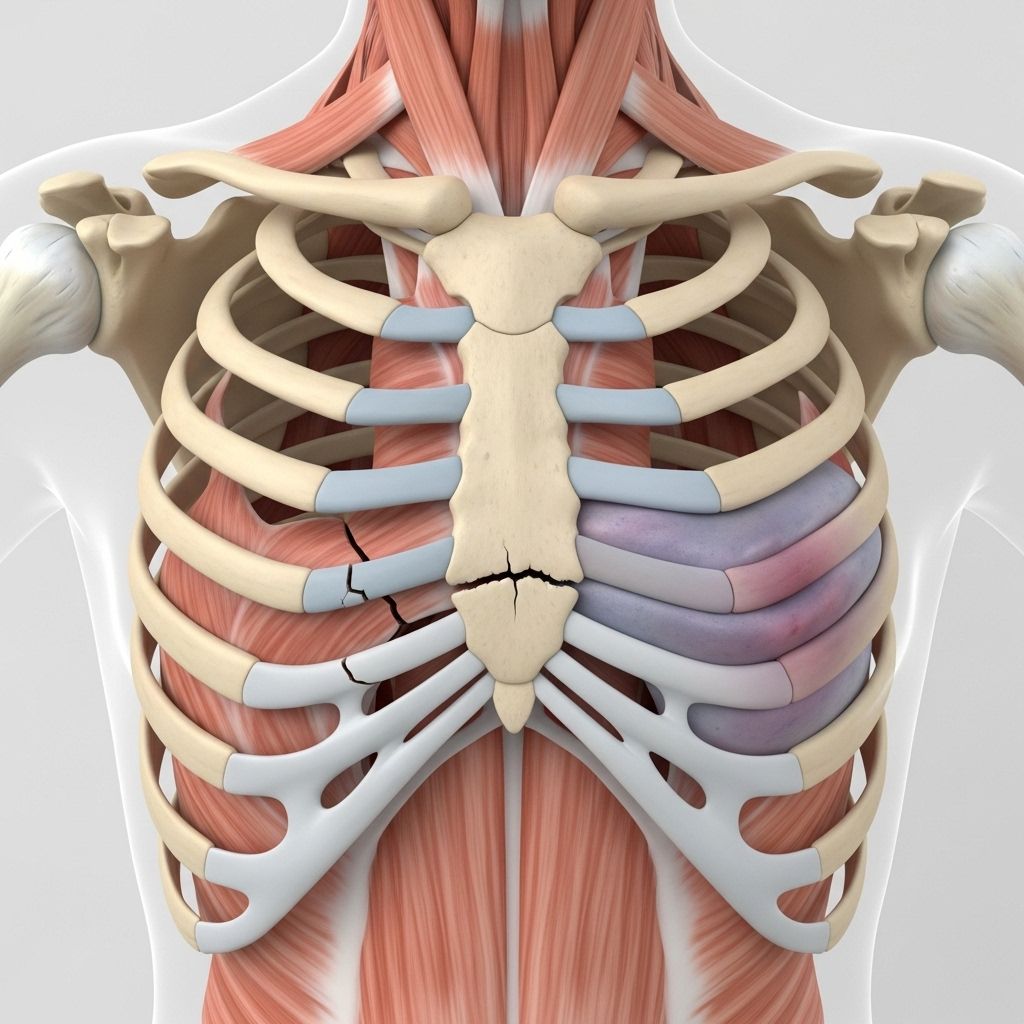
Bruised and broken ribs are common injuries often sustained from falls, blows to the chest, or severe coughing. While pain can be intense, most rib injuries heal on their own within several weeks. This comprehensive guide will help you understand symptoms, home treatment, recovery tips, and when you should seek medical advice for rib injuries.
Overview: What Are Broken or Bruised Ribs?
Broken ribs (also called rib fractures) are cracks or breaks in one or more bones of the rib cage. Bruised ribs involve injury to the rib, the muscles, or tissue in and around the rib, without a bone fracture. Both types of injury can cause significant pain and discomfort but usually heal without the need for hospital treatment or surgery.
Because the ribcage protects vital organs such as the lungs and heart, even mild rib injuries should be managed carefully to avoid complications.
Symptoms of Bruised or Broken Ribs
The main signs and symptoms of a rib injury may be similar for both bruising and fractures. They typically include:
- Severe pain in the chest, particularly when breathing in, coughing, laughing, or moving.
- Tenderness or swelling over the injured area.
- Bruising (sometimes visible on the skin near the injury).
- Audible or physical crack if a rib is broken, though many fractures do not create a noticeable cracking sound.
- Pain when pressing on the chest wall over the affected rib(s).
- Difficulty breathing deeply, sometimes causing people to take shallow breaths.
More rarely, people may experience shortness of breath, dizziness, or increased pain that extends to the back or abdomen. If these symptoms are present, urgent medical assessment may be necessary.
Common Causes of Rib Injuries
- Direct blows to the chest, which can occur during sports, accidents, or assaults
- Falls onto a hard surface
- Severe or persistent coughing
- Less commonly, repetitive movement or heavy lifting
Children’s ribcages are more flexible, making fractures less common in young children and babies. If a child has an unexplained rib fracture, non-accidental injury (child abuse) should be considered and appropriately investigated.
Diagnosing Broken or Bruised Ribs
Diagnosis of a rib injury is usually straightforward and made by a healthcare professional based on your history of the injury and physical examination. The doctor may:
- Inspect the chest for swelling, bruising, or deformity
- Gently press to locate tenderness or identify the exact area of injury
- Listen to your breathing and check for signs of chest complications
X-rays are usually not necessary for uncomplicated rib injuries. They may be ordered if complications are suspected, such as a collapsed lung, internal organ damage, or in severe trauma cases. CT scans are rarely required. For pregnant women, children, or anyone sensitive to radiation, X-rays are avoided unless absolutely needed.
How to Treat Broken or Bruised Ribs Yourself
Both bruised and broken ribs usually heal naturally within 2 to 6 weeks, though severe or complicated injuries may take longer. There are a range of self-care measures and lifestyle modifications that can help reduce pain and support recovery.
What You Should Do
- Take painkillers such as paracetamol or ibuprofen gel/tablets as recommended to manage discomfort and encourage deep breathing.
- Apply an ice pack (or frozen peas wrapped in a cloth) to the injured area for 20 minutes several times a day to reduce swelling, particularly in the first few days.
- Rest and take time off work or physical activity as needed, especially if your job requires physical exertion.
- Breathe normally and cough when necessary to keep your lungs clear and reduce the risk of chest infections.
- Use a pillow for support—hold a cushion or folded pillow against your chest when coughing or taking deep breaths to help ease pain.
- Stay mobile—get up and walk around regularly, gently moving your shoulders and arms to help you breathe deeply and clear mucus from your lungs.
- Practice breathing exercises regularly. Take slow, deep breaths every hour while awake, even if it’s uncomfortable.
- Sleep in an elevated position—use extra pillows to prop yourself up for the first few nights, which may help with breathing and pain.
What You Should Avoid
- Avoid lying down or remaining still for long periods (as this can increase your risk of chest infection).
- Do not lift heavy objects or strain yourself.
- Refrain from sports and strenuous exercise until fully recovered.
- Do not smoke (stopping smoking can also help with healing and reduces the risk of lung infection).
- Do not wrap your chest tightly— bandaging or strapping the ribs restricts breathing and can lead to further problems.
Sample Table: Do’s and Don’ts for Rib Injury Self-Care
| Do | Don’t |
|---|---|
| Use painkillers as directed | Stay in bed for prolonged periods |
| Apply ice to the area | Lifting heavy objects |
| Breathe deeply and cough as needed | Play sports or exercise vigorously |
| Support your chest when coughing | Smoke tobacco |
| Walk around regularly | Bandage your chest tightly |
Pain Relief: Medications and Approaches
Managing pain is essential for recovery. Shallow breathing due to pain can lead to chest infections or pneumonia. The main options include:
- Paracetamol for mild to moderate pain—often the first line of treatment
- Ibuprofen or other non-steroidal anti-inflammatory drugs (NSAIDs) for additional relief (avoid starting NSAIDs within 48 hours of injury if possible, as early use might delay healing)
- Codeine or similar prescription painkillers for severe pain (use under medical supervision)
Always follow the dosing instructions on the medication packaging. Regularly scheduled pain relief usually works best. Consult a doctor before combining medications or if you are unsure which painkillers are suitable for you.
Breathing Exercises and Preventing Complications
The risk of chest infection after a rib injury is significant, especially if pain prevents you from breathing deeply or coughing. To prevent complications:
- Perform breathing exercises every hour or as directed by your healthcare team.
- Focus on slow, deep breaths—try to expand your lower chest fully even if uncomfortable.
- Cough when you need to, even though it may be painful, to clear your lungs.
- Support your chest with a pillow or your hand when coughing.
- Stay upright as much as possible, including when sleeping.
If you have any chronic lung condition, are older, or already at risk of infection, you may need closer monitoring or physiotherapy support.
When to Seek Medical Help
Most rib injuries heal without medical intervention, but you should seek urgent advice or visit A&E if you experience:
- Trouble breathing or shortness of breath
- Coughing up blood
- Severe or increasing pain not relieved by medication
- Chest pain accompanied by sweating, nausea, or faintness
- Signs of infection, such as:
- Yellow or green mucus when coughing
- High temperature or feeling hot and shivery
- Pain that does not improve after a few days
If you develop these symptoms, your doctor may prescribe stronger painkillers or antibiotics, or recommend further investigation to rule out complications.
How Long Do Rib Injuries Take to Heal?
Most broken or bruised ribs heal in 2 to 6 weeks, depending on the severity of the injury, your overall health, age, and whether you have any chronic medical conditions.
- Minor bruises: usually heal within 2–3 weeks
- Simple rib fractures: heal within 3–6 weeks
- More severe injuries (multiple rib fractures, displaced fractures): can take 2–3 months or longer
- If pain lasts longer than 3 months, seek medical attention for reassessment
What to Expect During Recovery
- Pain may worsen during the first few days due to increased mobility.
- It is normal for bruising to increase and then gradually fade.
- Coughing or deep breathing may remain painful for several weeks.
- Most people can return to work and normal activities as soon as pain allows but should avoid contact sports or heavy lifting until fully recovered.
Listen to your body and increase activity level slowly as pain subsides. For those with more severe injuries, or where breathing problems develop, a period of hospital-based observation and physiotherapy may be necessary.
Prevention Tips
- Wear protective equipment when playing contact or high-risk sports.
- Practice safe lifting techniques and use handrails or mobility aids to avoid falls.
- Treat underlying coughing or respiratory conditions promptly to prevent rib-strain injuries.
- If you smoke, consider quitting to improve lung health and healing rate.
Frequently Asked Questions (FAQs)
Q: How can I tell if my rib is broken or just bruised?
A: Symptoms are very similar for bruised and broken ribs; both cause pain, swelling, and tenderness. Fractures may produce a cracking sound, but clinical examination, not symptoms alone, determines the diagnosis. Treatment is the same for both.
Q: Should I go to the hospital for a rib injury?
A: For mild to moderate pain, self-care at home is usually sufficient. Seek immediate medical help if you have difficulty breathing, cough up blood, develop a fever, or if pain does not improve within a few days.
Q: Is it safe to exercise with a rib injury?
A: Gentle walking and movement are encouraged, but avoid intense exercise, heavy lifting, or contact sports until your pain has resolved and your rib has healed. Return to activity slowly and cautiously.
Q: Can I get an infection from a rib injury?
A: Yes, shallow breathing or avoiding coughing due to pain can cause mucus to build up in the lungs, increasing the risk of chest infection or pneumonia. Breathing exercises, pain relief, and staying mobile help prevent this complication.
Q: Is there anything I should not do while recovering?
A: Avoid wrapping your chest, lying still for long periods, resuming physical activity too soon, or smoking. These can delay healing and increase risk of complications.
Conclusion
Broken or bruised ribs are painful but usually heal on their own with careful self-management. The mainstays of recovery are pain relief, breathing exercises, and staying mobile. Seek medical help if your symptoms worsen, you develop breathing problems, or your pain is not improving. With proper care, most people make a complete recovery within six weeks.
Similar Articles




Read full bio of Sneha Tete