Carbonated Water Side Effects: What You Need to Know
Exploring the health impacts of sparkling water on digestion, teeth, and bones

Carbonated water has surged in popularity as a refreshing alternative to sugary sodas and plain water. With zero calories and a satisfying fizz, sparkling water seems like the perfect guilt-free beverage choice. However, as consumption increases, questions arise about potential side effects. Does carbonated water damage tooth enamel? Can it weaken bones? Will it cause digestive distress? Understanding the science behind these concerns helps you make informed choices about including sparkling water in your daily routine.
While carbonated water offers a bubbly twist on hydration, it’s essential to examine both the benefits and potential drawbacks. The carbonation process involves infusing water with carbon dioxide under pressure, creating carbonic acid that gives sparkling water its characteristic tang and effervescence. This slight acidity has sparked debates about whether carbonated water poses health risks comparable to traditional soft drinks. Let’s explore the evidence-based facts about carbonated water side effects and separate myths from reality.
Understanding Carbonated Water and Its Varieties
Not all carbonated waters are created equal, and understanding the differences between varieties is crucial for evaluating potential side effects. Plain carbonated water contains only water and carbon dioxide, making it the simplest and often healthiest option. However, the carbonated water category includes several distinct types, each with unique characteristics and potential health implications.
Seltzer water is plain water that has been artificially carbonated, containing no added minerals or salts. It provides pure hydration with bubbles and nothing more. Club soda, in contrast, contains added minerals like sodium bicarbonate, sodium citrate, and potassium sulfate, which give it a slightly salty taste and alter its nutritional profile. For individuals monitoring sodium intake, this distinction matters significantly.
Sparkling mineral water comes from natural springs and contains minerals absorbed from underground sources. Brands like Perrier and San Pellegrino fall into this category, offering beneficial minerals like calcium and magnesium alongside carbonation. Tonic water represents a sweetened variety containing quinine and added sugars or artificial sweeteners, making it more comparable to soft drinks than to plain sparkling water. Flavored sparkling waters may contain citric acid, natural or artificial flavors, sweeteners, and sometimes caffeine, each of which can contribute to different side effects.
The carbonation level also varies between products and preparation methods. Home carbonation systems allow users to control the intensity of carbonation, with higher levels producing more carbonic acid and potentially greater acidity. This variability means that side effects can differ depending on which type of carbonated water you consume and how frequently you drink it.
The Acidity Question: pH Levels and Your Body
One of the primary concerns about carbonated water centers on its acidity. When carbon dioxide dissolves in water, it forms carbonic acid, creating a mildly acidic beverage. The pH of carbonated water typically ranges from 5 to 6, which is indeed acidic compared to plain water’s neutral pH of 7. This acidity triggers the same nerve receptors in your mouth as mustard, creating that characteristic tingling sensation that some people enjoy and others find irritating.
However, a crucial distinction exists between drinking acidic beverages and making your body more acidic. Your body maintains tight control over blood pH, keeping it at a slightly alkaline level between 7.35 and 7.45 regardless of what you consume. Your kidneys and lungs work constantly to remove excess carbon dioxide and maintain this balance. Drinking carbonated water does not acidify your bloodstream or create systemic health problems related to body pH.
The localized acidity in your mouth represents a different concern, particularly for dental health. While carbonated water won’t alter your body’s overall pH balance, the carbonic acid does come into direct contact with tooth enamel during consumption. This contact raises legitimate questions about enamel erosion and long-term dental health, which we’ll explore in detail in the following section.
Dental Health: Separating Fact from Fiction
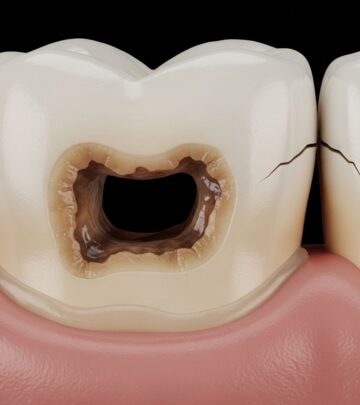
Tooth enamel erosion represents one of the most frequently cited concerns about carbonated water consumption. Enamel, the protective outer layer of teeth, can be damaged by prolonged exposure to acidic substances. Since carbonated water is acidic with a pH between 5 and 6, and enamel demineralization begins at approximately pH 5.5, the concern appears valid at first glance.
Research indicates that plain carbonated water poses minimal risk to dental health, especially when compared to sugary sodas and other acidic beverages. Studies have shown that while carbonated water is slightly more erosive than plain water, it is significantly less harmful than soft drinks containing sugar, phosphoric acid, or citric acid. The key distinction lies in the additional ingredients found in flavored or sweetened carbonated beverages.
A laboratory study examining the effects of carbonated water on tooth enamel found that high levels of carbonation could decrease enamel microhardness and affect dental sealant materials. However, these effects were observed under controlled laboratory conditions with continuous exposure. Real-world consumption patterns differ significantly, and the study also found that carbonated water containing calcium ions showed reduced destructive effects on enamel.
Practical strategies can minimize any potential dental risks associated with carbonated water consumption. Drinking sparkling water with meals rather than sipping it throughout the day limits acid exposure time. Rinsing your mouth with plain water after consuming carbonated beverages helps neutralize acidity and wash away residual carbonic acid. Using a straw can reduce direct contact between carbonated water and tooth enamel, though this benefit is modest.
The most important factor in protecting dental health while enjoying carbonated water is choosing varieties without added citric acid, sugar, or artificial sweeteners. These ingredients significantly increase erosive potential and contribute to cavity formation in ways that plain carbonated water does not. Reading labels carefully ensures you’re selecting the least harmful options for your teeth.
Digestive System Effects: Bloating, Gas, and IBS
Carbonated water’s effects on the digestive system present a mixed picture, with both potential benefits and drawbacks depending on individual sensitivity and consumption patterns. The carbon dioxide bubbles that make sparkling water appealing can also cause temporary digestive discomfort in some people.
Common digestive side effects from carbonated water include burping, bloating, and gas. These symptoms occur because carbonation introduces additional air into your digestive system. As the carbon dioxide is released from the liquid in your stomach, it must be expelled, leading to burping. Some gas may travel through the intestines, causing bloating and flatulence. For most people, these effects are mild and temporary, but individuals with sensitive stomachs may experience more pronounced discomfort.
The relationship between carbonated water and irritable bowel syndrome (IBS) requires careful consideration. Carbonated water does not cause IBS, but it can trigger flare-ups in people who already have the condition. The bloating and gas produced by carbonation may exacerbate IBS symptoms, making affected individuals more uncomfortable. If you have IBS or other digestive sensitivities and notice increased symptoms after drinking carbonated water, reducing or eliminating consumption may provide relief.
Interestingly, carbonated water also demonstrates potential digestive benefits for some individuals. Research suggests that sparkling water may improve swallowing ability in both young and older adults. A 2017 study found that carbonated beverages enhanced swallowing function, particularly in older adults who had been hospitalized, suggesting potential therapeutic applications for people with swallowing difficulties.
Additionally, carbonated water may help increase feelings of fullness after meals to a greater extent than plain water. The carbonation helps food remain in your stomach longer, potentially triggering enhanced satiety signals. This effect could be beneficial for people trying to manage their appetite and food intake, though more research is needed to confirm these observations and determine their practical significance for weight management.
For individuals experiencing acid reflux or gastroesophageal reflux disease (GERD), carbonated water may pose additional concerns. The carbonation can increase stomach pressure and potentially exacerbate reflux symptoms, causing heartburn and discomfort. People with these conditions should monitor their response to carbonated water and consult healthcare providers if symptoms worsen.
Bone Health: Debunking the Calcium Loss Myth
Concerns about carbonated beverages weakening bones and increasing calcium loss have circulated for years, but the evidence tells a nuanced story. The relationship between carbonation and bone health depends entirely on what type of carbonated beverage you’re consuming.
Plain carbonated water does not affect bone health negatively. Research examining the link between carbonated beverages and bone mineral density found that cola beverages were associated with low bone mineral density in women, but other carbonated drinks showed no such effect. The key difference lies in the phosphoric acid content found in cola sodas but not in plain carbonated water.
Phosphoric acid, a common ingredient in dark colas, can increase calcium loss from the body through the kidneys. This calcium depletion over time may contribute to reduced bone mineral density and increased fracture risk. However, plain carbonated water contains no phosphoric acid and therefore does not trigger this calcium-losing mechanism. The carbonation itself—the carbon dioxide gas dissolved in water—does not interfere with calcium absorption or bone metabolism.
Some sparkling mineral waters actually provide beneficial minerals, including calcium, that support bone health. Natural mineral waters from springs contain dissolved minerals absorbed from underground rock formations. Depending on the source, these waters may offer modest amounts of calcium, magnesium, and other minerals that contribute positively to overall nutrition and bone health.
The takeaway for bone health is clear: concerns about carbonation damaging bones apply to phosphoric acid-containing sodas, not to plain carbonated water or sparkling mineral water. If you’re replacing sugary sodas with plain sparkling water, you’re making a choice that benefits rather than harms your bones. However, if you’re concerned about bone health, choosing sparkling mineral waters with added calcium provides an extra nutritional advantage.
Weight Management and Metabolic Effects
One persistent myth suggests that carbonated water might cause weight gain even without containing calories, sugar, or artificial sweeteners. This claim stems from animal studies and speculation about carbonation triggering hunger hormones, but human evidence remains limited and inconclusive.
The truth is that plain carbonated water contains zero calories and cannot directly cause weight gain. Unlike sugary sodas that provide substantial calories from sugar and high fructose corn syrup, unsweetened sparkling water offers hydration without energy intake. For individuals trying to lose or maintain weight, replacing caloric beverages with plain carbonated water represents a smart strategy for reducing overall calorie consumption.
However, flavored and sweetened varieties of carbonated water require scrutiny. Products containing sugar, high fructose corn syrup, or excessive amounts of artificial sweeteners can contribute to weight gain, blood sugar fluctuations, and metabolic issues. Even artificially sweetened carbonated waters may present concerns, as some research suggests that artificial sweeteners can affect gut bacteria, appetite regulation, and glucose metabolism in ways that undermine weight management efforts.
The satiety-enhancing effects of carbonated water mentioned earlier could theoretically support weight management by helping people feel fuller and eat less. However, this potential benefit requires more research before definite conclusions can be drawn. If carbonated water helps you drink more fluids overall and reduces cravings for sugary beverages, it serves as a valuable tool in a healthy eating plan.
Ingredient Concerns: What to Watch For
The ingredients added to carbonated water significantly influence its health effects and potential side effects. Reading labels carefully helps you make informed choices and avoid problematic additives that can compromise the otherwise benign nature of plain sparkling water.
High fructose corn syrup and added sugars transform carbonated water into a beverage comparable to regular soda, with all the associated health risks. These sweeteners contribute to weight gain, type 2 diabetes, heart disease, and dental cavities. Even small amounts of added sugar can accumulate over time when consumed regularly, making sugar-sweetened carbonated waters a poor choice for health-conscious individuals.
Artificial sweeteners present a different set of concerns. While they provide sweetness without calories, artificial sweeteners can cause digestive upset, including stomach pain, bloating, and diarrhea in sensitive individuals. Some research suggests that certain artificial sweeteners may alter gut microbiota composition and affect glucose metabolism, though findings remain controversial and require further investigation.
Phosphoric acid, found in some carbonated beverages, contributes to both dental erosion and potential bone health issues. This ingredient is more common in colas than in plain sparkling water, but flavored varieties may contain phosphoric acid as an acidifying agent or preservative. Checking ingredient lists helps you avoid this additive.
Citric acid, often added to flavored sparkling waters for taste enhancement, increases acidity beyond that of plain carbonated water and poses greater risk to tooth enamel. While citric acid occurs naturally in citrus fruits and is generally recognized as safe, its concentration in flavored beverages can accelerate enamel erosion with frequent consumption.
Caffeine appears in some sparkling water varieties, particularly those marketed as energy beverages. While caffeine is generally safe for healthy adults in moderate amounts, it can cause jitteriness, anxiety, sleep disturbances, and increased heart rate in sensitive individuals or when consumed in excess. Children and adolescents should avoid caffeinated beverages entirely, as no safe level of caffeine intake has been established for young people.
Sodium content varies significantly between carbonated water types, with club soda containing notably more sodium than seltzer water. For individuals with hypertension or those following low-sodium diets, this difference matters. Checking nutrition labels for sodium content ensures you’re selecting options that align with your dietary needs.
Who Should Limit or Avoid Carbonated Water
While carbonated water is safe for most people, certain individuals may benefit from limiting consumption or avoiding it altogether based on specific health conditions and sensitivities.
People with IBS or sensitive digestive systems should monitor their response to carbonated water carefully. If bloating, gas, or abdominal discomfort increases after consuming sparkling water, switching to still water may provide relief. The carbonation itself triggers these symptoms by introducing excess gas into the digestive tract.
Individuals with GERD or acid reflux may experience worsened symptoms from carbonated water. The carbonation can increase stomach pressure and promote reflux of stomach contents into the esophagus, causing heartburn and discomfort. People with these conditions often tolerate still water better than sparkling varieties.
Those with dental concerns, including enamel erosion, cavity susceptibility, or recent dental work, should exercise caution with carbonated water. While plain carbonated water poses minimal risk, individuals with compromised enamel or active dental issues may prefer to avoid even mild acidic beverages. Drinking through a straw and rinsing with plain water after consumption can mitigate risks.
Children should consume carbonated water in moderation, if at all. While plain carbonated water is not inherently harmful to children, the fizzy sensation may be unpleasant or cause digestive upset in young children. More importantly, caffeinated and sweetened carbonated waters are inappropriate for children and adolescents.
Making Healthy Choices with Carbonated Water
Enjoying carbonated water while minimizing potential side effects requires thoughtful selection and consumption practices. Following evidence-based guidelines helps you maximize benefits while avoiding problems.
Choose plain varieties whenever possible. The simplest carbonated waters—containing only water and carbon dioxide—present the fewest health concerns. Avoid products with added sugars, artificial sweeteners, citric acid, phosphoric acid, and caffeine unless you have specific reasons for choosing fortified options.
Read labels carefully to understand exactly what you’re consuming. Marketing claims like “natural” or “flavored” can be misleading, masking the presence of acids, sweeteners, and other additives that increase side effects. Scrutinize ingredient lists and nutrition facts panels to make informed decisions.
Consider sparkling mineral water for added nutritional benefits. Natural mineral waters provide beneficial minerals like calcium and magnesium alongside carbonation, offering advantages over plain carbonated water. These minerals can support bone health, muscle function, and overall wellness.
Moderate your consumption based on individual tolerance and health status. While carbonated water is safe for daily consumption for most people, those with digestive sensitivities, dental concerns, or acid reflux may need to limit intake. Pay attention to your body’s signals and adjust accordingly.
Practice dental-protective habits when drinking carbonated water. Consume it with meals rather than sipping throughout the day to reduce acid exposure time. Rinse your mouth with plain water after drinking carbonated beverages to neutralize acidity. Consider using a straw to minimize contact with teeth, though this provides only modest protection.
Stay hydrated with a variety of beverages. While carbonated water contributes to hydration as effectively as plain water, diversifying your fluid intake ensures you’re not over relying on any single beverage type. Combine carbonated water with still water, herbal teas, and other unsweetened drinks for optimal hydration without monotony.
Frequently Asked Questions
Q: Does carbonated water hydrate you as well as regular water?
A: Yes, carbonated water hydrates your body just as effectively as plain water. The carbonation does not interfere with the water’s ability to provide hydration, making sparkling water an excellent alternative for people who struggle to drink enough plain water.
Q: Can carbonated water cause kidney stones?
A: No, plain carbonated water does not cause kidney stones. In fact, staying well-hydrated with any type of water helps prevent kidney stone formation. However, some carbonated beverages containing phosphoric acid or excessive sodium might contribute to kidney stone risk in susceptible individuals.
Q: Is it safe to drink carbonated water every day?
A: Yes, drinking plain carbonated water daily is safe for most people. As long as you choose varieties without added sugars, acids, or artificial ingredients, daily consumption poses minimal health risks. However, individuals with sensitive digestive systems or dental concerns should monitor their response.
Q: Will carbonated water make me gain weight?
A: Plain carbonated water contains zero calories and will not cause weight gain. However, sweetened varieties containing sugar or high fructose corn syrup can contribute to weight gain just like any caloric beverage. Always check labels for added sweeteners.
Q: Does carbonated water weaken bones?
A: No, plain carbonated water does not weaken bones or cause calcium loss. This concern applies only to cola beverages containing phosphoric acid, which can increase calcium excretion through the kidneys. Plain sparkling water and mineral water do not have this effect.
Q: Can carbonated water help with digestion?
A: Carbonated water may offer some digestive benefits, including improved swallowing ability and increased feelings of fullness. However, it can also cause bloating and gas in some people, particularly those with sensitive digestive systems or IBS.
Q: Should I avoid carbonated water if I have acid reflux?
A: People with acid reflux or GERD may want to limit or avoid carbonated water, as the carbonation can increase stomach pressure and potentially worsen reflux symptoms. If you notice increased heartburn or discomfort after drinking sparkling water, switching to still water is advisable.
Q: Is carbonated water bad for your teeth?
A: Plain carbonated water poses minimal risk to dental health, though it is slightly more acidic than plain water. The risk increases significantly with flavored varieties containing citric acid or sugar. Drinking carbonated water with meals and rinsing your mouth afterward helps protect tooth enamel.
Q: What’s the difference between club soda and seltzer water?
A: Club soda contains added minerals and sodium, while seltzer water is simply carbonated plain water with no added ingredients. This makes seltzer a better choice for people monitoring their sodium intake or seeking the purest form of carbonated water.
Similar Articles







Read full bio of Sneha Tete