Cardiac Catheterization: Procedure, Risks, and Recovery
Learn about cardiac catheterization, how it works, what to expect, and its role in diagnosing and treating heart conditions.
What is Cardiac Catheterization?
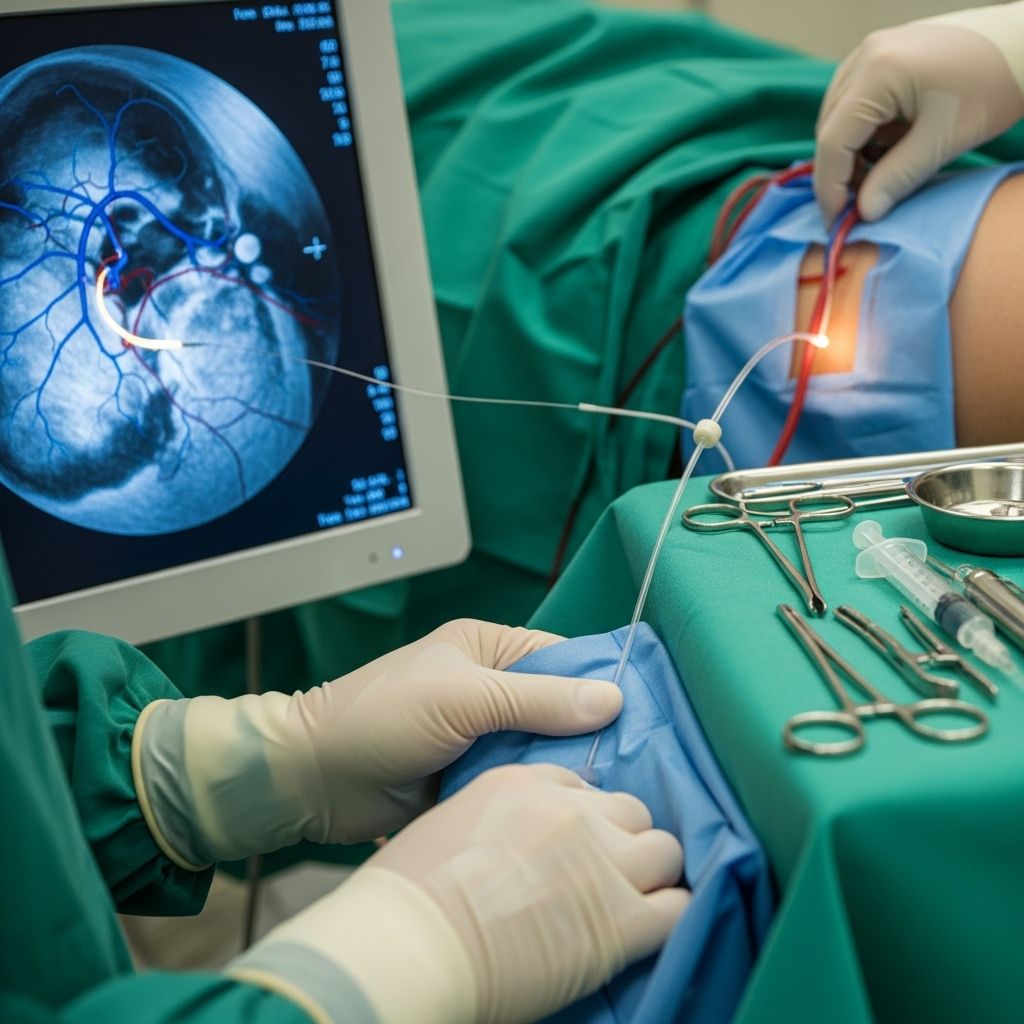
Cardiac catheterization, often referred to as a heart cath, is a medical procedure used to diagnose and sometimes treat certain cardiovascular conditions. During the procedure, a thin, flexible tube (catheter) is inserted into a blood vessel and guided to the heart, allowing doctors to examine how the heart is working and to look for blockages or abnormalities in the coronary arteries.
Why is Cardiac Catheterization Performed?
This procedure is primarily used to diagnose various heart conditions, assess their severity, and determine the best course of treatment. It may also be used to treat certain heart problems, such as opening narrowed or blocked arteries.
Diagnostic Uses
- Identify blockages or narrowing in the coronary arteries (coronary angiography)
- Measure pressure and oxygen levels in different parts of the heart
- Evaluate the function of the heart muscle and valves
- Assess congenital heart defects in children
Therapeutic Uses
- Balloon angioplasty and stent placement to open blocked arteries
- Closure of certain heart defects
- Heart valve repair or replacement
How to Prepare for Cardiac Catheterization
Proper preparation is essential for a safe and effective procedure. Your healthcare provider will give you specific instructions, which may vary depending on your medical condition.
Before the Procedure
- Medical Evaluation: Tell your doctor about all medications, supplements, or allergies. Certain medications, such as blood thinners, may need to be temporarily stopped.
- Fasting: You will likely be asked to avoid eating or drinking for several hours before the procedure.
- Pre-Procedure Tests: Blood tests, electrocardiogram (ECG), and imaging studies may be required.
What to Bring
- All prescribed medications
- A list of your allergies
- A companion to drive you home afterward
How the Procedure is Performed
Cardiac catheterization is typically done in a hospital’s catheterization laboratory (cath lab) by a cardiologist and a specialized team.
Step-by-Step Overview
- Preparation: You are given a mild sedative to help you relax. The area where the catheter will be inserted (usually the groin, wrist, or arm) is cleaned and numbed with a local anesthetic.
- Insertion: A needle is used to access a blood vessel, and a sheath is placed into the vessel.
- Catheter Placement: A thin, flexible catheter is threaded through the blood vessels to the heart, guided by X-ray imaging.
- Diagnostic Procedures: Dye (contrast material) may be injected to highlight the coronary arteries and chambers of the heart. Pressure measurements and blood samples may be taken.
- Interventions: If blockages are found, treatments such as angioplasty or stent placement may be performed during the same procedure.
- Completion: The catheter and sheath are removed, and pressure is applied to stop bleeding. The insertion site may be closed with a closure device or manual pressure.
Risks and Possible Complications
While cardiac catheterization is generally safe, it is not without risks. Most complications are rare and minor, but serious problems can occur, especially in people with advanced heart disease.
Common Risks
- Bleeding, bruising, or pain at the catheter insertion site
- Allergic reaction to the contrast dye
- Small risk of infection
Serious Complications (Rare)
- Heart attack or stroke
- Kidney damage (especially in patients with pre-existing kidney disease)
- Injury to the artery
- Irregular heart rhythms (arrhythmias)
- Blood clots
What to Expect After the Procedure
Recovery time varies depending on the complexity of the procedure and whether any interventions were performed.
Immediate Aftercare
- You will be monitored in a recovery area to check for complications.
- You may need to lie flat for several hours if the catheter was inserted in the groin.
- Vital signs and the insertion site will be checked frequently.
Going Home
- You should have someone drive you home.
- Follow your doctor’s instructions regarding activity, medication, and wound care.
- Avoid strenuous activities for 1–2 days.
Long-Term Follow-Up
- Attend all scheduled follow-up appointments.
- Report any unusual symptoms such as severe pain, swelling, bleeding, or signs of infection.
- Discuss lifestyle changes and medications to reduce the risk of future heart problems.
Interpreting the Results
Your cardiologist will discuss the findings with you after the procedure. Depending on the results, further treatment or lifestyle changes may be recommended.
Potential Outcomes
| Result | Next Steps |
|---|---|
| Normal coronary arteries | No further intervention; address risk factors |
| Mild to moderate blockages | Medication and lifestyle changes |
| Severe blockages | Possible angioplasty, stent, or bypass surgery |
| Structural abnormalities | Further evaluation and possible repair |
Alternatives to Cardiac Catheterization
In some cases, less invasive tests may be used to evaluate heart conditions. These include echocardiography, stress tests, and CT or MRI scans. However, cardiac catheterization remains the gold standard for diagnosing coronary artery disease and certain structural heart problems.
Frequently Asked Questions (FAQs)
Q: How long does a cardiac catheterization take?
A: The procedure typically takes 30 minutes to a few hours, depending on whether any interventions are performed.
Q: Is cardiac catheterization painful?
A: Local anesthesia is used, so you should feel little pain. Some pressure or discomfort may occur, especially when the catheter is threaded and when dye is injected.
Q: How long is the recovery period?
A: Most people can resume normal activities in a day or two, though strenuous activities should be avoided for a short period.
Q: What are the signs of complications I should watch for?
A: Contact your doctor if you experience severe pain, swelling, bleeding at the insertion site, fever, or symptoms such as chest pain or shortness of breath.
Q: Can I eat or drink before the procedure?
A: Your healthcare provider will give specific instructions, but you will typically be asked to fast for several hours before the procedure.
Similar Articles




Read full bio of medha deb