Complications of Gallbladder Removal Surgery: Risks, Symptoms & FAQs
A detailed guide on gallbladder removal (cholecystectomy) complications, symptoms, risks, and what to expect during recovery.
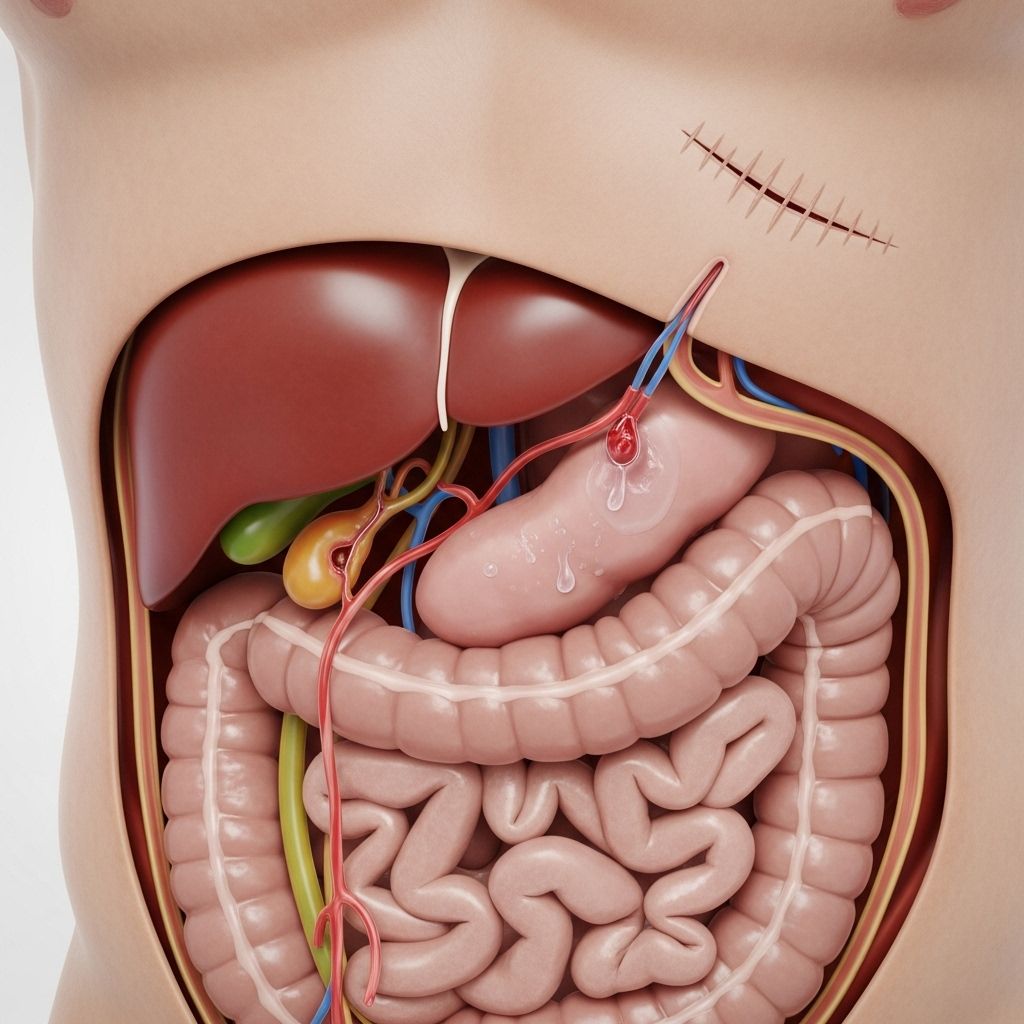
Gallbladder removal surgery, known as cholecystectomy, is one of the most common surgical procedures worldwide. While the operation is generally safe, as with all surgery, complications can occur. This article offers a comprehensive overview of the potential complications, symptoms after surgery, their management, and frequently asked questions regarding life post-cholecystectomy.
Possible Complications of Gallbladder Removal
Gallbladder removal is regarded as a safe procedure, but patients should be aware of the potential risks and side effects. Complications can vary in severity and may depend on a person’s age, general health, and the complexity of their condition. Discussing these risks with your treating physician before surgery is crucial.
Common Surgical Risks
- Blood Clots (Deep Vein Thrombosis, DVT): Formation of clots in deep veins, usually in the legs. This can be dangerous if clots travel to the lungs (pulmonary embolism). To reduce the risk, your doctor may advise wearing compression stockings or prescribe anticoagulant medications.
- Infection: There is a small risk that the surgical wound or internal tissues may become infected. This is typically treated with a course of antibiotics but, in rare cases, may require further intervention.
- Bleeding: Bleeding can occur during or after surgery, though this is rare and usually controlled in the hospital. Occasionally, further surgery may be needed to stop significant bleeding.
- Injury to Bile Ducts: The bile ducts connect the liver and gallbladder. During surgery, these ducts can be accidentally damaged, which may require immediate repair or sometimes an additional operation if detected later.
- Injury to Internal Organs: Instruments used during the procedure may inadvertently injure nearby organs such as the liver, intestines, or blood vessels. Often, these injuries can be repaired during the initial surgery, but sometimes further procedures are necessary.
- Bile Leakage: This can happen if bile escapes into the abdominal cavity after removal. Bile leaks may require an additional procedure to drain the fluid and manage symptoms.
- Retained Gallstones: Occasionally, gallstones are left in the bile duct or abdomen, leading to pain or jaundice (yellowing of the skin and eyes). Such cases may need further treatment, including endoscopic or surgical procedures.
- Hernia Formation: A hernia can develop at the surgical site as a result of muscle weakness during healing. This may require surgical repair at a later date.
- Peripheral Nerve Injury: Rarely, nerves may be affected due to patient immobility or positioning during surgery, resulting in tingling, numbness, or weakness, which usually resolves over time.
Post-Operative Symptoms and Post-Cholecystectomy Syndrome
After gallbladder removal, patients often experience a range of temporary symptoms as the body adapts. Most symptoms resolve within a few weeks, but in some cases, they may persist, resulting in a condition known as post-cholecystectomy syndrome (PCS).
- Nausea and Vomiting: Feeling or being sick is common in the initial days after surgery. This normally settles quickly but can be managed with anti-sickness medications if persistent.
- Indigestion and Tummy Pain: Mild to moderate discomfort or pain in the abdomen is frequent, as is heartburn or indigestion.
- Diarrhoea: Some patients have more frequent, loose stools following gallbladder removal. This is generally mild and improves over time but may be triggered by fatty foods.
- Bloating and Flatulence: Abdominal bloating and excess gas can persist for several weeks after the operation, partly due to changes in digestive function.
- Constipation: Pain relief medications and reduced activity after surgery can contribute to short-term constipation. A high-fibre diet and adequate fluids often help.
- Persistence of Symptoms: In a small number of patients, symptoms such as abdominal pain, diarrhoea, or indigestion can continue for months. Further investigation may be necessary to rule out other causes.
Rare but Serious Complications
Though very uncommon, some complications carry a significant risk and require prompt medical attention.
- Severe Infection (Sepsis): A serious bacterial infection that can spread throughout the body, requiring urgent medical treatment.
- Pancreatitis: Inflammation of the pancreas sometimes occurs, particularly if gallstones migrate or block the pancreatic duct.
- Jaundice: Retained stones or bile duct injury may block the normal flow of bile, leading to jaundice (yellow skin and eyes) and dark urine.
- Deep Vein Thrombosis (DVT) or Pulmonary Embolism: Blood clots may form, causing swelling or pain in the leg. If a clot travels to the lungs, it can cause chest pain, breathlessness, or collapse and is a medical emergency.
Factors Influencing Risk of Complications
The likelihood of complications varies from person to person. Important risk factors include:
- Age: Older adults have a slightly higher risk of complications due to decreased organ resilience and other existing conditions.
- Overall Health and Medical Conditions: Patients with diabetes, obesity, heart or lung issues, or previous abdominal surgeries are at increased risk.
- Type of Surgery: Laparoscopic (keyhole) surgery has a lower risk profile than open surgery. In some cases, surgery may need to be switched to an open approach due to complications or anatomical difficulties.
Understanding Post-Cholecystectomy Syndrome
Post-cholecystectomy syndrome (PCS) is a term used to describe symptoms such as abdominal pain, bloating, heartburn, nausea, or diarrhoea that continue or develop after gallbladder removal. The causes are varied, including:
- Bile leakage or changes in bile flow: With the gallbladder gone, bile flows more continuously into the gut, sometimes causing digestive upset, particularly with fatty foods.
- Leftover gallstones: Stones that remain in the bile ducts can trigger similar symptoms as before surgery.
- Bile duct or intestinal injury: Rare injuries can lead to ongoing gastrointestinal disturbances.
Most people recover well with time, lifestyle adaptations, and dietary guidance, but persistent symptoms should be discussed with a doctor for further evaluation.
Signs and Symptoms Requiring Urgent Medical Attention
Contact your GP or medical team immediately if you experience any of the following after your gallbladder removal:
- Persistent or worsening abdominal pain not relieved by regular painkillers
- Fever, chills, or shaking
- Redness, swelling, or pus at the surgical site
- Shortness of breath, chest pain, or coughing up blood (possible sign of DVT or pulmonary embolism)
- Yellowing of the skin or whites of the eyes (jaundice)
- Sudden onset of severe diarrhoea or vomiting
Early intervention can prevent more severe complications.
Managing and Reducing Risks
- Follow all pre-operative instructions from your hospital or surgeon.
- Discuss your medical history and current medications with your healthcare team.
- Use prescribed compression stockings and/or anticoagulants as directed to reduce risk of blood clots.
- Monitor your surgical wounds for signs of infection, and keep them clean and dry.
- Stay mobile and walk around as soon as possible to help circulation.
- Adopt a balanced diet with adequate fibre and fluids to support bowel regularity.
Table: Summary of Common Complications and Management
| Complication | Frequency | Symptoms | Management |
|---|---|---|---|
| Blood clots (DVT) | Rare | Leg pain, swelling | Compression stockings, anticoagulants |
| Wound infection | Rare | Redness, discharge, fever | Antibiotics, wound care |
| Bile duct injury | 1 in 300-400 cases | Jaundice, pain, fever | Further surgery or endoscopic repair |
| Bile leak | 1% | Abdominal pain, fever, swelling | Drainage procedure, repeat surgery |
| Retained gallstones | Small | Pain, jaundice | Endoscopic or surgical removal |
| Diarrhoea & post-cholecystectomy syndrome | Common (up to 20%) | Loose stools, pain, dyspepsia | Dietary adjustment, medications |
| Hernia at wound site | Rare | Bump, bulge at incision | Surgical repair if necessary |
Frequently Asked Questions (FAQs)
What is post-cholecystectomy syndrome?
Post-cholecystectomy syndrome (PCS) describes ongoing symptoms such as abdominal pain, diarrhoea, bloating, or indigestion after the gallbladder is removed. These symptoms usually settle, but persistent problems should be discussed with your doctor.
How long do digestive symptoms last after gallbladder removal?
Most people notice improvement within days or weeks, but mild diarrhoea or bloating can take a few months to completely resolve. If symptoms last beyond three months, consult your GP.
Will I need to change my diet after surgery?
After gallbladder removal, some people benefit from a diet lower in fat and higher in fibre to help with digestion and bowel regularity. Over time, most can return to a normal diet.
What can I do to reduce my risk of complications?
Follow post-operative instructions, keep wounds clean, stay active, eat a balanced diet, and attend follow-up appointments. Report any symptoms such as pain, fever, jaundice, or breathlessness to your healthcare team right away.
Are there long-term effects if my gallbladder is removed?
Most people live normal, healthy lives without a gallbladder. A minority will have mild ongoing symptoms. Rare long-term effects include bile duct injury or persistent digestive issues.
Key Points for Patients
- Cholecystectomy is generally safe but not entirely free of risk.
- Common side effects—pain, nausea, diarrhoea—usually improve with time.
- Serious complications are rare but should be recognized and treated quickly.
- Close communication with your healthcare team ensures the best possible recovery.
- Consult your doctor if symptoms persist more than three months post-surgery.
References and Further Reading
- NHS UK – Complications of gallbladder removal
- Royal Free London NHS Foundation Trust – Having surgery to remove your gallbladder
- Healthline – Gallbladder Removal Surgery: Side Effects and Complications
- North Tees and Hartlepool NHS Foundation Trust – Cholecystectomy resources
Similar Articles





Read full bio of medha deb