Deep Vein Thrombosis (DVT): Causes, Symptoms, Treatment, and Prevention
Understand deep vein thrombosis (DVT)—its causes, symptoms, diagnosis, treatment, and how to prevent clots from becoming a serious health threat.
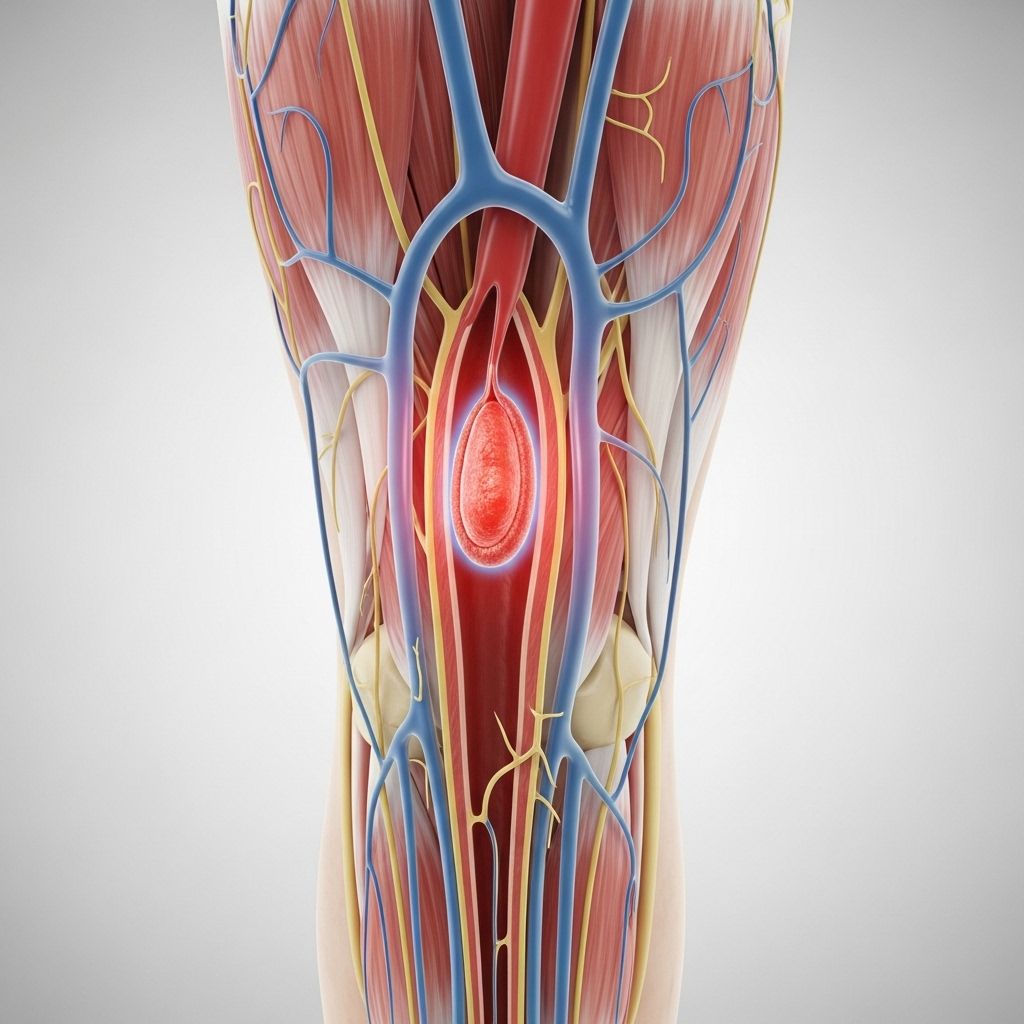
Deep Vein Thrombosis (DVT): Overview
Deep vein thrombosis (DVT) is a medical condition characterized by the formation of a blood clot—known as a thrombus—in one of the deep veins of the body, most commonly in the legs. These clots can lead to swelling, pain, and potentially life-threatening complications if they move to the lungs, resulting in a pulmonary embolism.
What is Deep Vein Thrombosis?
DVT occurs when a blood clot forms inside a deep vein, usually in the lower leg, thigh, or pelvis. While any deep vein in the body can be affected—including veins in the arms or abdomen—most cases involve the large veins in the leg.
- Deep veins are located beneath the muscle and carry most of the blood back to the heart; clots in these veins are particularly dangerous because they can break loose and travel to the lungs.
- The condition is different from superficial vein clots, which are less likely to cause serious problems.
Causes and Risk Factors
DVT develops when blood flow slows down, clots more easily, or vein walls become damaged. Several factors can contribute to the formation of these clots:
- Immobility for long periods: Prolonged sitting (such as during air travel or bed rest), paralysis, or hospitalization significantly raise DVT risk.
- Injury to veins: Trauma, surgery, or fractures can damage veins, making clot development more likely.
- Increased tendency for blood clotting: Known as hypercoagulability, this condition can be inherited (genetic disorders) or acquired due to cancer, certain medications (some birth control pills or hormone therapy), or other illnesses.
- Age: Risk increases with advancing age, especially over age 60.
- Personal or family history of blood clots
- Obesity: Excess body weight increases pressure on veins, especially in the pelvis and legs.
- Pregnancy and postpartum period: Pregnancy puts more pressure on pelvic veins and alters blood coagulability.
- Cancer or recent cancer treatment
- Smoking
- Heart failure or chronic inflammatory illnesses
Symptoms of Deep Vein Thrombosis
In many cases, DVT may occur without any noticeable symptoms. When symptoms are present, they commonly include:
- Swelling in one leg (rarely, both)
- Pain or tenderness in the affected limb, especially during standing or walking
- Warmth and redness or discoloration of the skin over the clot
- The affected area may feel hard or look visibly swollen
If DVT occurs in the arm, the same symptoms (swelling, pain, color change) may be present but are less common than those in the leg.
When to Seek Medical Attention
DVT is a medical emergency when symptoms are present. Immediate evaluation is critical, particularly if you notice:
- Unexplained, sudden swelling and pain in a limb
- Shortness of breath, chest pain, coughing up blood, or rapid heart rate (potential signs the clot has traveled to the lungs—a pulmonary embolism)
Diagnosis
Diagnosing DVT involves a combination of a physical exam, medical history, and specific tests to confirm the presence of a blood clot. Common diagnostic approaches include:
- Ultrasound scanning: The most widely used test; uses sound waves to detect clots in deep veins.
- D-dimer blood test: Measures a substance released when a clot dissolves; elevated levels suggest clot formation but can be raised in other conditions too.
- Venography: A dye is injected into a vein in the foot or ankle and x-rays are taken; used less commonly.
- MRI or CT scans: Occasionally used, especially if DVT is suspected in the pelvis or abdomen.
| Test | Purpose | Remarks |
|---|---|---|
| Ultrasound | Detect blood clots in deep veins | First-choice, non-invasive |
| D-dimer | Screen for blood clots present | Non-specific result; useful for ruling out DVT |
| Venography | Visualize clots with contrast dye and X-ray | Rarely used; invasive |
| MRI/CT | Detect clots in pelvis/abdomen | Reserved for specific cases |
Treatment
The primary goal of DVT treatment is to prevent the clot from growing and to stop further clots from forming or moving to the lungs, which can be fatal. Treatment options include:
Medications
- Anticoagulants (blood thinners): The most commonly used medicines, including heparin (injected), warfarin (oral), and newer direct oral anticoagulants (DOACs). They don’t dissolve the existing clot but prevent new clots.
- Thrombolytics (clot-busting drugs): These can actively dissolve clots but are reserved for severe cases due to bleeding risk.
Compression Therapy
- Graduated compression stockings are often prescribed. They help reduce swelling, prevent pooling of blood, and cut the risk of complications like post-thrombotic syndrome.
Procedures
- Inferior vena cava (IVC) filter: In some patients who cannot take blood thinners, a filter may be placed in the large vein leading to the heart to catch clots before they reach the lungs. This is a preventive measure, not a cure.
- Thrombectomy: In rare circumstances, surgical removal of a large or life-threatening clot may be considered.
Complications of DVT
DVT can result in several complications if not effectively treated:
- Pulmonary embolism (PE): The most serious risk, occurring if a fragment of the blood clot breaks off and travels to the lungs, blocking a pulmonary artery. PE can be fatal, requiring immediate treatment.
- Post-thrombotic syndrome: Chronic pain, swelling, and skin changes in the affected limb caused by long-term damage to the vein; can occur even after the clot resolves.
- Recurrent DVT: Increased risk of new clots forming in those with a previous history.
Prevention
Several steps can help reduce the risk of developing DVT:
- Stay physically active and avoid long periods of immobility. On long flights or car trips, take breaks to walk around and stretch.
- If you are recovering from surgery or illness, get out of bed and walk around as soon as possible as recommended by your medical team.
- Use prescribed compression stockings if at risk.
- Maintain a healthy weight and manage chronic health conditions.
- If you have risk factors for blood clots (prior DVT, family history, known clotting disorders), discuss preventive medications with your healthcare provider.
- Avoid smoking, which can damage blood vessels and increase clot risk.
Prognosis and Long-Term Outcome
The outlook for DVT depends on how quickly the clot is diagnosed and treated. Most people treated promptly with anticoagulant medicine recover well, but some may experience ongoing issues such as:
- Chronic swelling and discomfort in the affected limb
- Post-thrombotic syndrome, including pain, skin discoloration, or ulcers
- Rarely, persistent or recurrent blood clots
Failure to recognize and treat DVT can result in life-threatening complications. Ongoing care and preventive measures help minimize long-term problems.
When to Contact a Medical Professional
Contact your healthcare provider promptly if you notice symptoms suggestive of DVT—such as unexplained leg swelling, pain, or discoloration. Seek emergency medical attention if you experience symptoms of a pulmonary embolism, including sudden chest pain, difficulty breathing, or coughing up blood.
Alternative Names for DVT
- Venous thrombosis
- Blood clot in the leg
- Thromboembolism
- Lower extremity DVT
Frequently Asked Questions (FAQs)
Q: What is the main danger of ignoring DVT?
A: The core danger is that a clot may break loose and move to the lungs, leading to a pulmonary embolism, which can be fatal without prompt care.
Q: Can DVT resolve without treatment?
A: While small clots may occasionally resolve on their own, untreated DVT frequently leads to serious complications; prompt treatment is strongly recommended.
Q: How fast can DVT develop?
A: DVT can develop within a few hours to days, especially after surgery, injury, or periods of immobility.
Q: Are there lifestyle changes that reduce DVT risk?
A: Yes. Staying active, maintaining a healthy weight, quitting smoking, and managing chronic health conditions can greatly reduce your risk of DVT.
Q: Who should wear compression stockings?
A: People at high risk for clots—after certain surgeries, with previous DVT, or with specific chronic illnesses—may be advised to wear graduated compression stockings as part of their prevention plan.
Additional Resources
- National Blood Clot Alliance – Detailed information about DVT, PE, and blood clot awareness.
- Centers for Disease Control and Prevention (CDC) – Data, prevention tips, and educational material on DVT.
- MedlinePlus – Reliable health information from the U.S. National Library of Medicine.
Key Points to Remember
- Deep vein thrombosis is a blood clot in a deep vein, commonly in the leg, that can cause serious health effects.
- Immediate medical assessment and treatment are crucial to reduce the risk of dangerous complications such as pulmonary embolism.
- Risk factors include immobility, surgery, clotting disorders, age, obesity, cancer, pregnancy, and a personal or family history of blood clots.
- Prevention includes staying active, using compression stockings as directed, and following prescribed medical treatments.
Similar Articles






Read full bio of Sneha Tete