Understanding E. coli and Urinary Tract Infections: Causes, Symptoms, Treatment, and Prevention
A comprehensive guide to E. coli-driven urinary tract infections: learn about causes, signs, treatments, and protection strategies to stay healthy.
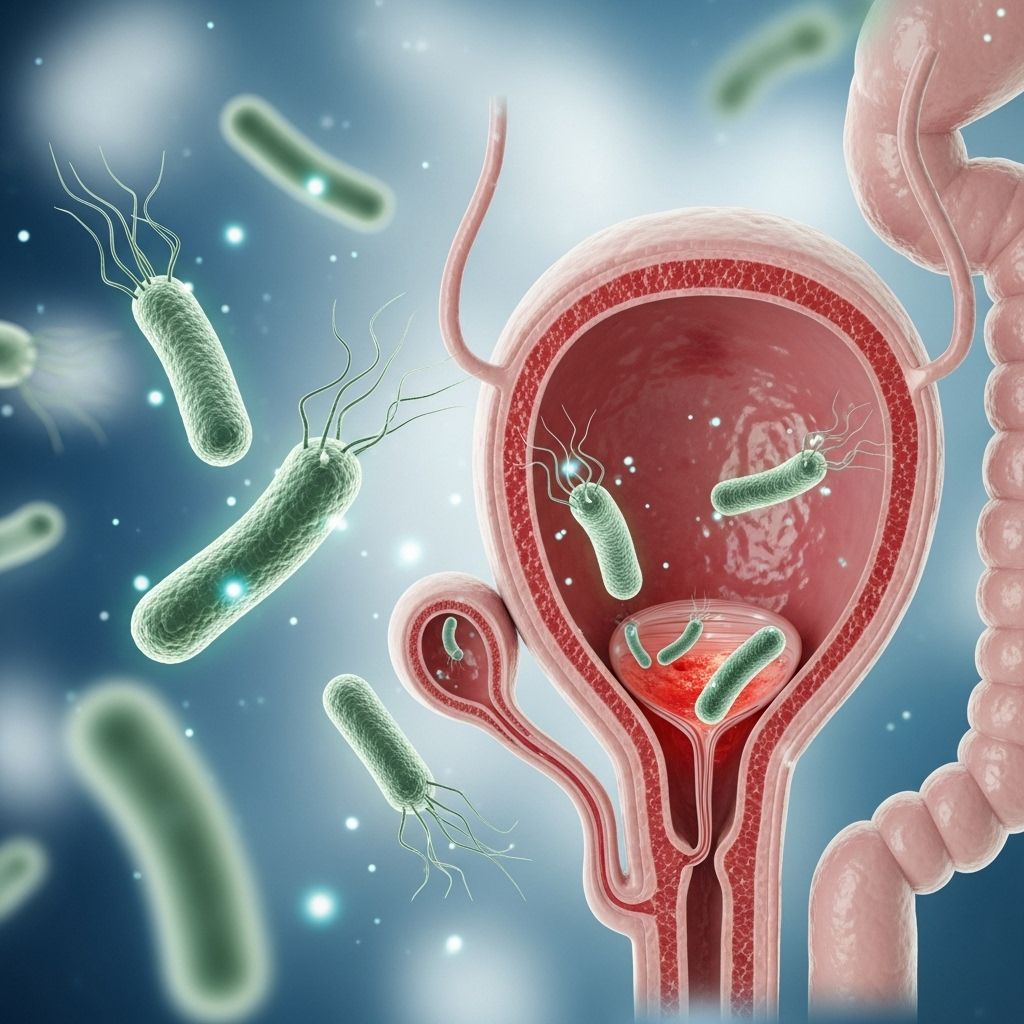
E. coli and Urinary Tract Infections: What You Need to Know
Urinary tract infections (UTIs) are among the most common bacterial infections worldwide, affecting millions of people each year. The main culprit is Escherichia coli (E. coli), a bacterium that normally lives harmlessly in the digestive tract but can cause significant problems when it enters the urinary system. Understanding the link between E. coli and UTIs is crucial for effective prevention, management, and treatment.
What Is a Urinary Tract Infection?
A urinary tract infection (UTI) is an infection that can affect any part of the urinary system, including the kidneys, bladder, ureters, and urethra. Most UTIs involve the lower urinary tract—the bladder and the urethra. When bacteria, most often E. coli, travel up the urethra into the bladder and multiply, infection and inflammation occur.
- UTIs are much more common in women than in men, due to a shorter urethra and anatomical proximity to the anus.
- The majority of UTIs are limited to the bladder and urethra, but serious complications can result if the infection spreads to the kidneys.
What Is E. coli?
E. coli is a type of gram-negative bacteria typically found in the intestines of humans and animals. While most strains are harmless, a specific type called uropathogenic E. coli (UPEC) is the primary cause of UTIs. UPEC accounts for about 75% of uncomplicated UTI cases and over half of complicated cases.
- E. coli may enter the urinary tract through the urethra from the gastrointestinal tract, typically due to poor hygiene or sexual activity.
- Other bacteria, such as Klebsiella pneumoniae, Proteus mirabilis, and Staphylococcus saprophyticus can also cause UTIs, but E. coli is by far the most common source.
How Does E. coli Cause a UTI?
The process by which E. coli and other bacteria cause UTIs can be described in several steps:
- Bacteria from the gastrointestinal tract reach the urethra and migrate upward.
- Bacteria use special hair-like structures (fimbriae or pili) to attach themselves to the lining of the urinary tract, resisting the body’s attempts to flush them out.
- Bacterial invasion leads to inflammation and infection, resulting in the familiar symptoms of a UTI.
Some E. coli strains have evolved powerful mechanisms, such as producing toxins, biofilms, and adhesins, that enable them to stick to urinary tract cells and evade the immune response.
Risk Factors for Developing a UTI
Several factors can increase the likelihood of developing a UTI, especially one caused by E. coli:
- Anatomy: Women have a shorter urethra, making it easier for bacteria to reach the bladder.
- Sexual Activity: Sexual intercourse can introduce bacteria to the urethra.
- Menopause: Hormonal and anatomical changes may compromise urinary tract defenses.
- Urinary Tract Abnormalities: Structural or functional abnormalities can impede urine flow.
- Urinary Catheters: Catheter use increases the risk by providing a pathway for bacteria.
- Suppressed Immune System: Chronic illnesses or immunosuppressant medications can heighten risk.
- Poor Hygiene: Improper wiping or infrequent changing of personal products may promote bacterial transfer.
Common Symptoms of a UTI
Symptoms may vary by age and the part of the urinary tract affected, but the most common signs include:
- A persistent urge to urinate
- Burning sensation during urination
- Passing frequent, small amounts of urine
- Cloudy or strong-smelling urine
- Blood in the urine (hematuria)
- Pelvic pain (especially in women)
- Lower abdominal discomfort
| Location | Common Symptoms |
|---|---|
| Bladder (Cystitis) | Pelvic pressure, frequent urination, discomfort |
| Urethra (Urethritis) | Burning with urination, discharge |
| Kidneys (Pyelonephritis) | Upper back pain, fever, nausea, vomiting |
When to Seek Medical Attention
If you experience any of the above symptoms, especially with fever, chills, nausea, vomiting, or signs of kidney involvement (such as upper back pain), seek medical help promptly. Untreated UTIs can lead to serious complications, including kidney infections and bloodstream infections (sepsis).
Diagnosing a UTI
Diagnosing a UTI typically involves:
- Review of symptoms and medical history
- Physical examination
- Urine analysis: Evaluates for white blood cells, red blood cells, and bacteria
- Urine culture: Identifies the specific bacteria causing the infection and helps guide treatment
In recurrent or severe cases, imaging studies such as ultrasound or CT scan may be recommended to check for anatomical abnormalities.
Treatment Options for E. coli UTIs
Antibiotics are the first-line treatment for most UTIs caused by E. coli. The exact drug chosen depends on several factors:
- Severity of symptoms
- Type of bacteria (according to culture results)
- Patient’s medical history and allergies
- Risk of antibiotic resistance
Common antibiotics for uncomplicated UTIs may include:
- Trimethoprim-sulfamethoxazole
- Nitrofurantoin
- Fosfomycin
- Fluoroquinolones (in select cases)
- Amoxicillin-clavulanate or cephalosporins
For complicated UTIs or infections involving the kidneys, broader-spectrum antibiotics and longer courses of therapy may be needed.
Rising Antibiotic Resistance
There is growing concern regarding antibiotic-resistant E. coli and other uropathogens. In some cases, common first-line drugs may be ineffective. It is critical for healthcare providers to base treatment on urine culture and sensitivity results—especially in individuals with recurrent infections or those who have used antibiotics frequently.
Preventing E. coli UTIs
Prevention strategies revolve around reducing the risk factors and improving hygiene. Practical steps include:
- Drink plenty of fluids, especially water, to flush out bacteria
- Wipe from front to back after using the toilet
- Urinate promptly after sexual activity
- Avoid potentially irritating products (such as douches or powders) around the genital area
- Choose cotton underwear and avoid tight clothing
- Do not hold urine for long periods
- Take showers instead of baths
- Manage chronic medical conditions that may increase risk
Emerging and Alternative Prevention Approaches
Due to the dilemma of recurrent UTIs and rising antibiotic resistance, research is underway on alternative approaches. These may include:
- Vaccines: Experimental vaccines are under investigation to prevent recurrent E. coli UTIs.
- Cranberry products: Some evidence suggests cranberry juice or extracts may help prevent bacterial adhesion to urinary tract walls, though benefits remain debated.
- Probiotics: Introducing beneficial bacteria to promote a healthy microbial balance may lower UTI risk, though more research is needed.
- Plant-based remedies: Compounds from certain medicinal plants are being studied for their anti-bacterial properties.
Complications of Untreated UTIs
- Kidney infection (pyelonephritis): Can cause permanent damage and increases risk of sepsis.
- Recurring infections: Particularly common in women who experience two or more infections within six months or three in a year.
- Urethral narrowing (stricture): May occur in men after repeated infections.
- Pregnancy complications: UTIs during pregnancy may increase risk of low birth weight and premature delivery.
How to Support Recovery and Reduce Recurrence
Taking your medications exactly as prescribed is the best way to ensure full recovery. Do not stop antibiotics early, even if symptoms improve. Lifestyle adjustments may also help reduce recurrence:
- Stay hydrated and urinate frequently
- Avoid irritants (perfumed personal care products)
- Empty your bladder before and after sexual activity
Living with Recurrent UTIs
Some people, especially women and older adults, experience frequent UTIs. Management options include:
- Long-term, low-dose antibiotics (when appropriate)
- Intermittent self-administered therapy after onset of symptoms
- Hormonal therapy post-menopause (as advised by a healthcare provider)
Frequently Asked Questions (FAQ) About E. coli and UTIs
Q: Why are women more likely to get E. coli UTIs?
A: Due to the female anatomy, the urethra is shorter and closer to the anus, allowing bacteria easier access to the urinary tract.
Q: How can I tell if my UTI is caused by E. coli?
A: Most uncomplicated UTIs are caused by E. coli, but a urine culture performed by your healthcare provider can confirm the specific bacteria.
Q: Are UTIs contagious?
A: UTIs themselves are not contagious, but sexual activity can increase risk by introducing bacteria to the urinary tract.
Q: What should I do if I keep getting UTIs?
A: See your healthcare provider for evaluation, as recurrent UTIs may indicate anatomical or functional factors that require further investigation.
Q: Can drinking cranberry juice really prevent UTIs?
A: While evidence is mixed, some studies suggest cranberry products may help prevent bacteria from adhering to the urinary tract lining. However, they are not a substitute for medical treatment.
Key Takeaways
- E. coli is the main cause of urinary tract infections, especially in women.
- Timely treatment with appropriate antibiotics is usually effective, but resistance is an increasing problem.
- Good personal hygiene, adequate fluid intake, and prompt medical attention are crucial for prevention and management.
- Recurrent UTIs may require ongoing management and, in some cases, alternative therapies.
Similar Articles







Read full bio of medha deb