Emphysema: Causes, Symptoms, Treatment, and Living with the Disease
Understand emphysema—its symptoms, causes, therapies, and lifestyle tips for better lung health and quality of life.
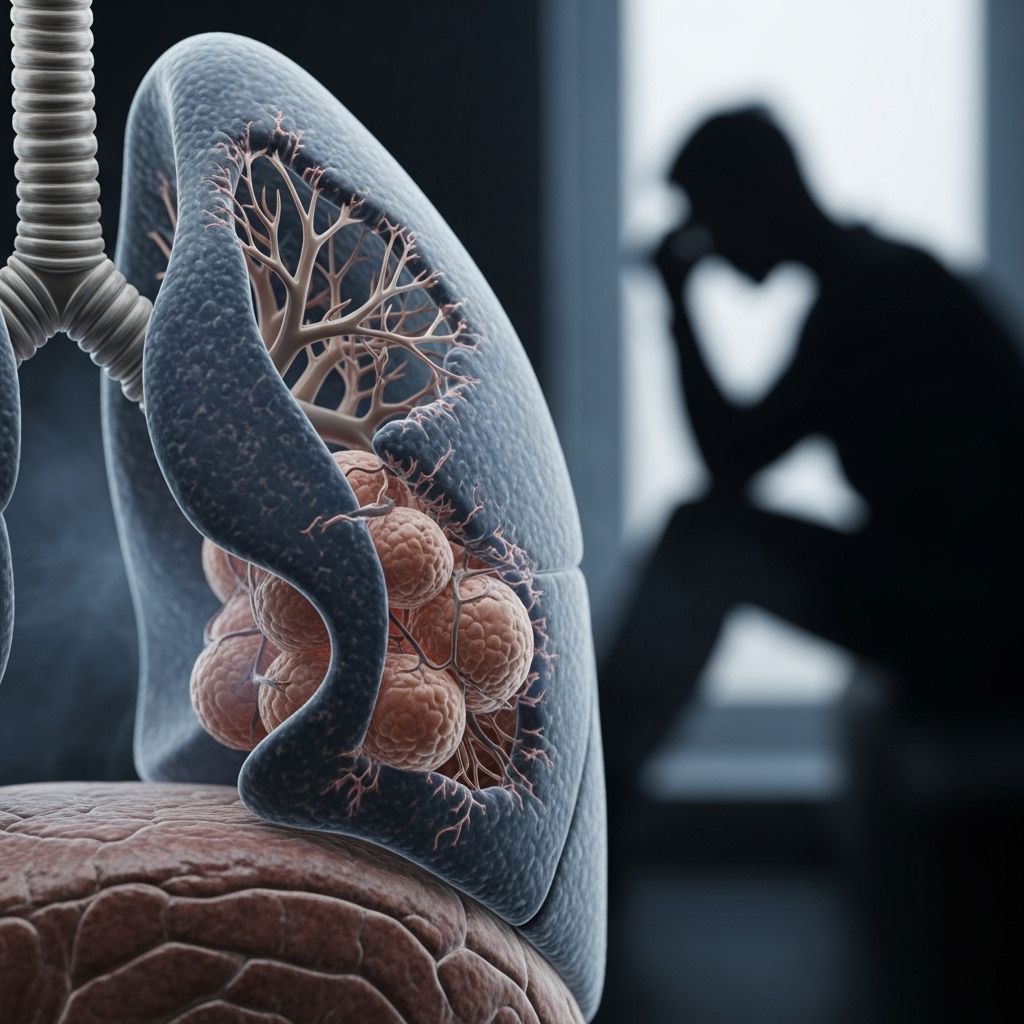
Emphysema
Emphysema is a chronic lung condition marked by progressive damage to the alveoli, or air sacs, in the lungs. This disease is part of a group called chronic obstructive pulmonary disease (COPD) and leads to increasing difficulty in breathing, reduced oxygen supply, and decreased quality of life.
Understanding emphysema is important for early recognition, better symptom management, and improved quality of life for those affected.
What is Emphysema?
Emphysema is a form of COPD involving structural changes in the lungs characterized by the destruction of the walls of alveoli (air sacs). Over time, the affected air sacs lose their elasticity, become enlarged, and merge into larger air spaces, reducing the surface area available for gas exchange. This leads to trapped air in the lungs and less oxygen reaching the bloodstream .
The progression of emphysema typically happens over years and is often irreversible. While emphysema is a major component of COPD, not all COPD patients have the same degree or type of emphysema.
How the Lungs Work
To understand emphysema, it helps to first understand normal lung function:
- Air is breathed in through the nose or mouth and travels down the trachea into the bronchi, which branch into smaller bronchioles.
- At the end of the bronchioles are clusters of alveoli, tiny air sacs surrounded by delicate capillaries where oxygen enters the blood and carbon dioxide is removed.
- Healthy alveoli expand and contract efficiently, maximizing the body’s ability to transfer oxygen and clear carbon dioxide with each breath.
In emphysema, destruction of the alveoli disrupts this exchange, leading to less oxygenated blood and more difficulty breathing.
Types of Emphysema
Several forms of emphysema are distinguished by the pattern and area of lung tissue damage:
- Centrilobular (Centriacinar) Emphysema – Most common, usually affects upper lobes and central parts of the lung lobules; strongly associated with smoking.
- Panlobular (Panacinar) Emphysema – Affects entire acinus uniformly, more common with alpha-1 antitrypsin deficiency, often in lower lungs.
- Paraseptal (Distal Acinar) Emphysema – Affects distal parts of the acinus, usually near the lung surface; associated with spontaneous pneumothorax in younger people.
Causes and Risk Factors
The primary cause of emphysema is long-term exposure to airborne irritants, especially tobacco smoke. However, other factors can contribute to the development of the disease:
- Cigarette Smoking – Responsible for about 80% of emphysema and COPD cases in the U.S.
- Secondhand Smoke Exposure – Being around others who smoke also increases risk .
- Air Pollution – Long-term exposure to air pollutants, such as dust, chemical fumes, and industrial smoke.
- Genetic Factors – Specifically, deficiency in alpha-1 antitrypsin (AAT) can cause early and severe emphysema, even in nonsmokers.
- Occupational Exposures – Individuals who work around dust, chemical fumes, or gases have an increased risk.
- Age – Most people develop symptoms after age 40.
- Childhood Lung Problems – Poor lung development early in life may increase the risk.
- Gender – Females tend to develop symptoms earlier and with less tobacco exposure than males .
Symptoms
Emphysema progresses slowly, and many people aren’t aware of their condition until it reaches more advanced stages. The classic symptoms include:
- Shortness of breath (dyspnea), especially during physical activity.
- Chronic cough that may produce sputum (mucus).
- Wheezing (a whistling sound when breathing).
- Chest tightness.
- Fatigue and reduced ability to exercise.
- Frequent respiratory infections.
- Barrel-shaped chest due to overinflation of lungs.
- Cyanosis (bluish tinge to lips or fingernails due to low oxygen levels).
Symptoms often start mildly and worsen over time, impacting daily activities and quality of life.
Emphysema vs. Chronic Bronchitis
Emphysema and chronic bronchitis are both forms of COPD. While they often coexist, their primary manifestations are different:
| Emphysema | Chronic Bronchitis | |
|---|---|---|
| Main Problem | Alveolar (air sac) destruction | Inflammation and narrowing of bronchial tubes |
| Main Symptom | Shortness of breath | Chronic productive cough |
| Classic Appearance | Barrel chest, pink complexion (“pink puffers”) | Bluish tinge, swollen ankles (“blue bloaters”) |
| Oxygen Levels | Often normal early; fall with disease progression | Lower oxygen levels earlier in disease |
Most patients have features of both conditions, with one or the other dominating .
Diagnosis
Diagnosing emphysema involves a combination of reviewing symptoms, medical history, physical examination, and specialized lung function testing:
- Medical History and Exam – Doctor reviews symptoms, family history, and risk factors such as smoking and occupational exposures.
- Pulmonary Function Tests (Spirometry) – Measures how much air you can inhale/exhale and how fast; reduced forced expiratory volume (FEV1) is typical in emphysema.
- Imaging – Chest X-ray or computed tomography (CT) scan may show over-expanded lungs or damaged alveoli.
- Oximetry – Measures blood oxygen levels.
- Alpha-1 Antitrypsin Testing – Blood tests can check for genetic deficiency in younger patients or those with family history.
Grades or Stages of Emphysema
The severity of emphysema is classified mainly by spirometry results, usually based on FEV1 (forced expiratory volume in one second) as a percentage of predicted value:
- Grade 1 (Mild): FEV1 > 80% predicted
- Grade 2 (Moderate): FEV1 50–79% predicted
- Grade 3 (Severe): FEV1 30–49% predicted
- Grade 4 (Very severe): FEV1 < 30% predicted
Other factors, such as frequency of exacerbations, symptoms, and reduced oxygen levels, are also considered .
Complications
Emphysema may lead to serious complications, especially as the disease advances:
- Pneumothorax – Collapsed lung due to rupture of fragile alveoli.
- Respiratory Infections – Increased vulnerability to pneumonia and bronchitis.
- Pulmonary Hypertension – High blood pressure in the arteries that supply the lungs.
- Heart Problems – Especially on the right side of the heart (cor pulmonale).
- Weight Loss and Muscle Wasting
Treatment
Although there is no cure for emphysema, a range of strategies can help relieve symptoms, slow disease progression, and improve quality of life:
- Quitting Smoking – The single most important step to slow disease progression and reduce symptoms .
- Medications –
- Bronchodilators to relax the muscles around airways and make breathing easier.
- Inhaled corticosteroids to reduce airway inflammation.
- Combination inhalers (long-acting bronchodilators and steroids).
- Phosphodiesterase-4 inhibitors for severe cases.
- Antibiotics for respiratory infections.
- Oxygen Therapy – Used in advanced cases with low blood oxygen levels.
- Pulmonary Rehabilitation – Structured exercise, education, and support programs to improve stamina and daily functioning.
- Vaccinations – Flu and pneumonia vaccines are recommended to prevent infections.
- Nutritional Support – Healthy diet to maintain weight and muscle mass.
- Surgical Options (for select patients) –
- Lung volume reduction surgery (removal of diseased lung tissue to alleviate symptoms).
- Lung transplantation (rare, for advanced cases not controlled by other treatments).
Guidelines for Emphysema Management
Several professional organizations publish guidelines for treating emphysema, including:
- The Global Initiative for Chronic Obstructive Lung Disease (GOLD)
- U.S. Department of Veterans Affairs/Department of Defense (VA/DoD)
- American Thoracic Society
Living with Emphysema
Managing emphysema is about symptom control, avoiding triggers, and optimizing overall health.
- Quit Smoking immediately to slow progression and reduce symptoms.
- Avoid Air Pollutants and irritants whenever possible.
- Exercise Regularly within taught safe limits to improve endurance and overall health.
- Rest as needed and pace yourself during activities.
- Practice Breathing Techniques such as pursed-lip breathing to reduce breathlessness.
- Eat Well to maintain strength and energy.
- Seek Emotional Support if you struggle with anxiety or depression; joining support groups may help.
Patients should partner with their healthcare team to monitor symptoms and adjust treatment as needed.
Prognosis
Emphysema is a chronic, progressive disease—with appropriate treatment and lifestyle changes, symptoms can be managed and the decline in lung function slowed. However, emphysema cannot be reversed, and the lung damage is typically permanent. Early diagnosis and adherence to treatment plans are key to improved quality of life and reduced complications .
Prevention
While not all cases can be prevented, several steps can substantially reduce the risk:
- Avoid Smoking: Do not start, or quit as soon as possible.
- Avoid Secondhand Smoke: Stay away from smoke-filled environments.
- Reduce Exposure to Air Pollutants and workplace irritants (use protective gear when necessary).
- Get Vaccinated: Annual flu and pneumonia vaccines to prevent respiratory infections.
- Promptly Treat Respiratory Infections to prevent further lung damage.
Frequently Asked Questions (FAQs)
What is the difference between emphysema and COPD?
Emphysema is one of the main types of chronic obstructive pulmonary disease (COPD). COPD refers to a group of lung diseases—including chronic bronchitis and emphysema—that cause blocked airflow and breathing problems. Not all people with COPD have emphysema, but most people with emphysema fall under the umbrella of COPD .
Is emphysema reversible?
No, emphysema causes permanent damage to lung tissues. While the progression of the disease can be slowed and symptoms managed, the lost alveolar function cannot be restored .
How is emphysema diagnosed?
Diagnosis involves your medical history, physical exam, imaging tests (chest X-ray or CT scan), and lung function tests (particularly spirometry), sometimes along with blood tests for alpha-1 antitrypsin deficiency.
Can nonsmokers develop emphysema?
Yes. Although smoking is the main cause, nonsmokers can develop emphysema due to genetic factors (e.g., alpha-1 antitrypsin deficiency), secondhand smoke exposure, air pollution, or occupational hazards.
Can people with emphysema exercise?
Yes, with their doctor’s approval, people with emphysema are encouraged to participate in regular, supervised exercise such as walking or pulmonary rehabilitation programs. Exercise improves stamina and can help overall well-being, but should always follow medical advice.
When should I seek medical help for breathing problems?
You should call your doctor if you experience worsening shortness of breath, increased cough, fever, chest pain, or if breathing becomes much harder than usual. Seek emergency help if you have severe difficulty breathing, confusion, or blue lips/fingernails.
Additional Resources
For more information and support:
- American Lung Association
- National Heart, Lung, and Blood Institute (NHLBI)
- Global Initiative for Chronic Obstructive Lung Disease (GOLD)
- MedlinePlus
Similar Articles





Read full bio of medha deb