Five Common Causes of Hip Pain in Women: A Complete Guide
Understanding the unique causes of hip pain in women and finding relief
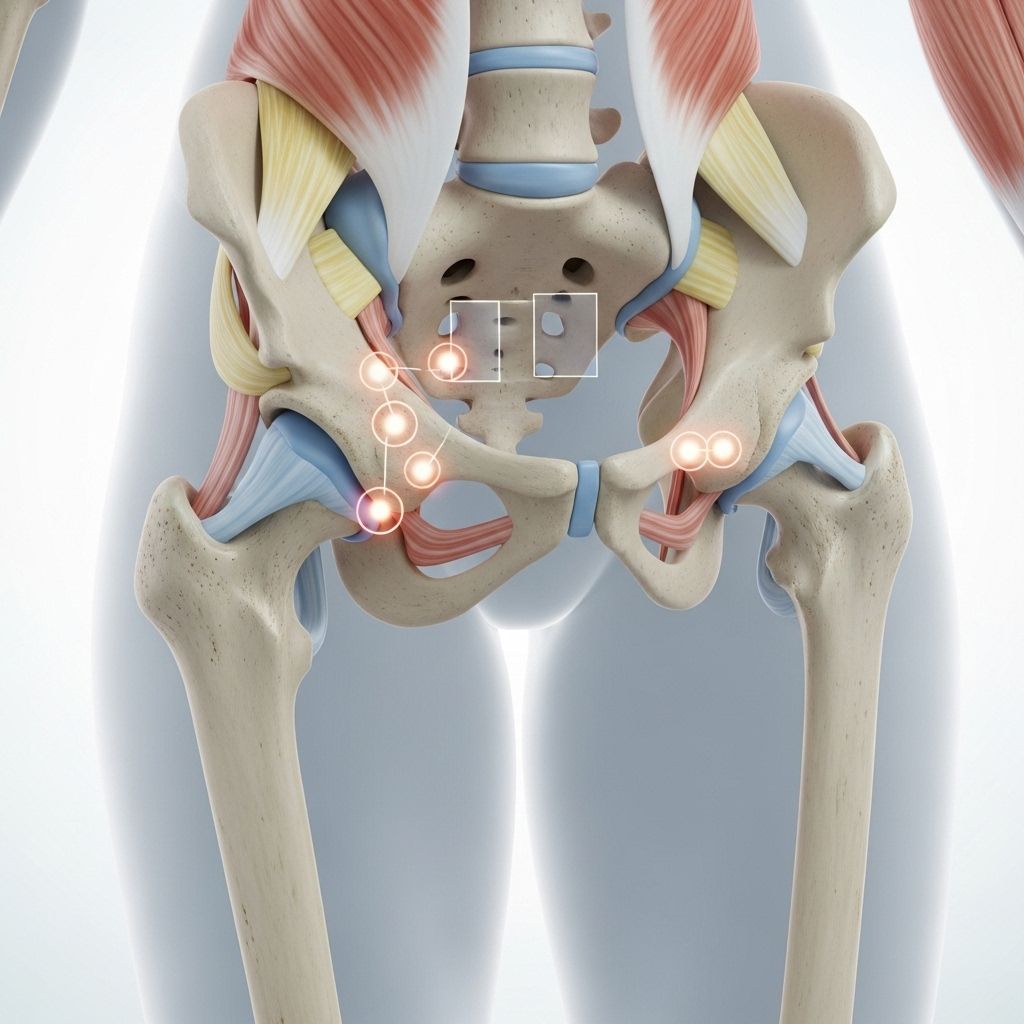
Hip pain is a prevalent complaint among women, affecting daily activities and overall quality of life. While both men and women experience hip discomfort, women face unique challenges due to anatomical differences, hormonal fluctuations, and specific health conditions. Understanding the root causes of hip pain is essential for effective treatment and long-term relief. This comprehensive guide explores the five most common causes of hip pain in women and provides insights into diagnosis and treatment options.
Why Women Experience Hip Pain Differently
Women are statistically more likely to experience hip pain than men, and the reasons extend beyond simple anatomical differences. The female pelvis is wider to accommodate childbirth, which affects hip joint mechanics and weight distribution. Additionally, hormonal changes throughout a woman’s life—from menstrual cycles to pregnancy and menopause—significantly impact joint health and stability.
The location and nature of hip pain can also differ between sexes. While men typically experience pain in the front of the hip or groin area, women often report pain radiating from the back, upper thigh, or buttock region. Women are more prone to socket-related issues, where the acetabulum may be too shallow or deep, leading to instability and discomfort. These fundamental differences underscore the importance of gender-specific approaches to diagnosis and treatment.
Hip Arthritis: The Leading Cause of Chronic Hip Pain
Arthritis stands as the most common cause of chronic hip pain in women, particularly osteoarthritis. This degenerative condition develops when the protective cartilage cushioning the hip joint gradually wears away over time. As the cartilage deteriorates, bones begin to rub against each other, causing inflammation, stiffness, and persistent pain that can severely impact mobility and quality of life.
Hip osteoarthritis doesn’t develop overnight. The condition typically progresses gradually, often beginning with mild discomfort after physical activity and eventually advancing to constant pain that interferes with daily tasks. Simple movements like walking, climbing stairs, or even sitting for extended periods can become challenging and painful.
The Role of Hormones in Hip Arthritis
Women face a unique vulnerability to hip arthritis due to hormonal factors. Research has established a clear connection between hormone levels and joint health. During the menstrual cycle, fluctuating hormone levels can increase joint laxity, making the hip joint less stable and more susceptible to injury and wear. This cyclical instability, repeated over years, contributes to cartilage degradation.
The relationship between estrogen and joint health becomes even more critical during menopause. As estrogen levels drop significantly, women experience accelerated cartilage loss and increased inflammation in the joints. This hormonal shift explains why many women develop osteoarthritis or experience worsening symptoms after menopause. The protective effects of estrogen on cartilage and bone density become evident in its absence.
Risk Factors and Early Development
Several factors increase the likelihood of developing hip arthritis. Some women are born with structural abnormalities in the hip joint that predispose them to early arthritis development. Previous injuries, even those sustained years earlier, can alter hip alignment and create uneven weight distribution that accelerates joint degeneration. The natural aging process remains the primary risk factor, as decades of weight-bearing activity take their toll on hip cartilage.
Hip Fractures: A Serious Concern for Older Women
Hip fractures represent a significant health concern for women, particularly those over 65. These fractures occur when the upper part of the femur breaks, typically resulting from falls or direct trauma to the hip. Unlike younger individuals whose bones can withstand considerable force, older women with decreased bone density face substantially higher fracture risk from relatively minor incidents.
The symptoms of a hip fracture are typically unmistakable. Severe pain in the hip or groin area makes weight-bearing impossible, and the affected leg may appear shorter or turned outward. The toes on the injured side often point outward unnaturally, a distinctive sign that alerts healthcare providers to potential fracture. Immediate medical attention is crucial, as hip fractures can lead to serious complications if left untreated.
Osteoporosis and Bone Health
The primary culprit behind increased hip fracture risk in women is osteoporosis, a condition characterized by decreased bone density and structural deterioration. After menopause, the dramatic decline in estrogen levels accelerates bone loss, making bones thinner, weaker, and more brittle. This process, known as bone resorption, occurs faster than new bone formation, creating a deficit in bone mass.
Women naturally have smaller, thinner bones than men, starting them at a disadvantage. Combined with pregnancy-related calcium depletion and postmenopausal estrogen loss, women lose bone density at a much faster rate. By age 70, many women have lost a significant percentage of their peak bone mass, dramatically increasing fracture susceptibility. Prevention through adequate calcium intake, vitamin D supplementation, weight-bearing exercise, and bone density monitoring becomes essential for maintaining hip health.
Tendonitis and Overuse Injuries
Tendonitis occurs when the tendons connecting muscles to the hip joint become inflamed, typically from repetitive motion or overuse. Women who engage in regular physical activity, particularly running, cycling, or dance, face increased risk of developing hip tendonitis. The condition causes sharp or burning pain around the hip that worsens with movement and may improve with rest.
Iliotibial Band Syndrome
The most common form of tendonitis affecting women is iliotibial band syndrome, frequently abbreviated as ITBS. The iliotibial band is a thick strip of connective tissue running along the outside of the thigh from the hip to the knee. When this band becomes tight or inflamed, it causes pain on the outer hip and thigh, particularly during activities involving repetitive leg movement.
Women are anatomically predisposed to ITBS due to their wider pelvic structure. The broader pelvis creates a more acute angle where the iliotibial band passes over the hip joint, increasing friction and irritation during movement. Runners, cyclists, and athletes who perform repetitive lateral movements experience this condition most frequently. The pain typically starts as a dull ache that progressively intensifies with continued activity, sometimes becoming sharp and debilitating.
Bursitis: Inflammation of Fluid-Filled Sacs
Closely related to tendonitis is bursitis, inflammation of the small fluid-filled sacs (bursae) that cushion the hip joint. These sacs reduce friction between bones, tendons, and muscles. When they become inflamed from overuse, direct trauma, or prolonged pressure, they cause significant hip pain. Trochanteric bursitis, affecting the outer hip, is particularly common in women and causes pain when lying on the affected side, climbing stairs, or standing from a seated position.
Structural Abnormalities and Hip Dysplasia
Some women are born with or develop structural issues that affect hip joint function and cause pain. Hip dysplasia, a condition where the hip socket doesn’t fully cover the ball portion of the femur, ranks among the most significant structural causes of hip pain. This misalignment allows the joint to become partially or completely dislocated, creating instability and accelerating cartilage wear.
Hip dysplasia may be present from birth (congenital) or develop during childhood growth periods. Many women with mild dysplasia remain asymptomatic until adulthood when accumulated joint stress manifests as pain. The condition disproportionately affects women and can lead to early-onset osteoarthritis if left untreated. Pain from hip dysplasia typically occurs in the groin area and worsens with activity, particularly movements that stress the joint like running or prolonged standing.
Labral Tears
The labrum is a ring of cartilage surrounding the hip socket that provides stability and cushioning. Tears in this structure can occur from acute trauma, repetitive motion, or underlying structural abnormalities like hip dysplasia. Women with labral tears often describe a catching or clicking sensation in the hip, along with deep groin pain that worsens with hip flexion or rotation. The pain may be accompanied by stiffness and limited range of motion, making everyday activities challenging.
Gynecological and Pelvic Conditions
Women face unique challenges in diagnosing hip pain because several gynecological and pelvic conditions can mimic or contribute to hip discomfort. The proximity of reproductive organs to the hip joint means that pain originating in the pelvis may be perceived as hip pain, complicating diagnosis and treatment.
Endometriosis
Endometriosis occurs when tissue similar to the uterine lining grows outside the uterus, causing inflammation and pain. When this tissue develops near the hip joint, sciatic nerve, or pelvic sidewall, it can cause pain that radiates to the hip, buttock, and lower back. The cyclical nature of endometriosis pain, often intensifying during menstruation, provides an important diagnostic clue. However, the condition’s ability to affect nerves and surrounding structures means hip pain may be constant rather than cyclical.
Pelvic Floor Dysfunction
The pelvic floor muscles support the bladder, uterus, and rectum while contributing to hip stability. Weakness, tension, or dysfunction in these muscles can create referred pain in the hip region. Women who have experienced pregnancy, childbirth, or pelvic surgery are particularly susceptible to pelvic floor issues. The pain often accompanies other symptoms like urinary urgency, pelvic pressure, or discomfort during intercourse, helping differentiate it from true hip joint problems.
Hernias
Inguinal hernias, though more common in men, do occur in women and can cause groin and hip pain. A hernia develops when internal tissue pushes through a weak spot in the abdominal wall, creating a bulge and causing discomfort that may be mistaken for hip pain. Women are also susceptible to femoral hernias, which occur in the upper thigh near the hip crease. The pain typically worsens with physical activity, coughing, or straining.
Sciatica and Referred Pain from the Spine
Not all hip pain originates in the hip joint itself. Sciatica, caused by compression or irritation of the sciatic nerve in the lower spine, frequently causes pain that radiates down through the buttock and hip. Women may experience sharp, shooting pain, numbness, or tingling that travels from the lower back through the hip and down the leg. The pain often worsens with sitting, standing from a seated position, or certain movements that increase spinal pressure.
Other spinal conditions like herniated discs, spinal stenosis, or degenerative disc disease can also refer pain to the hip region. The complex network of nerves in the lower spine means that problems in this area often manifest as hip discomfort, making proper diagnosis essential for effective treatment.
Diagnosis: Identifying the Source of Hip Pain
Accurate diagnosis is crucial for effective hip pain treatment. Healthcare providers begin with a comprehensive medical history, asking detailed questions about pain location, intensity, duration, and triggers. They inquire about previous injuries, family history of joint problems, menstrual history, and overall health status. This information helps narrow down potential causes and guides the physical examination.
During the physical examination, doctors assess hip range of motion, muscle strength, and joint stability. They palpate the hip area to identify tender points and perform specific tests to evaluate different structures. Gait analysis reveals how hip pain affects walking patterns, while leg length measurements can identify asymmetries that contribute to joint stress.
Imaging studies provide crucial information about bone and soft tissue structures. X-rays reveal bone abnormalities, arthritis, and fractures. MRI scans offer detailed views of cartilage, ligaments, tendons, and muscles, making them invaluable for diagnosing soft tissue injuries and structural problems. CT scans may be ordered when complex bone abnormalities are suspected. In some cases, diagnostic injections containing anesthetic are used to determine if pain originates from specific structures within or around the hip joint.
Treatment Options for Hip Pain
Treatment strategies for hip pain vary based on the underlying cause, severity, and individual patient factors. Most healthcare providers adopt a conservative approach initially, reserving surgical interventions for cases that don’t respond to non-invasive treatments.
Conservative Treatments
Rest and Activity Modification: Reducing activities that aggravate hip pain allows inflammation to subside and tissues to heal. This doesn’t mean complete inactivity; rather, it involves avoiding movements that trigger pain while maintaining gentle, pain-free activity.
Physical Therapy: A structured physical therapy program addresses muscle imbalances, improves flexibility, and strengthens muscles supporting the hip joint. Therapists teach proper movement patterns and provide exercises targeting specific problem areas. Manual therapy techniques can reduce muscle tension and improve joint mobility.
Medications: Over-the-counter nonsteroidal anti-inflammatory drugs (NSAIDs) like ibuprofen or naproxen reduce pain and inflammation. For more severe pain, doctors may prescribe stronger pain medications or corticosteroid injections directly into the hip joint.
Heat and Ice Therapy: Ice reduces acute inflammation and pain, particularly after injury or intense activity. Heat therapy relaxes muscles, increases blood flow, and provides relief from chronic stiffness and discomfort.
Surgical Interventions
When conservative treatments fail to provide adequate relief, surgical options may be considered. Hip arthroscopy uses small incisions and a camera to diagnose and treat various hip conditions, including labral tears and cartilage damage. This minimally invasive procedure offers faster recovery than traditional open surgery.
Hip resurfacing preserves more natural bone than total hip replacement, capping the femoral head with a metal covering and placing a matching cup in the socket. Total hip replacement becomes necessary when severe arthritis or structural damage has destroyed the joint. Modern prosthetic joints provide excellent pain relief and restored function, with many lasting 20 years or more.
For fractures, surgical repair typically involves metal plates, screws, or rods to stabilize the bone while it heals. In severe fractures affecting the femoral head or neck, partial or total hip replacement may be necessary.
Prevention Strategies
While not all causes of hip pain are preventable, several strategies can reduce risk and maintain hip health throughout life. Maintaining a healthy weight reduces stress on hip joints, as excess body weight accelerates cartilage wear and increases fracture risk. Regular exercise strengthening core, hip, and leg muscles provides crucial joint support and stability.
Ensuring adequate calcium and vitamin D intake through diet and supplements supports bone health, particularly important for postmenopausal women. Weight-bearing exercises like walking, dancing, or resistance training stimulate bone formation and help maintain density. Proper posture and body mechanics during daily activities minimize abnormal stress on hip joints.
Women should address any structural abnormalities or gait issues early, as these can lead to accelerated joint wear. Wearing appropriate footwear with good support and avoiding high heels for extended periods protects hip alignment. Finally, listening to your body and addressing pain early, before it becomes chronic, allows for more effective treatment and better long-term outcomes.
Frequently Asked Questions
Q: At what age do women typically start experiencing hip pain?
A: While hip pain can occur at any age, women most commonly begin experiencing significant hip issues in their 40s and 50s, coinciding with hormonal changes and cumulative joint wear. However, younger women involved in high-impact sports or those with structural abnormalities may experience problems earlier.
Q: Can hormonal birth control affect hip pain?
A: Yes, hormonal contraceptives can influence joint laxity and potentially affect hip pain. Some women report increased joint discomfort when hormone levels fluctuate. However, the relationship is complex and varies individually. Discuss any concerns with your healthcare provider.
Q: How long does it take for hip pain to improve with treatment?
A: Recovery time depends on the underlying cause and treatment approach. Minor strains may improve within a few weeks with rest and physical therapy, while arthritis requires ongoing management. Post-surgical recovery from hip replacement typically takes 3-6 months for full functional recovery.
Q: Is walking good or bad for hip pain?
A: Walking is generally beneficial for hip health when done correctly and without excessive pain. It maintains joint mobility, strengthens supporting muscles, and promotes circulation. However, if walking causes significant pain, shorter distances with proper rest periods are advisable until the underlying cause is addressed.
Q: Can hip pain affect pregnancy?
A: Pregnancy commonly causes hip pain due to hormonal changes, weight gain, and altered posture. Pre-existing hip conditions may worsen during pregnancy. Most pregnancy-related hip pain resolves after delivery, but persistent issues should be evaluated by a healthcare provider.
Q: When should I see a doctor for hip pain?
A: Seek medical attention if hip pain persists beyond a few weeks, significantly limits daily activities, occurs with fever or redness, follows an injury, or is accompanied by sudden leg weakness or numbness. Severe, sudden hip pain requires immediate medical evaluation to rule out fracture or serious injury.
Q: Are there specific exercises that help prevent hip pain?
A: Yes, exercises targeting hip flexors, glutes, and core muscles are particularly beneficial. These include clamshells, bridges, hip abduction exercises, and gentle stretching. A physical therapist can design a personalized program based on your specific needs and risk factors.
Conclusion
Hip pain in women stems from diverse causes, each requiring specific approaches to diagnosis and treatment. From arthritis and fractures to structural abnormalities and gynecological conditions, understanding these common causes empowers women to seek appropriate care and find lasting relief. The unique anatomical and hormonal factors affecting women necessitate specialized attention to hip health throughout life. By recognizing symptoms early, pursuing proper diagnosis, and following comprehensive treatment plans, women can maintain hip function, reduce pain, and preserve their quality of life. Whether through conservative management or surgical intervention, effective solutions exist for virtually every cause of hip pain. Don’t ignore persistent hip discomfort—consult with a healthcare provider to identify the underlying cause and begin your journey toward improved hip health and restored mobility.
Similar Articles




Read full bio of medha deb