Fluticasone Nasal Spray: Side Effects and Uses
Understanding Fluticasone Nasal Spray: Its Use, Side Effects, and Precautions.
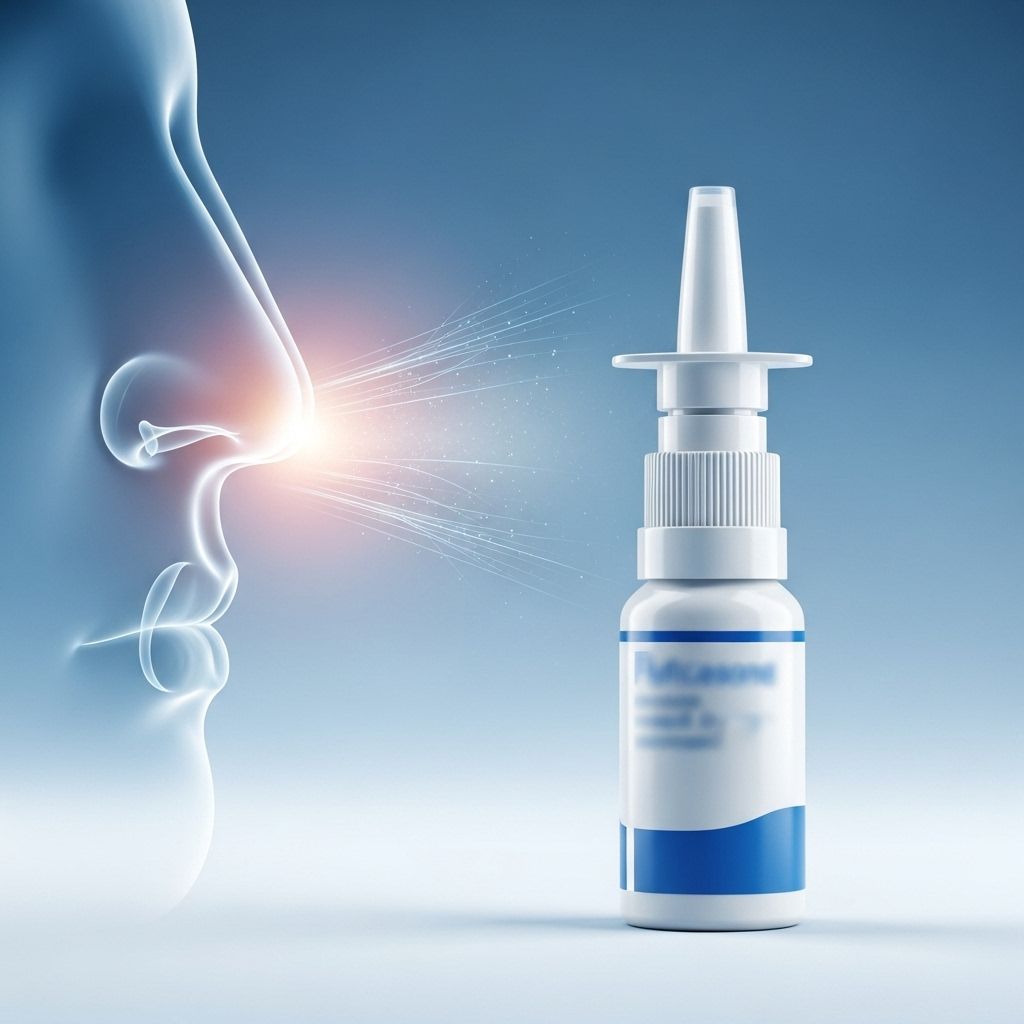
Introduction to Fluticasone Nasal Spray
Fluticasone nasal spray is a steroid medication used to treat allergic rhinitis and other nasal conditions. It reduces swelling and congestion in the nasal passages, providing relief from symptoms such as sneezing, runny or itchy nose, and nasal congestion. The medication is available in various forms, including Flonase and other generic versions.
Common Side Effects of Fluticasone Nasal Spray
Like all medications, fluticasone nasal spray can cause several side effects. Here are some of the most common ones:
- Sneezing or stinging in the nose: This is temporary and usually occurs immediately after use.
- Headache: Mild to moderate headaches can occur but are generally not severe.
- Nosebleeds: These are relatively common but usually mild.
- Dry or irritated nose or throat: This can cause discomfort but is manageable.
- Change in sense of taste or smell: Some users may experience a temporary change in taste or smell.
- Unpleasant taste or smell: Temporary alteration in taste or smell can occur.
- Hoarse voice: This is a rare but possible side effect.
Managing Common Side Effects
Most common side effects are mild and temporary. Here are some tips to manage them:
- Unpleasant taste or smell: Rinse your mouth with water or have a drink.
- Dry or sore nose/throat: Stop using the spray for a few days and then restart. Consult your doctor if symptoms persist.
- Headache: Rest and drink plenty of fluids. Avoid excessive alcohol consumption.
- Hoarse voice: Rinse your mouth with water or brush your teeth after use.
Serious Side Effects of Fluticasone Nasal Spray
While rare, fluticasone nasal spray can cause serious side effects. These require immediate medical attention:
- Problems with breathing: If you experience difficulty breathing or wheezing.
- Dental problems or sores inside the nose: If you notice ulcers or perforation in the nasal septum.
- Changes in eyesight: Blurred vision or cloudy lens could indicate glaucoma or cataracts.
- Serious allergic reactions: Swelling, rash, or difficulty swallowing.
- Slowed growth in children: Long-term use may impact growth in children.
Precautions and Special Considerations
Fluticasone nasal spray requires certain precautions:
- Use in children: Children under 18 years old should use the spray under adult supervision. Monitor growth if used for extended periods.
- Eye problems: Monitor for glaucoma or cataracts, especially with prolonged use.
- Adrenal gland issues: In rare cases, especially with high doses or concurrent use of other steroids, adrenal insufficiency can occur.
Frequently Asked Questions (FAQs)
Q: How do I use fluticasone nasal spray?
A: Follow the instructions provided by your doctor or pharmacist. Typically, you use one spray per nostril once or twice daily.
Q: Can I use fluticasone if I have a cold?
A: While fluticasone is not specifically for colds, it can help with nasal congestion. However, consult your health provider if you have a severe cold or concerns.
Q: Can children use fluticasone nasal spray?
A: Yes, children can use it, but they should be monitored for growth effects with prolonged use, especially for children under 18.
Q: What if I experience severe side effects?
A: If you experience serious side effects like difficulty breathing, severe allergic reactions, or eye problems, seek immediate medical attention.
Similar Articles








Read full bio of Sneha Tete