Foods High in Purines: What to Avoid With Gout
Learn which foods are high in purines, why they matter for gout, and how smart dietary choices can help you manage symptoms effectively.
Gout is a form of arthritis that develops when uric acid builds up in the bloodstream and forms crystals in the joints, leading to sudden and severe pain, swelling, and redness. One of the major contributors to elevated uric acid is dietary purine intake. Knowing which foods are high in purines is essential for anyone managing gout or hoping to prevent flare-ups. This comprehensive guide will explore which foods are high in purines, why purines matter, what foods to avoid, and how to make smart choices for a gout-friendly diet.
Understanding Purines and Gout
Purines are naturally occurring compounds found in cells. They are a component of DNA and RNA, as well as various foods. When your body breaks down purines, it produces uric acid. Normally, uric acid dissolves in the blood, travels to the kidneys, and is excreted in urine. However, excessive purine intake or poor uric acid elimination can cause uric acid to accumulate and crystallize, triggering gout attacks.
Why Is a Low-Purine Diet Important for Gout?
For people with gout, maintaining low uric acid levels is crucial to prevent painful attacks. Although genetics and other factors play a role, limiting foods high in purines is considered one of the quickest ways to reduce uric acid production, thus lowering the risk of gout flare-ups and joint damage over time.
How Are Foods Classified by Purine Content?
Purine content in foods is usually classified as follows:
- High-purine foods: > 150–200 mg purines per 100 grams
- Moderate-purine foods: 50–150 mg purines per 100 grams
- Low-purine foods: < 50 mg purines per 100 grams
For people with gout, it’s generally recommended to avoid or significantly limit high-purine foods, while consuming moderate-purine foods cautiously and emphasizing low-purine options.
Foods Highest in Purines: What to Avoid With Gout
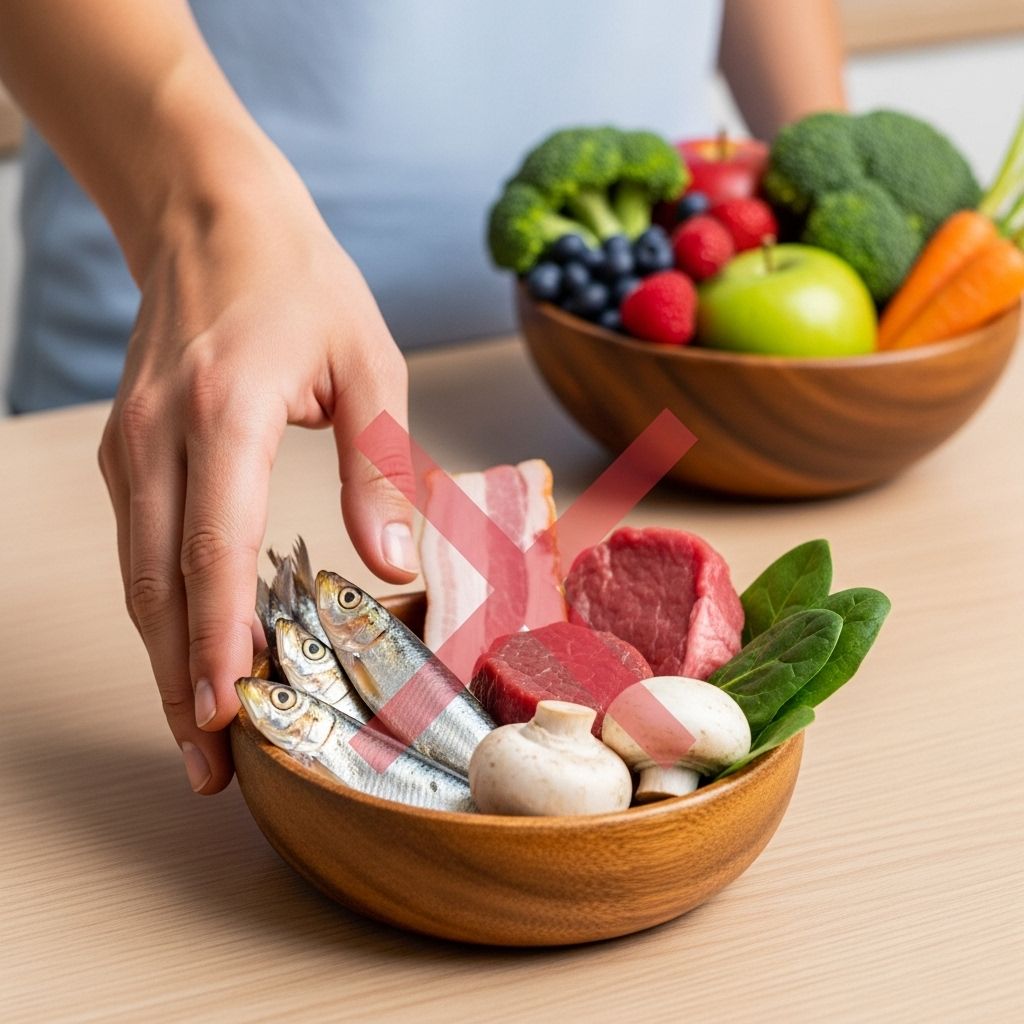
The following foods are known for their high purine content. Reducing or eliminating them from your diet can greatly benefit your gout management strategy:
1. Organ Meats
- Liver (especially beef, pork, or chicken liver)
- Kidneys
- Sweetbreads
- Brains
Organ meats generally contain over 400 mg of purines per 100 grams and are among the foods most strongly linked to gout flare-ups.
2. Certain Seafood and Fish
Some seafood varieties are notoriously high in purines, including:
- Anchovies
- Sardines
- Mackerel
- Herring
- Shellfish (like mussels, scallops, and oysters)
These fish and shellfish types can contain from 150 to over 400 mg of purines per 100 grams. The risk is especially pronounced for anchovies and sardines.
3. Red Meat and Game Meat
- Beef
- Lamb
- Pork
- Venison
- Goose and duck
While not quite as high in purines as organ meats, regular intake of these meats can contribute to increased uric acid levels.
4. Processed Meats
- Sausages
- Pepperoni
- Hot dogs
- Bologna
Processed meats often combine red meat and organ parts, contributing to a higher purine load and additional unhealthy fats and preservatives.
5. Certain Fish (Moderate to High Purine Levels)
- Tuna
- Trout
- Cod
- Salmon
These fish are lower in purines than sardines or anchovies but still require moderation, especially during an acute gout attack. Salmon is often considered one of the safer options, but overconsumption can still pose a risk.
6. Alcoholic Beverages (Particularly Beer and Liquor)
- Beer
- Whiskey
- Vodka
- Rum
Alcohol, especially beer, is high in purines derived from yeast, and it also impairs your body’s ability to excrete uric acid. Studies show that regular beer consumption is tied to increased gout attacks. Wine is less problematic than beer but should still be consumed sparingly.
7. Foods and Beverages With Added Sugars
- Sugar-sweetened sodas and soft drinks
- Fruit juices (especially from concentrate)
- Processed foods with high-fructose corn syrup
While not always high in purines, foods rich in fructose can stimulate uric acid production in the body, elevating gout risk. Soft drinks containing high-fructose corn syrup are particularly problematic for those prone to gout.
Moderate Purine Foods: Eat With Caution
Some foods fall into the moderate purine range. They aren’t as risky as those listed above, but should be enjoyed thoughtfully:
- Poultry (like chicken and turkey)
- Lean beef and pork cuts
- Certain seafood: crab, lobster, shrimp
- Legumes (beans, lentils, chickpeas)
- Spinach, cauliflower, asparagus, and mushrooms
- Oats and oat-based cereals
Note: While certain vegetables like spinach and mushrooms are moderately rich in purines, research shows that vegetable-derived purines have a much lower risk for gout than those from animal sources.
Low Purine Foods: Gout-Friendly Choices
Most fruits, grains, and vegetables are low in purines and are excellent choices for people managing gout. Examples include:
- Fresh fruits (cherries, berries, apples, grapes, oranges, and pears)
- Most vegetables (except those listed above under moderate purine foods)
- Low-fat and nonfat dairy products (milk, yogurt, cheese)
- Whole grains (brown rice, whole wheat bread, barley)
- Eggs
- Nuts and nut butters (peanut butter, almond butter)
- Potatoes and starchy vegetables
Cherries have shown particular promise in studies for reducing gout attacks thanks to their anti-inflammatory and uric acid-lowering properties.
Purine Content Table: Common Foods
| Food Item | Purine Content (mg/100g) | Purine Category |
|---|---|---|
| Beef liver | 300–400 | High |
| Anchovies | 350–400 | High |
| Sardines | 300–400 | High |
| Mussels | 150–250 | High |
| Beef | 100–150 | Moderate |
| Lentils | 50–75 | Moderate |
| Asparagus | 50–70 | Moderate |
| Low-fat dairy | 0–15 | Low |
| Rice | 0–20 | Low |
| Cherries | 0–15 | Low |
Tips for Managing Your Diet With Gout
- Hydrate regularly: Drink at least 8 to 12 cups of water daily to help flush out uric acid from your system.
- Limit alcohol and sweetened drinks: Both contribute to uric acid buildup and dehydration.
- Emphasize low-fat dairy: Studies indicate that low-fat or nonfat dairy can help lower uric acid levels.
- Maintain a healthy weight: Excess weight increases uric acid production, so gradual weight loss can help manage gout symptoms.
- Choose whole foods: Focus on minimally processed foods rich in vitamins and minerals.
- Limit serving sizes of moderate purine foods: Enjoy beans or lean meat in moderation, paired with ample low-purine vegetables and whole grains.
- Consult your healthcare provider: Work with your doctor or a registered dietitian for tailored advice, especially if you have complicating health issues.
Frequently Asked Questions (FAQs) About Purines and Gout
Q: Can eating vegetables high in purines cause gout attacks?
A: While certain vegetables, such as spinach and mushrooms, contain moderate purines, research shows that plant-based purines are much less likely to cause gout attacks than animal-based purines. These vegetables are generally safe for most gout patients and can be included as part of a balanced diet.
Q: Is seafood always off-limits for gout sufferers?
A: Not all seafood is equally problematic. High-purine seafood like anchovies, sardines, and herring should be avoided. Shellfish and moderate-purine fish like salmon can be eaten sparingly, depending on your individual tolerance and doctor’s recommendations.
Q: Does consuming low-fat dairy really help with gout?
A: Yes. Low-fat and non-fat dairy products have been shown to lower uric acid levels and reduce the risk of gout attacks. Including these in your daily diet can be beneficial for managing gout.
Q: How does alcohol affect gout?
A: Alcohol, particularly beer and spirits, increases uric acid production and impairs its excretion, raising the risk of gout flare-ups. Beer contains both alcohol and high levels of purines, making it especially risky for those with gout. Limiting or avoiding alcohol can help prevent attacks.
Q: Can weight loss help with gout?
A: Absolutely. Gradual, steady weight loss helps lower uric acid levels and reduces the stress on your joints. Crash or rapid weight loss, however, can have the opposite effect and should be avoided.
Conclusion: Smart Diet Choices for Gout Relief
Living with gout doesn’t mean you have to give up all your favorite foods, but it does call for thoughtful choices. Focus on limiting high-purine foods such as organ meats, certain seafoods, red meats, and alcoholic beverages. Emphasize low-purine options like low-fat dairy, most fruits and vegetables, whole grains, and water. By understanding purines and using the information above, you can enjoy a more varied, balanced diet while significantly reducing your risk of painful gout attacks. Always consult your healthcare provider for personalized advice and regular gout management checkups.
Similar Articles






Read full bio of Sneha Tete