Gout Remedies That Work: Effective Relief Strategies
Discover proven remedies and treatments to manage gout pain effectively
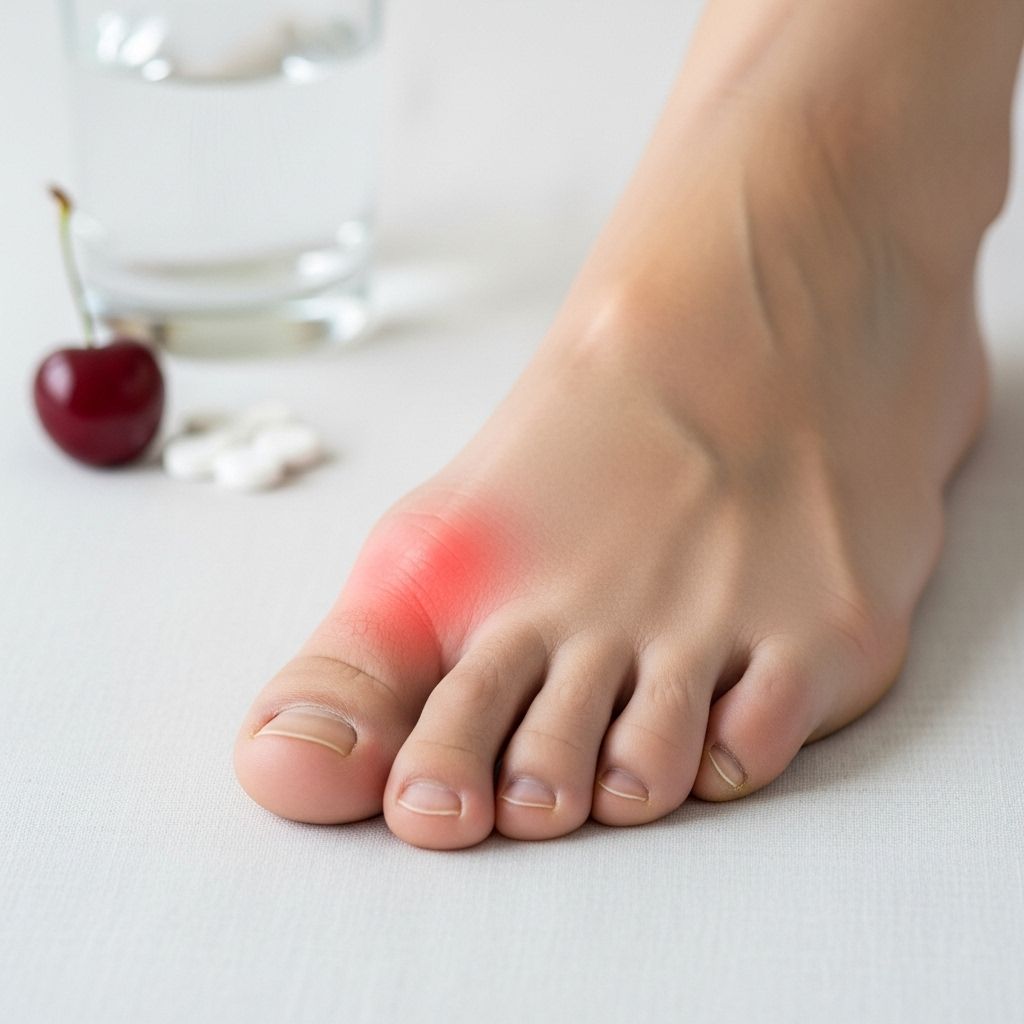
Gout is one of the most painful forms of arthritis, characterized by sudden, severe attacks of pain, swelling, redness, and tenderness in the joints, often affecting the big toe. This condition results from elevated levels of uric acid in the blood, which can form sharp, needle-like crystals in joints and surrounding tissues. While gout can be debilitating, numerous remedies have proven effective in managing symptoms and preventing future attacks. Understanding which treatments work and how to implement them can significantly improve quality of life for those suffering from this condition.
Understanding Gout and Its Triggers
Before exploring remedies, it’s essential to understand what causes gout. The condition occurs when uric acid accumulates in the bloodstream, a condition called hyperuricemia. Uric acid is produced when the body breaks down purines, substances found naturally in the body and in certain foods. Normally, uric acid dissolves in the blood and passes through the kidneys into urine. However, when the body produces too much uric acid or the kidneys excrete too little, crystals can form in joints, causing inflammation and intense pain.
Several factors can trigger gout attacks, including consuming purine-rich foods, excessive alcohol consumption, dehydration, certain medications, stress, and sudden illness or injury. Recognizing these triggers is the first step toward managing the condition effectively. Many people experience their first gout attack without warning, but subsequent attacks often follow identifiable patterns related to diet, lifestyle, or medication changes.
Medication-Based Remedies for Gout
Medical treatments remain the cornerstone of effective gout management, with two primary categories of medications available. The first category focuses on treating acute gout attacks by reducing inflammation and pain, while the second works to prevent future attacks by lowering uric acid levels in the blood.
Nonsteroidal Anti-Inflammatory Drugs (NSAIDs)
NSAIDs are often the first line of defense against gout pain and inflammation. These medications work by blocking the production of prostaglandins, chemicals in the body that cause inflammation, pain, and fever. Over-the-counter options like ibuprofen and naproxen sodium can be effective for mild to moderate gout attacks when taken at the first sign of symptoms. For more severe attacks, prescription-strength NSAIDs such as indomethacin or celecoxib may be necessary.
The effectiveness of NSAIDs is well-documented, with many patients experiencing significant pain relief within hours of taking the medication. However, these drugs come with potential side effects, including stomach irritation, bleeding, ulcers, and cardiovascular risks, particularly with long-term use. People with kidney disease, heart problems, or a history of stomach ulcers should consult their healthcare provider before using NSAIDs regularly.
Colchicine for Acute Attacks
Colchicine is an anti-inflammatory medication specifically effective for gout pain. Unlike NSAIDs, colchicine works by interfering with the way white blood cells respond to uric acid crystals, thereby reducing inflammation. This medication is most effective when taken within the first 12 to 24 hours of a gout attack, though it can still provide relief when taken later.
The primary drawback of colchicine is its gastrointestinal side effects, which can include nausea, vomiting, and diarrhea. These effects can be dose-dependent, and modern dosing strategies have reduced their frequency. Lower doses taken at the onset of symptoms often prove just as effective as higher doses while causing fewer side effects. Some patients take low-dose colchicine regularly to prevent future attacks, particularly during the initial months of uric acid-lowering therapy.
Corticosteroids for Inflammation Control
Corticosteroids represent another effective option for managing gout inflammation and pain, particularly for patients who cannot take NSAIDs or colchicine due to contraindications or side effects. These powerful anti-inflammatory medications can be administered orally as pills like prednisone or injected directly into the affected joint for rapid relief.
Corticosteroid injections can provide dramatic pain relief within hours and are especially useful for gout affecting a single joint. Oral corticosteroids work well for polyarticular gout, where multiple joints are affected simultaneously. While highly effective, corticosteroids should be used cautiously due to potential side effects including mood changes, increased blood sugar levels, elevated blood pressure, and weakened bones with long-term use. These medications are typically reserved for short-term use during acute attacks.
Uric Acid-Lowering Medications
For individuals experiencing frequent gout attacks or those with complications like tophi (deposits of uric acid crystals under the skin) or kidney stones, long-term uric acid-lowering therapy becomes essential. These medications work preventively by maintaining uric acid levels below the threshold where crystals form.
Xanthine Oxidase Inhibitors
Medications like allopurinol and febuxostat block the enzyme xanthine oxidase, which is responsible for producing uric acid in the body. By inhibiting this enzyme, these drugs reduce the amount of uric acid the body produces. Allopurinol is the most commonly prescribed uric acid-lowering medication and has decades of safety and efficacy data supporting its use. Most patients tolerate it well, though some may experience side effects like rash, fever, or in rare cases, serious allergic reactions.
Febuxostat offers an alternative for patients who cannot tolerate allopurinol or have kidney impairment that limits allopurinol dosing. However, recent studies have raised concerns about potential cardiovascular risks with febuxostat, leading to recommendations that it be reserved for patients who have failed or cannot take allopurinol. Regular monitoring of uric acid levels helps ensure these medications maintain target levels below 6 mg/dL, the point at which uric acid crystals begin to dissolve.
Uricosuric Agents
Uricosuric medications like probenecid work differently by helping the kidneys excrete more uric acid into the urine. These drugs are particularly useful for patients who under-excrete uric acid, which accounts for the majority of gout cases. Probenecid can be effective as monotherapy or combined with xanthine oxidase inhibitors for patients who need additional uric acid lowering.
The main limitation of uricosuric agents is that they require adequate kidney function to work effectively and can increase the risk of kidney stones, especially in the initial treatment phases. Patients taking these medications should drink plenty of fluids to dilute their urine and reduce stone formation risk. Side effects may include rash, stomach upset, and kidney stones, though these occur relatively infrequently with proper monitoring and hydration.
Dietary Modifications That Work
Diet plays a crucial role in managing gout, as certain foods can either trigger attacks or help prevent them. While dietary changes alone rarely control gout completely, they can significantly reduce attack frequency and severity when combined with medication.
Limiting High-Purine Foods
Since purines break down into uric acid, reducing purine intake can help lower uric acid levels. Foods particularly high in purines include red meat, organ meats like liver and kidneys, and certain types of seafood including anchovies, sardines, mussels, scallops, trout, and tuna. Game meats like venison are also purine-rich. While complete elimination isn’t necessary, moderating portions and frequency of these foods can make a measurable difference.
Interestingly, not all purine-rich foods affect gout equally. Plant-based purines from vegetables, beans, and legumes don’t appear to increase gout risk the same way animal-based purines do. This means vegetarians and those following plant-based diets may have lower gout risk despite consuming purines from plant sources. Low-fat dairy products have been shown to be protective against gout and provide a better protein source for people prone to attacks.
Beverage Choices Matter
What you drink can significantly impact gout risk. Alcoholic beverages, particularly beer and spirits, increase uric acid production and decrease its excretion, making attacks more likely. Beer is especially problematic because it contains both alcohol and purines from brewer’s yeast. While moderate wine consumption appears to have less impact, limiting all alcohol during active gout management is advisable.
Beverages sweetened with high-fructose corn syrup or fruit sugar (fructose) also increase gout risk by raising uric acid production. This includes regular sodas, fruit juices, and many sweetened beverages. Conversely, drinking plenty of water helps dilute uric acid in the blood and urine, promoting its excretion. Coffee consumption has been associated with lower gout risk in several studies, though the mechanism isn’t fully understood. Aim for at least eight glasses of water daily, more during hot weather or physical activity.
Lifestyle Changes for Gout Management
Beyond medication and diet, several lifestyle modifications have proven effective in managing gout and reducing attack frequency.
Weight Management and Exercise
Maintaining a healthy body weight reduces gout risk significantly. Excess body weight is associated with higher uric acid levels and increased attack frequency. However, rapid weight loss through crash dieting can temporarily raise uric acid levels and trigger attacks, so gradual, sustainable weight loss is preferable. Aim for losing one to two pounds per week through a combination of diet and exercise.
Regular physical activity helps with weight management and has additional benefits for joint health and overall wellbeing. Low-impact exercises like walking, swimming, cycling, and water aerobics are ideal because they don’t stress the joints excessively. Exercise also helps reduce inflammation throughout the body and can improve insulin sensitivity, which is often impaired in people with gout. Start slowly if you’re not currently active, and gradually increase duration and intensity to avoid triggering an attack through joint stress or dehydration.
Hydration and Overall Health
Proper hydration cannot be overstated in gout management. Water helps flush uric acid from the body through urine and prevents crystal formation in joints and kidneys. Dehydration is a common gout trigger, so maintaining consistent fluid intake throughout the day is essential. This becomes especially important during illness, hot weather, or increased physical activity when fluid losses increase.
Managing other health conditions also impacts gout control. High blood pressure, diabetes, high cholesterol, and kidney disease often coexist with gout and can complicate its management. Some medications used for these conditions may affect uric acid levels, so working with your healthcare provider to optimize all treatments is important. Low-dose aspirin, commonly used for heart protection, can raise uric acid levels, though the cardiovascular benefits usually outweigh this concern.
Natural and Complementary Remedies
While medical treatments remain most effective, several natural approaches may provide additional relief when used alongside conventional therapies.
Cherry Consumption
Cherries and cherry extract have gained attention for their potential to reduce gout attacks. Some studies suggest that consuming cherries or cherry juice may lower uric acid levels and reduce inflammation. The anthocyanins in cherries have anti-inflammatory properties that might explain these effects. While the evidence isn’t conclusive enough to replace medication, incorporating cherries into your diet appears safe and may provide modest benefits.
Vitamin C Supplementation
Some research indicates that vitamin C may help lower uric acid levels by increasing its excretion through the kidneys. Supplementation with 500 to 1,000 mg of vitamin C daily might provide modest uric acid-lowering effects. However, this should complement rather than replace uric acid-lowering medications when they’re needed. Discuss vitamin C supplementation with your healthcare provider, especially if you have kidney stones or kidney disease.
Cold Therapy During Attacks
Applying ice or cold packs to the affected joint during an acute attack can provide temporary pain relief by reducing inflammation and numbing the area. Use ice for 15 to 20 minutes several times daily, always protecting the skin with a cloth barrier. Elevating the affected joint and resting it during attacks also helps reduce pain and swelling.
When to See a Healthcare Provider
While many gout remedies can be implemented independently, professional medical guidance is essential for optimal management. Seek medical attention if you experience sudden, intense joint pain, especially if accompanied by fever, as this could indicate infection. Regular follow-up with a healthcare provider is important for monitoring uric acid levels, adjusting medications, and preventing complications.
A rheumatologist specializing in arthritis and gout can provide expert guidance for complex cases or when initial treatments prove insufficient. Don’t hesitate to seek help if gout is significantly impacting your quality of life or if you’re experiencing frequent attacks despite treatment. Modern gout management is highly effective when properly implemented, and most patients can achieve excellent control with the right combination of medications and lifestyle modifications.
Frequently Asked Questions About Gout Remedies
Q: How quickly do gout medications work?
A: NSAIDs and colchicine typically provide pain relief within 12 to 24 hours when taken at the first sign of an attack. Corticosteroids may work even faster, sometimes within hours. However, uric acid-lowering medications work gradually over weeks to months to prevent future attacks rather than treating acute symptoms.
Q: Can I stop taking gout medication once my symptoms improve?
A: No, stopping uric acid-lowering medication once symptoms improve often leads to recurring attacks. These medications work preventively and typically need to be taken long-term to maintain uric acid levels below the threshold where crystals form. Always consult your healthcare provider before stopping any medication.
Q: Are there foods that can help prevent gout attacks?
A: Yes, low-fat dairy products, cherries, coffee, and foods rich in vitamin C may help reduce gout risk. Drinking plenty of water is also crucial. However, dietary changes alone rarely control gout completely and work best when combined with medication if prescribed.
Q: Why do gout attacks sometimes occur when starting uric acid-lowering medication?
A: When uric acid levels drop rapidly, existing crystals in joints can shift or partially dissolve, temporarily triggering inflammation. This paradoxical effect is why doctors often prescribe low-dose colchicine or NSAIDs during the first several months of uric acid-lowering therapy to prevent these attacks.
Q: Can gout be cured completely?
A: While gout cannot be “cured” in the traditional sense, it can be managed so effectively that attacks become extremely rare or disappear entirely. Maintaining uric acid levels below 6 mg/dL through medication and lifestyle changes can dissolve existing crystals and prevent new ones from forming, essentially putting gout into remission.
Q: Is it safe to exercise during a gout attack?
A: No, you should rest the affected joint during an acute gout attack. Exercising through the pain can worsen inflammation and prolong recovery. Once the attack subsides and pain resolves, gradually return to your normal activity level. Regular exercise between attacks is beneficial for overall gout management.
Q: Do natural remedies work as well as prescription medications?
A: Natural remedies like cherry consumption and vitamin C supplementation may provide modest benefits but typically cannot control gout as effectively as prescription medications, especially for frequent or severe attacks. They work best as complementary approaches alongside conventional medical treatment rather than replacements for it.
Creating Your Personal Gout Management Plan
Effective gout management requires a personalized approach that considers your symptoms, attack frequency, uric acid levels, other health conditions, and lifestyle factors. Work with your healthcare provider to develop a comprehensive plan that includes appropriate medications, dietary modifications, and lifestyle changes tailored to your specific situation.
Keep a journal tracking your attacks, potential triggers, foods consumed, and medications taken. This information helps identify patterns and optimize your treatment plan. Remember that gout management is a long-term commitment, but with the right remedies and consistent implementation, most people can achieve excellent control and maintain a high quality of life free from debilitating attacks.
The remedies that work best combine evidence-based medical treatments with sensible lifestyle modifications. While no single approach works for everyone, the comprehensive strategies outlined here have helped countless people successfully manage their gout and prevent future attacks. Don’t settle for suffering through painful attacks when effective remedies are available—take action today to regain control over your health and wellbeing.
Similar Articles






Read full bio of medha deb