Gout: Symptoms, Causes, Diagnosis, and Management
Understand the symptoms, causes, and treatment options for gout and discover strategies to reduce your risk of future attacks.
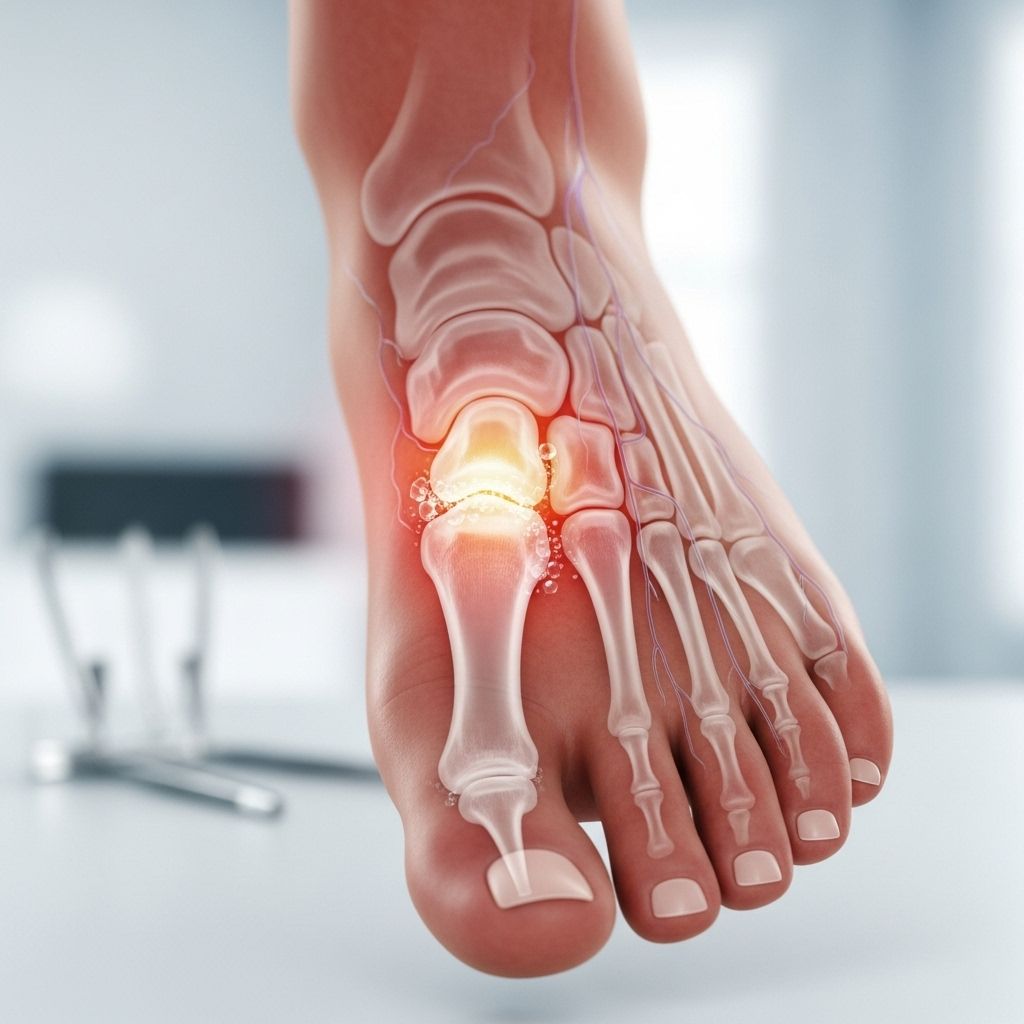
Gout is a prevalent form of arthritis which causes sudden and intense pain, swelling, and redness in the joints. Gout attacks can be extremely debilitating, but with the right management and lifestyle changes they can be controlled and future episodes can be prevented. This guide examines what gout is, its causes, symptoms, diagnostic strategies, available treatments, and advice for long-term management and prevention.
What is Gout?
Gout is a type of arthritis characterized by sudden, severe episodes of joint pain. These flares are caused by the accumulation of uric acid crystals in the joints. Uric acid is a normal waste product in the blood, which usually passes out in the urine. When levels become too high, sharp crystals can form in the joints, causing pain and swelling.
Gout most commonly affects the big toe, but can also occur in any joint, including the ankles, knees, elbows, wrists, and fingers.
Symptoms of Gout
- Sudden, severe joint pain – often overnight
- Swelling and redness at the affected joint
- Tenderness (the joint may be extremely sensitive to touch)
- Warmth in the joint
- Limited mobility due to pain and swelling
Gout attacks usually last between 3 and 10 days, although some cases can persist longer. After symptoms subside, some residual discomfort may continue for a few weeks. The skin around the joint can sometimes peel and itch as it recovers.
Who Gets Gout?
Anyone can develop gout, though certain factors increase risk:
- Gender: Men are more likely to develop gout than women.
- Age: The likelihood increases with age, commonly affecting people over 40.
- Genetic factors: Family history can contribute to risk.
Gout is estimated to affect more than 2% of the UK population.
Causes of Gout
- High levels of uric acid in the blood (hyperuricaemia)
- Obesity or being overweight
- Excessive alcohol consumption, especially beer and spirits
- Diets high in purine-rich foods (such as red meat and seafood)
- Dehydration
- Certain underlying conditions (such as chronic kidney disease or metabolic syndrome)
- Medication use (especially diuretics)
| Risk Factor | Description |
|---|---|
| Obesity | Higher body weight increases uric acid production and reduces its elimination |
| Alcohol Intake | Alcohol, particularly beer and spirits, can raise uric acid levels |
| Purine-rich Diet | Red meats, organ meats, and seafood elevate uric acid |
| Dehydration | Reduces kidney function and uric acid removal |
| Medication | Diuretics and certain blood pressure medicines can increase susceptibility |
Diagnosis of Gout
It is important to see a GP or doctor if you have sudden joint pain. Diagnosis typically involves:
- Detailed medical history and symptom review
- Physical examination of affected joint(s)
- Blood tests to measure uric acid levels
- Joint fluid analysis (using a thin needle to withdraw fluid for examination)
- Imaging studies may be used if diagnosis remains unclear
The GP may ask about your diet, alcohol intake, family history, and any co-existing health conditions to help identify causes and contributing factors.
Treatments for Gout
Treatment is aimed at relieving pain during attacks, preventing future attacks, and lowering uric acid levels if necessary.
Treatment During Gout Attacks
- Non-steroidal anti-inflammatory drugs (NSAIDs) – such as ibuprofen, to reduce pain and inflammation
- Colchicine – an alternative for those unable to tolerate NSAIDs
- Steroids – prescribed as tablets or injected directly into the joint if other medicines are ineffective
Painkillers and anti-inflammatory medication are effective at easing pain and swelling. Early treatment can shorten the duration and severity of the attack.
Treatment to Prevent Future Gout Attacks
Some people may experience gout attacks once every few months, while others may have long symptom-free periods. Interventions to prevent recurrence include:
- Uric acid-lowering medications – These are recommended if attacks are frequent or uric acid levels remain high. Common medications include:
- Allopurinol – usually started at a low dose (e.g., 50–100 mg/day) and titrated to reach target uric acid levels.
- Febuxostat – for people intolerant to allopurinol
- Regular blood tests to monitor uric acid levels and adjust medication as needed
Important: Uric acid-lowering medicines should be taken regularly, even when there are no symptoms, to help prevent further attacks. This is often a lifelong treatment for those with chronic or recurrent gout.
Lifestyle Changes to Manage and Prevent Gout
Management of gout goes beyond medication. Evidence shows that:
- Maintaining a healthy body weight can reduce gout risk and severity
- Reducing alcohol intake (especially beer and spirits) is beneficial
- Avoiding or limiting purine-rich foods such as red meat and shellfish can help
- Staying hydrated aids in uric acid excretion
- Following a balanced diet – while no specific diet has been proven to prevent gout, healthy, varied nutrition is recommended
- Regular exercise is encouraged
People with gout are advised to avoid crash diets and very low-calorie diets, as these can precipitate attacks. Milk, eggs, and vegetables are all considered good choices for those managing gout.
Quick Tips for Managing Gout
- Lose excess weight but avoid fad diets
- Replace sugary drinks and alcohol with water
- Opt for lean meats, low-fat dairy, and plant-based proteins
- Exercise regularly to maintain joint health and weight
- Take prescribed medications as directed
Complications of Gout
Repeated or untreated gout attacks can lead to chronic joint damage and other issues:
- Formation of tophi – hard uric acid deposits under the skin
- Permanent joint damage, stiffness, and loss of function
- Kidney stones due to uric acid accumulation in the urinary tract
- Increased risk of cardiovascular diseases
When to Seek Medical Advice
- If you experience sudden, severe joint pain
- If pain and swelling do not improve with over-the-counter medication
- If attacks are becoming more frequent
- If you notice lumps (tophi) forming under the skin
Prompt medical attention can help prevent long-term damage and ensure effective management.
Frequently Asked Questions (FAQs)
Q: Is gout curable?
A: Gout is not curable, but attacks can be effectively managed and prevented with medication and lifestyle changes. Most people live well by following medical advice and maintaining healthy habits.
Q: What causes gout?
A: Gout is caused by high levels of uric acid in the blood, which leads to crystal deposits in the joints. Contributing factors include genetics, obesity, certain diets, alcohol use, and some medications.
Q: Can diet alone manage gout?
A: While no specific diet guarantees the prevention of gout attacks, adopting a healthy and balanced diet, staying hydrated, and avoiding excessive alcohol and purine-rich foods can reduce risk and help manage symptoms.
Q: Should I take medication every day even if I feel fine?
A: Yes. Uric acid-lowering medications should be taken regularly as prescribed, even when you are symptom-free. Skipping doses can cause uric acid levels to rise and potentially trigger new attacks.
Q: Can gout affect more than one joint at a time?
A: Yes, while the big toe is commonly affected, gout can occur in other joints such as ankles, knees, elbows, wrists, and fingers, and sometimes several joints at once.
Summary Table: Gout Management at a Glance
| Aspect | Details | Action Steps |
|---|---|---|
| Symptoms | Sudden joint pain, redness, swelling | See GP for assessment |
| Diagnosis | Blood tests, joint aspiration, imaging | Follow-up for confirmation |
| Acute Treatment | NSAIDs, colchicine, steroids | Initiate early during attack |
| Long-Term Prevention | Uric acid-lowering medication, lifestyle changes | Regular medication, weight control, hydration |
| Advice | Balanced diet, avoid alcohol and purine-rich foods | Seek dietary guidance |
Key Points to Remember
- Gout is a common form of arthritis that needs medical assessment and management.
- It is triggered by uric acid crystal formation in the joints, causing acute pain and swelling.
- Treatment involves pain relief during flares and uric acid-lowering therapy for prevention.
- Lifestyle changes including healthy diet, weight loss, hydration, and reduced alcohol consumption are important to prevent and manage gout.
- Lifelong management may be needed for some individuals, particularly those with recurrent attacks.
- Consult with your GP regularly and follow their advice for medications and lifestyle adjustments.
Frequently Asked Questions (FAQs)
Q: How is gout diagnosed?
A: Gout is diagnosed through a combination of medical history, physical examination, blood tests for uric acid, and sometimes joint fluid analysis.
Q: Who is most at risk for gout?
A: Men over age 40, people who consume excessive alcohol, are overweight, have certain medical conditions, or a family history of gout are at increased risk.
Q: Can long-term gout cause permanent joint damage?
A: Yes, untreated or chronic gout can lead to joint damage, tophi formation, and diminished joint mobility.
Q: Are there any foods that should be completely avoided?
A: It’s best to limit high-purine foods such as red meats, organ meats, and shellfish as they can raise uric acid levels, but total avoidance is not necessary for most people.
Q: Is it safe to exercise during a gout attack?
A: Gentle movement may help, but rest the affected joint during acute pain. Regular exercise is important for long-term health and prevention.
Similar Articles





Read full bio of medha deb