Gout: Understanding Symptoms, Causes, Treatment, and Prevention
Learn about gout, its causes, key symptoms, diagnosis, treatment strategies, prevention, and living with this chronic condition.
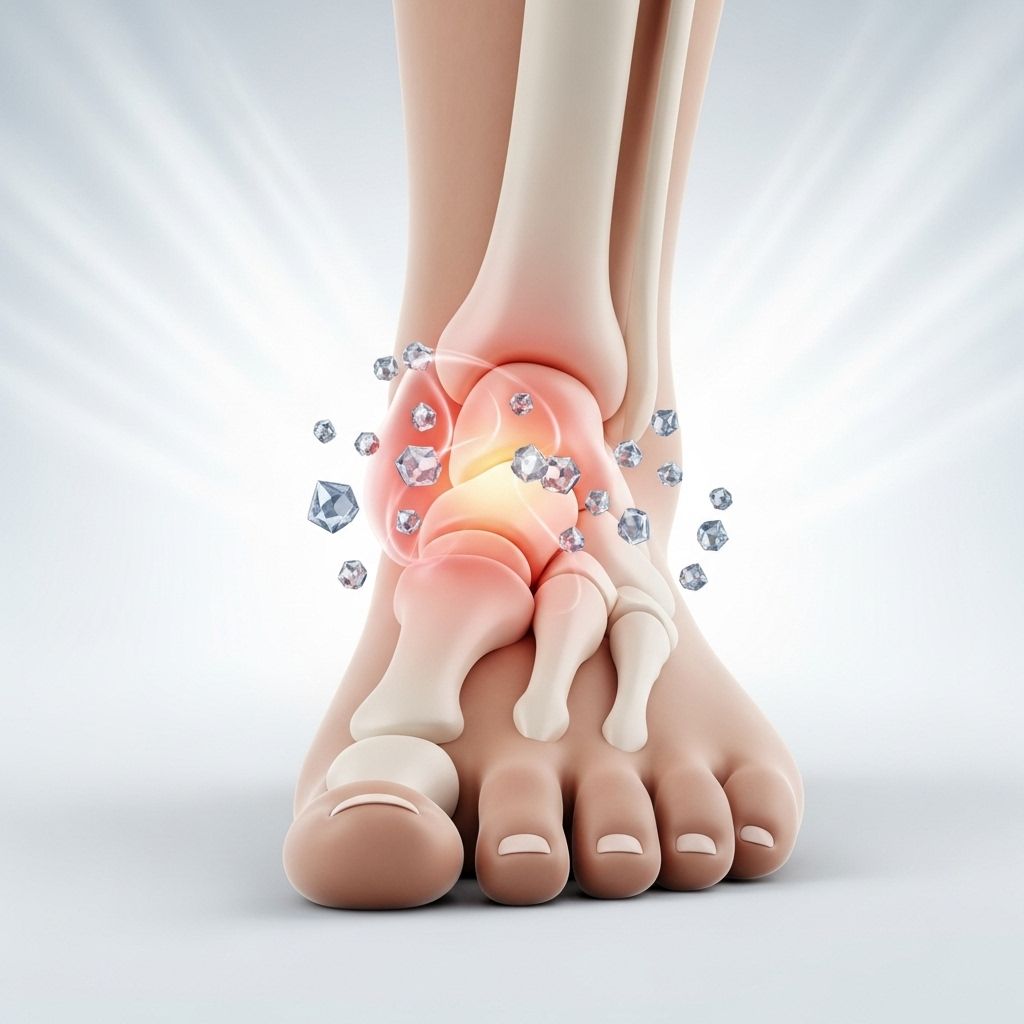
What is Gout?
Gout is a type of inflammatory arthritis characterized by sudden, severe episodes of pain, swelling, redness, and tenderness in the joints. These attacks are often most intense in the big toe but can affect ankles, knees, elbows, wrists, and fingers. Gout is caused by elevated levels of uric acid in the blood, which leads to the formation of sharp, needle-like crystals in joints and surrounding tissues, triggering intense inflammation and pain.
Gout can be a chronic relapsing disease for some individuals, while others may experience only a few attacks in their lifetime. Chronic gout may result in visible uric acid deposits (called tophi), joint destruction, and deformity.
Signs and Symptoms of Gout
- Severe joint pain: Often starting suddenly, usually at night, commonly affecting the big toe.
- Swelling: The affected joint becomes noticeably swollen and firm.
- Redness and warmth: The skin over the joint may appear red and feel hot to the touch.
- Tenderness: Even light pressure on the affected area can be unbearable.
- Impaired mobility: Joint movement may be limited due to pain and swelling.
While gout often targets the feet (big toe, ankles), other joints such as knees, elbows, wrists, and fingers may also be involved. Attacks can last days to weeks and usually resolve with treatment.
Between attacks, some people experience no symptoms, while others may have lingering discomfort or chronic joint problems if gout is uncontrolled.
Chronic tophaceous gout manifests as persistent inflammation, visible tophi (uric acid deposits under the skin), and progressive joint destruction.
Causes and Risk Factors for Gout
Gout is primarily caused by elevated uric acid levels (hyperuricemia) in the blood, which can occur due to excess production or reduced excretion by the kidneys. Not all individuals with high uric acid develop gout, but higher concentrations increase risk.
Common risk factors include:
- Genetics: Family history increases risk.
- Dietary factors: High intake of purine-rich foods (red meat, shellfish), sugary drinks, and alcohol (especially beer) can raise uric acid.
- Obesity: Increases uric acid production and reduces excretion.
- Medical conditions: Hypertension, diabetes, metabolic syndrome, kidney disease.
- Medications: Diuretics, low-dose aspirin, certain immunosuppressants.
- Male gender: Men are more likely to develop gout, often starting in their 30s–50s; women typically get gout after menopause.
- Dehydration and crash dieting: Can trigger acute attacks.
- Recent illness or infection: Stress on the body can precipitate flares.
Phases of Gout
- Asymptomatic hyperuricemia: High uric acid levels without joint symptoms—no treatment is recommended unless clinical signs appear.
- Acute gout attack: Sudden, severe pain and inflammation in one or more joints.
- Intercritical gout: Symptom-free periods between attacks.
- Chronic tophaceous gout: Persistent inflammation, joint damage, and formation of tophi.
Diagnosis of Gout
A definitive diagnosis requires identifying uric acid crystals in joint fluid or tophaceous deposits. The diagnostic process usually involves:
- Joint aspiration (arthrocentesis): A needle draws fluid from a swollen joint; under polarized light, needle-shaped negatively-birefringent uric acid crystals can be seen.
- Examination for tophi: Hard, uric acid deposits under the skin—often around joints, the ear (pinna), or bursa.
- Blood tests: Measure uric acid levels; elevated values support diagnosis but are not diagnostic by themselves (some people with normal levels have gout attacks, and some with hyperuricemia never develop gout).
- Imaging: X-rays may show joint erosions or damage, especially in long-standing or severe cases.
It is crucial to distinguish gout from other causes of joint inflammation such as infection (septic arthritis), which may look similar. Arthrocentesis and fluid culture help rule out infection. Both conditions can coexist, so joint fluid may be sent for culture even in patients with known gout if they are at risk for infection.
Complications of Untreated Gout
Without effective management, gout may cause:
- Chronic pain and joint stiffness
- Joint destruction and deformity
- Tophi formation: Large deposits in joints, bursae, or ear causing visible lumps and local tissue damage
- Kidney stones: Uric acid can crystallize in the kidneys, leading to stone formation and possible kidney damage
Treatment Approaches for Gout
The goals of gout treatment are:
- Relieve acute symptoms
- Prevent future attacks
- Lower uric acid levels to prevent joint damage and tophi formation
Medications for Acute Gout Attacks
| Medication | Mechanism | Common Uses | Important Notes |
|---|---|---|---|
| NSAIDs (Ibuprofen, Indomethacin) | Reduce inflammation and pain | Most effective when started early in attack | Discontinue when symptoms resolve; avoid if kidney/liver issues or peptic ulcers; may interact with other drugs |
| Colchicine | Blocks inflammatory response to uric acid crystals | Used at lower doses due to GI side effects | Oral form preferred; combine with NSAIDs for better tolerance; intravenous use risks toxicity |
| Corticosteroids (Oral or Intra-articular) | Suppress immune-mediated inflammation | Useful when NSAIDs contraindicated; for single or multiple joints affected | Usually tapered over 10–14 days; intra-articular injections for few joints; systemic steroids for widespread involvement |
The choice of medication depends on the patient’s medical history, kidney or liver function, tolerance for side effects, and severity or extent of the attack. During an acute attack, do not begin uric acid-lowering medication unless patient is already on it; continue current therapy if already started.
Managing Chronic Gout and Preventing Flares
In addition to treating attacks, long-term strategies focus on lowering uric acid and preventing recurrence:
- Urate-lowering therapy: Medications like allopurinol, febuxostat, or probenecid may be prescribed for recurrent attacks, chronic tophaceous gout, or when complications develop.
- Routine checks: Monitor uric acid levels, kidney function, and side effects.
- Preventive medications: Low-dose colchicine or NSAIDs may be used during the initial months of urate-lowering therapy to prevent acute flares.
Current guidelines advise against starting urate-lowering therapy in most patients after a first gout attack or in those with infrequent attacks. Decisions should consider benefit versus harm, costs, patient preferences, and concomitant prophylaxis.
Lifestyle and Diet Recommendations
Lifestyle changes play an essential role in preventing gout flares and managing chronic disease.
- Maintain a healthy body weight; weight loss lowers uric acid levels
- Avoid crash diets, dehydration, and fasting
- Dietary modifications:
- Limit red meat, shellfish, and other purine-rich foods
- Choose low-fat dairy and plant-based proteins
- Reduce intake of sugary sodas/drinks and foods containing fructose
- Limit alcohol, especially beer and spirits
- Stay hydrated
- Manage other health conditions such as diabetes, hypertension
Some medications (e.g., diuretics) may increase uric acid, so consult your physician regarding alternatives if you have gout.
Prevention Tips
- Recognize and avoid triggers (diet, alcohol, dehydration)
- Take prescribed medications regularly, including prophylaxis
- Work with your healthcare provider to monitor uric acid levels and kidney function
- Adopt a balanced, sustainable eating pattern
- Stay hydrated with water and avoid excessive sugary or alcoholic beverages
Living With Gout
For those diagnosed with gout, managing this chronic condition requires a comprehensive approach involving medication, regular follow-up, lifestyle changes, and awareness of triggers. Most attacks can be controlled effectively with prompt treatment, and chronic complications may be prevented or reduced with ongoing management.
Patient education is crucial; understanding gout and its treatment options supports shared decision-making between individuals and their healthcare providers.
Long-term adherence to prevention strategies and treatment is essential for a good quality of life.
Frequently Asked Questions (FAQs) about Gout
Q: Who is most likely to develop gout?
A: Gout is more common in men, especially those aged 30–50, and postmenopausal women. Risk increases with obesity, certain medical conditions, medications, high purine diets, and a family history of gout.
Q: Can gout go away on its own?
A: Acute attacks may resolve within days to weeks, but without treatment and lifestyle changes, gout typically recurs and can become chronic over time.
Q: How is gout different from other types of arthritis?
A: Gout is caused by uric acid crystal deposition, while other forms (e.g., rheumatoid arthritis or osteoarthritis) have different mechanisms. Gout tends to present with sudden, intense pain and dramatic swelling, often in a single joint, and responds to specific medications.
Q: What foods should be avoided to prevent gout?
A: Limit red meat, organ meats, shellfish, sugary drinks, and alcohol (especially beer). Favor low-fat dairy, vegetables, and whole grains for overall health and lower uric acid risk.
Q: Is gout curable?
A: Gout can be very well managed and its complications prevented with appropriate treatment and lifestyle modifications. Medication can reduce uric acid to normal levels and dissolve tophi over time.
Q: Can gout and an infection affect the same joint?
A: Yes, gout and septic (infected) arthritis may sometimes coexist. Arthrocentesis and joint fluid culture are crucial to distinguish or confirm diagnosis.
When to Seek Medical Attention
- If you experience sudden, severe joint pain, swelling, redness, and warmth, especially in the big toe or other joints
- Unexplained ongoing joint pain, stiffness, or swelling
- Development of visible lumps (tophi) near joints or the ear
- Signs of infection such as fever, rapid joint swelling, or severe tenderness with risk factors for infection
Summary Table: Gout Overview
| Key Aspect | Details |
|---|---|
| Nature of Disease | Inflammatory arthritis due to uric acid crystals |
| Main Symptoms | Sudden, severe joint pain, swelling, redness |
| Commonly Affected Joints | Big toe, ankles, knees, elbows, wrists, fingers |
| Primary Cause | Elevated uric acid (hyperuricemia) |
| Diagnosis | Joint fluid analysis, tophi identification, blood tests |
| Treatment | NSAIDs, colchicine, corticosteroids, uric acid-lowering drugs, dietary and lifestyle changes |
| Prevention Tips | Healthy diet, weight management, hydration, avoid known triggers, regular monitoring |
References & Resources
- Johns Hopkins Medicine Arthritis Center
- American College of Physicians clinical guidelines
- Johns Hopkins RheumTV & Gout Education Series
- Arthritis Foundation
Similar Articles





Read full bio of Sneha Tete