Healthy Meals to Manage Exocrine Pancreatic Insufficiency (EPI)
Expert-approved meal planning, practical nutrition tips, and guidance for living well with EPI.
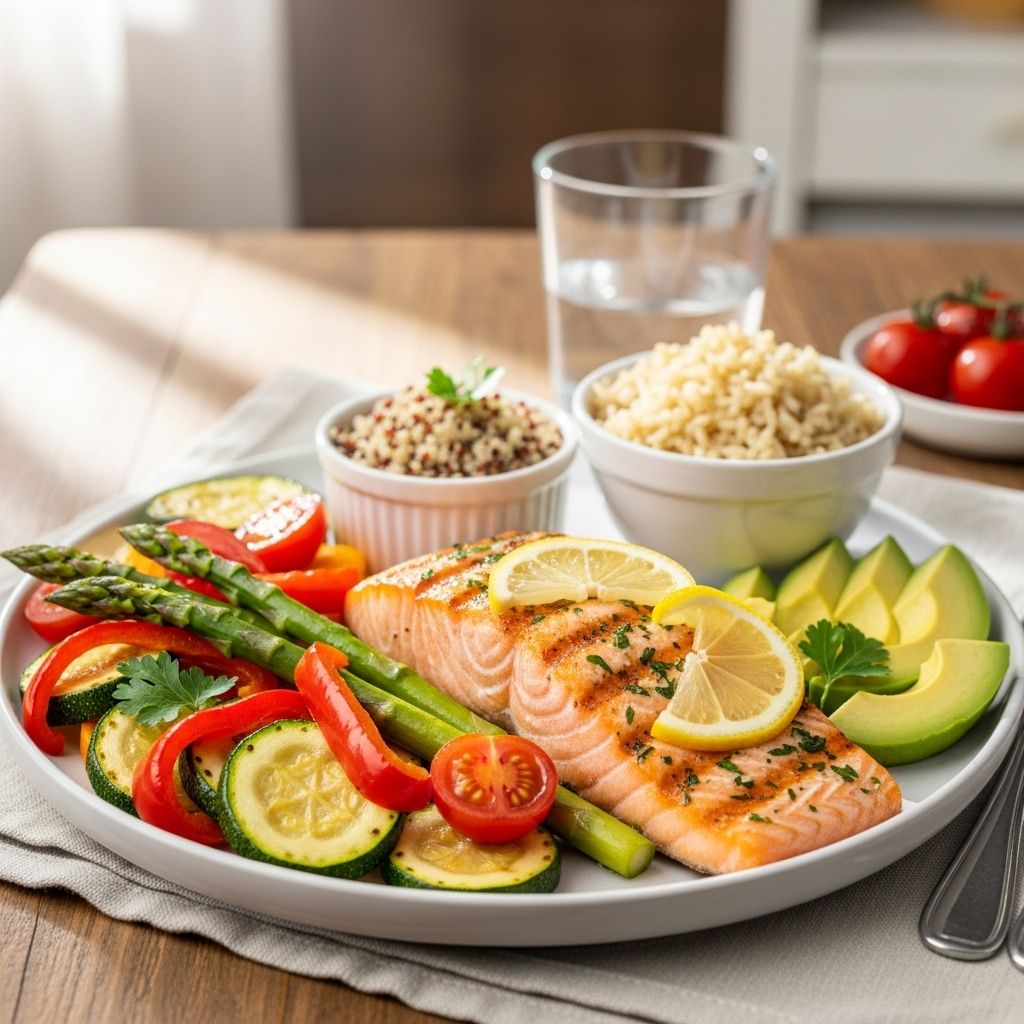
If you live with exocrine pancreatic insufficiency (EPI), what you eat—and how you eat—has a profound effect on your symptoms, nourishment, and overall well-being. Managing EPI goes beyond just restricting certain foods: it requires balanced nutrition, consistent use of pancreatic enzyme therapy, and an understanding of how to fuel your body for optimal health. This guide will walk you through practical dietary strategies, meal suggestions, and expert-approved approaches for eating well with EPI.
Understanding EPI and Its Connection to Diet
EPI is a condition where the pancreas does not produce enough digestive enzymes. This leads to difficulty in breaking down and absorbing nutrients—particularly fats, but also proteins and carbohydrates. As a result, people with EPI often experience digestive symptoms such as gas, bloating, weight loss, and nutrient deficiencies.
The primary goals of dietary management in EPI are to:
- Prevent malnutrition and unintentional weight loss
- Ensure adequate intake of calories and nutrients
- Minimize uncomfortable digestive symptoms
- Support overall digestive health and wellness
A registered dietitian or nutritionist can help you create an individualized meal plan that addresses your unique dietary needs, preferences, and symptom triggers.
Key Principles of Eating Well With EPI
- Eat small, frequent meals throughout the day: Aim for three main meals with two to three snacks in between. This helps manage symptoms and ensures steady calorie intake.
- Include a variety of nutrient-rich foods: Focus on whole grains, lean proteins, fruits, vegetables, and healthy fats to provide the building blocks your body needs.
- Use Pancreatic Enzyme Replacement Therapy (PERT): Taking prescription pancreatic enzymes with every meal and snack helps break down food and absorb nutrients. Consistency is key—take as directed by your healthcare provider.
- Monitor fat intake—but don’t cut it out: While extremely high-fat meals can worsen symptoms, very low-fat diets may also lead to nutrient deficiencies. Work with your care team to find the right balance for you.
- Take vitamin and mineral supplements if recommended: EPI can cause deficiencies in fat-soluble vitamins (A, D, E, and K). Supplementation is often necessary.
- Stay well-hydrated: Drink water throughout the day to support digestion and prevent dehydration.
- Keep a food and symptom log: Tracking what you eat and how you feel can help you and your care team tailor your diet for best results.
- Avoid alcohol and smoking: Both can worsen EPI symptoms and further damage digestive health.
Your EPI-Friendly Food Groups
| Food Group | Examples | Tips for EPI |
|---|---|---|
| Grains | Whole grain bread, brown rice, oatmeal, quinoa | Choose fiber-rich, easy-to-digest options; avoid greasy pastries |
| Fruits | Bananas, berries, applesauce, melon | Start with peeled or cooked fruits if raw is difficult to digest |
| Vegetables | Carrots, spinach, zucchini, steamed broccoli, sweet potato | Cook or steam veggies for easier digestion; avoid high-fat toppings |
| Protein | Skinless poultry, fish, eggs, tofu, lean meats, beans (if tolerated) | Grill, bake, or poach instead of frying |
| Dairy | Yogurt, cottage cheese, low-fat cheese, milk (lactose-free if needed) | Try lactose-free and reduced-fat options; consider calcium-fortified plant milks |
| Healthy Fats | Avocado, olive oil, nuts, seeds (small amounts) | Spread fat throughout the day; monitor tolerance |
Sample Meal Ideas for EPI
Here are examples of easy, balanced meals that provide necessary nutrients without overwhelming your digestive system. Always take your prescribed PERT with all meals and snacks.
Breakfast
- Oatmeal cooked with lactose-free milk, topped with berries and a spoonful of nut butter
- Scrambled eggs with sautéed spinach and tomatoes, served with whole grain toast
- Low-fat yogurt parfait layered with banana slices and a sprinkle of nuts or seeds
Morning Snack
- Applesauce and a handful of almonds or walnuts
- Whole grain crackers with cottage cheese
- Half a turkey or chicken sandwich on whole wheat bread with lettuce and tomato
Lunch
- Grilled chicken salad with mixed greens, cucumber, carrots, and a drizzle of olive oil-lemon dressing
- Quinoa and vegetable bowl with roasted veggies and chickpeas
- Lentil soup with whole grain pita bread
Afternoon Snack
- Low-fat cheese sticks with grapes or sliced apple
- Rice cake topped with hummus and sliced cucumber
- Lactose-free yogurt with strawberries
Dinner
- Baked salmon with brown rice and steamed asparagus
- Stir-fried tofu with broccoli, peppers, and carrots over quinoa
- Roasted turkey breast with sweet potato mash and green beans
Evening Snack
- Small smoothie: lactose-free milk, frozen mango, and spinach
- Graham crackers with a thin smear of peanut butter
- Plain popcorn (air-popped), if tolerated
What to Limit or Avoid With EPI
- High-fat, fried foods: Bacon, sausage, fried chicken, donuts, greasy pastries.
- Rich desserts: Large pastries or cakes high in butter, cream, and sugar.
- Full-fat dairy (if not tolerated): Opt for reduced-fat or lactose-free versions.
- Processed snacks: Potato chips, cheese curls, buttery crackers.
- Alcohol: Can worsen pancreatic dysfunction and symptoms.
- Artificial sweeteners: These can worsen bloating and discomfort for some individuals.
Tips for Getting Enough Nutrients
- Eat some fat with each meal and snack to boost calorie intake, but don’t overdo it—watch for symptom triggers.
- Balance proteins and carbohydrates: Lean protein and complex carbohydrates help build and maintain muscle and energy.
- Incorporate fiber through fruits, vegetables, whole grains, and legumes. However, if you find certain high-fiber foods make symptoms worse, adjust as needed.
Vitamins, Minerals, and Supplements
EPI increases the risk for deficiencies in fat-soluble vitamins and minerals. Work with your healthcare provider to monitor levels and supplement as needed. Common supplements include:
- Vitamin A: For vision, immune system, and skin health.
- Vitamin D: For bone strength and immune support.
- Vitamin E: For antioxidant protection.
- Vitamin K: For blood clotting and bone health.
- Calcium and Magnesium: For muscles and bones, especially if dairy intake is restricted.
- General Multivitamin: May be recommended to cover additional micronutrient gaps.
Pancreatic Enzyme Replacement Therapy (PERT): Essential for EPI
Pancreatic enzyme replacement therapy (PERT) is a prescription medication that provides the enzymes missing from your own pancreas. Proper timing and dosage with meals are crucial for maximum benefit:
- Take PERT before, during, or immediately after meals and snacks.
- Swallow capsules whole with water (do not chew unless advised).
- Do not skip doses; consistency is essential for symptom control and nutrition.
- Discuss dose adjustments with your doctor if you continue to experience symptoms such as loose stools, bloating, or abdominal pain.
Smart Shopping and Meal Preparation Tips for EPI
- Plan meals and snacks ahead of time to ensure a steady intake of calories and nutrients.
- Keep healthy, EPI-friendly foods on hand: whole grains, pre-cooked chicken or fish, fresh or frozen fruits and vegetables, lactose-free dairy, and healthy oils like olive oil.
- When eating out, choose grilled, baked, or steamed dishes, and avoid creamy sauces or fried foods.
- Practice portion control—plate your meals in smaller servings and go back for seconds if you feel well.
- Prepare batch meals that can be frozen for later, making healthy eating more convenient.
Common Challenges and Solutions
- Unintentional weight loss: Eat nutrient- and calorie-dense foods at each meal; consider adding healthy oils or nut butters to sandwiches, cereals, and smoothies.
- Poor appetite: Small, appealing snacks and easy-to-eat foods can help you get necessary calories even when you don’t feel hungry.
- Bloating and gas: Avoid carbonated drinks, chew food thoroughly, and minimize high-fat and highly processed foods.
- Trouble with specific foods: Keep a log and discuss persistent issues with your dietitian; substitutions or preparation methods (e.g., cooking vegetables vs. eating raw) may help.
Sample One-Day Meal Plan for EPI
| Meal | Menu Example |
|---|---|
| Breakfast | Oatmeal with lactose-free milk, blueberries, chopped walnuts |
| Snack | Low-fat yogurt, banana |
| Lunch | Grilled chicken breast, quinoa salad with cucumbers, tomatoes, lemon-olive oil vinaigrette |
| Snack | Whole grain crackers, hummus, carrot sticks |
| Dinner | Baked cod, brown rice, sautéed green beans, side salad |
| Evening Snack | Pear slices, small handful of almonds |
Frequently Asked Questions (FAQs)
Q: Why do I need pancreatic enzymes with every meal?
A: Pancreatic enzyme replacement therapy (PERT) helps your body break down and absorb the nutrients in food. Taking PERT with every meal and snack is crucial for digestive comfort and to prevent nutrient deficiencies.
Q: Can I follow a low-fat or fat-free diet with EPI?
A: Extreme fat restriction is not recommended for EPI. While extremely high-fat meals can worsen symptoms, your body still needs some fat for energy and absorption of fat-soluble vitamins. Focus on moderate healthy fat intake and always take your prescribed enzymes.
Q: What should I do if I keep losing weight?
A: Talk to your healthcare provider and registered dietitian right away. You may need more calories, snacks, or specialized meal replacements, as well as enzyme or vitamin adjustments.
Q: Are fiber-rich foods safe for EPI?
A: Many people with EPI tolerate fiber-rich foods well, and fiber supports overall gut health. If certain high-fiber foods worsen symptoms, work with your healthcare provider to tailor your fiber intake.
Q: How can I manage eating at restaurants or social events?
A: Review menus beforehand, choose grilled or baked options, portion meals sensibly, and always bring your enzymes. Don’t hesitate to ask for food modifications if needed.
Q: Do I need a dietitian to manage EPI?
A: Yes, regular consultation with a registered dietitian is strongly advised. They can personalize your nutrition plan, monitor for deficiencies, and adjust recommendations as your needs change.
Takeaway: Eating Well, Living Well With EPI
Managing exocrine pancreatic insufficiency successfully involves more than avoiding symptoms—it means fueling your body for energy, healing, and enjoyment. Embrace a nutrient-rich, balanced diet, take your enzymes as directed, and work closely with your healthcare team. With the right strategies, you can enjoy delicious food, maintain your health, and enhance your quality of life, every day.
Similar Articles





Read full bio of medha deb