Hemorrhoids or Something Else? Recognizing the Difference
Rectal bleeding and discomfort are not always hemorrhoids—learn to spot signs of more serious digestive conditions.
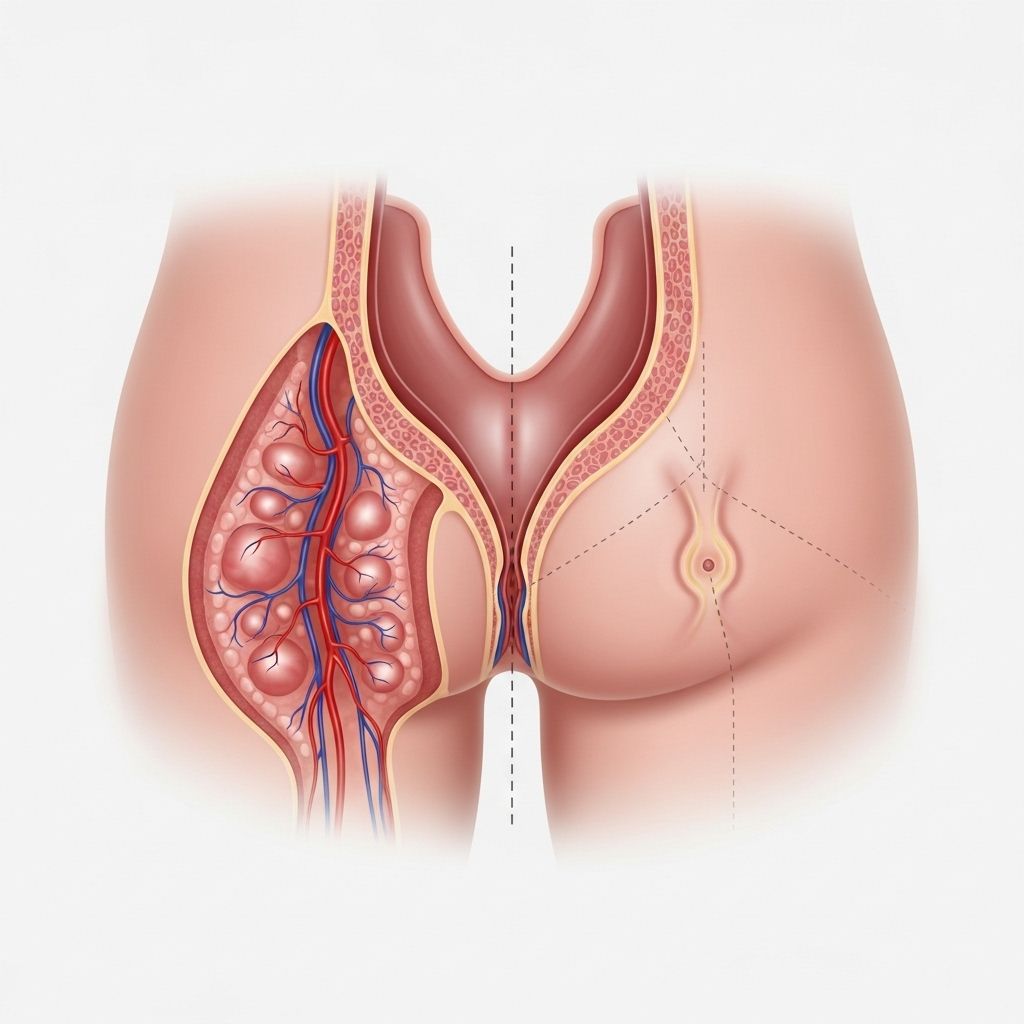
Experiencing rectal bleeding, discomfort, or itching often leads people to suspect hemorrhoids, a common but sometimes misunderstood condition. While hemorrhoids are a frequent cause of such symptoms, other digestive health issues—some potentially serious—may produce very similar complaints. Understanding when symptoms suggest something beyond hemorrhoids is crucial for timely treatment and peace of mind.
Understanding Hemorrhoids
Hemorrhoids are swollen veins located in the lower part of the rectum or around the anus. They are classified into two main types:
- Internal hemorrhoids: Develop inside the rectum and usually cannot be seen or felt. They are often painless but can cause bright red rectal bleeding, especially during bowel movements. Sometimes, internal hemorrhoids may prolapse or bulge outside the anus, which can cause discomfort.
- External hemorrhoids: Occur under the skin around the anus and may present as painful, swollen lumps. These can cause itching, irritation, and sometimes significant pain, especially if a blood clot forms within the hemorrhoid (a thrombosed hemorrhoid).
While hemorrhoids are common, especially in adults over the age of 50, it is vital to differentiate their symptoms from those of other gastrointestinal disorders that can present similarly.
Common Symptoms of Hemorrhoids
| Symptom | Frequency in Hemorrhoids | Typical Features |
|---|---|---|
| Rectal bleeding | Very common | Bright red blood on toilet paper, stool, or in toilet bowl; usually painless |
| Anal itching | Common | Irritation or itchiness around the anus, especially with external hemorrhoids |
| Anal pain/discomfort | Variable | Mild discomfort with internal type; pain more likely with external or thrombosed hemorrhoids |
| Lump/swelling | Common (external) | See or feel a lump or area of swelling near anus |
| Mucus discharge | Occasional | Clear or slight mucus leakage from the anus |
| Sensation of incomplete evacuation | Sometimes | Feeling that the bowel movement was not fully completed |
It’s important to note that many individuals believe they have hemorrhoids based on these symptoms, but as research has shown, only a small percentage are found to actually have hemorrhoids on medical examination. Other conditions may be responsible for similar complaints, underlining the importance of getting evaluated by a healthcare provider before assuming symptoms are due to hemorrhoids.
Internal vs. External Hemorrhoids: What Sets Them Apart?
- Internal hemorrhoids are generally painless and found inside the rectum. They often present as painless bleeding but can prolapse through the anal opening, sometimes causing discomfort.
- External hemorrhoids are under the skin around the anus and can be felt or seen as lumps. They are more likely to cause itching, swelling, and pain, especially if a blood clot develops (thrombosed hemorrhoids), which can be acutely painful and present as a hard, purple or blue lump.
When Is It Not Hemorrhoids? Conditions With Similar Symptoms
Though hemorrhoids are common, rectal bleeding, pain, or itching may also signal other medical conditions—some of which require immediate medical attention or different treatment approaches.
1. Anal Fissures
- Description: Small tears or splits in the lining of the anus, often caused by passing hard stools or constipation.
- Symptoms: Sharp pain during and after bowel movements, bright red bleeding, sometimes itching.
- Key Differences: Pain is often more severe than with hemorrhoids and is directly linked to bowel movements. Blood is typically found on toilet paper, not mixed in stool.
2. Colon Polyps
- Description: Noncancerous or cancerous growths of tissue inside the colon or rectum.
- Symptoms: Often silent but can cause rectal bleeding. Large or numerous polyps may cause changes in bowel habits.
- Key Differences: Polyps rarely cause pain or itching but are notable for possible persistent, unexplained bleeding. Some polyps can develop into colorectal cancer.
3. Diverticulosis and Diverticulitis
- Description: Diverticulosis occurs when pouches form in the colon lining; diverticulitis happens when these pouches become inflamed or infected.
- Symptoms: Diverticulosis often has no symptoms but can cause bleeding, while diverticulitis leads to lower abdominal pain, changes in bowel habits, fever, and more severe symptoms.
- Key Differences: Bleeding can be more profuse and is typically accompanied by abdominal pain and systemic symptoms (fever, chills) if inflamed.
4. Pruritus Ani (Anal Itching)
- Description: Intense itching around the anus not due to hemorrhoids, but rather local irritation or skin disease.
- Symptoms: Persistent urge to scratch with or without visible rash or redness. Increased moisture from sweating, poor hygiene, or certain foods can trigger this condition.
- Key Differences: Itching is the dominant complaint, not pain or bleeding; may improve with hygiene and avoidance of triggers.
5. Colorectal Cancer
- Description: Cancer arising from the colon or rectum that may mimic hemorrhoids in early stages.
- Symptoms:
- Rectal bleeding (with or without pain)
- Changes in bowel habits
- Unexplained weight loss
- Fatigue
- Persistent abdominal discomfort
- Key Differences: Persistent bleeding, dark stools, or accompanying symptoms like weight loss and anemia warrant urgent evaluation, especially in adults over 50 or those with a family history of colon cancer.
Other Conditions Sometimes Confused with Hemorrhoids
- Abnormal blood vessels (angiodysplasia): These can cause painless bleeding from the rectum and may mimic the presentation of internal hemorrhoids.
- Inflammatory bowel disease (IBD): Both ulcerative colitis and Crohn’s disease can cause bleeding, mucus, and urgent stools, though they often co-exist with abdominal pain and weight loss.
- Rectal prolapse: When part of the rectal wall slides out through the anus, sometimes mistaken for prolapsed hemorrhoids but often accompanied by fecal leakage or tissue that visibly protrudes with a different appearance.
Diagnosis: Why You Shouldn’t Self-Diagnose Rectal Symptoms
Self-diagnosis is common but unreliable. Symptoms like rectal bleeding, anal pain, and swelling are attributed to hemorrhoids by many patients, yet studies reveal that the majority actually have another condition or no clear pathology at all when examined by a doctor.
Doctors recommend a thorough physical exam, including digital rectal examination and sometimes anoscopy or colonoscopy, to accurately diagnose the cause of rectal symptoms. This allows for:
- Identifying the exact cause (hemorrhoids vs. another disorder)
- Assessing the severity or grade of hemorrhoids (I to IV)
- Determining if more serious diseases require urgent intervention
When to Seek Immediate Medical Attention
While most hemorrhoids can be managed at home and are not dangerous, certain symptoms require prompt medical evaluation and possible emergency attention:
- Large amounts of rectal bleeding or blood clots
- Dizziness, faintness, or signs of anemia (such as fatigue or rapid heartbeat)
- Black or tarry stools (may indicate bleeding higher in the digestive tract)
- Bleeding or symptoms that do not improve after a week of home care
- Persistent abdominal pain, unexplained weight loss, or changes in bowel habits
How Are Hemorrhoids and Other Anal Symptoms Treated?
Treatment depends on the underlying cause. For hemorrhoids:
- Increase dietary fiber (fruits, vegetables, whole grains) and fluids to soften stool
- Use mild, unscented hygiene products
- Take warm sitz baths to ease pain and itching
- Apply over-the-counter creams, ointments, or wipes
- Avoid prolonged sitting on the toilet and reduce straining during bowel movements
If hemorrhoids do not respond to home management, medical procedures such as rubber band ligation, sclerotherapy, or minor surgical intervention may be needed. Persistent or severe symptoms, or symptoms not improving with standard care, should always prompt further medical evaluation for alternative diagnoses.
Preventing Mistaken Diagnosis: Tips for Recognizing Hemorrhoids vs. Other Conditions
- Do not ignore new or persistently worsening rectal bleeding; this warrants doctor evaluation.
- Anal pain that is sharp and intense (especially with bowel movements) is more suggestive of an anal fissure than hemorrhoids.
- Unintentional weight loss, night sweats, unexplained fatigue, or family history of digestive cancers merit a prompt checkup.
- Blood mixed with stool or tar-colored stool may indicate a problem higher up than the rectum.
- If symptoms persist after a week of self-care, or if you are over age 50 and have new symptoms, seek prompt medical evaluation.
Frequently Asked Questions (FAQs)
Q: Can I safely ignore bright red rectal bleeding if I know I have hemorrhoids?
A: No. While hemorrhoids commonly cause painless, bright red bleeding, other conditions—including colon polyps and colorectal cancer—can also cause these symptoms. Any new, significant, or persistent rectal bleeding always warrants evaluation by a healthcare provider, especially in those over the age of 40.
Q: Are there home remedies that can relieve hemorrhoid symptoms?
A: Yes. Increasing fiber and fluids, using warm sitz baths, practicing good hygiene, and applying topical treatments can relieve many hemorrhoid symptoms. Persistent or severe symptoms, however, should always be evaluated medically to rule out more serious conditions.
Q: How are hemorrhoids distinguished from more dangerous conditions like cancer?
A: Doctors use a combination of physical examination, anoscopy, colonoscopy, and sometimes imaging or biopsies to distinguish between hemorrhoids and more serious conditions. Symptoms that last, worsen, or don’t respond to typical hemorrhoid treatment require a thorough work-up.
Q: Should children or young adults with rectal bleeding worry about cancer?
A: Rectal cancer in children or young adults is rare, but all persistent bleeding should still be evaluated. Younger populations are much more likely to have benign causes such as hemorrhoids or fissures, but serious conditions are sometimes seen and should not be dismissed without medical input.
Q: Is it possible to have hemorrhoids and another digestive condition at the same time?
A: Yes. Some patients may have both hemorrhoids and another cause for their symptoms. That’s why persistent or unusual symptoms should be thoroughly evaluated by a healthcare provider.
Key Takeaways
- Hemorrhoids are a common cause of rectal symptoms, but they are not the only possible explanation for bleeding, pain, or itching in this area.
- Conditions such as anal fissures, colon polyps, diverticular disease, rectal cancer, and pruritus ani often masquerade as hemorrhoids.
- Early evaluation and accurate diagnosis can help ensure that serious diseases are not missed and the right treatment is provided.
- Persistent, severe, or unusual symptoms should always prompt a visit to your healthcare provider.
Similar Articles






Read full bio of Sneha Tete