Hepatitis C: Causes, Symptoms, Diagnosis, Treatment, and Prevention
Learn all about Hepatitis C, its risk factors, diagnosis, symptoms, treatment options, and how to prevent transmission and serious complications.
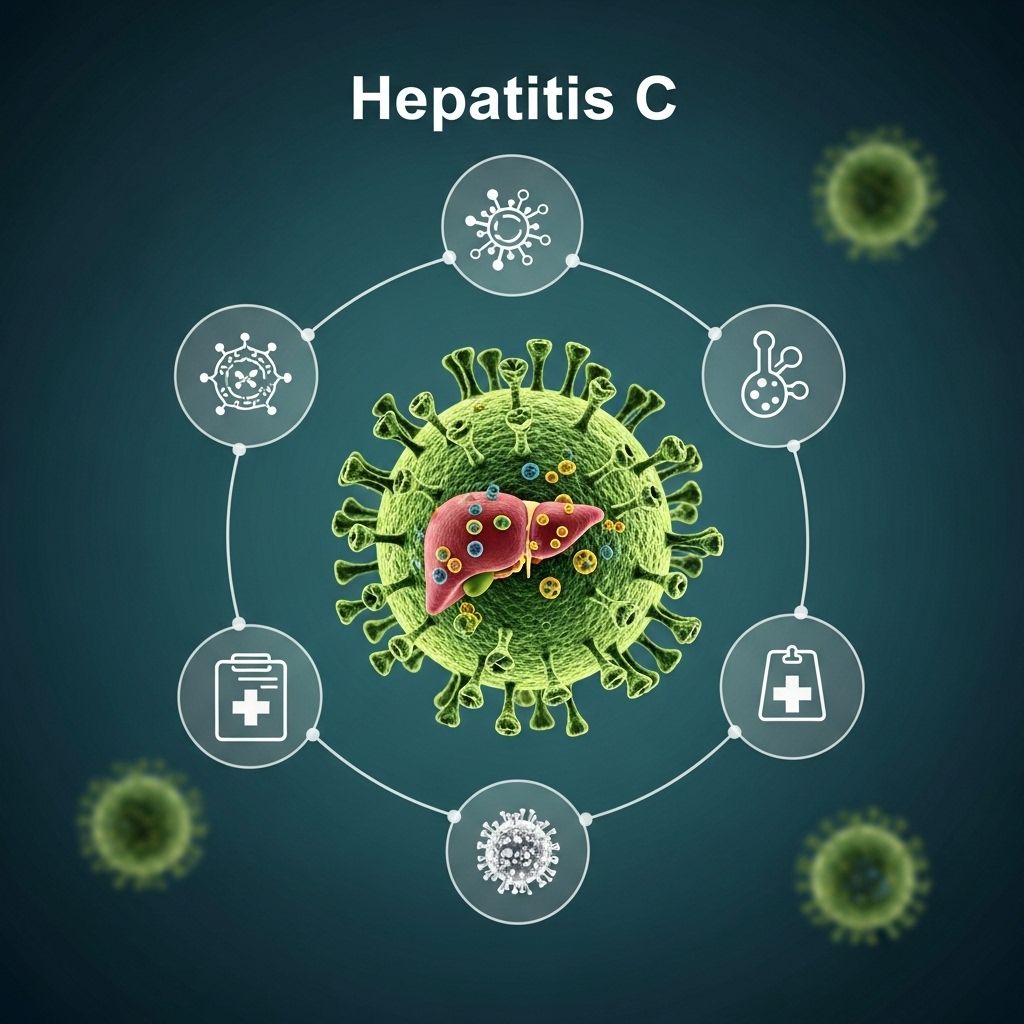
What is Hepatitis C?
Hepatitis C is a viral infection that causes inflammation of the liver, primarily due to the hepatitis C virus (HCV). Chronic infection can lead to serious liver damage including scarring (cirrhosis), liver failure, and even liver cancer, making early diagnosis and appropriate treatment crucial.
Unlike hepatitis A or B, no vaccine is currently available for hepatitis C.
Hepatitis C is one of several viral hepatitis types; others include hepatitis A and B.
Causes and Risk Factors
The principal cause of hepatitis C is infection by the hepatitis C virus. The virus is transmitted mainly through blood-to-blood contact. Certain behaviors and situations increase the risk of contracting hepatitis C:
- Sharing contaminated needles or syringes, particularly among people who inject drugs.
- Receiving blood transfusions, organ transplants, or clotting factor concentrates before 1992 (when reliable screening became available).
- Exposure to blood in healthcare settings without proper safety practices.
- Being born to a mother infected with HCV.
- Receiving tattoos or body piercings with inadequately sterilized equipment.
- Sharing personal items that might have blood on them, such as razors, toothbrushes, or nail clippers.
Sexual transmission is possible but less common. People with HIV, prisoners, and those who have had multiple sexual partners are at higher risk.
Other hepatitis types are caused by different viruses (HAV, HBV), autoimmune processes, alcohol abuse, certain medications, and inherited disorders (for more on hepatitis types, see Types of Hepatitis).
Symptoms of Hepatitis C Infection
Many individuals with hepatitis C have no symptoms, especially during the early stages. When symptoms occur, they often develop two weeks to six months after exposure and can include:
- Fatigue
- Loss of appetite
- Nausea or vomiting
- Fever
- Abdominal pain (usually upper right quadrant)
- Dark urine
- Pale or clay-colored stools
- Joint pain
- Itching
- Jaundice (yellowing of skin and eyes)
In chronic infections, these symptoms may remain mild or absent for years, with liver damage progressing silently.
Complications Associated with Hepatitis C
Without adequate treatment, chronic hepatitis C can lead to severe complications:
- Cirrhosis – Progressive scarring of the liver, which impairs its function.
- Liver Failure – The liver loses its ability to function, potentially requiring transplantation.
- Liver Cancer (hepatocellular carcinoma) – Increased risk for chronic sufferers.
Additional complications may include portal hypertension and fluid accumulation in the abdomen (ascites).
Types of Hepatitis
| Type | Main Cause | Transmission | Chronic? | Vaccine? |
|---|---|---|---|---|
| Hepatitis A | HAV virus | Contaminated food/water, fecal-oral | No | Yes |
| Hepatitis B | HBV virus | Blood, sexual, perinatal | Yes | Yes |
| Hepatitis C | HCV virus | Blood (needles, transfusions) | Yes | No |
| Autoimmune Hepatitis | Immune attack | Not infectious | Yes | No |
| Alcoholic Hepatitis | Alcohol overuse | Not infectious | Yes | No |
Diagnosing Hepatitis C
Diagnosis of hepatitis C involves a combination of history, examination, and laboratory testing:
- Medical history and symptom review – assessing risk factors and presenting complaints.
- Physical exam – checking for signs of liver disease.
- Blood tests include:
- HCV antibody test to detect exposure.
- HCV RNA PCR to confirm active infection and measure viral load.
- Liver enzyme tests (ALT, AST) to evaluate inflammation.
- Genotype testing to guide therapy.
- Imaging tests – ultrasound, CT, or MRI may assess liver structure and damage.
- Liver biopsy – occasionally performed to determine the degree of scarring and inflammation.
Comprehensive hepatitis panels may also be used to check for other forms of hepatitis infection if clinically indicated.
Treatment Options for Hepatitis C
The primary goal of hepatitis C treatment is to eliminate the virus, prevent liver damage, and reduce the risk of severe complications.
Modern treatment is highly effective and generally well-tolerated:
- Direct-acting antiviral (DAA) medications – taken orally for 8–24 weeks, achieve high cure rates with minimal side effects.
- Treatment regimen depends on the HCV genotype found during initial laboratory evaluation.
- Older medications (such as interferon and ribavirin) are rarely used now due to lower effectiveness and greater adverse effects.
- Liver transplant may be necessary for advanced cirrhosis or liver cancer.
Additional care recommendations for patients with hepatitis C:
- Avoid alcohol, as it rapidly accelerates liver damage and reduces medication efficacy.
- Consult healthcare providers before taking any new medication, vitamin, or supplement.
- Consider vaccination against hepatitis A and B, if not already immune.
Constant monitoring by a healthcare professional is essential to track efficacy and manage potential side effects or complications.
Prevention Strategies for Hepatitis C
There is currently no vaccine for hepatitis C but several steps can reduce the risk of transmission:
- Never share needles, syringes, or other drug-use equipment.
- Use only sterile equipment for tattoos and body piercings.
- Follow universal precautions in healthcare settings to minimize occupational exposure.
- Do not share dental hygiene tools, razors, nail clippers, or other personal items.
- Practice safe sex measures, especially if either partner has a sexually transmitted disease or multiple partners.
People at higher risk (such as those with a history of injecting drugs, certain healthcare workers, or individuals born between 1945 and 1965) should consider routine hepatitis C testing.
Living with Hepatitis C
A diagnosis of hepatitis C requires long-term management and lifestyle adjustments to protect liver health and prevent transmission:
- Maintain a healthy diet and avoid foods that may trigger nausea during acute illness.
- Abstain from alcohol and illicit drugs.
- Get enough rest and hydration, especially during the acute phase.
- Avoid medications that are known to harm the liver.
- Attend regular follow-up appointments for liver function monitoring and imaging if necessary.
Frequently Asked Questions (FAQs)
Q: What is hepatitis C?
A: Hepatitis C is a viral infection that causes inflammation and damage to the liver, potentially resulting in chronic disease, cirrhosis, liver failure, or liver cancer.
Q: Who is at highest risk for hepatitis C?
A: The main risk groups include people who inject drugs, those who received blood transfusions before 1992, people with HIV, children born to HCV-positive mothers, healthcare workers exposed to blood, and prison populations.
Q: Can hepatitis C be cured?
A: Yes. Most patients can be cured with modern direct-acting antiviral medications, usually taken for 8 to 24 weeks.
Q: What are common symptoms of hepatitis C?
A: Symptomless infection is common, but when present, symptoms include fatigue, jaundice, abdominal pain, loss of appetite, dark urine, and pale stools.
Q: Is there a vaccine for hepatitis C?
A: No vaccine is currently available to prevent hepatitis C.
Q: How is hepatitis C different from hepatitis A and B?
| Hepatitis A | Hepatitis B | Hepatitis C |
|---|---|---|
| Spread by contaminated food/water (fecal-oral) | Spread by blood, sexual contact, and perinatal transmission | Primarily spread by blood (needles, transfusions) |
| No chronic infection | Can cause chronic infection | Often chronic |
| Vaccine available | Vaccine available | No vaccine available |
Q: What additional steps should I take if diagnosed with hepatitis C?
A: In addition to medical treatment, avoid alcohol, check with your provider before taking new medicines, and get vaccinated for hepatitis A and B if not already immune.
Additional Resources
- Speak to your doctor about hepatitis testing and treatment options.
- Contact local or national liver foundations for educational materials or support groups.
- Centers for Disease Control and Prevention (CDC) and National Institutes of Health (NIH) provide updated information and guidelines.
Similar Articles








Read full bio of medha deb