Causes of Hepatitis C: Understanding Transmission Risks
Learn how hepatitis C spreads, the primary sources of infection, and steps to minimize your risk.
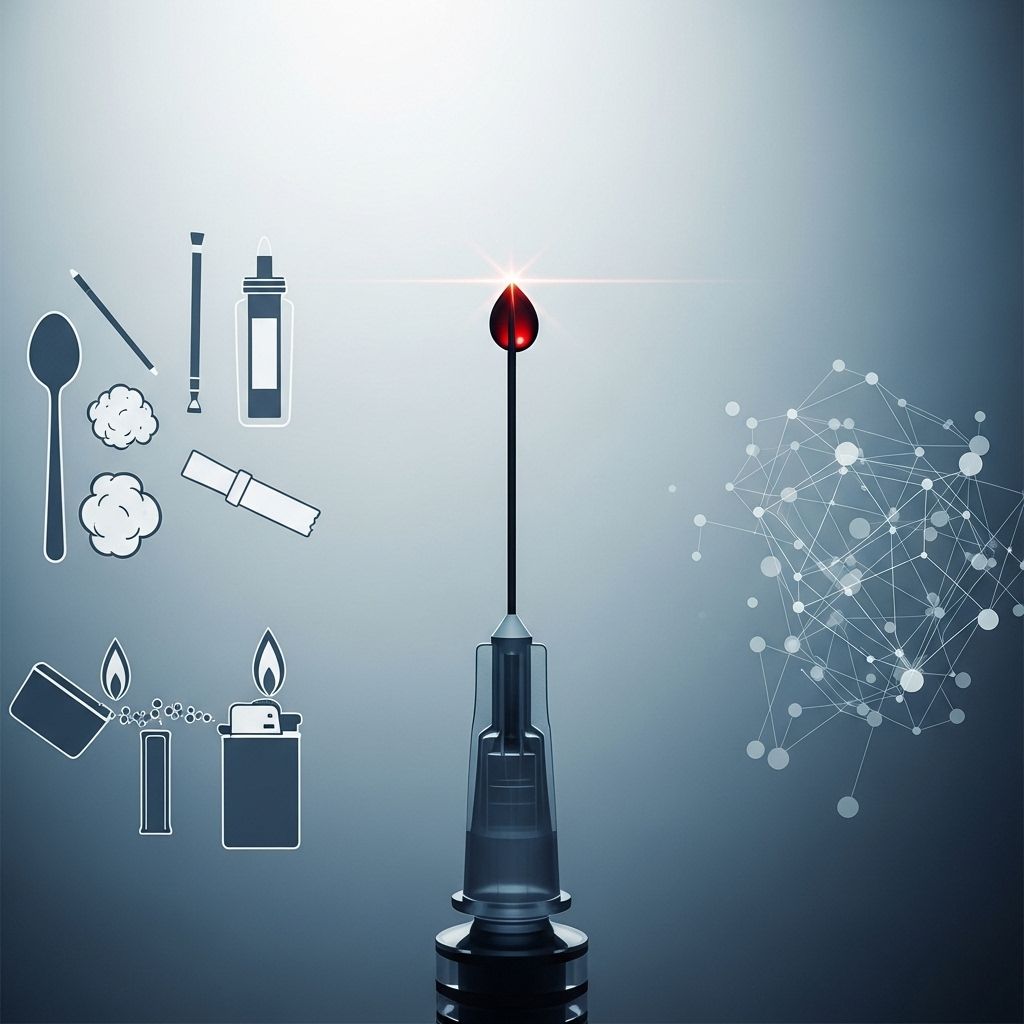
Hepatitis C is a blood-borne virus (BBV) that causes inflammation of the liver and can lead to serious long-term health problems, such as liver scarring (cirrhosis) and cancer. Knowing how hepatitis C is transmitted is crucial to protect yourself and others from infection.
How is Hepatitis C Transmitted?
You can become infected with hepatitis C if you come into contact with the blood of an infected person. Although the virus may also be present in other body fluids, blood carries the highest concentration. Even small traces of infected blood can transmit the virus.
Key Points:
- Direct blood-to-blood contact is the primary route of transmission.
- The virus can survive outside the body in dried blood for several weeks at room temperature.
Main Routes of Infection
Hepatitis C is spread through several different activities and exposures. Some carry much higher risks than others. Below are the main ways infection can occur.
Injecting Drugs
Injecting recreational drugs is the leading cause of hepatitis C infection in the UK and most countries. Nearly 90% of cases are linked to people who currently inject drugs or did so in the past.
- Needle and Syringe Sharing: Using needles or syringes that have previously been used by someone with hepatitis C can transmit the virus, even if only a single use occurs.
- Other Injecting Equipment: Sharing spoons, filters, water, tourniquets, pipes, or straws used to prepare or take drugs, if contaminated with even tiny amounts of infected blood, can also spread the virus.
- Anabolic Steroids: Injecting performance-enhancing drugs with shared equipment poses similar risks.
Less Common Causes
Although most infections result from injecting drug use, other activities can also expose people to hepatitis C.
Unprotected Sex
The risk of acquiring hepatitis C through unprotected sexual contact is generally low but not zero. Transmission is more likely if:
- You or your partner are men who have sex with men
- Either partner has HIV or other sexually transmitted infections (especially with genital sores or ulcers)
- You have multiple sexual partners
Using male or female condoms provides protection, and testing is recommended if your partner has hepatitis C.
Blood Transfusions Before 1996
Before 1996 in the UK (and before 1991 for most of the UK), blood donations were not routinely screened for hepatitis C. People who received blood transfusions or blood products prior to these years may have been exposed to the virus.
Blood Transfusions and Medical Treatment Abroad
Medical or dental procedures in countries where equipment sterilization standards are poor can result in hepatitis C transmission. The virus can survive in traces of blood left on unsterilized equipment.
Sharing Personal Items
Items that may be contaminated with blood—such as toothbrushes, razors, nail scissors, and clippers—can carry a small but real risk of hepatitis C infection, especially if they break the skin or come into contact with gums that bleed. Hairdressing or barber equipment poses a theoretical risk if not properly cleaned; regulated salons in the UK typically adhere to strict safety standards.
Tattooing and Body Piercing
There is a risk of hepatitis C from unsterilized tattoo or piercing equipment. In the UK, regulated parlors are generally safe, but non-professional or unlicensed settings can be hazardous.
Mother to Child (Vertical Transmission)
This occurs in approximately 5% of infants born to mothers with hepatitis C. The risk is not affected by breastfeeding, as the virus is not transmitted through breast milk.
Needlestick Injuries
Health and social care workers, laboratory staff, and others who regularly handle blood are at a slightly higher risk. Accidental puncture injuries from needles previously used by someone with hepatitis C have a risk of infection of about 1 in 50.
Summary Table: Routes of Hepatitis C Transmission and Relative Risk
| Transmission Route | Level of Risk | Risk Factors |
|---|---|---|
| Injecting drugs (sharing equipment) | Very High | Current/past injection drug use; shared/unclean needles, filters, etc. |
| Blood transfusions (UK, pre-1991/1996) | High | Transfusion before screening protocols in place; procedures overseas |
| Medical/dental procedures abroad (poor sterilization) | High | Travel to countries with substandard infection control |
| Unprotected sex | Low | MSM (men who have sex with men); co-infection with HIV/STIs |
| Sharing personal items (razors, toothbrushes, etc.) | Low | Living with/close contact with infected person |
| Tattooing/piercing (unsterilized equipment) | Low–Moderate | Non-professional or unregulated settings |
| Mother to child (vertical transmission) | Low–Moderate | Mother has hepatitis C |
| Needlestick injuries | Low–Moderate | Healthcare/lab workers exposed to contaminated needles |
Who is at Increased Risk of Hepatitis C?
- People who inject or have injected drugs, even if only once
- Healthcare workers, laboratory technicians, prison officers, and others exposed regularly to blood
- Babies born to infected mothers (about 5% risk)
- Those who received unscreened blood transfusions or treatment before 1991/1996 in the UK or in other countries
- Individuals undergoing tattooing or body piercing in unregulated settings
- Sexual partners of people who have hepatitis C (especially with other risk factors present)
How to Reduce the Risk of Hepatitis C Infection
Simple steps can minimize the chances of hepatitis C transmission.
- Do not share needles, syringes, or any drug-injecting equipment.
- Use personal items like razors, toothbrushes, and nail scissors exclusively – never share.
- Undertake tattoos or body piercings only in professionally regulated and hygienic environments.
- Always insist on properly sterilized equipment for any medical or dental procedure, especially overseas.
- Practice safer sex, especially if you or your partner have other sexually transmitted infections or HIV.
- Health professionals should follow standard precautions and use appropriate protective equipment when handling blood.
Frequently Asked Questions (FAQs)
Q: Can you catch hepatitis C from hugging, kissing, or sharing food?
A: No. Hepatitis C is not spread through casual contact, sharing utensils, hugging, kissing, or via airborne droplets. It requires blood-to-blood contact.
Q: Is it safe to breastfeed if the mother has hepatitis C?
A: Yes. Hepatitis C is not transmitted through breast milk, so breastfeeding is considered safe.
Q: Are tattoo parlors and beauty salons risky for hepatitis C?
A: The risk is low if they follow strict sterilization and hygiene procedures. It’s higher in non-regulated or unsanitary settings.
Q: How long can hepatitis C virus survive outside the body?
A: The virus may survive on surfaces or in dried blood for up to several weeks at room temperature, highlighting the importance of disinfection.
Q: Can hepatitis C be caught from a needlestick accident?
A: Yes, but the risk is about 1 in 50 if the needle has been used by someone with hepatitis C. Healthcare workers should use precautions to reduce this risk.
Q: Should I get tested for hepatitis C?
A: Testing is recommended if you have ever injected drugs, received a blood transfusion before 1991/1996 in the UK, had medical procedures abroad, or have other risk factors. Speak to your GP or sexual health clinic for advice.
Key Takeaways
- Hepatitis C is predominantly spread through blood-to-blood contact.
- Injecting drug use and sharing needles are responsible for the vast majority of new infections.
- Other routes — including sexual contact, mother-to-child, tattooing, and contaminated medical equipment — account for fewer cases but still require vigilance.
- Hepatitis C often has no symptoms until significant liver damage occurs, making testing for at-risk individuals essential.
If you believe you may have been exposed to hepatitis C, seek medical advice. Early detection and treatment greatly increase the likelihood of preventing liver damage and complications.
Similar Articles







Read full bio of medha deb