High Creatinine Levels: Causes, Symptoms, Diagnosis, and Treatments
Understand why high creatinine levels matter, their underlying causes, symptoms, how to test for them, treatment options, and preventive strategies.
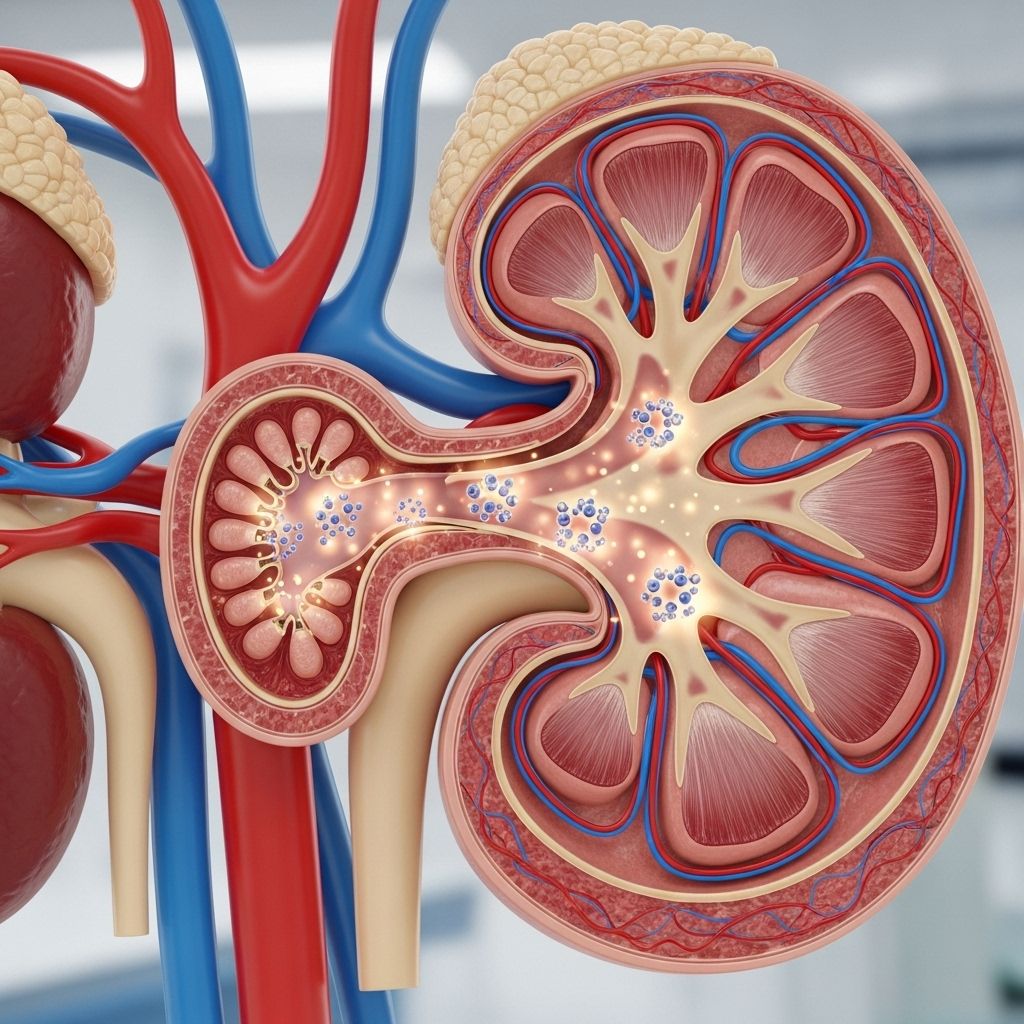
Creatinine is a waste product generated by muscle metabolism and primarily filtered out of the blood by healthy kidneys. When blood creatinine levels rise above normal, it often signals a problem with kidney function, making it an important clinical marker for kidney health. This article offers an in-depth look at what high creatinine levels mean, their causes, related symptoms, diagnostic processes, management strategies, and tips for prevention.
What is Creatinine?
Creatinine is a chemical byproduct of creatine, a molecule crucial for generating energy in muscles. Since its production is fairly constant, measuring its concentration in blood and urine can help assess how well the kidneys are filtering waste. Normally, creatinine is excreted in the urine without significant reabsorption in the kidneys.
What Are Normal Creatinine Levels?
- For adult males: 0.74 to 1.35 mg/dL (65.4 to 119.3 µmol/L)
- For adult females: 0.59 to 1.04 mg/dL (52.2 to 91.9 µmol/L)
- Normal ranges may vary slightly by laboratory and are affected by age, sex, muscle mass, and race.
Values consistently above these ranges are considered high and may indicate kidney dysfunction or other health issues.
Why Are High Creatinine Levels Important?
While high creatinine levels do not cause health issues themselves, they serve as a red flag for potential underlying problems, especially with kidney function. Elevated creatinine can signal:
- Impaired kidney filtration
- Acute or chronic kidney disease
- Dehydration
- Other metabolic or systemic disorders
It is vital to identify and manage the underlying condition to prevent long-term complications.
Common Causes of High Creatinine Levels
| Category | Specific Causes |
|---|---|
| Kidney-Related (Renal) |
|
| Non-Kidney Causes |
|
More Details on Major Causes
1. Kidney Diseases and Impairment
- Acute Kidney Injury (AKI): Sudden damage to the kidneys, often reversible with prompt intervention. Causes include severe dehydration, infection, drug toxicity, or obstruction.
- Chronic Kidney Disease (CKD): Slow decline in kidney function over months or years, commonly due to diabetes, hypertension, or glomerular diseases.
- Kidney Infections: Untreated urinary tract infections can spread to the kidneys, causing damage that elevates creatinine. Chronic or recurrent infections are particularly risky.
2. Urinary Tract Obstruction
- Obstructions from kidney stones, tumors, or an enlarged prostate can block urine flow, increasing back-pressure and harming kidney tissue, which reduces filtration and raises creatinine.
3. Non-Kidney Related Factors
- Dehydration: When fluid intake is insufficient, less urine is produced, reducing creatinine excretion and increasing blood levels.
- High-Protein Diet: Excess dietary protein temporarily elevates creatinine due to increased metabolic waste.
- Muscle Injury: Rhabdomyolysis or extensive muscle injury releases excess creatinine into the blood.
- Certain Medications: Drugs such as nonsteroidal anti-inflammatory drugs (NSAIDs), ACE inhibitors, antibiotics (aminoglycosides), diuretics, and others can either damage the kidneys or interfere with creatinine excretion.
- Diabetic Ketoacidosis (DKA): Complication of diabetes that may impair kidney function.
Symptoms of High Creatinine Levels
Normally, mild to moderate increases cause few or no symptoms. As levels rise or if an underlying disease worsens, individuals may develop:
- Fatigue and weakness
- Nausea and vomiting
- Loss of appetite
- Swelling in the ankles, legs, or around the eyes
- Shortness of breath
- Changes in urination (frequency, volume, color, foaming, or presence of blood)
- Muscle cramps or twitches
- Chest pain or irregular heartbeat (if severe kidney failure develops)
- Itching
- Fluid retention especially in the lower body
- High blood pressure
- Confusion or difficulty concentrating (especially in advanced kidney disease)
Symptoms usually become pronounced if creatinine elevation is due to advanced kidney disease.
Diagnosis: How Are High Creatinine Levels Detected?
Doctors use a combination of blood and urine tests to diagnose and monitor high creatinine. Common diagnostic methods include:
- Serum Creatinine Blood Test: Measures creatinine concentration in blood, the most direct measure.
- Estimated Glomerular Filtration Rate (eGFR): Uses creatinine, age, sex, and other factors to estimate kidney filtering capacity.
- Creatinine Clearance Test: Compares creatinine levels in 24-hour urine and blood to directly gauge kidney function.
- Urinalysis: Checks for protein, blood, or other abnormalities in urine that may indicate kidney disease.
- Imaging Studies: Ultrasound or CT scans may be ordered if an obstruction, kidney stone, or mass is suspected.
- Comprehensive Metabolic Panel: Reviews other markers such as blood urea nitrogen (BUN), electrolytes, and glucose.
Additional specialized tests may be performed based on symptoms and underlying risk factors.
When Should You Worry?
Since high creatinine is a symptom rather than a disease, immediate medical attention is warranted if you experience:
- Sudden or severe swelling (especially in face, hands, or legs)
- Urine that is reddish, brown, or foamy
- Rapid decrease in urine output
- Shortness of breath, confusion, chest pain, or high blood pressure
- Sudden weight gain or loss
- Persistent nausea, vomiting, or changes in mental status
If you belong to a high-risk group (history of kidney disease, diabetes, hypertension, or age over 50), regular screenings are important even if you aren’t experiencing symptoms.
Treatment Options for High Creatinine
The best way to address high creatinine is to treat the underlying cause, which could range from simple lifestyle changes to advanced medical interventions. Treatment strategies may include:
- Address Dehydration: Rehydrating with fluids, especially if recent fluid loss, illness, or heat exposure has occurred.
- Adjust Diet: If caused by a high-protein or creatine-rich diet, reducing protein and supplement intake may help.
- Medication Management: Reviewing all prescription and over-the-counter drugs with your doctor to identify potential nephrotoxic (kidney-harming) medications. Alternatives can often be prescribed.
- Treat Underlying Conditions:
- Diabetes: Strict blood sugar management with medication, diet, and monitoring.
- Hypertension: Blood pressure control with ACE inhibitors, ARBs, or other prescribed drugs.
- Kidney Infections: Appropriate antibiotics or antiviral medications.
- Kidney Stones/Obstruction: Procedures or medications to remove blockages.
- Supportive Care: Address symptoms like swelling with diuretics, itching with antihistamines, or sodium restrictions.
- Advanced Therapies: Dialysis or kidney transplant in cases of severe, life-threatening kidney failure.
Close collaboration with a nephrologist (kidney specialist) is often necessary for persistent or severe cases.
Prevention: How Can You Lower or Prevent High Creatinine?
Proactive management of kidney health remains the most effective way to prevent high creatinine. Key strategies include:
- Control Blood Pressure and Blood Sugar: Keep hypertension and diabetes under tight control through medications and lifestyle changes.
- Stay Well Hydrated: Drink adequate fluids, especially during high heat, illness, or physical activity unless restricted by a doctor.
- Eat a Kidney-Friendly Diet: Limit sodium, saturated fats, and excessive protein. Emphasize fruits, vegetables, whole grains, and lean proteins.
- Avoid Nephrotoxic Drugs: Use NSAIDs, certain antibiotics, and other risk medications only as directed and under supervision.
- Quit Smoking and Limit Alcohol: Both can accelerate kidney damage over time.
- Exercise Regularly—but Safely: Engage in moderate physical activity, but avoid extreme exertion or unaccustomed weightlifting that may cause muscle breakdown.
- Monitor Kidney Function if You’re at Risk: People with family history, diabetes, high blood pressure, or over age 50 benefit from regular check-ups.
Frequently Asked Questions (FAQs) About High Creatinine
What foods help lower creatinine levels?
While no single food eliminates creatinine, a diet low in red meat and processed foods and high in fruits, vegetables, and whole grains can support overall kidney health. Reducing sodium and excessive protein can also help if you are at risk.
Are there medications that can increase creatinine falsely?
Yes, several medications can temporarily raise blood creatinine, giving a false impression of kidney dysfunction. These include NSAIDs, some antibiotics, ACE inhibitors, diuretics, and certain blood pressure or cholesterol drugs. Always discuss new medications with your doctor if you have kidney concerns.
When should I see a doctor for high creatinine?
See your healthcare provider if your test indicates elevated creatinine, especially if you have symptoms like swelling, changes in urination, fatigue, or risk factors such as diabetes, hypertension, or a family history of kidney issues.
Can exercise increase creatinine?
Strenuous or unaccustomed exercise can cause temporary increases in creatinine due to muscle breakdown. Levels usually return to normal with rest. Moderation is key, especially for those with known kidney problems.
Is high creatinine always a sign of kidney disease?
Not always. Short-term increases may result from dehydration, diet, muscle injury, or certain medications. Persistent high levels, however, often require further evaluation for chronic kidney diseases or other health issues.
Key Takeaways
- High creatinine often signals impaired kidney function but can result from other causes like dehydration or medications.
- Early detection and addressing underlying conditions can help prevent irreversible kidney damage.
- Managing underlying chronic illnesses, avoiding nephrotoxic substances, and adopting a healthy lifestyle are best for prevention.
- Regular check-ups and collaborative care with healthcare providers are crucial for those at risk.
Similar Articles







Read full bio of medha deb