High Potassium Level (Hyperkalemia): Causes, Symptoms, Diagnosis, and Treatment
Understand the risks, causes, and management strategies of hyperkalemia to protect heart and kidney health.
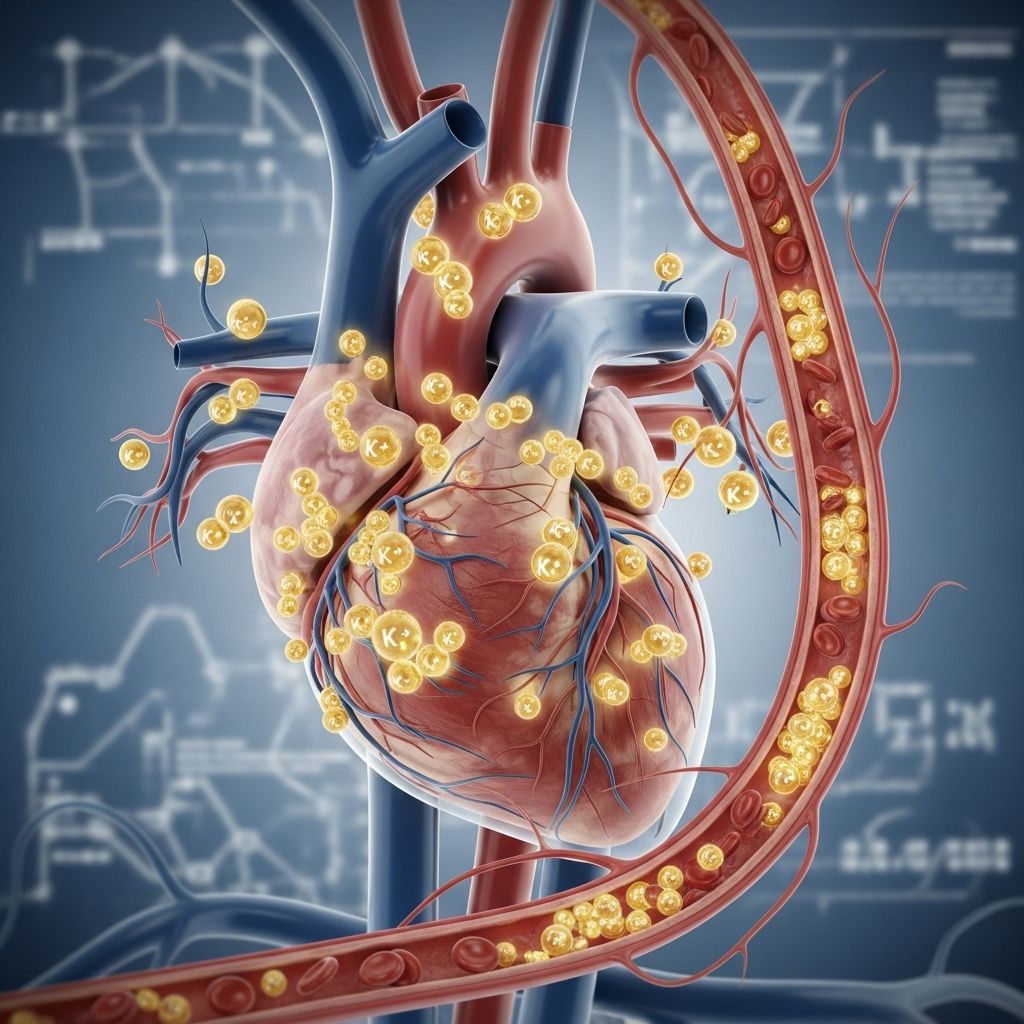
High Potassium Level (Hyperkalemia)
Elevated potassium levels in the bloodstream, medically termed hyperkalemia, can have profound effects on your health. This article provides a detailed overview of the causes, symptoms, diagnostic approaches, management, and prevention strategies for high potassium levels, synthesizing evidence-based information for patients and caregivers.
What is a High Potassium Level?
Potassium is a vital mineral and electrolyte that helps regulate nerve function, muscle contractions, fluid balance, and heart rhythms. A high potassium level means the concentration of potassium in your blood is higher than normal. The medical term for this condition is hyperkalemia. Normal blood potassium levels typically range between 3.6 and 5.2 millimoles per liter (mmol/L). A level above 5.0 to 5.5 mmol/L is considered elevated and can become life-threatening at levels above 6.0 mmol/L.
Alternative Names
- Hyperkalemia
- High blood potassium
- Potassium excess
Causes of High Potassium Level
Hyperkalemia can develop due to several reasons, most commonly when the kidneys cannot properly remove excess potassium from the body. The following are the major causes:
- Kidney Dysfunction: Reduced kidney function is the most common cause. Chronic kidney disease or acute kidney injury impairs potassium excretion.
- Medications:
- ACE inhibitors, ARBs: Used for high blood pressure, they can reduce potassium excretion.
- Potassium-sparing diuretics (e.g., spironolactone, amiloride)
- Certain antibiotics (e.g., trimethoprim)
- Nonsteroidal anti-inflammatory drugs (NSAIDs)
- Immunosuppressive agents (e.g., cyclosporine, tacrolimus)
- Other heart medications (e.g., beta blockers, digitoxin)
- Excess Potassium Intake:
- Overconsumption of potassium-rich foods (bananas, oranges, potatoes)
- Potassium supplements
- Hormonal Disorders: Adrenal gland disorders such as Addison’s disease can lead to low levels of aldosterone (a hormone helping kidney regulation of potassium).
- Cellular Shifts:
- Conditions causing rapid release of potassium from cells, like tissue damage (burns, major trauma), severe infections, or certain cancers.
- Acidosis (acid buildup in the body), which causes potassium to move from inside cells to the bloodstream.
- Other Causes:
- Blood transfusions
- Dehydration
- Uncontrolled diabetes
- Sample collection errors (e.g., hemolysis during blood draw can falsely raise potassium results)
Symptoms of High Potassium Level
Often, mild to moderate hyperkalemia does not cause noticeable symptoms. When symptoms do appear, they can be vague or severe, depending on the degree and speed of potassium rise:
- Fatigue or general weakness
- Numbness or tingling sensations
- Muscle weakness or paralysis
- Heart palpitations or irregular heartbeats
- Difficulty breathing
- Nausea or vomiting
- Abdominal cramping or diarrhea
- Mental confusion or irritability
Severe hyperkalemia can cause dangerous heart rhythm disturbances (arrhythmias), cardiac arrest, and death.
Exams and Tests
Your healthcare provider may suspect high potassium based on symptoms, medical history, or medication use. Diagnosis is confirmed through blood tests and related investigations:
- Serum Potassium Test: Direct measurement of potassium in a blood sample. Hyperkalemia is defined as potassium level above 5.0–5.5 mmol/L; severe cases may exceed 6.0 mmol/L.
- Kidney Function Tests: Blood urea nitrogen (BUN), creatinine, and glomerular filtration rate (GFR) help evaluate kidney function.
- Electrocardiogram (ECG): To check for heart rhythm changes associated with high potassium, such as peaked T waves, widened QRS complexes, or arrhythmias.
- Other Tests: Blood sugar, acid-base status, tests for adrenal function, and a review of medications.
| Test | What It Shows |
|---|---|
| Serum Potassium (K+) | Elevated > 5.0-5.5 mmol/L indicates hyperkalemia |
| ECG | Peaked T waves, widened QRS, arrhythmias |
| Creatinine, BUN, GFR | May show impaired kidney function |
| Blood glucose | High glucose may contribute to potassium abnormalities |
| Acid-base profile | Acidosis may move K+ from inside cells into bloodstream |
Treatment of High Potassium Level
The approach to treating hyperkalemia depends on its severity and cause. Emergency treatment may be necessary if potassium levels are critically high or if dangerous ECG changes are present:
- Stabilize the Heart:
- Intravenous calcium (e.g., calcium gluconate): Temporarily protects the heart from abnormal rhythms.
- Shift Potassium into Cells:
- Intravenous glucose (dextrose) and insulin: Promotes movement of potassium from the bloodstream into cells.
- Beta-2 agonists (e.g., albuterol): Helps drive potassium into the cells.
- Sodium bicarbonate: Used in some cases to correct acidosis and shift potassium into cells.
- Remove Potassium from Body:
- Diuretics: Increase urinary excretion of potassium.
- Potassium-binding medications (e.g., sodium polystyrene sulfonate/Kayexalate, patiromer): Bind potassium in the gut for excretion.
- Dialysis: Used in severe or unresponsive cases, especially if kidney function is poor.
- Address the Underlying Cause:
- Stop or adjust medications contributing to high potassium.
- Modify dietary intake of potassium.
- Treat hormone imbalances or underlying diseases.
It’s crucial to seek immediate medical attention if you suspect dangerously high potassium due to the risk of sudden cardiac complications.
Prognosis
The outlook for hyperkalemia depends on:
- The severity and duration of high potassium
- The underlying cause (e.g., reversible medication vs. chronic kidney disease)
- How quickly treatment is initiated
Prompt recognition and management often lead to full recovery. Untreated or severe cases may cause potentially fatal heart rhythm problems or other complications.
Possible Complications
- Cardiac arrhythmia: Abnormal heart rhythms, including ventricular fibrillation or asystole
- Cardiac arrest
- Muscle paralysis
- Respiratory failure (if paralysis progresses)
Prevention
You can lower your risk of hyperkalemia through the following steps:
- Monitor kidney function regularly if you have chronic kidney disease or kidney problems
- Follow dietary recommendations from your healthcare provider regarding potassium intake
- Review medications regularly with your doctor, especially if they can affect potassium levels
- Be alert to symptoms and seek medical advice if you feel weakness, palpitations, or other signs of electrolyte disturbance
- Use potassium supplements only under medical supervision
When to Contact a Medical Professional
- Contact your healthcare provider if you experience:
- Weakness
- Heart palpitations
- Tingling or numbness
- Difficulty breathing
- Symptoms after starting new medications
- If you have kidney problems, diabetes, or adrenal disorders and develop any symptoms above, consult a physician promptly.
- If lab tests show high potassium, follow medical instructions carefully and seek immediate help if symptoms worsen.
Potassium: Its Role in the Body
Potassium is a key electrolyte involved in:
- Nerve signal transmission
- Muscle function (including the heart)
- Maintaining fluid and pH balance
Normal potassium balance is essential for health; both low and high levels are dangerous.
Frequently Asked Questions (FAQs)
Q: What foods are high in potassium?
A: Fruits (bananas, oranges, melons), vegetables (potatoes, spinach, tomatoes), dairy products, nuts, and meats are high-potassium foods.
Q: Is it possible to have both kidney disease and high potassium?
A: Yes, kidney disease impairs potassium excretion and is the leading cause of hyperkalemia in adults.
Q: Can medications raise potassium levels?
A: Many medications, including ACE inhibitors, ARBs, potassium-sparing diuretics, and certain NSAIDs, can contribute to increased potassium. Always review your medications with a doctor.
Q: How is hyperkalemia detected?
A: Hyperkalemia is diagnosed with a simple blood test for serum potassium, often combined with tests for kidney function and heart activity (ECG).
Q: Is hyperkalemia reversible?
A: In most cases, hyperkalemia is reversible, especially if caused by medicines or dietary intake. Chronic cases due to kidney disease require careful ongoing management.
Q: When should I seek emergency care?
A: Seek emergency care if you experience severe muscle weakness, chest pain, palpitations, difficulty breathing, or signs of sudden illness, especially if you have known kidney problems or are on high-risk medications.
Related Resources
- MedlinePlus: Potassium
- MedlinePlus: Kidney Diseases
- MedlinePlus: Fluid and Electrolyte Balance
Summary Table: Hyperkalemia at a Glance
| Aspect | Details |
|---|---|
| Name | Hyperkalemia (High blood potassium) |
| Normal Range | 3.6 – 5.2 mmol/L |
| Critical Level | >6.0 mmol/L |
| Typical Causes | Kidney disease, medications, excessive intake, hormonal issues |
| Key Symptoms | Weakness, heart palpitations, numbness, muscle paralysis |
| Diagnosis | Blood potassium test, ECG, kidney function tests |
| Treatment | Protect heart, shift K+ into cells, remove excess, treat cause |
| Complications | Arrhythmias, cardiac arrest, muscle paralysis |
Similar Articles








Read full bio of medha deb