How a Knee Replacement is Done: Step-by-Step Guide
A comprehensive look at knee replacement surgery, including methods, types, recovery, and patient registry information.
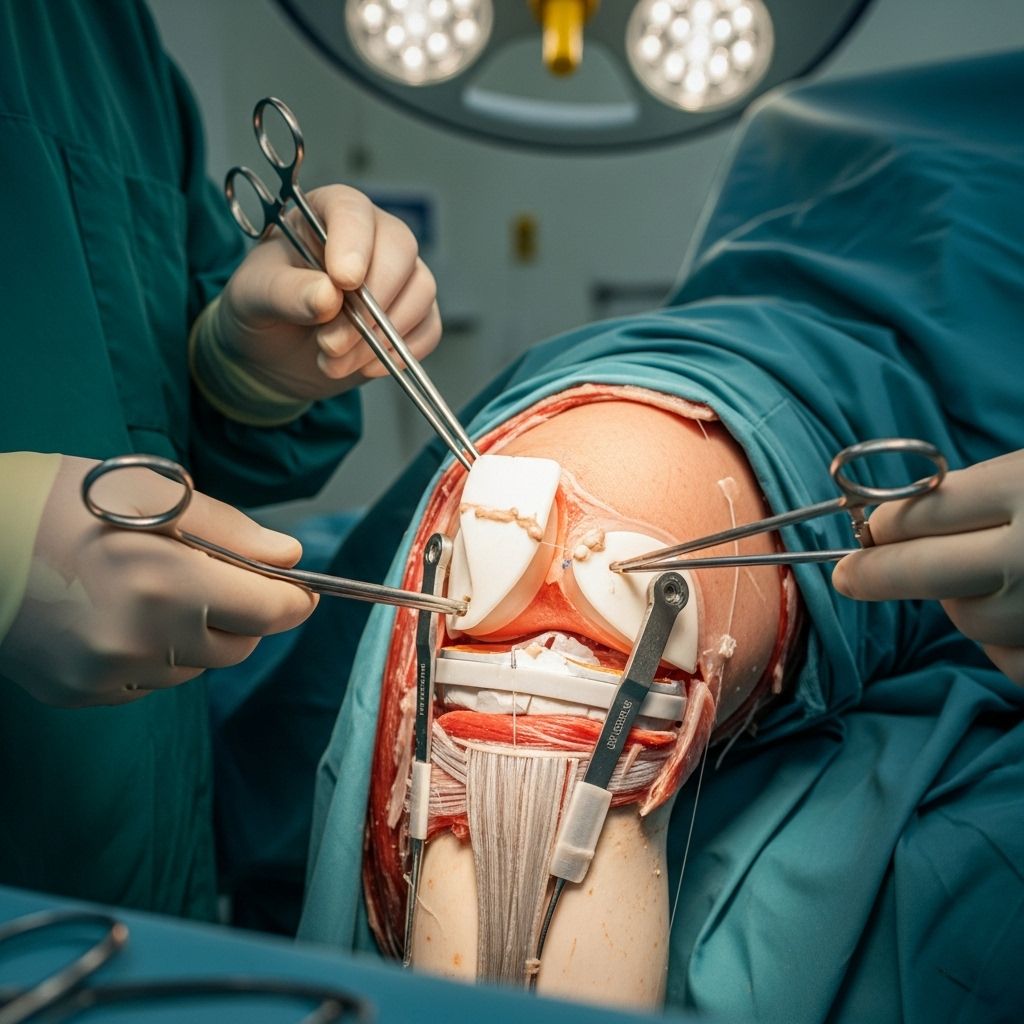
Knee replacement surgery, also known as knee arthroplasty, is a highly effective procedure for people with severe knee damage or arthritis that causes persistent pain and limited mobility. This article offers a detailed, step-by-step look at how a knee replacement is performed, the types of operations available, what to expect before and after surgery, anaesthetic options, post-surgical care, and the importance of the National Joint Registry in the UK.
Introduction
Knee replacement surgery involves replacing a damaged, worn, or diseased knee joint with an artificial implant made of metal and plastic components. It is most often recommended for patients whose knee problems have not improved with conservative treatments such as medication, injections, or physical therapy. The operation’s main goals are to relieve pain, restore function, and improve quality of life.
Hospital Admission and Pre-Operative Preparation
If you are scheduled for knee replacement surgery, you will usually be admitted on the day of the operation. Prior to the procedure, a dedicated nurse will guide you to the operating theatre. There, depending on a thorough assessment of your health, you will receive one of the following forms of anaesthesia:
- General anaesthetic: You are completely asleep during the procedure.
- Spinal (regional) anaesthetic: You remain awake but have no feeling from the waist down. This is often combined with a sedative to help you relax or sleep throughout the surgery.
Summary of the Operation
The duration of knee replacement surgery usually ranges from 1 to 2 hours. However, the length of the procedure may be influenced by factors such as:
- Extent of knee damage
- Your age
- Your general health and any underlying conditions
Knee replacement surgery can be classified into two main types: total knee replacement and partial knee replacement.
Total Knee Replacement
The total knee replacement is the most prevalent form of knee arthroplasty. This approach involves replacing both surfaces of the knee joint—the lower end of the thigh bone (femur) and the upper end of the shin bone (tibia)—with artificial components.
Main Steps in a Total Knee Replacement
- Incision and Exposure: The surgeon makes a vertical cut (incision) down the front of the knee and gently moves the kneecap (patella) aside to access the knee joint.
- Removal of Damaged Bone and Cartilage: The ends of the femur and tibia are carefully cut away to remove the damaged joint surfaces.
- Preparation and Fitting of the Prosthesis: The bone ends are shaped to fit the artificial components, typically made of metal alloys and tough plastic. Special bone cement may be used to secure the implants in place.
- Kneecap Resurfacing (If Needed): In some instances, the surgeon will also replace the back surface of the kneecap with a plastic component for smoother movement.
- Ensuring Proper Alignment: The surgeon checks the fit, size, and alignment of the new joint to ensure smooth and stable motion.
- Closure: The kneecap is returned to its correct position. The incision is then closed with stitches, staples, or special surgical glue. A sterile dressing and a bandage are applied to protect the wound.
- Pain Control and Recovery: After completing the procedure, patients are monitored in a recovery room while anaesthesia wears off. Pain relief medication is administered as needed.
Detailed Breakdown: Steps in Table Format
| Step | Description |
|---|---|
| Incision | Vertical cut down the front of the knee |
| Kneecap Movement | Kneecap moved to access the joint |
| Bone Preparation | Removed damaged joint surfaces from femur and tibia |
| Fitting Prosthesis | Artificial metal and plastic parts are attached |
| Kneecap Resurfacing (if needed) | Back of kneecap is fitted with a plastic part |
| Wound Closure | Incision is closed with stitches, clips, or glue |
| Postoperative Care | Pain management and observation in recovery room |
Partial Knee Replacement
A partial knee replacement—also called unicompartmental knee replacement—is an option when arthritis or damage is limited to one compartment of the knee (either inner or outer side). In this procedure, only the damaged part of the knee joint is replaced.
- The surgical cut is smaller compared to a total knee replacement.
- Only the affected side of the knee is resurfaced with metal and/or plastic.
- Partial replacements often allow for faster recovery and may preserve more natural knee function.
Partial vs. Total Knee Replacement: Quick Comparison
| Aspect | Total Knee Replacement | Partial Knee Replacement |
|---|---|---|
| Amount of Bone Replaced | Both sides of joint (femur & tibia) | Only damaged compartment |
| Incision Size | Standard (longer) | Smaller |
| Recovery Time | Standard | Quicker recovery |
| Joint Function | Artificial joint replaces entire surface | Retains more natural knee function |
Directly After Surgery
Once the operation is complete, you will be closely monitored in a post-anaesthesia recovery room. Experienced nursing staff will check your vital signs (such as blood pressure, heart rate, and oxygen levels) and provide pain relief as needed.
- Pain management is a priority, with medication given as required.
- You may receive additional oxygen, fluids, and medications via intravenous (IV) infusion.
- If you feel sick or uncomfortable, let your nurse know so they can assist promptly.
- Once you have recovered from the effects of anaesthetic, you are transferred to the orthopaedic ward for continued care and physiotherapy.
Closure Methods and Dressings
To finish the operation, your surgeon will close the incision using one or more methods, such as:
- Dissolvable stitches (internal tissue repair)
- Staples/clips for the outer skin layer—usually removed after 12–14 days
- Special surgical glue in some cases
A sterile, splashproof dressing and bandage will cover the wound to keep it clean and protected during the initial period of healing.
Anaesthesia Options for Knee Replacement
There are two primary types of anaesthesia used in knee replacement surgery:
- General anaesthesia: You will be unconscious for the duration of the operation.
- Spinal or epidural anaesthesia: Numbs the lower half of your body. You may be drowsy but are generally awake.
The choice depends on your medical history, the nature of the procedure, and your anaesthetist’s advice. Sometimes, a combination of methods may be recommended for optimal pain management.
Factors Influencing the Type of Knee Replacement
- Extent of Knee Damage: Severe, widespread arthritis or injury often requires a full replacement, while limited, one-sided damage may be suitable for a partial replacement.
- Age and Activity Levels: Younger or very active patients may benefit from procedures that preserve more natural bone and function.
- Health Status: Chronic illnesses, weight, and other factors influence anaesthetic choice and surgical approach.
Aftercare and Recovery
After your knee replacement, the recovery process involves close monitoring, gradual mobilisation, and pain management. Key points of aftercare include:
- Observation in Hospital: Most patients are monitored for a night or two post-surgery to ensure safety and manage any complications.
- Pain management: Adequate pain relief to help you begin gentle movement soon after surgery.
- First Steps: Nurses and physiotherapists will help you stand and walk, often within 24 hours of the procedure, using aids if necessary.
- Wound Care: Regular monitoring of your bandage and surgical site for signs of infection or complications.
- Exercise and Rehabilitation: Following physiotherapy protocols is crucial for restoring function, flexibility, and strength.
Most patients find significant improvement in pain and mobility following their operation, though results may vary. Participation in recommended exercises accelerates recovery and optimises outcomes.
National Joint Registry (NJR)
Following your knee replacement operation, you will likely be asked for consent to submit your personal and surgical data to the UK’s National Joint Registry (NJR). The NJR plays a vital role in:
- Collecting data on knee replacements performed nationwide
- Monitoring and analysing outcomes for patient safety and effectiveness
- Helping in future improvements of knee replacement technology and techniques
Your participation is voluntary and helps contribute valuable information toward improving care for all knee replacement patients.
Frequently Asked Questions (FAQs)
What is the main goal of knee replacement surgery?
The main goals are to relieve chronic knee pain, restore function, and improve overall quality of life for people with severe knee arthritis or damage.
How long does knee replacement surgery take?
Most procedures take between 1–2 hours, though the exact time depends on the type of replacement, complexity, and patient health.
Will I be asleep during the operation?
You can have a general anaesthetic (asleep) or a spinal/epidural anaesthetic (awake but numb from the waist down). The choice is discussed with your medical team.
What is the difference between total and partial knee replacements?
A total knee replacement replaces both joint surfaces, while a partial replacement involves only the damaged compartment, offering potentially quicker recovery with less invasive surgery.
Do I have to share my data with the National Joint Registry?
No, participation is voluntary. However, the registry helps track surgery outcomes and improves the quality of joint replacement care.
How soon will I be able to walk after surgery?
Most patients begin walking with assistance within 24 hours after the surgery, depending on individual strength and recovery.
Key Takeaways
- Knee replacement surgery is a safe and effective solution for advanced joint damage not relieved by non-surgical treatments.
- You will have either a total or partial knee replacement based on your specific needs.
- Anaesthesia options are tailored to your health status and comfort preferences.
- After surgery, close monitoring, pain management, and physiotherapy are essential for a successful recovery.
- Registering your knee replacement with the National Joint Registry advances patient safety and quality of care for others.
If you are planning for or considering knee replacement, consult your healthcare specialists for personalized advice and support through every step of the journey.
Similar Articles







Read full bio of medha deb