How and When to Take Naproxen: Safe Use, Dosage, and Tips
A comprehensive guide to taking naproxen: effective pain relief, safe dosage, and essential precautions.
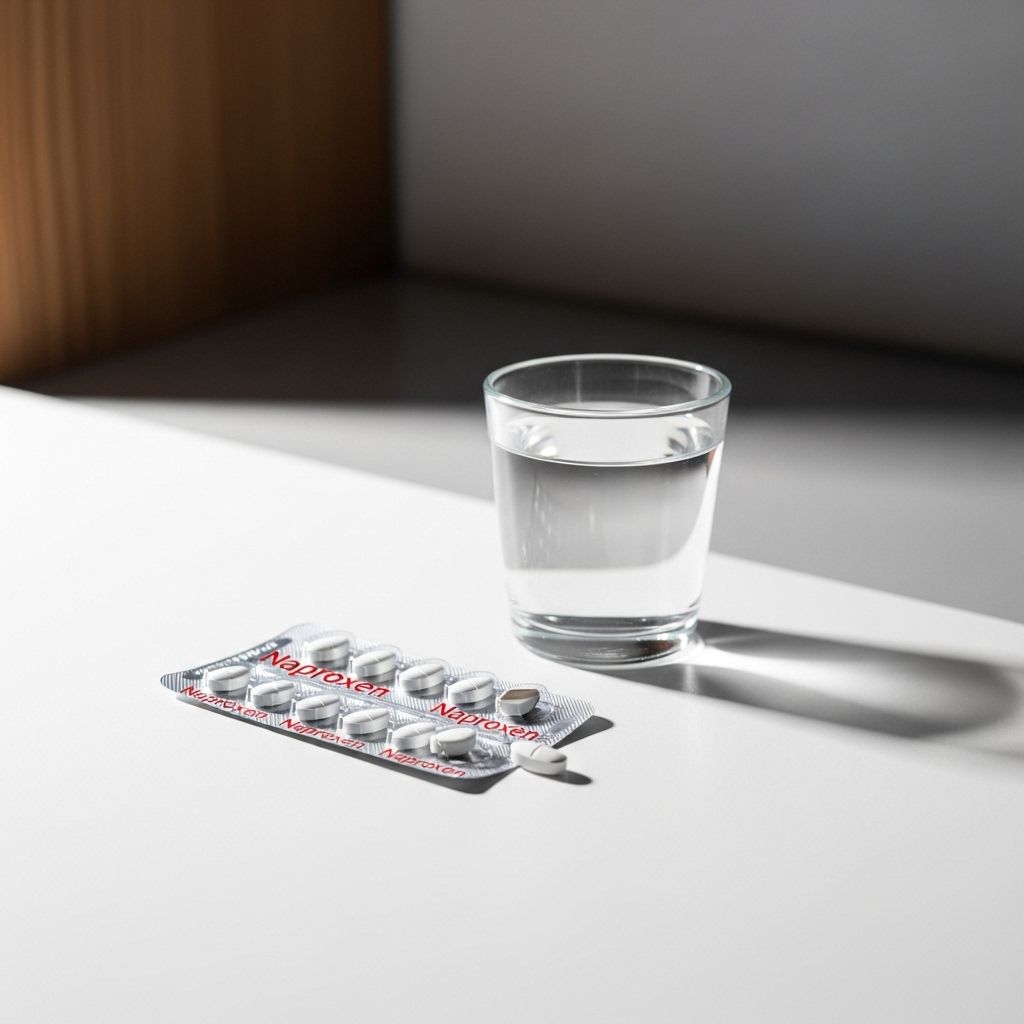
How and When to Take Naproxen
Naproxen is a non-steroidal anti-inflammatory drug (NSAID) used to relieve pain, reduce inflammation, and control fever. This medicine is commonly prescribed for a range of conditions, including arthritis, muscle injuries, period pain, and more. To get the most benefit and reduce the risk of side effects, it is important to understand how and when to take naproxen safely. This comprehensive guide explains everything you need to know before and while taking naproxen.
What Naproxen Is Used For
Naproxen helps relieve pain and reduce swelling. Typical uses include:
- Arthritis (osteoarthritis, rheumatoid arthritis, juvenile arthritis)
- Muscle aches and strains
- Back pain or sciatica
- Sprains and injuries
- Period pain (menstrual cramps)
- Acute gout attacks
- Migraine and headache (less commonly, as other NSAIDs may be more effective)
- Post-surgical pain
- Other inflammatory conditions
How to Take Naproxen: General Guidance
Take naproxen exactly as your doctor or pharmacist tells you or as directed on the label. Dosage and how frequently you take it depends on your condition, age, and the specific product (over-the-counter or prescription).
- Always swallow naproxen tablets whole with a glass of water.
- Take with or after food to reduce the risk of stomach upset.
- Stick to the prescribed dose—taking more can increase the risk of serious side effects.
- If in liquid form, use the provided oral syringe or spoon so you get the correct dose.
Different Naproxen Formulations
- Tablets and Capsules: Available in various strengths. Some are coated to protect your stomach (enteric-coated or gastro-resistant).
- Liquid Suspension: For children or those who have difficulty swallowing tablets.
When to Take Naproxen
Your doctor may advise you to take naproxen:
- Once or twice daily for ongoing conditions (like arthritis)
- Three times daily for short-term pain relief (such as for injuries or period pain)
- Right at the start of symptoms for menstrual pain or acute flare-ups of joint pain
Recommended Dosages
Dosage depends on the condition being treated, age, and whether you’re using naproxen on prescription or from a pharmacy. Here are standard dosage recommendations for adults and children:
| Condition | Starting Dose (Adult) | Follow-up Dose | Maximum Daily Dose |
|---|---|---|---|
| Arthritis (osteo/rheumatoid/ankylosing spondylitis) | 500 mg–1,000 mg daily (divided) | Every 12 hours | 1,000 mg (1,650 mg on specialist advice) |
| Period pain | 500 mg (first dose) | 250 mg every 6–8 hours as needed | 1,250 mg |
| Short-term pain/injury | 250 mg (may start with 500 mg) | Three to four times daily as needed | 1,250 mg |
| Acute gout | 750 mg (first dose) | 250 mg every 8 hours | 1,250 mg |
| Migraine or headache | 550 mg (start) | Can increase to 825 mg | 1,375 mg |
Children’s doses are based on weight and age; always follow your doctor’s guidance for children and use the correct formulation.
Special Considerations for Dosage
- Use the lowest effective dose for the shortest possible time.
- Doses for the elderly, those with kidney/liver impairment, or people at risk of gastrointestinal side effects may be lower.
- Never exceed the maximum dose stated on the package or by your healthcare provider.
Important Dosage and Duration Advice
For short-term over-the-counter use:
- Do not take for more than 10 days for pain or more than 3 days for fever without medical advice.
- For period pain, treatment usually lasts up to 3 days.
Long-term use should always be under regular medical supervision.
Missed Dose: What Should You Do?
If you forget to take a dose:
- Take the missed dose as soon as you remember, unless it is almost time for your next scheduled dose.
- If it’s nearly time for your next dose, skip the missed one and take your next dose at the regular time.
- Do not take two doses together to make up for a missed dose.
If you’re unsure, ask your doctor or pharmacist for guidance.
What to Do If You Take Too Much Naproxen
Taking more naproxen than recommended increases the risks of serious side effects. If you (or someone else) has taken too much:
- Seek medical attention immediately, even if you feel well.
- Symptoms of overdose can include severe stomach pain, vomiting, headache, drowsiness, confusion, seizures, or breathing problems.
- Bring the medicine packaging or leaflet to show the medical team if possible.
How Long Will You Need to Take Naproxen?
- For short-term conditions (e.g., muscle strains, period pain): use naproxen only for as long as needed, typically just a few days.
- For long-term conditions (e.g., arthritis): naproxen may be prescribed for months or years, but should be reviewed regularly by your doctor.
Side Effects: What to Watch Out For
Like all medicines, naproxen can cause side effects, though not everyone experiences them. Using the lowest effective dose for the shortest possible time reduces these risks.
Common Side Effects
- Heartburn or indigestion
- Nausea or vomiting
- Headache and dizziness
- Constipation or diarrhea
- Feeling tired or drowsy
- Itchy skin or mild rash
- Gas or abdominal pain
Serious Side Effects: When to Get Help
Seek urgent medical attention if you experience:
- Severe stomach pain or vomiting blood
- Blood in your stools or black, tarry stools
- Unexplained bruising or bleeding
- Shortness of breath, wheezing, or swelling of the face, lips, or tongue (signs of an allergic reaction)
- Yellowing of the skin or eyes (possible liver problem)
- Swollen ankles or sudden weight gain (possible kidney or heart problem)
Who Should Not Take Naproxen?
- People with a history of stomach ulcers, bleeding, or perforation
- Those with severe heart, liver, or kidney problems
- People allergic to naproxen or other NSAIDs (such as ibuprofen or aspirin)
- Children under 2 years (without medical advice)
Consult your doctor for alternatives if you have any concerns or other health conditions that may increase risks.
Tips for Safer Naproxen Use
- Always take naproxen with food or milk to reduce stomach irritation.
- Do not drink alcohol while taking naproxen, as this increases the risk of stomach bleeding.
- Be cautious if taking other medicines, especially other NSAIDs, blood thinners, or certain antidepressants.
- If you need pain relief for long-term use, your doctor may prescribe a medicine to protect the stomach, such as a proton pump inhibitor (PPI).
- Store naproxen at room temperature, away from moisture and out of the reach of children.
Taking Naproxen with Other Medicines
If you’re taking naproxen, discuss all your medications with your healthcare provider. Some medicines increase the risk of side effects, especially:
- Other NSAIDs (like ibuprofen or aspirin)
- Blood thinners (warfarin)
- Selective serotonin reuptake inhibitors (SSRIs)
- Diuretics (water tablets)
- Corticosteroids
- Medicines for high blood pressure or heart problems
Always check with your doctor or pharmacist before starting any new medicine.
Frequently Asked Questions (FAQs)
Q: How quickly does naproxen work?
A: Naproxen usually starts working within 1 hour, but full effect (especially for inflammation) may take several days.
Q: Can I take naproxen every day?
A: Daily use may be prescribed for chronic conditions, but only under medical supervision. Always use the lowest effective dose for the shortest period.
Q: Is it safe to drink alcohol while taking naproxen?
A: It is best avoided, as combining naproxen with alcohol increases the risk of stomach bleeding and ulcers.
Q: What should I do if I forget a dose?
A: Take the missed dose as soon as you remember, unless it’s almost time for your next dose. Never take two doses at once.
Q: Can naproxen be taken with food?
A: Yes, always take naproxen with or after food or with milk to protect your stomach lining.
Q: What should I do in case of an overdose?
A: Seek emergency medical help immediately. Overdose can lead to serious complications even if you feel well at first.
Summary Table: Key Points on Naproxen Use
| Key Point | Summary |
|---|---|
| Uses | Pain, inflammation, fever, period pain, arthritis, sprains, and more |
| How to take | With food or milk, at same times daily, swallow whole |
| Usual adult dose | 250-500 mg; may be taken 1–4 times per day, as advised |
| Maximum daily dose | 1,250 mg (sometimes higher for chronic arthritis by specialist) |
| Common side effects | Heartburn, nausea, headache, dizziness, constipation |
| Serious risks | Stomach bleeding, allergic reaction, kidney/liver/heart problems |
| Missed dose | Take as soon as you remember, but never double up |
| Overdose | Seek emergency help |
Further Advice and When to See a Doctor
- If pain lasts more than 10 days (adults) or more than 3 days for fever, contact a doctor.
- Report any unusual symptoms (rash, swelling, breathing problems) immediately.
- Regular medical reviews are essential for long-term naproxen use.
- Discuss non-drug pain relief options with your healthcare provider if you have risk factors for complications.
Your doctor or pharmacist is the best source of advice if you have any questions about taking naproxen safely.
Similar Articles






Read full bio of Sneha Tete