How to Tell If You Have a Hernia: Signs, Symptoms, and Treatments
Learn the key signs of hernias, risk factors, when to see a doctor, and modern treatment options for hernia repair.
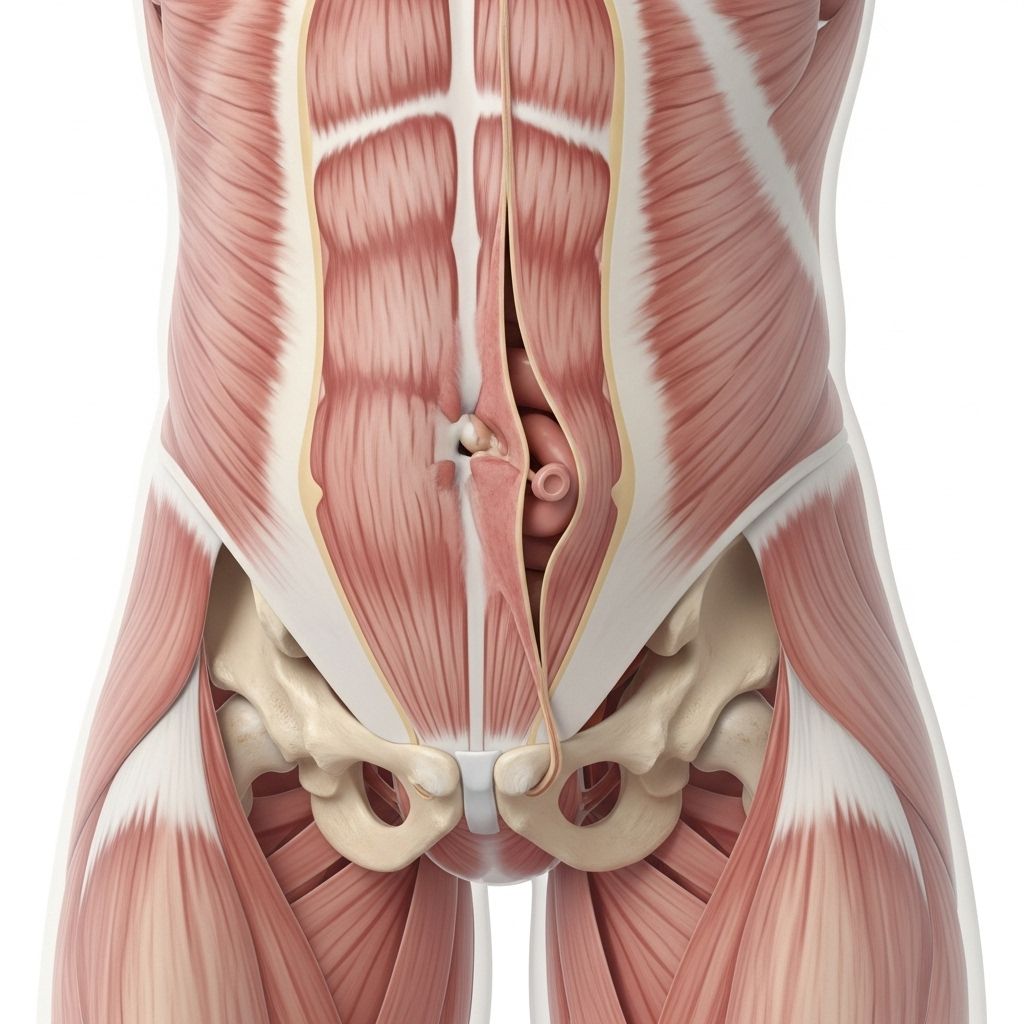
Hernias are a common medical condition that can cause discomfort and affect daily life. Understanding the signs, symptoms, risk factors, and treatment options is essential for early detection and effective management. This comprehensive guide explains hernia types, causes, diagnostic steps, modern treatment options, and when to seek medical attention.
What Is a Hernia?
A hernia occurs when an internal organ or tissue protrudes through a weak spot in the muscle or surrounding connective tissue. Hernias can develop in several areas of the body, and their symptoms and risks vary depending on the location. Prompt identification and management are crucial to prevent complications.
Common Types of Hernias
While hernias can occur throughout the body, the most frequently observed types include:
- Inguinal hernia – Occurs in the groin area; most common among men.
- Hiatal hernia – Appears at the opening of the diaphragm where the esophagus passes through; more prevalent in older adults.
- Umbilical hernia – Develops near the belly button, common in infants but can affect adults.
- Incisional hernia – Forms at a previous surgical incision site.
- Femoral hernia – Occurs near the upper thigh, more common in women.
What Causes a Hernia?
Hernias arise when internal pressure causes an organ or tissue to push through a weakened muscle or tissue wall. Several factors contribute to the development of a hernia, often a combination of muscle weakness and increased pressure. Common causes and risk factors include:
- Heavy lifting, particularly without proper technique
- Chronic coughing or sneezing
- Obesity or excess abdominal fat
- Straining during bowel movements or urination
- Pregnancy, due to increased abdominal pressure
- Previous surgery that weakens abdominal structure
- Congenital defects in muscle or tissue walls present from birth
Symptoms: How to Know If You Have a Hernia
The symptoms vary by hernia type and severity, but most hernias share several key warning signs. Recognizing these symptoms early is vital:
- Noticeable bulge or bump under the skin – Often in the abdomen or groin, may become more apparent when standing, coughing, or straining.
- Pain or discomfort at the hernia site – Ranges from mild tenderness to severe pain, which may worsen with lifting, coughing, or physical activity.
- Heaviness or pressure sensation in the affected area.
- Burning or aching sensation at the site of the bulge.
- Swelling or enlargement of the bulge over time.
Some individuals may not experience pain, especially if the hernia is small. Symptoms can develop slowly or appear suddenly, especially after physical exertion or heavy lifting.
Symptoms by Hernia Type
| Hernia Type | Main Symptoms |
|---|---|
| Inguinal | Groin bulge, pain, heaviness, burning, male predominance |
| Hiatal | Heartburn, acid reflux, chest pain, regurgitation, swallowing difficulty |
| Umbilical | Bump near navel, tenderness, visible with crying in infants |
| Incisional | Bulge at surgical scar, tenderness, swelling, site-specific |
| Femoral | Bump in upper thigh/groin, more common in women, pain with exertion |
When Should You See a Doctor?
See a healthcare provider promptly if you:
- Notice a new or enlarging lump or bulge, especially in your abdomen or groin
- Experience persistent pain, discomfort, or pressure at a possible hernia site
- Have severe pain, redness, or tenderness – these may suggest a strangulated hernia, which is a medical emergency
- Develop nausea, vomiting, or an inability to pass stool or gas, which may signal bowel obstruction from a hernia
Hernias do not resolve on their own. Timely evaluation prevents serious complications, especially if tissue is trapped (incarcerated) or blood supply is cut off (strangulated).
How Are Hernias Diagnosed?
Diagnosis begins with a thorough medical history and physical examination. During the exam, the healthcare provider will:
- Feel and inspect the suspected area for a bulge
- Ask you to stand, cough, or strain to accentuate hernia visibility
- Review your symptoms, risk factors, and past surgical history
Further diagnostic tests may be used, especially for internal hernias or unclear cases:
- Ultrasound – Helps detect hernias not visible externally
- CT scan or MRI – Offers detailed images and helps plan treatment
- X-ray with contrast – Especially useful in hiatal hernias and bowel obstruction
- Endoscopy – Used for hiatal hernias to view the stomach and esophagus
Common Risk Factors for Hernias
- Having a family history of hernias
- Being male (especially for inguinal hernias)
- Aging, which weakens muscle tissue over time
- Chronic cough from smoking or lung disease
- Chronic constipation or straining during bowel movements
- Frequent heavy lifting or strenuous physical activity
- Poor nutrition and weak abdominal muscles
- Pregnancy expanding abdominal wall pressure
How Are Hernias Treated?
The only definitive treatment for a hernia is surgery, as hernias will not heal on their own. The urgency and method of repair are determined by symptoms, hernia size, location, and health status.
Watchful Waiting
For small, asymptomatic hernias, particularly if the risks of surgery outweigh potential benefits, careful monitoring (watchful waiting) may be recommended. Patients are instructed to avoid activities that increase abdominal pressure and monitor for changes or new symptoms.
Surgical Repair Options
Hernia repair surgery aims to push the protruding tissue back into place and reinforce the weakened area. The two primary surgical approaches include:
- Open repair – A direct incision is made over the hernia; the surgeon pushes the tissue back inside and repairs the muscle wall, often strengthening it with mesh for added support.
- Minimally invasive (laparoscopic) repair – Involves several small incisions, use of a camera, and special instruments; offers less postoperative pain, quicker recovery times, and smaller scars. Mesh is usually used to reinforce the repair.
The exact method is chosen based on hernia type, size, patient health, and surgeon expertise.
Recovery After Hernia Surgery
Recovery varies depending on the type of repair. Typically, patients can:
- Go home the same day (for many minimally invasive or open repairs)
- Return to light activity in a few days
- Resume moderate activity, including work, within one to two weeks
- Gradually return to lifting or strenuous activity over 4 to 6 weeks
Follow your surgeon’s instructions carefully for the best outcomes. Most operations are highly successful, with rare recurrence if guidelines are followed.
Can Hernias Be Prevented?
While not all hernias are preventable, you can reduce risk by practicing certain healthy habits:
- Use correct lifting techniques: lift with your legs, not your back or abdomen
- Maintain a healthy weight to reduce abdominal pressure
- Treat constipation and avoid straining during bowel movements
- Avoid chronic coughing by managing respiratory conditions and quitting smoking
- Strengthen core muscles with regular, appropriate exercise
Potential Complications of Untreated Hernia
If left untreated, a hernia can cause serious complications:
- Incarceration: The herniated tissue becomes trapped, leading to pain and swelling, and may prevent blood supply to organs.
- Strangulation: Blood flow is completely cut off, causing tissue death; requires emergency surgery.
- Bowel obstruction: Blockage of the intestines can occur, causing severe pain, vomiting, and loss of bowel function.
Contact your healthcare provider immediately if you experience sudden, severe pain, nausea, vomiting, or cannot pass stool or gas.
Frequently Asked Questions (FAQs)
Q: What does a hernia feel like?
A hernia often feels like a soft lump or bulge beneath the skin at the affected site. It may be painless or cause aching, burning, or sharp pain, especially when coughing, bending, or lifting.
Q: Can you push a hernia back in?
Some hernias can be gently pushed back in by lying down and applying light pressure, but this should only be attempted if your healthcare provider has instructed you. Never force it, as doing so could cause harm or complications.
Q: Are hernias dangerous?
Hernias are not always immediately dangerous, but if untreated, they can become trapped (incarcerated) or strangulated, causing severe pain and life-threatening complications. Prompt evaluation is recommended for all hernias.
Q: Who is at highest risk for a hernia?
Men, older adults, individuals with a family history of hernia, people who are overweight, and those who engage in heavy lifting or straining are at higher risk.
Q: Will a hernia get worse if I ignore it?
Yes. Hernias tend to increase in size and symptoms over time if left untreated. Ignoring the problem raises the risk of complications, making future treatment more complex.
Q: Are non-surgical treatments recommended?
There are currently no non-surgical cures for hernias. While supportive devices like trusses may temporarily reduce discomfort, surgery remains the only definitive treatment.
Key Takeaways
- Hernias occur when tissue or organs push through a weakened muscle wall
- Most hernias cause a visible bulge, pain, or pressure that worsens with activity
- Seek prompt medical evaluation for new or worsening symptoms
- Surgery is the only permanent solution, but modern techniques provide high success rates and quick recovery
- Preventative measures can minimize the risk for many people
References & Further Reading
- Johns Hopkins Medicine – Hernia Signs, Symptoms, Diagnosis and Treatment
- National Institutes of Health – Hernia Information
- American College of Surgeons – Patient Education on Hernias
Similar Articles






Read full bio of medha deb