Inguinal Hernia Repair: What to Expect Before, During, and After Surgery
Comprehensive guide to inguinal hernia repair, including preparation, procedure types, recovery steps, risks, and post-surgical care.
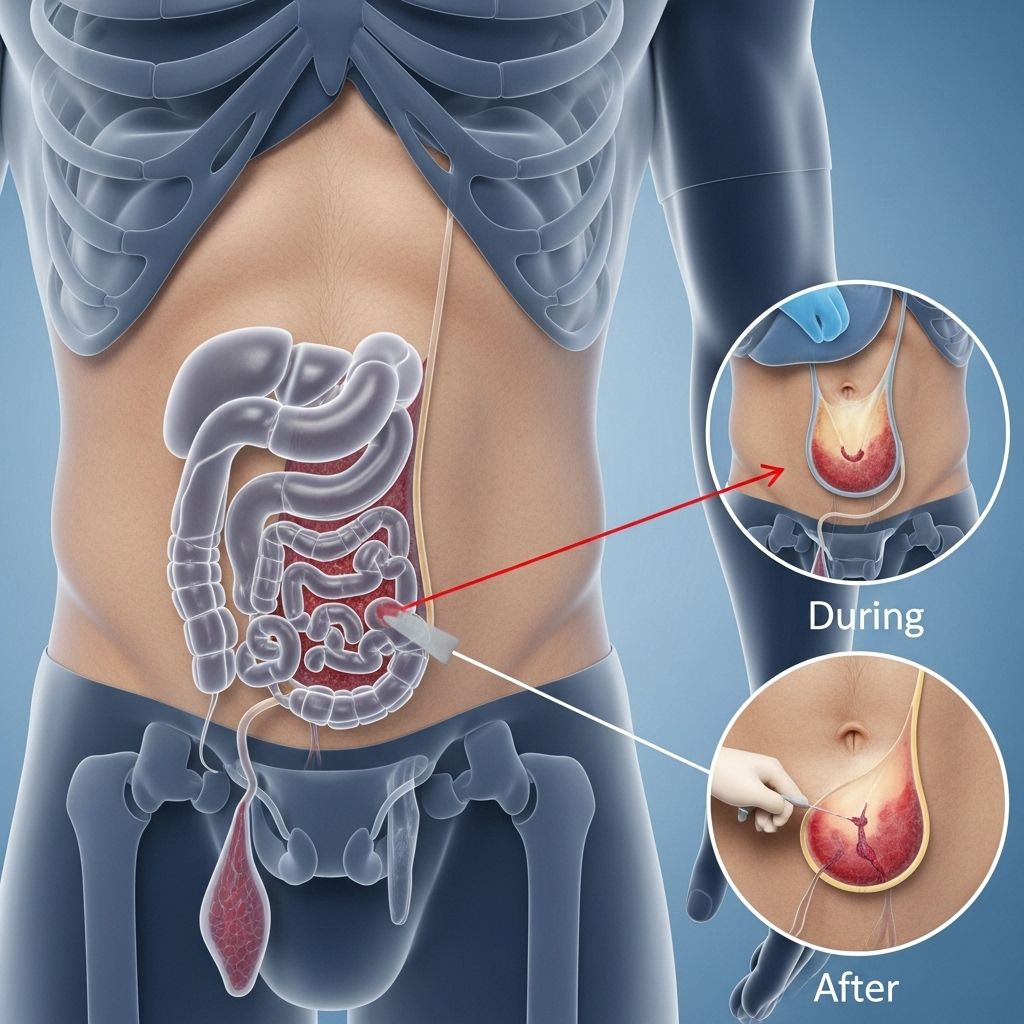
Inguinal Hernia Repair
An inguinal hernia is a condition in which tissue, often part of the intestine, protrudes through a weak spot in the abdominal muscles of the groin. Inguinal hernia repair is the surgical procedure to fix this weakness and return the protruding tissue to its proper place. If left untreated, inguinal hernias may lead to serious complications, such as bowel obstruction or strangulation. Surgery is the primary treatment to relieve symptoms and prevent future issues.
Alternative Names
- Herniorrhaphy
- Hernia repair
- Open inguinal hernia repair
- Laparoscopic inguinal hernia repair
What is an Inguinal Hernia?
An inguinal hernia occurs when a section of tissue, such as intestines, pushes through a weak area in the lower abdominal wall near the groin. This results in:
- A visible bulge in the groin or scrotum that may become more prominent when coughing or standing
- Discomfort or pain when lifting, bending, or straining
- Sensation of weakness, pressure, or burning in the groin
Severe cases may cause complications if the blood supply to the herniated tissue is compromised, requiring prompt surgical intervention.
Indications for Surgery
Surgical repair is typically recommended for:
- Large or symptomatic hernias causing pain or discomfort
- Hernias that have become trapped (incarcerated), blocking the intestine
- Strangulated hernias, which cut off blood supply to the tissue
- Most children and otherwise healthy adults, even for smaller hernias, to prevent complications
Some small, painless hernias in adults may be managed with watchful waiting if there are no symptoms or health risks.
Types of Inguinal Hernia Repair Surgery
The surgical approaches used to repair inguinal hernias fall into two main categories:
- Open (Herniorrhaphy) Repair
- The surgeon makes an incision in the groin, pushes the protruding tissue back into the abdomen, and repairs the weakened area, typically reinforcing it with surgical mesh to reduce recurrence.
- Laparoscopic (Minimally Invasive) Repair
- The surgeon makes several small incisions and uses a camera and specialized instruments to repair the hernia with mesh. Laparoscopic surgery usually results in less pain and faster recovery for some patients.
The choice of surgical method depends on patient health, hernia characteristics, prior surgeries, and surgeon expertise.
Before the Procedure
Proper preparation improves surgical outcomes and reduces the likelihood of complications. Prior to inguinal hernia repair:
- Medical History Review: Inform your healthcare provider if you are or could be pregnant, and discuss all medications (prescription and over-the-counter), supplements, or herbal remedies you are taking.
- Chronic Conditions: If you have diabetes, heart disease, or other chronic illnesses, coordinate with your regular provider for optimal management before surgery.
- Smoking: Quit or reduce smoking before surgery to speed healing and reduce blood clot risk. Ask your provider for resources if needed.
- Home Preparation: Arrange your living space for easy access and safety during your recovery.
- Transportation: Arrange for someone to drive you home after surgery, as you may not be able to drive yourself.
In the Week Before Surgery
- You may be instructed to stop taking blood thinners (such as aspirin, ibuprofen, naproxen, or vitamin E) temporarily to lower bleeding risk. Follow your provider’s instructions closely.
- Ask your surgeon which medications you should continue on the surgery day.
- Notify your surgeon about any illness (cold, flu, COVID-19, herpes, fever) before surgery, as this may necessitate postponement.
On the Day of Surgery
- Strictly follow instructions about fasting (stopping eating and drinking) before your procedure.
- Take only the medications your surgeon has cleared, with a small sip of water.
- Arrive at the hospital or surgical center on time to complete necessary paperwork and preoperative checks.
During the Procedure
The surgery usually involves these broad steps:
- Anesthesia is administered—usually general (you are asleep), but spinal or local anesthesia may be used in certain cases.
- The surgeon makes the appropriate incisions for either open or laparoscopic access.
- The hernia sac is identified. Protruding tissue is gently repositioned inside the abdominal cavity.
- The weak spot in the abdominal wall is repaired and usually reinforced with a synthetic mesh for added strength.
- The incisions are closed, and dressings are applied.
Most procedures last between 30 minutes to 1 hour, depending on complexity and method.
After the Procedure
Immediate Postoperative Recovery
- You will be moved to a recovery area, where medical staff will monitor your vital signs.
- Pain or discomfort is common and can be managed with medications prescribed by your physician.
- You will receive instructions about resuming light physical activity and limiting strenuous exercise or heavy lifting.
- Many patients can return home on the same day as the surgery, depending on the type and outcome.
Home Care Instructions
- Engage in gentle activities such as slow-paced walking to promote circulation.
- Avoid lifting heavy objects or vigorous activity for several weeks, as instructed by your provider.
- Monitor the incision site for signs of infection, such as increased redness, swelling, warmth, or discharge.
- Follow-up appointments are scheduled to assess healing and address any complications.
- Contact your surgeon immediately for fever over 101°F (38.3°C), persistent pain or swelling, or signs of wound infection.
Risks and Complications
As with any surgical intervention, inguinal hernia repair carries some risks. The most common complications include:
- Infection (of the incision or mesh)
- Bleeding
- Chronic pain at the surgical site
- Recurrence of the hernia (less than 3% of cases)
- Injury to nearby structures (blood vessels, nerves, bladder, or intestines)
- Adverse reaction to anesthesia
Carefully following pre- and postoperative instructions can significantly reduce the likelihood of complications.
Prognosis and Long-term Outlook
The expected outcome after inguinal hernia repair is typically excellent. Most patients experience:
- Effective relief from symptoms
- Restoration of normal activity within a few weeks
- Low chance of recurrence (2-3% with proper mesh support)
Adopting a healthy lifestyle, including weight management and avoiding heavy-lifting activities, further reduces recurrence risk.
When to Contact Your Provider
After surgery, contact your provider if you experience:
- Signs of infection (redness, swelling, warmth, pus at the incision site)
- Sudden or severe pain
- Increasing swelling or a new bulge in the groin
- High fever
- Difficulty urinating or passing gas/stools
Timely communication with your provider can prevent more serious complications.
Frequently Asked Questions (FAQs)
What causes an inguinal hernia?
Inguinal hernias often result from a combination of muscle weakness and strain. Factors can include aging, chronic cough, obesity, pregnancy, heavy lifting, or previous abdominal surgeries.
How long is recovery after inguinal hernia repair?
Most patients can return to light activity and non-strenuous work within 1–2 weeks. Full recovery, including a return to exercise and heavy lifting, usually takes 4–6 weeks, depending on the type of surgery and individual healing response.
Will I have a scar after hernia repair?
Yes, both open and laparoscopic surgeries leave scars. Laparoscopic surgery results in several small scars, while open repair typically leaves a single incision scar in the groin area. Scarring usually fades with time.
Can hernias come back after repair?
Recurrence is rare, with less than 3 in 100 patients experiencing a repeat hernia when repairs are performed using mesh support and proper surgical technique.
What activities should I avoid while recovering?
Avoid heavy lifting, intense exercise, strenuous work, or sudden bending and twisting for at least several weeks after surgery. Follow your surgeon’s specific instructions for safe activity resumption.
Summary Table: Inguinal Hernia Repair Overview
| Aspect | Details |
|---|---|
| Definition | Repair of tissue bulging through the abdominal wall in the groin |
| Symptoms | Groin bulge, pain, pressure, symptoms worsen when straining |
| Common Methods | Open surgery (herniorrhaphy), laparoscopic/minimally invasive repair |
| Anesthesia | General, spinal, or local depending on procedure and patient |
| Recovery Time | Light activity: 1–2 weeks; Full recovery: 4–6 weeks |
| Potential Risks | Infection, bleeding, recurrence, chronic pain, injury to tissues |
| Follow-up | Required to monitor healing, remove stitches if present, and evaluate for complications |
Additional Resources
- Ask your healthcare provider for detailed instructions tailored to your condition.
- Review patient education materials from reputable sources such as the National Institutes of Health and medical organizations.
Remember: Early diagnosis, informed discussions with your surgical team, and careful attention to postoperative care are essential for optimal results in inguinal hernia repair.
Similar Articles






Read full bio of Sneha Tete