Irritable Bowel Syndrome (IBS): Symptoms, Causes, Diagnosis, and Treatment
Comprehensive guidance on IBS, its symptoms, diagnosis, management, and self-care strategies for improving your gut health.
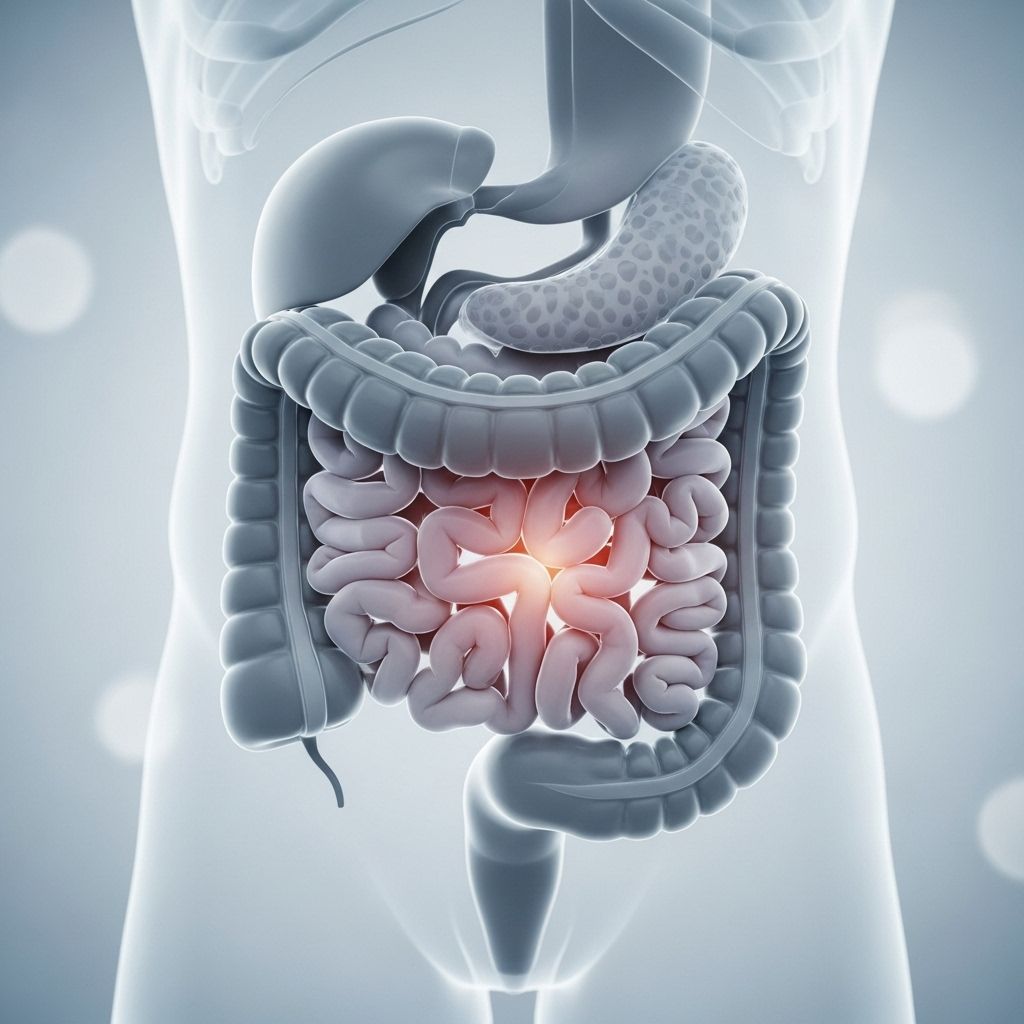
Irritable Bowel Syndrome (IBS)
Irritable Bowel Syndrome, commonly known as IBS, is a prevalent digestive disorder affecting millions of people worldwide. This guide provides thorough information about IBS, including its symptoms, causes, diagnosis, available treatments, advice for daily life, and when to seek further medical help.
Overview
IBS is a chronic condition of the digestive system that causes various symptoms, most commonly involving abdominal pain and changes in bowel habits. While IBS can be uncomfortable and sometimes disrupt daily life, it does not cause lasting harm to the gut or lead to serious conditions such as cancer.
The exact cause of IBS is not fully understood, but it is believed to be related to a combination of increased sensitivity in the gut, altered gut motility, and the effects of stress or certain foods. IBS can affect anyone but is most often seen in people between the ages of 20 and 40, with women more likely to be affected than men.
Symptoms of IBS
IBS symptoms can vary from one person to another and may change over time. Symptoms may be triggered or worsened by certain foods or stress. The main symptoms include:
- Abdominal pain or discomfort: Often crampy and may ease after passing stool.
- Bloating: Feeling of swelling or fullness in the abdomen.
- Changes in bowel habit: This can take several forms:
- Diarrhoea: Passing loose or watery stools.
- Constipation: Difficulty passing stools or infrequent bowel movements.
- Alternating episodes of diarrhoea and constipation.
- Sensation of incomplete bowel movement after emptying the bowels.
- Passing mucus with stools.
- A sudden urge to have a bowel movement.
Other associated symptoms can include:
- Nausea or feeling sick
- Excess wind or flatulence
- Tiredness and lethargy
- Backache
- Symptoms worsening during periods (for women)
When to See a Doctor
Although IBS is common and usually manageable, certain symptoms are not typical for IBS and may indicate a more serious problem. Consult your doctor or seek urgent medical advice if you experience:
- Unintentional and unexplained weight loss
- Rectal bleeding or blood in your stools
- Persistent change in bowel habit (especially if over age 60)
- A lump or swelling in the abdomen or rectum
- Night-time bowel movements that wake you up
- Family history of bowel or ovarian cancer
Possible Causes of IBS
The precise cause of IBS remains unclear, but several factors are thought to contribute to its development:
- Increased gut sensitivity: IBS sufferers often have a more sensitive digestive system.
- Abnormal gut motility: The muscles in the gut may contract too quickly or too slowly, leading to diarrhoea or constipation.
- Triggers such as food or stress: Certain foods or anxiety can trigger symptoms.
- Gut infections: Some cases develop after an episode of gastroenteritis, known as post-infectious IBS.
- Disturbed gut-brain communication: Disruption in the way the gut and brain interact may play a role.
Diagnosing IBS
There is no single test for IBS. Diagnosis is typically made based on:
- Your symptoms
- Duration (normally present for at least 6 months)
- Exclusion of other conditions through limited investigations
Healthcare professionals may ask detailed questions about your symptoms. For most people, a few basic tests may be done to exclude other causes:
- Blood test for anaemia (Full Blood Count – FBC), infection and inflammation (ESR, CRP)
- Test for coeliac disease antibodies
- Faecal calprotectin (especially if under 45 years old)
Certain further tests, such as colonoscopy or imaging, are not usually needed unless there are symptoms or findings that suggest an alternative diagnosis (see “When to See a Doctor”).
Treatments for IBS
While there is no cure for IBS, symptoms can often be managed with a combination of dietary adjustments, lifestyle changes, and sometimes medications. The approach should be tailored to each individual as triggers and responses vary widely.
Diet and Nutrition
Many people notice their symptoms are worsened by certain foods or eating patterns. General dietary advice for IBS includes:
- Eat regular meals and avoid skipping meals.
- Take time to eat slowly and avoid eating late at night.
- Limit intake of high-fat foods, spicy foods, and processed foods.
- Reduce caffeine and alcohol.
- Drink plenty of water (at least 8 cups daily).
- Adjust fibre intake as needed:
- If you have diarrhoea, try reducing insoluble fibre (e.g., wholegrain bread or cereals). Increase soluble fibre such as oats, ispaghula husk, or linseeds.
- If you have constipation, add more soluble fibre gradually.
- Consider a low FODMAP diet under guidance from a dietitian. This involves restricting certain types of fermentable carbohydrates that can trigger symptoms in susceptible individuals.
Lifestyle and Self-Help
- Engage in regular physical activity, such as walking, cycling, or gentle exercise.
- Manage stress with relaxation techniques, yoga, or mindfulness.
- Sleep well and maintain a regular sleep routine.
- Keep a food and symptom diary to identify possible triggers.
Medications
Your doctor may recommend medication if dietary and lifestyle measures are insufficient:
- Antispasmodics (e.g., mebeverine or hyoscine) to relieve gut cramps
- Laxatives for constipation (avoid lactulose as it may cause bloating)
- Antidiarrhoeals (e.g., loperamide) for diarrhoea
- Antidepressants at low doses to help with pain or ongoing symptoms
It’s important to use medication as directed by your healthcare provider, as not all medications are suitable for everyone.
Living with IBS
IBS is a long-term (chronic) condition, but most people find that their symptoms can be controlled with the right strategies. Many people experience periods of improvement alongside flare-ups. Support and advice can help people with IBS manage the impact on their daily life. Consider the following additional tips:
- Keep in regular contact with your healthcare team to adjust treatment as needed.
- Join support groups, as sharing experiences can provide practical and emotional help.
- Educate friends and family to enhance understanding and support at home and in work or study environments.
Possible Complications
IBS itself doesn’t directly cause serious health problems, but the symptoms can have a considerable impact on quality of life, work, and relationships. Some people may develop anxiety or depression as a result. It’s important to address both the physical and emotional aspects of IBS.
Frequently Asked Questions (FAQs)
Q: Can IBS lead to cancer?
A: No, IBS does not cause cancer and does not increase your risk of bowel cancer.
Q: Is there a cure for IBS?
A: There is currently no cure for IBS, but symptoms can be effectively managed for most people with dietary, lifestyle, and sometimes medication changes.
Q: Does IBS affect everyone in the same way?
A: No, symptoms and triggers vary widely between individuals. Some people may experience more diarrhoea, others more constipation or pain, and symptoms may shift over time.
Q: Will I need a lot of tests to diagnose IBS?
A: In most cases, diagnosis is based on symptoms and a few basic tests to rule out other conditions. Further testing is only required if there are warning signs or unusual symptoms.
Q: Are probiotics or supplements helpful for IBS?
A: Some people find probiotics helpful, but the evidence is mixed. It’s worth trying a single type of probiotic for at least one month. Supplements like soluble fibre can help some people with IBS.
IBS and Your Daily Life: Top Self-Help Tips
- Keep meals regular and relaxed
- Avoid triggers identified via symptom diary
- Get support from family, friends, healthcare professionals, or online groups
- Balance work, rest, and play to reduce stress impact
When to Seek Further Help
Seek urgent medical advice if you notice:
- Unexplained weight loss
- Rectal bleeding
- Significant change in symptoms
- Symptoms that disturb your sleep or occur at night
- Family history of bowel or ovarian cancer
Your healthcare provider will advise on further assessment and referral to a specialist if needed.
Quick Reference Table: Key IBS Symptoms vs. Red Flag Signs
| Feature | Common in IBS | Symptoms of Concern |
|---|---|---|
| Abdominal Pain | ✔ Often, relieved by defaecation | ✘ Gets worse over time, severe, persistent |
| Bloating | ✔ Very common | ✘ Associated with swelling or mass |
| Change in Bowel Habit | ✔ Periodic diarrhoea/constipation | ✘ New, persistent change in elderly, blood present |
| Rectal Bleeding | ✘ Not typical | ✔ Consult doctor urgently |
| Unintentional Weight Loss | ✘ Not typical | ✔ Seek urgent medical review |
Further Support and Information
- Your primary care doctor
- Registered dietitian
- Specialist IBS clinics or gastroenterologists
- Patient support organisations (such as the IBS Network in the UK)
This guide reflects current medical advice and best practice for Irritable Bowel Syndrome as presented by NHS resources and other authoritative UK health sources.
Similar Articles





Read full bio of Sneha Tete