Low Creatinine: Causes, Symptoms, Diagnosis, and Effective Treatments
A comprehensive guide to understanding the causes, symptoms, diagnostic process, and management strategies for low creatinine levels in the body.
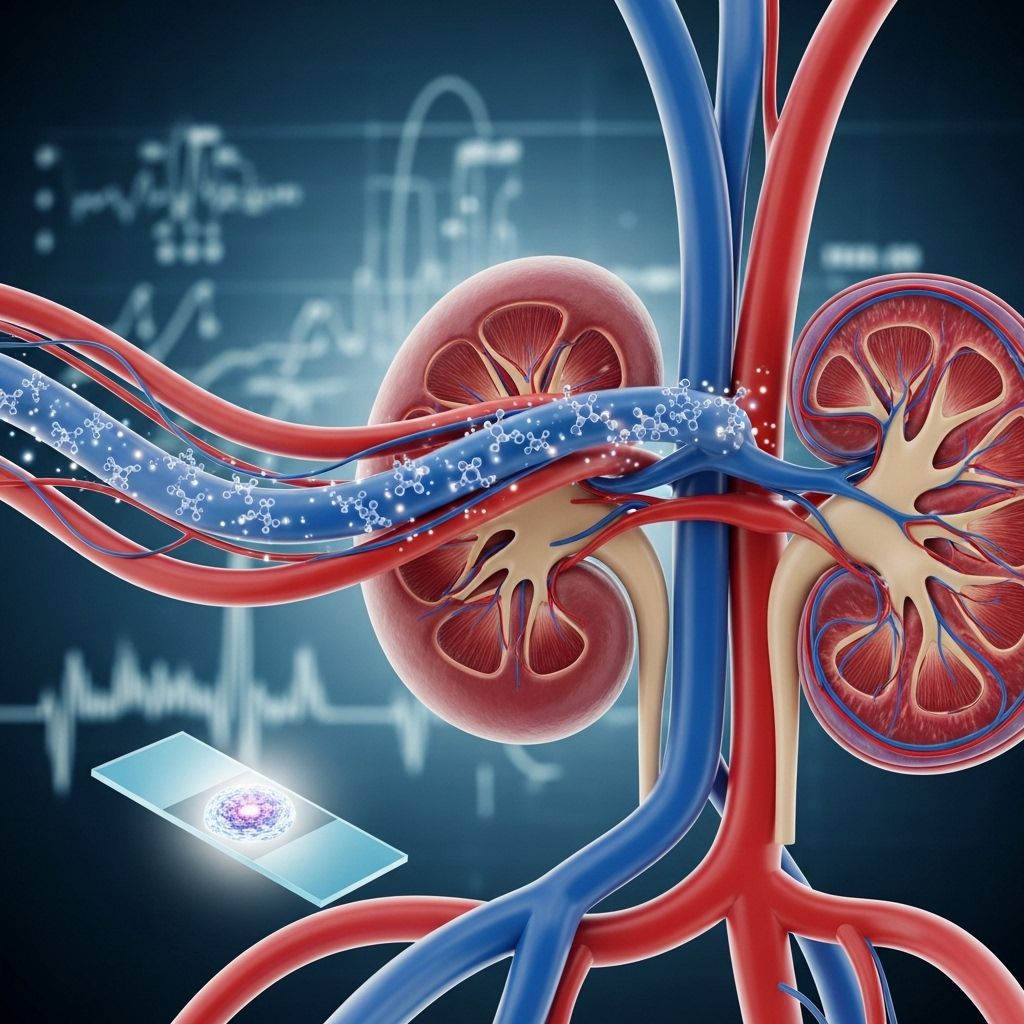
Understanding Low Creatinine: What You Need to Know
Creatinine is a byproduct of muscle metabolism, filtered primarily by the kidneys and excreted in the urine. Monitoring creatinine levels through blood and urine tests is a key tool for evaluating muscle health, kidney function, and underlying health conditions. While elevated creatinine is often associated with kidney disease, low creatinine levels can also provide critical health insights. This article provides a detailed overview of low creatinine—its causes, symptoms, diagnosis, and effective treatment strategies.
What Is Creatinine and Why Does It Matter?
Creatinine results from the breakdown of creatine, an energy-storing compound in muscles. Each day, the body produces a relatively constant amount of creatinine, which is directly proportional to muscle mass. Healthy kidneys efficiently filter creatinine from the blood and eliminate it via urine. Therefore, testing for creatinine is a standard method to assess both renal and muscular health. Low creatinine can indicate decreased muscle mass, specific health conditions, or even dietary factors that warrant attention.
Normal Creatinine Levels
| Population Group | Normal Creatinine Range (mg/dL) |
|---|---|
| Adult Males | 0.7 – 1.3 |
| Adult Females | 0.6 – 1.1 |
| Children | 0.2 – 1.0 |
Low creatinine is generally considered below 0.6 mg/dL for women and below 0.7 mg/dL for men, though ranges vary between laboratories.
Causes of Low Creatinine Levels
A variety of conditions and lifestyle factors can contribute to low creatinine levels in the blood. Understanding these causes is essential for proper diagnosis and management.
- Reduced Muscle Mass: Lower muscle mass means less creatinine production. This can occur with:
- Aging: Natural muscle loss occurs as people age.
- Muscle-Wasting Diseases: Conditions like muscular dystrophies or extended immobilization lead to significant loss of muscle tissue.
- Chronic Illness or Malnutrition: Severe illness or malnutrition reduces muscle reserves and, consequently, creatinine output.
- Liver Disease: The liver is responsible for synthesizing creatine from amino acids. Liver dysfunction or severe liver disease impairs creatine and creatinine production, leading to decreased levels.
- Dietary Factors: Diets very low in protein, especially vegetarian or vegan diets lacking in creatine-rich animal products, may result in lower levels.
- Pregnancy: Pregnancy increases blood volume and kidney filtration rate, which can dilute creatinine levels. This drop is generally temporary and resolves after delivery.
- Excessive Fluid Intake: Large amounts of water diluted in the blood can transiently reduce creatinine concentrations.
- Severe Weight Loss or Fasting: Rapid weight loss, prolonged fasting, or chronic undernutrition can result in a substantial decrease in muscle mass and creatinine.
- Rare Genetic or Metabolic Disorders: Rarely, carbohydrate metabolism disorders may lead to abnormally low creatinine.
Summary Table: Causes of Low Creatinine
| Cause | How It Lowers Creatinine |
|---|---|
| Muscle Loss (Aging/Illness) | Reduces creatinine production |
| Liver Disease | Decreased creatine synthesis |
| Low-Protein Diet | Insufficient dietary creatine |
| Pregnancy | Increased blood volume dilutes levels |
| High Water Consumption | Transient dilution of blood creatinine |
Symptoms of Low Creatinine
Low creatinine levels themselves rarely cause specific, recognizable symptoms. Rather, the symptoms observed usually stem from the underlying condition causing the low creatinine. Some of the key symptoms and signs to watch for include:
- Muscle Weakness: Diminished strength, difficulty performing physical activity, or a frail or thin body appearance.
- Fatigue: General tiredness, low energy, and difficulty with prolonged physical activity.
- Liver Disease Symptoms: Jaundice, swelling, pain in the upper right abdomen, nausea, and persistent fatigue.
- Malnutrition: Loss of appetite, unintentional weight loss, frequent illness, thin appearance.
- Dizziness or Faintness: Particularly with rapid weight loss or during illness.
It is essential to understand that most people with mildly low creatinine do not notice any symptoms. Symptoms become more apparent when the underlying condition is severe or persistent.
How Is Low Creatinine Diagnosed?
Routine blood tests often reveal low creatinine levels. However, determining the cause and significance requires a detailed clinical evaluation.
- Blood Tests: Serum (blood) creatinine is typically measured as part of a comprehensive metabolic panel. In adults, levels consistently below 0.6 mg/dL in women or 0.7 mg/dL in men are considered low, but ranges depend on muscle mass and laboratory reference standards.
- Urine Creatinine Test: A 24-hour urine collection may be used to measure how much creatinine is excreted, which helps differentiate between kidney and non-kidney causes.
- Additional Laboratory Tests: Assessments for liver enzymes, markers of muscle breakdown, nutritional markers (albumin, prealbumin), and kidney function (e.g., eGFR) provide deeper insights.
- Clinical Assessment: Health history, physical examination (muscle mass, neurologic function), dietary review, and evaluation for chronic conditions aid in diagnosis.
The diagnostic process generally involves combining laboratory data with clinical context to identify the reason for the abnormal result.
Treatment Options for Low Creatinine
The goal of treating low creatinine is to address and manage the underlying cause. Low creatinine itself is not usually harmful, but persistent abnormal values should not be ignored. Treatment strategies may include:
1. Increasing Muscle Mass
- Strength Training: Engaging in resistance exercises (such as weight lifting, resistance bands, or bodyweight workouts) at least 2-3 times per week helps build and preserve muscle mass.
- Consistency: Progressively increasing exercise intensity ensures continued muscle growth and metabolism stabilization.
- Physical Therapy: In cases involving illness or mobility limitations, supervised physical therapy can prevent muscle loss and aid recovery.
2. Optimizing Nutrition
- High-Protein Diet: Including more lean meats, fish, dairy, eggs, legumes, nuts, and seeds helps build and repair muscle tissue.
- Creatine-Rich Foods: Red meats and fish specifically provide dietary creatine, which may be helpful for those with reduced intake.
- Dietary Supplements: For selected individuals (such as athletes or those unable to consume adequate dietary protein), creatine supplements may be considered—only with healthcare provider supervision.
- Balanced Diet: Ensuring sufficient calories, vitamins, and minerals prevents or corrects malnutrition.
3. Addressing Underlying Health Conditions
- Liver Disease: Management may include medications, lifestyle changes, abstinence from alcohol, and specific treatments to support liver function.
- Chronic Illness or Hospitalization: Interventions may involve nutritional support, physiotherapy, treating ongoing illnesses, and preventing further muscle breakdown.
- Pregnancy: Monitoring continues throughout pregnancy. Levels usually return to normal after childbirth and rarely require specific intervention.
4. Hydration Management
- Appropriate Fluid Intake: Maintain balanced hydration, but avoid excessive intake of fluids unless medically indicated, as this can dilute creatinine and other blood markers.
Lifestyle Modifications and Prevention
Certain proactive steps help prevent low creatinine and promote overall health:
- Regular Physical Activity: Stick to a consistent exercise regimen to maintain muscle mass and metabolic health.
- Adequate Nutrition: Eat well-balanced meals with sufficient protein, healthy fats, and carbohydrates.
- Avoid Extreme Diets: Restrictive or prolonged low-calorie diets are associated with muscle loss, contributing to lower creatinine levels.
- Monitor Chronic Conditions: Work closely with your healthcare team to manage liver disease, chronic illnesses, or neuromuscular disorders.
- Regular Health Checkups: Periodic laboratory assessments can help detect abnormal creatinine or other health changes early, allowing for timely intervention.
When to See a Doctor
If you experience unexplained muscle weakness, fatigue, sudden weight loss, or you have a chronic health condition, consult your healthcare provider. Persistent low creatinine on lab results is not diagnostic by itself but warrants further evaluation to target the root cause.
Frequently Asked Questions (FAQs) About Low Creatinine
Q: What does low creatinine mean on a blood test?
A: Low creatinine on a blood test may suggest reduced muscle mass, liver disease, or a diet low in protein. It is rarely a direct health risk but often points to an underlying condition that may require attention.
Q: Can you have low creatinine and still be healthy?
A: Yes, some individuals—such as older adults, people with low muscle mass, or pregnant women—can have low creatinine and be perfectly healthy. However, unexpectedly low results may warrant further assessment.
Q: How can I increase my creatinine levels naturally?
A: Building muscle through strength training, adding more high-quality protein sources to your diet, and avoiding unnecessary prolonged fasting are effective ways to naturally increase creatinine levels.
Q: Should I be concerned if my creatinine is low during pregnancy?
A: A drop in creatinine during pregnancy is common due to increased blood volume and kidney filtration. Levels usually return to normal after delivery and are rarely a cause for concern unless accompanied by other symptoms.
Q: What other conditions are associated with abnormal creatinine levels?
A: Abnormally low creatinine is most often associated with muscle loss, liver disease, or malnutrition. Conversely, high creatinine is commonly linked with kidney dysfunction. Both require medical evaluation to determine the underlying cause and appropriate treatment.
Key Takeaways
- Low creatinine is often a signpost for underlying health conditions rather than a problem in itself.
- The most common causes are muscle loss, liver disease, dietary insufficiency, pregnancy, and excessive water intake.
- Diagnosis involves blood and urine tests combined with an evaluation of clinical history, diet, and overall health.
- Treatment is tailored to the specific cause and may include building muscle through exercise, optimizing nutrition, and managing associated health conditions.
If you suspect your creatinine levels are abnormal, seek guidance from your healthcare provider. Understanding your test results is the first step toward proactive health and personalized medical care.
Similar Articles





Read full bio of Sneha Tete