3 Myths About Cholesterol-Lowering Statin Drugs
Uncover the truth behind common misconceptions about statin drugs, their safety, effectiveness, and role in heart health.
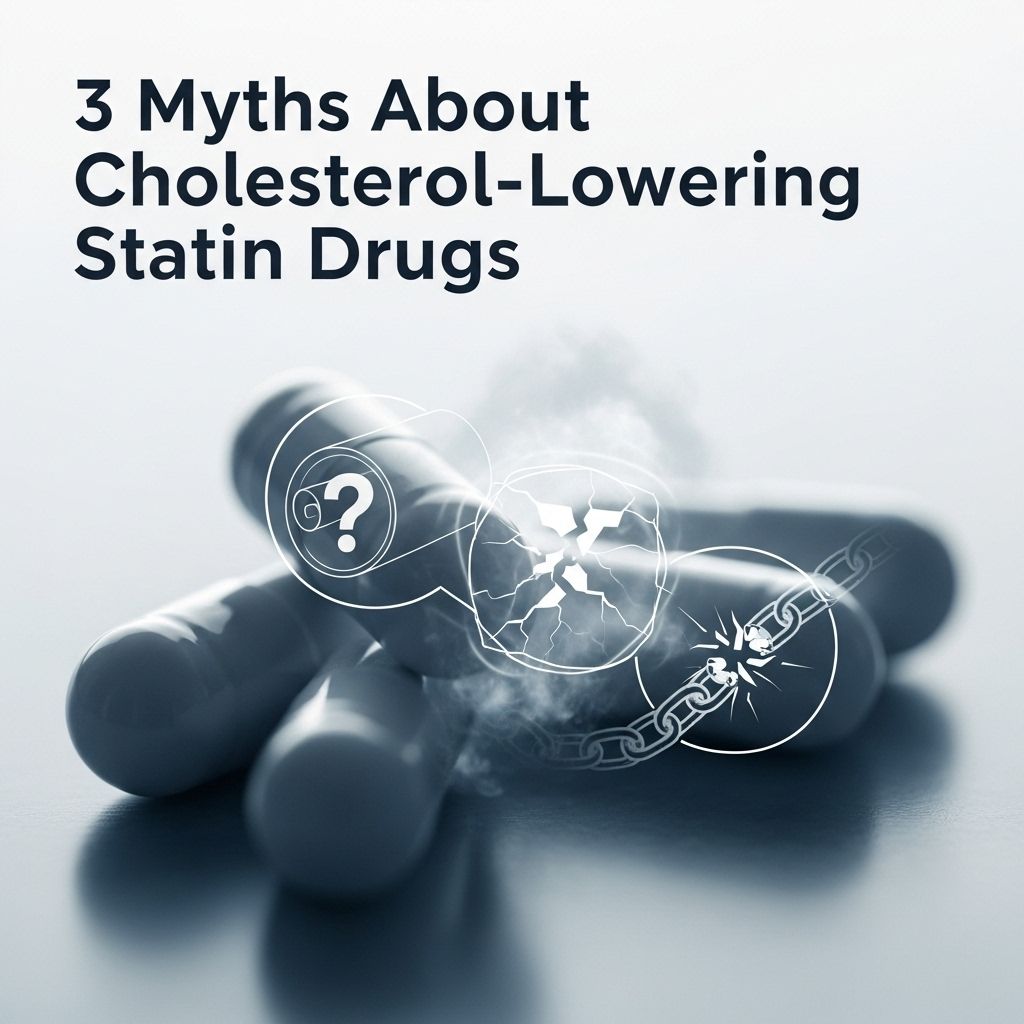
Cholesterol plays a pivotal role in cardiovascular health, and elevated cholesterol levels are a significant risk factor for heart disease and stroke. To tackle this risk, statins—one of the most widely prescribed classes of cholesterol-lowering medications—have helped millions of people manage their cholesterol. Yet, despite the proven benefits associated with statin therapy, misconceptions and fears persist. This article examines three of the most prevalent myths about statins, provides the facts behind them, and offers guidance for better heart health.
Understanding Statins: What Are They?
Statins are medications designed to block a liver enzyme essential to cholesterol production. By doing so, they significantly reduce low-density lipoprotein (LDL) cholesterol—the so-called “bad” cholesterol—in the blood, thereby lowering the risk of heart attack, stroke, and other vascular events.
Some of the most common statins include:
- Atorvastatin (Lipitor)
- Rosuvastatin (Crestor)
- Simvastatin (Zocor)
- Pravastatin (Pravachol)
- Lovastatin (Mevacor)
Decades of research have demonstrated that statins are exceptionally effective. For example:
- Statin therapy can reduce the risk of heart attacks and strokes by up to 40% in some high-risk populations.
- Even individuals with normal cholesterol levels benefit if they have underlying heart disease or diabetes.
Myth 1: Statins Are Dangerous and Cause Severe Side Effects
Many people worry about the safety profile of statins, believing these drugs provoke dangerous or intolerable side effects. While medications are seldom entirely free from risks, the overwhelming majority of statin users tolerate them without issue.
- Muscle Pain: Roughly 5–10% of patients report mild muscle aches or cramps, which can often be managed by adjusting the dose or choosing a different statin.
- Liver Enzyme Elevations: Mild elevations are detected in a small percentage of users, but severe liver problems are extremely rare. It is standard practice for doctors to monitor liver function periodically during statin therapy.
- Blood Sugar: Statins may slightly raise blood sugar, but the risk of developing diabetes is outweighed by the number of heart attacks prevented. Most individuals who develop diabetes on statins would have become diabetic anyway, only slightly later.
- Cognitive Effects: Concerns about memory loss or dementia have not been validated by large scientific studies.
- Cancer Concerns: Fears that statins promote cancer have been disproven; some research suggests statins may even reduce cancer risks.
Evidence in Perspective:
- In clinical trials, over 90% of patients taking statins report no significant side effects.
- Most side effects occur in the first few weeks; many reported problems are not actually caused by statins.
- The benefits of preventing cardiovascular events far exceed the smaller risks for most patients.
Myth 2: Statins Are Only for People with High Cholesterol
Another persistent myth is that statins are only meant for individuals with very high cholesterol numbers. In reality, statins are prescribed based on overall cardiovascular risk, not just cholesterol levels.
Who Should Consider Statin Therapy?
- Individuals with established heart disease, such as coronary artery disease, previous heart attacks, or stroke
- Those diagnosed with diabetes
- People aged 40–75 who have a 20% or higher risk of heart attack over the next decade, as calculated by specific risk scores
- Anyone with hereditary conditions that cause abnormally high LDL cholesterol (familial hypercholesterolemia)
Major medical societies, including the American Heart Association and American College of Cardiology, recommend statins for these groups irrespective of their baseline cholesterol readings. This guideline recognizes that cardiovascular risk factors—such as high blood pressure, diabetes, age, or family history—may warrant statin use even when cholesterol is not dramatically elevated.
Table: Indications for Statins
| Condition or Risk Factor | Statin Recommended? |
|---|---|
| Established Heart Disease | Yes |
| Diabetes (age 40–75) | Yes |
| LDL Cholesterol ≥190 mg/dL | Yes |
| 10-Year Heart Attack Risk ≥20% | Yes |
| Low or Moderate Risk, Low Cholesterol | No, unless other risk factors exist |
Ultimately, statins are one vital tool among several for reducing risk of major cardiac events. Individual decisions should be made with a healthcare provider, taking into account the personal clinical picture, family history, and preferences.
Myth 3: You Can Lower Cholesterol Just as Well with Natural Alternatives
A third popular myth is that diet, exercise, herbal supplements, and over-the-counter remedies are equally effective as statins in lowering cholesterol and preventing heart disease. While healthy lifestyle habits are essential, the evidence shows that statins are uniquely potent for certain high-risk individuals.
Natural Approaches:
- Eating a Mediterranean diet, high in vegetables, whole grains, lean proteins, and healthy fats
- Engaging in regular physical activity
- Maintaining a healthy weight
- Avoiding tobacco products
These lifestyle measures support good cardiovascular health and may reduce the need for medication in some cases. However, for people with substantial risk factors, lifestyle changes alone often do not reduce LDL cholesterol or heart attack risk to the levels achieved by statins.
- Clinical studies show statins can lower heart attack risk by up to 36% compared to lifestyle changes alone for high-risk populations.
- Many herbal supplements and internet remedies lack strong evidence for effectiveness, and some may interact dangerously with medications.
Bottom Line: While diet and exercise are crucial for lifelong cardiovascular health, statins offer additional protection for those most vulnerable to heart attacks and strokes. Decisions about medications should be made in collaboration with healthcare professionals.
Statins: Not a Quick Fix – Part of a Long-Term Strategy
Statins are sometimes regarded as an easy shortcut—just take a pill and ignore other facets of health. In reality, statins work best as part of a comprehensive approach to reducing cardiovascular risk.
- Statins lower cholesterol, but do not address other risk factors such as obesity, high blood pressure, lack of exercise, or poor dietary habits.
- Long-term heart health relies on a combination of medication, lifestyle changes, regular medical checkups, and education.
By adopting a holistic approach—embracing medications where warranted, improving nutrition, increasing physical activity, and controlling other conditions—individuals can maximize their protection against dangerous cardiovascular events.
Frequently Asked Questions (FAQs)
Q: What are the most common side effects of statins?
A: The most frequently reported side effects include mild muscle aches and small increases in liver enzymes. Serious adverse reactions are rare, and most people tolerate statins well. Memory loss and liver damage are not established risks for statins based on major clinical studies.
Q: Do statins cause diabetes?
A: Statins may slightly raise blood sugar, potentially accelerating diabetes in people already at risk. For those affected, the decrease in heart attacks and strokes more than offsets the risk.
Q: Can statins cause memory loss or dementia?
A: Current evidence shows no link between statin use and dementia or Alzheimer’s disease.
Q: Are statins really only for older people?
A: Statins are often recommended for people over age 40 with risk factors, but younger individuals with inherited cholesterol disorders or existing heart disease may also benefit.
Q: Is it safe to stop statins once cholesterol is lowered?
A: Statins should not be stopped without consulting a provider. Stopping statins usually causes cholesterol to rise again, thus increasing risk of heart events.
Q: What should I do if I experience side effects?
A: Report any symptoms to your healthcare provider. Adjusting the dose, switching statins, or trying non-statin cholesterol medications are potential strategies.
Helpful Tips for Patients Considering Statin Therapy
- Discuss with your provider whether statins are right for your health profile. Consider all risk factors, not just cholesterol.
- Be wary of online misinformation about statins. Focus on data from reputable medical organizations like the American Heart Association and National Lipid Association.
- If prescribed, take statins as directed and follow up regularly with your healthcare team to monitor your progress.
- Continue healthy lifestyle habits alongside any medication regimen.
- Inform your doctor about all supplements, over-the-counter medications, and herbal products you use, as some can interact with statins.
Key Takeaways
- Statins are safe and effective: The overwhelming majority have minimal side effects, and the drugs are proven to prevent heart attacks and strokes.
- More than just cholesterol: Statin therapy is recommended for people at high overall risk, not just those with high LDL.
- Lifestyle matters: Diet, exercise, and weight control are all critical for heart health, but may not be enough for those with significant risk—statins fill an important gap.
- Myths are common: Many statin fears are based on misinformation or misunderstanding. Consult trusted medical sources when making health decisions.
References
This article draws on multiple medical sources to synthesize current guidelines and evidence, including research and expert guidance from the American Heart Association, Mayo Clinic, Harvard Health, and cardiovascular specialists. For personalized advice, always consult a healthcare provider.
Similar Articles






Read full bio of Sneha Tete