Nasal Polyps: Symptoms, Causes, and Treatment Options
Understanding nasal polyps and how to manage these soft tissue growths
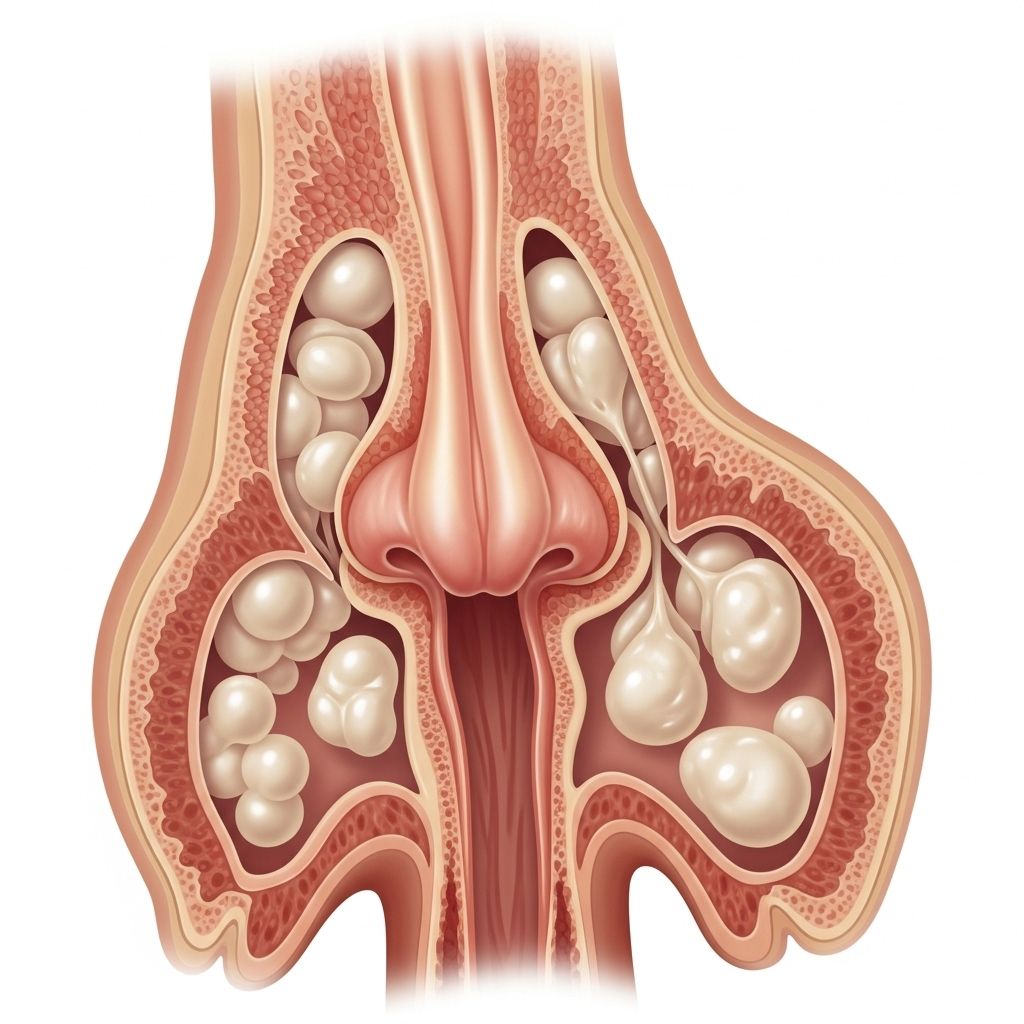
Nasal polyps are soft, painless, noncancerous growths that develop on the lining of the nasal passages or sinuses. These teardrop-shaped formations result from chronic inflammation and can vary significantly in size. While small nasal polyps may cause no symptoms at all, larger polyps or clusters of polyps can block nasal passages, leading to breathing difficulties, frequent infections, and a reduced sense of smell. Understanding nasal polyps is essential for anyone experiencing persistent nasal symptoms, as early diagnosis and appropriate treatment can significantly improve quality of life.
These growths hang down like teardrops or grapes and are typically associated with conditions that cause long-term inflammation in the nasal passages. Although they can affect anyone, nasal polyps are more common in adults and are often linked to chronic sinusitis, asthma, and certain allergic conditions. The good news is that nasal polyps are treatable, though they have a tendency to recur even after successful treatment.
What Are Nasal Polyps
Nasal polyps are benign tissue growths that develop within the nasal cavity or sinuses due to prolonged inflammation of the mucous membranes. These smooth, moist formations typically have a jelly-like consistency and appear translucent or slightly pink in color. They arise from the mucous membrane that lines the nose and sinuses, growing slowly over time as inflammation persists.
The size of nasal polyps can range from tiny, barely noticeable bumps to large masses that can significantly obstruct nasal airways. Small polyps often go unnoticed and may not require treatment, while larger polyps can cause considerable discomfort and health complications. Unlike some other types of growths, nasal polyps are not painful to touch, which distinguishes them from other nasal conditions.
These growths typically develop on both sides of the nose, though unilateral polyps should be evaluated carefully as they may indicate other conditions. Nasal polyps are more prevalent in people with certain health conditions, particularly those involving chronic inflammation of the respiratory system. The exact mechanism of their formation relates to the immune system’s response to irritation or allergens, which triggers excessive tissue growth in the affected areas.
Common Symptoms and Signs
Many individuals with nasal polyps remain unaware of their condition, especially when the growths are small and cause minimal disruption. However, as polyps grow larger or increase in number, they produce a range of recognizable symptoms that can significantly impact daily life. The most common symptom is persistent nasal congestion or stuffiness that doesn’t improve with standard cold remedies.
A blocked nose represents one of the primary complaints among people with nasal polyps. This obstruction occurs because the polyps physically block the nasal passages, making it difficult to breathe through the nose. Patients often describe feeling as though they have a constant cold that never resolves, which can be frustrating and concerning when typical cold symptoms persist beyond the expected duration.
A runny nose and postnasal drip frequently accompany nasal polyps. The excessive mucus production and the sensation of mucus slowly dripping down the back of the throat can be particularly bothersome, leading to throat irritation and frequent throat clearing. This postnasal drip may worsen at night, potentially affecting sleep quality and contributing to fatigue.
Loss of smell and taste represents another significant symptom of nasal polyps. The reduced ability to smell, known as hyposmia, or complete loss of smell, called anosmia, occurs because the polyps block the receptors responsible for detecting odors. Since smell and taste are closely connected, many people also experience a diminished ability to taste food, which can affect appetite and enjoyment of meals.
Additional symptoms include facial pain or pressure, particularly around the forehead, cheeks, and nose. Some individuals experience snoring due to the blocked nasal passages, while others report itching around the eyes. Chronic sinus infections become more common in people with nasal polyps because the growths interfere with normal sinus drainage.
Causes and Risk Factors
The precise cause of nasal polyps remains not fully understood, but researchers have identified several contributing factors and conditions associated with their development. Chronic inflammation plays the central role in polyp formation, with the immune system’s prolonged response to irritation triggering abnormal tissue growth in the nasal passages and sinuses.
Chronic sinusitis, also known as chronic rhinosinusitis, represents one of the most common conditions associated with nasal polyps. This long-term inflammation of the sinuses creates an environment conducive to polyp development. When sinusitis persists for 12 weeks or longer despite treatment attempts, the risk of developing nasal polyps increases substantially.
Asthma frequently coexists with nasal polyps, particularly in cases of severe or difficult-to-control asthma. The connection between these two conditions suggests a systemic inflammatory process affecting both the upper and lower respiratory tracts. Individuals with both asthma and nasal polyps may experience more severe symptoms of both conditions.
Allergic conditions, including allergic rhinitis and allergic fungal sinusitis, contribute to nasal polyp formation. Allergic fungal rhinosinusitis, which tends to occur more frequently in the southern United States and along the Mississippi River Basin, shows particularly strong associations with nasal polyps. The chronic allergic response and resulting inflammation provide the conditions necessary for polyp growth.
Aspirin sensitivity and certain immune disorders also increase the risk of developing nasal polyps. Some individuals with nasal polyps develop an intolerance to over-the-counter pain medications like ibuprofen and naproxen, a condition sometimes called aspirin-exacerbated respiratory disease. Cystic fibrosis represents another significant risk factor, with nasal polyps present in up to 86% of patients with this genetic condition.
Diagnosis Process
Diagnosing nasal polyps typically begins with a thorough medical history and physical examination. Healthcare providers ask detailed questions about symptoms, their duration, and any associated conditions like asthma or allergies. Understanding the complete clinical picture helps doctors determine the most appropriate diagnostic approach and treatment strategy.
The initial physical examination involves looking inside the nose using a lighted instrument called an otoscope or nasal speculum. Nasal polyps often have a characteristic appearance that experienced clinicians can recognize during this visual inspection. The polyps typically appear as smooth, pale, gray, or pink translucent masses that resemble peeled grapes hanging in the nasal passages.
For a more detailed examination, doctors may use nasal endoscopy, a procedure involving a narrow tube with a light and camera at its tip. This flexible or rigid endoscope allows the physician to see deeper into the nasal passages and sinuses, providing a comprehensive view of the extent and location of polyps. Nasal endoscopy can be performed in the office setting with minimal discomfort to the patient.
Imaging studies play an important role in evaluating nasal polyps, particularly when planning treatment. Computed tomography (CT) scans provide detailed images of the sinuses and nasal structures, revealing the size, number, and precise location of polyps. These scans also help identify any complications, such as bone erosion or structural abnormalities, and are essential for surgical planning when necessary.
Magnetic resonance imaging (MRI) may be utilized in certain cases, especially when doctors need to distinguish between nasal polyps and other types of growths or tumors. In some situations, a biopsy of the polyp tissue may be performed to ensure the growth is benign and not cancerous. This step is particularly important when polyps appear unusual or occur on only one side of the nose.
Allergy testing may be recommended to identify specific allergens contributing to nasal inflammation and polyp formation. Understanding a patient’s allergic triggers helps guide comprehensive treatment strategies and preventive measures to reduce polyp recurrence.
Treatment Options
Treatment for nasal polyps aims to reduce their size or eliminate them completely while managing the underlying inflammation that causes their formation. The approach varies depending on the size of the polyps, severity of symptoms, and presence of associated conditions. Most treatment plans begin with medical management before considering surgical options.
Medication-Based Treatments
Steroid nasal sprays represent the first-line treatment for nasal polyps and work by reducing inflammation in the nasal passages. These topical corticosteroids can shrink polyps over time and help prevent their recurrence. Common steroid sprays include fluticasone, mometasone, and budesonide, which are generally safe for long-term use with minimal side effects when used as directed.
For more advanced steroid delivery, newer methods have been developed to improve treatment effectiveness. Large-volume nasal steroid rinses using squeeze plastic bottles have proven superior to traditional steroid sprays in some cases. An exhalation delivery system with fluticasone represents another innovative approach, spraying medication deeper into the nasal cavity to reduce inflammation more effectively.
Oral corticosteroids may be prescribed for short courses, typically up to two weeks, when nasal polyps are larger or causing significant symptoms. These systemic steroids can rapidly shrink polyps and improve symptoms, including the sense of smell. However, because of potential side effects such as weight gain, increased blood pressure, and elevated blood sugar, oral steroids must be used cautiously and under close medical supervision.
Budesonide rinses provide another medication option that combines the benefits of nasal irrigation with corticosteroid delivery. These rinses help reduce swelling and irritation while maintaining moisture in the nasal passages. The liquid form allows the medication to reach more areas of the nasal cavity and sinuses compared to traditional sprays.
Biologic medications have emerged as an important treatment option for people with severe nasal polyps and chronic sinusitis. Dupilumab, commonly known as Dupixent, is a monoclonal antibody given as an injection every two to four weeks. This medication works by targeting specific immune system pathways involved in inflammation, effectively shrinking polyps and reducing congestion. Other approved biologics include mepolizumab, omalizumab, and tezepelumab, which have also shown effectiveness in treating moderate to severe cases.
Additional medications that may provide benefit include leukotriene inhibitors such as montelukast, which help control inflammation. Antibiotics are occasionally prescribed if bacterial infection is present, though scientific evidence for their routine use in nasal polyps remains limited. Nasal saline rinses, while not reducing polyp size directly, help keep nasal passages clear and support overall nasal health.
Surgical Interventions
Surgery becomes necessary when medications fail to provide adequate relief, when polyps are very large, or when they cause recurrent sinus infections or complete nasal obstruction. The goal of surgery is to remove the polyps and correct any structural problems in the sinuses that contribute to polyp formation and chronic inflammation.
Endoscopic sinus surgery represents the most common surgical approach for nasal polyp removal. This minimally invasive procedure uses a thin, flexible tube with a camera and light, called an endoscope, which the surgeon inserts through the nostrils. Because everything is done through the nose, there are no external incisions, resulting in faster recovery and minimal scarring.
During endoscopic surgery, the surgeon removes the polyps and may also remove tissue from the sinuses or correct structural abnormalities that block drainage. The procedure typically takes one to three hours depending on the extent of disease. Most patients go home the same day and can return to normal activities within a week, though complete healing may take several weeks.
For patients requiring more extensive intervention, surgeons may need to remove portions of the sinuses or perform corrective procedures to improve long-term drainage and reduce recurrence. Steroid-eluting stents can be placed during surgery to deliver medication directly to the surgical site, helping prevent polyp regrowth and reducing inflammation during the healing process.
Despite successful surgical removal, nasal polyps frequently recur, often within a few years. This tendency toward recurrence underscores the importance of ongoing medical management after surgery. Continued use of steroid nasal sprays or rinses helps slow or prevent polyp regrowth and maintain the benefits achieved through surgery.
Potential Complications
When left untreated, nasal polyps can lead to various complications that extend beyond simple nasal congestion. The blockage of airflow and impaired sinus drainage creates conditions favorable for repeated infections and other health problems. Understanding these potential complications emphasizes the importance of seeking appropriate medical care.
Chronic or recurring sinus infections represent one of the most common complications of nasal polyps. The polyps obstruct normal mucus drainage from the sinuses, creating stagnant pools where bacteria can multiply. These repeated infections require frequent antibiotic treatment, which carries its own risks, including the development of antibiotic-resistant bacteria and potential gastrointestinal infections such as Clostridium difficile.
Obstructive sleep apnea can develop when large nasal polyps significantly block the nasal passages. The resulting mouth breathing during sleep may lead to snoring, interrupted sleep patterns, and daytime fatigue. Sleep disturbances affect overall health, mood, and cognitive function, impacting quality of life substantially.
For individuals with coexisting asthma, nasal polyps can worsen respiratory symptoms and make asthma more difficult to control. The connection between upper and lower airway inflammation means that uncontrolled nasal polyps may lead to more frequent asthma exacerbations, increased medication requirements, and potentially dangerous breathing difficulties.
In rare cases, severe or long-standing nasal polyps can cause structural changes to the face and sinuses. Persistent pressure from large polyps may lead to widening of the bridge of the nose or changes in facial appearance. Very large polyps can even cause bone erosion in extreme cases, though this complication is uncommon with modern treatment approaches.
Living With Nasal Polyps
Managing nasal polyps effectively requires a long-term commitment to treatment and lifestyle modifications. Even after successful treatment with medications or surgery, the underlying inflammatory conditions that cause polyps often persist, necessitating ongoing care to prevent recurrence.
Adherence to prescribed medication regimens is crucial for controlling nasal polyps. This means using steroid nasal sprays consistently as directed, even when symptoms improve. Many people make the mistake of stopping their medication once they feel better, which often leads to polyp regrowth. Regular follow-up appointments with healthcare providers allow for monitoring of treatment effectiveness and adjustment of therapies as needed.
Environmental control measures can help reduce nasal inflammation and polyp development. Identifying and avoiding allergens, using air purifiers, maintaining proper humidity levels in the home, and practicing good nasal hygiene through regular saline rinses all contribute to better nasal health. For people with known allergies, working with an allergist to develop a comprehensive management plan addresses the root causes of inflammation.
Patients should be aware that complete restoration of smell and taste may not occur even with successful polyp treatment. While many people experience significant improvement, some degree of sensory loss may persist. Setting realistic expectations about treatment outcomes helps patients adjust their goals and maintain motivation for ongoing care.
Collaboration between multiple specialists often provides the best outcomes for people with nasal polyps. Allergists and otolaryngologists (ear, nose, and throat doctors) frequently co-manage these patients, combining their expertise to address both the immunological and structural aspects of the condition. This team approach ensures comprehensive care that addresses all factors contributing to polyp formation.
Frequently Asked Questions
Q: Can nasal polyps turn into cancer?
A: No, nasal polyps themselves are benign, noncancerous growths and do not become cancerous. However, if a growth appears unusual or occurs on only one side of the nose, doctors may perform a biopsy to rule out cancer or other conditions.
Q: Are nasal polyps contagious?
A: No, nasal polyps are not contagious. They result from chronic inflammation rather than infection, so they cannot be spread from person to person through contact or respiratory droplets.
Q: How long does it take for steroid sprays to shrink nasal polyps?
A: Steroid nasal sprays typically require consistent use for several weeks to months before significant improvement is noticed. Most doctors recommend continuing treatment for at least 12 weeks before considering surgical options if symptoms persist.
Q: Can children develop nasal polyps?
A: While nasal polyps are more common in adults, children can develop them. The presence of nasal polyps in children should prompt evaluation for cystic fibrosis, as this genetic condition is strongly associated with polyp formation in young patients.
Q: Will changing my diet help prevent nasal polyps?
A: While no specific diet has been proven to prevent nasal polyps, maintaining overall good health through proper nutrition supports immune system function. Some people with aspirin sensitivity may benefit from avoiding foods high in salicylates, but dietary changes should be discussed with a healthcare provider.
Q: How often do nasal polyps come back after surgery?
A: Nasal polyps commonly recur after surgical removal, often within a few years. The recurrence rate varies depending on the underlying cause and how well post-surgical medical treatment is maintained. Continued use of steroid nasal sprays significantly reduces the likelihood of rapid regrowth.
Q: Can I use over-the-counter nasal sprays for nasal polyps?
A: Over-the-counter decongestant sprays are not recommended for treating nasal polyps and can actually worsen symptoms if used long-term. Prescription steroid nasal sprays specifically designed for polyp treatment are necessary for effective management. Always consult with a healthcare provider before starting any treatment.
Similar Articles






Read full bio of medha deb