Neurofibromatosis: Causes, Symptoms, Types, Diagnosis, and Management
Comprehensive overview of neurofibromatosis, its types, symptoms, genetic origins, diagnosis, treatment, and life with the condition.
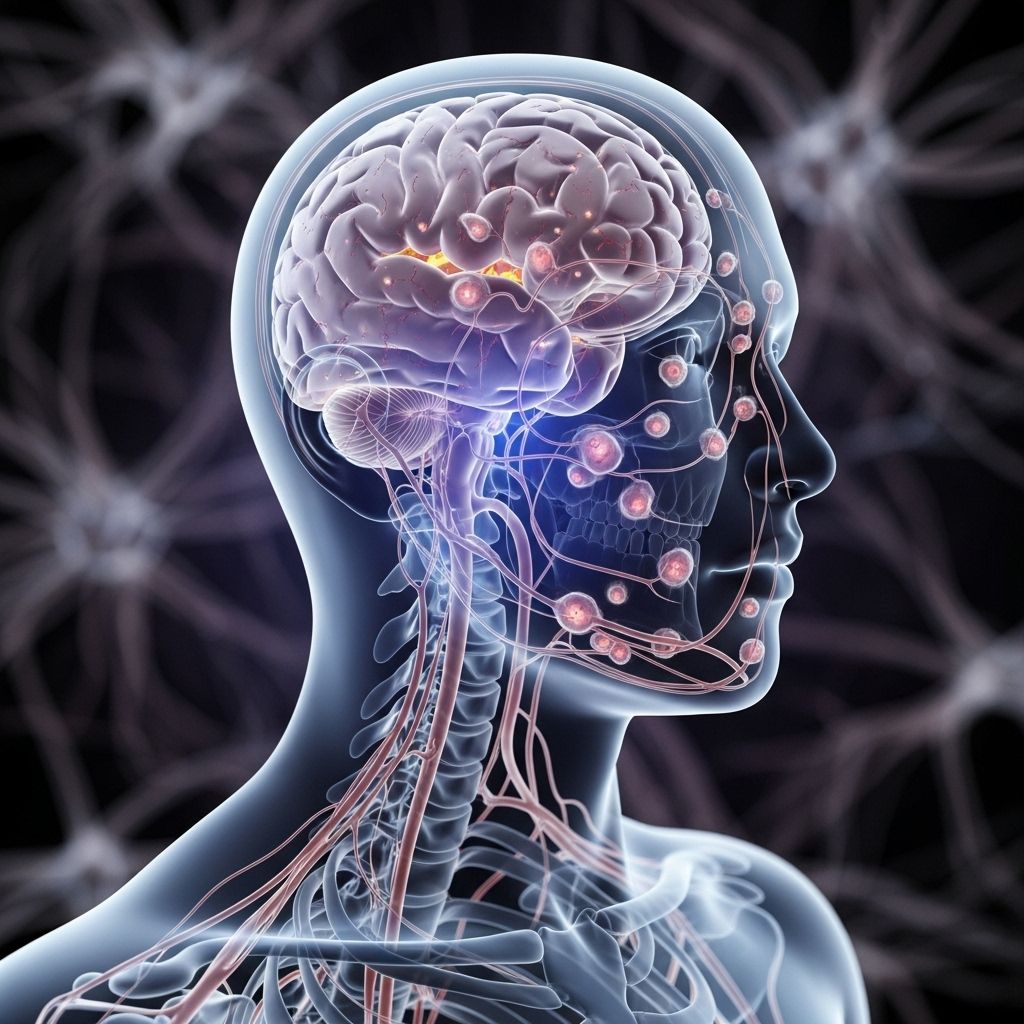
What is Neurofibromatosis?
Neurofibromatosis is a group of genetic disorders involving abnormal growth of nerve tissues, most commonly leading to tumors in the nervous system and changes in skin pigmentation. The condition primarily affects nerve cells and their growth, with symptoms and severity varying widely among those affected. Neurofibromatosis comprises two major types:
- Neurofibromatosis type 1 (NF1)
- Neurofibromatosis type 2 (NF2)
Types of Neurofibromatosis
Neurofibromatosis Type 1 (NF1)
NF1 is the most common type and is characterized by skin changes and tumors along nerves in multiple areas of the body. The disorder affects approximately 1 in every 3,000 to 4,000 people worldwide.
- Café-au-lait spots: Flat, light brown skin patches appearing in early childhood.
- Freckles: Typically develop in the underarm or groin during childhood.
- Neurofibromas: Benign (noncancerous) rubbery tumors on or under the skin, or along nerves.
- Lisch nodules: Benign growths in the iris, not affecting vision.
- Optic gliomas: Tumors along the nerve from eye to brain that may reduce or cause loss of vision.
- Plexiform neurofibromas: Larger, deeper soft tissue tumors that can grow and cause significant complications.
- Malignant peripheral nerve sheath tumors: Rare, cancerous tumors, usually developing during adolescence or adulthood.
Other features found in NF1 include high blood pressure (hypertension), short stature, macrocephaly (unusually large head), scoliosis (curvature of the spine), and learning disabilities or ADHD.
Neurofibromatosis Type 2 (NF2)
NF2 is less common and involves tumor formation in the brain and spinal cord, especially on the auditory nerves. The most characteristic growths are:
- Vestibular schwannomas: Tumors developing along the nerve connecting the inner ear to the brain, typically resulting in hearing loss and balance problems.
- Meningiomas: Tumors forming on the membranes covering the brain and spinal cord.
- Cataracts: Clouding of the eye lens commonly develops in childhood.
- Other symptoms: Facial weakness, vision changes, tinnitus (ringing in ears), headaches, and, rarely, café-au-lait spots.
Causes and Genetics
Both NF1 and NF2 are genetic disorders inherited in an autosomal dominant manner. This means that if one parent carries the gene mutation, each child has a 50% chance of inheriting the condition. A significant number of cases, however, are the result of new (spontaneous) mutations rather than inheritance.
- NF1 gene: Located on chromosome 17, encodes the protein neurofibromin, which helps regulate cell growth. Mutations lead to loss of this regulation, allowing tumors to develop.
- NF2 gene: Located on chromosome 22, encodes the protein merlin (schwannomin). Mutations impair cell growth control, resulting in tumor formation.
These genetic changes explain why neurofibromatosis is classified as a hereditary condition and why family history may be relevant, although not all cases are inherited.
Key Signs and Symptoms
| Type | Main Signs/Symptoms | Frequency/Notes |
|---|---|---|
| NF1 |
| Usually appears in childhood; variable severity |
| NF2 |
| Symptoms often begin in adolescence/early adulthood |
Diagnostic Criteria and Testing
Diagnosis is usually based on clinical features and family history. Genetic testing may confirm the disorder, especially when symptoms are mild or unclear.
NF1 Diagnostic Criteria
- Six or more café-au-lait spots larger than 0.5 cm in children or 1.5 cm in adults.
- Freckling in the axilla (underarms) or groin.
- Two or more cutaneous neurofibromas or one plexiform neurofibroma.
- Optic glioma.
- Two or more Lisch nodules.
- Skeletal abnormalities, such as sphenoid dysplasia or scoliosis.
- A first-degree relative with NF1.
Genetic testing for mutations in the NF1 gene may support diagnosis but is not always necessary, especially with clear clinical symptoms.
NF2 Diagnostic Criteria
- Bilateral vestibular schwannomas (tumors on both auditory nerves).
- Family history of NF2 with unilateral schwannoma or other associated tumors.
- Genetic testing for the NF2 gene mutation can confirm suspected cases.
Treatment and Management
Neurofibromatosis has no cure. Treatment focuses on managing complications and symptoms:
- Surveillance: Regular check-ups to monitor tumor growth and assess neurological function.
- Surgical removal: Indicated for painful or problematic neurofibromas, brain/spinal tumors, or tumor-induced complications (e.g., loss of function, cancerous transformation).
- Vision and hearing support: Eye exams for optic gliomas and Lisch nodules; audiometry for NF2-related hearing loss.
- Physical therapy: Enhance mobility and manage musculoskeletal symptoms such as scoliosis.
- Medications: Pain relief, control of high blood pressure (if present), and other symptom-targeted drugs.
- Learning support: Special educational interventions for children with learning disabilities or ADHD.
- Cancer management: In cases of malignant transformation (e.g., malignant peripheral nerve sheath tumors), cancer-specific treatments may be required.
Because the disease is complex, a multidisciplinary team (neurologist, dermatologist, ophthalmologist, geneticist, oncologist) often guides patient care.
Complications Associated with Neurofibromatosis
- Cancerous transformation: Rare but serious risk for malignant peripheral nerve sheath tumors, brain tumors, leukemia.
- Vision loss: From optic gliomas or meningiomas affecting visual pathways.
- Hearing loss: Particularly prevalent in NF2 due to vestibular schwannomas.
- Neurological problems: Seizures, facial weakness, numbness, headaches may occur depending on tumor locations.
- Cosmetic issues: Visible skin tumors or large plexiform neurofibromas can affect appearance and psychological health.
- Hypertension: Some individuals may develop high blood pressure.
- Orthopedic complications: Scoliosis and other skeletal malformations may impair mobility.
Living With Neurofibromatosis
People with neurofibromatosis can lead productive lives, but may face physical, psychological, and social challenges depending on disease severity. Key aspects of long-term care include:
- Routine medical evaluations to monitor progression.
- Genetic counseling for families considering children.
- Educational support for children with learning or attention difficulties.
- Support groups and psychological services for coping with chronic illness and appearance-related concerns.
- Prompt treatment for complications such as vision, hearing, or motor problems.
Frequently Asked Questions (FAQs) About Neurofibromatosis
Q: Can neurofibromatosis be prevented?
A: Because neurofibromatosis is a genetic disorder, prevention is not possible. However, genetic counseling can help families understand risks.
Q: Are the skin spots in neurofibromatosis dangerous?
A: The café-au-lait spots themselves are not dangerous or painful, but their number and size may suggest underlying NF1; further evaluation is recommended if they are numerous.
Q: Is there an increased risk of cancer in neurofibromatosis?
A: Yes, individuals with NF1 have an increased risk for certain cancers, such as malignant peripheral nerve sheath tumors, gliomas, and leukemia. Most neurofibromas are benign.
Q: How is neurofibromatosis diagnosed?
A: Diagnosis is based on clinical criteria and family history, sometimes supported by genetic testing.
Q: What is the life expectancy for someone with neurofibromatosis?
A: Life expectancy is often normal for mild cases, but may be affected in severe cases involving malignant tumors or serious neurological complications.
Q: Are children of affected parents always going to have neurofibromatosis?
A: Each child has a 50% chance; however, not all cases are inherited—some appear due to new gene mutations.
Q: What specialists are involved in care?
A: Patients typically require regular follow-up with neurologists, dermatologists, ophthalmologists, oncologists, and sometimes geneticists.
Summary Table: Quick Facts About Neurofibromatosis
| Feature | NF1 | NF2 |
|---|---|---|
| Prevalence | 1 in 3,000–4,000 | Rarer |
| Main Symptoms | Café-au-lait spots, neurofibromas, learning disability, skeletal issues | Hearing loss, vestibular schwannomas, meningiomas, cataracts |
| Gene involved | NF1 (Chromosome 17) | NF2 (Chromosome 22) |
| Tumor risk | High (usually benign, sometimes malignant) | Primarily nerve tumors (benign, some complications) |
| Inheritance | Autosomal dominant | Autosomal dominant |
Resources for Patients and Families
- Medical geneticists and genetic counselors
- Patient advocacy groups (national neurofibromatosis associations)
- Pediatric specialists for affected children
- Educational planners for learning disabilities
- Online forums for support and information
Glossary
- Café-au-lait spots: Light brown skin patches, hallmark of NF1.
- Neurofibroma: Benign tumor along nerve tissue.
- Plexiform neurofibroma: Larger, deeper, sometimes disfiguring tumors.
- Vestibular schwannoma: Benign growth on auditory nerve, typical of NF2.
- Meningioma: Tumor on brain/spinal cord membranes.
- Lisch nodule: Benign growth on iris, usually not affecting vision.
Similar Articles





Read full bio of medha deb