Neuromyelitis Optica (NMO): Symptoms, Diagnosis, Causes and Treatments
Detailed guide on neuromyelitis optica, its symptoms, diagnostic process, causes, treatments, and living with NMO.
Neuromyelitis Optica (NMO): Overview
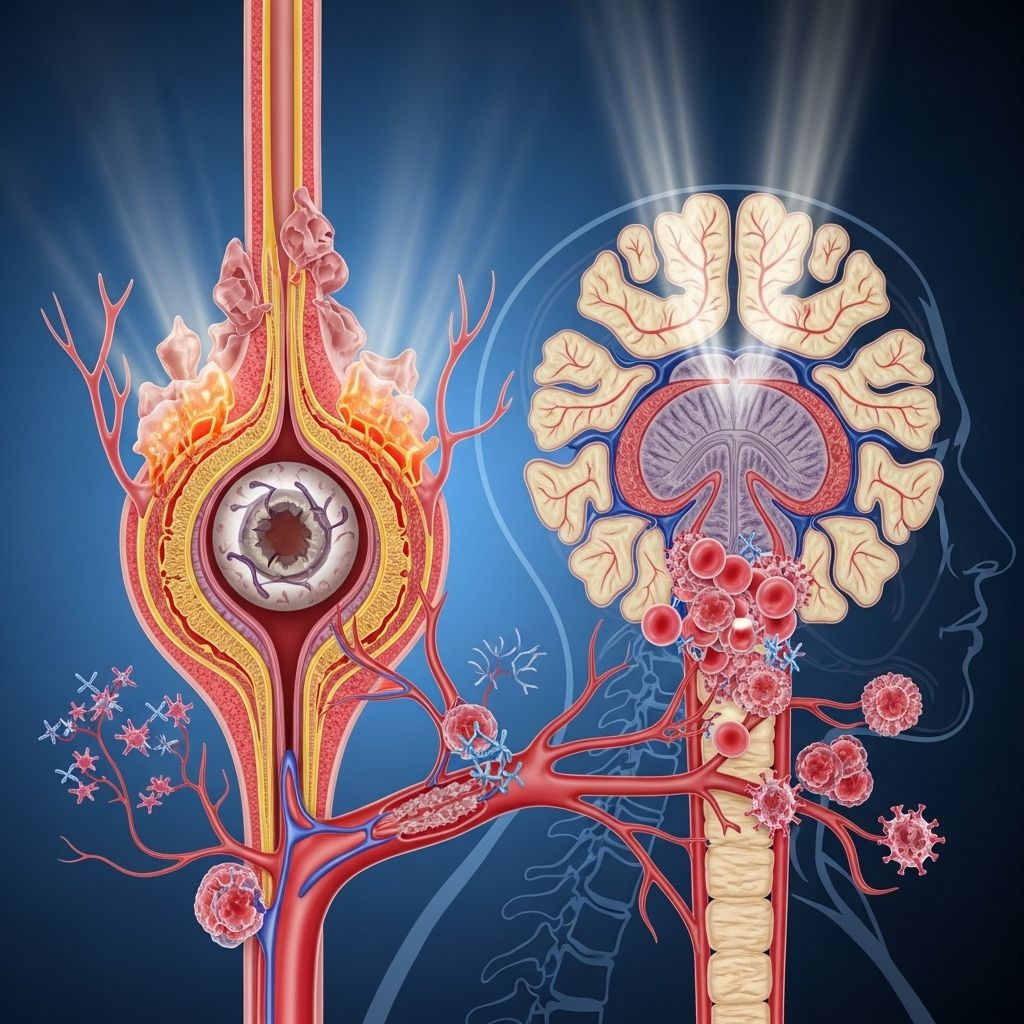
Neuromyelitis optica (NMO), also known as Devic’s disease or neuromyelitis optica spectrum disorder (NMOSD), is a relatively rare and serious inflammatory disorder that affects the central nervous system, specifically targeting the optic nerves and spinal cord. This autoimmune condition occurs when the body’s immune system mistakenly attacks healthy tissues in the nervous system, leading to episodes of severe symptoms and potentially permanent disability if not diagnosed and treated promptly.
Urgent Advice
- If you suspect you may have NMO, seek an urgent GP appointment or contact NHS 111.
- Symptoms of NMO can rapidly progress and may cause lasting harm, making early intervention crucial.
- Your GP may refer you to a neurologist (nerve specialist) for assessment and prompt management.
What is Neuromyelitis Optica?
NMO is a rare autoimmune disorder characterized by periods of inflammation and demyelination (damage to nerve coverings) in the optic nerves and spinal cord. The immune attack can result in:
- Severe visual problems (including blindness)
- Muscle weakness or paralysis
- Painful muscle spasms
- Loss of sensation, and problems with bladder or bowel function
- Episodes of nausea, vomiting, and hiccups
Unlike multiple sclerosis (MS), NMO relapses tend to be more severe and disabling. Early diagnosis is essential to begin treatments that reduce long-term damage.
Symptoms of Neuromyelitis Optica
Symptoms vary depending on which nerves are affected and may range from mild to severe—they often appear as acute attacks but can improve between episodes. Common symptoms include:
- Optic neuritis (inflammation of the optic nerves):
- Pain when moving the eyes
- Blurred or lost vision in one or both eyes
- Loss of colour vision
- Complete loss of vision (in severe cases)
- Transverse myelitis (inflammation of the spinal cord):
- Sudden onset of weakness or paralysis in legs and/or arms
- Loss of feeling or numbness
- Bladder or bowel dysfunction (inability to empty the bladder or constipation)
- Back or neck pain; muscle spasms
- Sometimes breathing difficulties if inflammation affects upper spinal cord
- Brainstem involvement:
- Nausea
- Vomiting
- Persistent hiccups
- Other possible symptoms:
- Tingling or shooting pains in neck, back, or abdomen
- Loss of bladder/bowel control
- Children may experience confusion, seizures, or coma (in rare cases)
Relapses (where symptoms return suddenly after a symptom-free period) are a key feature of NMO. Permanent damage can accumulate with repeated relapses, potentially leading to blindness or paralysis.
Causes of Neuromyelitis Optica
NMO is primarily considered an autoimmune disorder. The immune system mistakenly produces antibodies that attack healthy nervous system tissue, particularly a protein called aquaporin-4 found on astrocytes (cells in the brain and spinal cord).
- These antibodies are detected in around 70% of NMO cases, aiding diagnosis.
- NMO can appear after infections or may coexist with other autoimmune diseases.
- It is distinct from multiple sclerosis, but symptoms and presentation may overlap, leading to misdiagnosis.
- Some cases can occur without aquaporin-4 antibodies (seronegative NMO), particularly in children.
Who Gets NMO?
- Affects men and women, though it is more common in women.
- Usually diagnosed in adulthood, but can develop at any age—including children, most often between ages 10 and 14.
- Exact cause is unknown, but genetic and environmental factors may play a role.
Diagnosis of Neuromyelitis Optica
Diagnosing NMO can be challenging due to symptom overlap with other conditions such as multiple sclerosis or acute disseminated encephalomyelitis. Diagnosis is typically made by a neurologist at a specialist centre and involves:
- Blood Tests: Looking for aquaporin-4 antibodies which are primary markers for NMO.
- MRI Scan: Imaging the brain and spinal cord to identify characteristic lesions or inflammation.
- Lumbar Puncture: Sampling cerebrospinal fluid for immune markers and ruling out other disorders.
- Eye and Vision Tests: Assessing optic nerve function, including techniques like visual evoked potential (VEP) and electroretinogram (ERG).
| Test | Purpose |
|---|---|
| Blood test for aquaporin-4 antibodies | Confirmation of immune-mediated NMO |
| MRI scan | Detects inflammation/demyelination in optic nerves and spinal cord |
| Lumbar puncture | Examines cerebrospinal fluid for inflammatory markers |
| Eye/vision tests (VEP, ERG) | Assess visual pathway integrity |
Because up to 30–40% of children with NMO do not have the antibody, diagnosis may occasionally rely on symptoms, imaging, and exclusion of other conditions.
Treatments for Neuromyelitis Optica
Although there is no cure for NMO, several treatments can control symptoms and reduce the risk of relapses, which are critical for preventing long-term disability. Management typically includes:
Initial Treatment and Treatments for Relapses
- High-dose steroid injections: Reduce inflammation during active episodes.
- Plasma exchange (plasmapheresis): Removes harmful antibodies from the blood.
- Immunoglobulin therapy: Antibody infusion that can help modulate the immune response.
Treatments to Prevent Relapses
To lower the risk of future relapses, long-term immune suppression is usually required:
- Immunosuppressants (e.g., azathioprine): Lower immune activity to prevent attacks.
- Oral steroid tablets (e.g., prednisolone): Taken long-term to reduce immune activity.
- Biological medicines (e.g., rituximab): Target specific immune cells to reduce relapse risk.
Management of Symptoms
Treatments may also address ongoing or residual symptoms, including:
- Painkillers: For nerve pain and musculoskeletal discomfort.
- Antidepressant or anticonvulsant medicines: Such as amitriptyline or gabapentin for neuropathic pain.
- Muscle relaxant or anticonvulsant medicines: Baclofen or carbamazepine for muscle spasms.
- Medicines for bladder or bowel issues: Oxybutynin for bladder; laxatives for bowel function.
Therapies for Mobility and Daily Life:
- Physiotherapy: Exercise and stretching advice to improve strength and reduce muscle tightness.
- Occupational therapy: Support for adapting daily routines and maintaining independence.
Living with Neuromyelitis Optica
Living with NMO often means managing the effects of relapses and coping with chronic symptoms. Many people can achieve long periods without symptoms (remission) with correct treatment, although some disability may remain.
- Regular follow-up with a neurologist is essential to monitor for relapses and adjust treatment as needed.
- Physical and psychological support can help with rehabilitation and adjustment to any lasting effects.
- Appropriate social support is valuable for maintaining a good quality of life.
Prognosis
The outlook for NMO depends on early diagnosis and effective treatment. Without appropriate management, severe attacks may result in permanent disability such as blindness, limb weakness, or trouble breathing. Recent advances in understanding the immune mechanisms of NMO have led to more accurate diagnosis and improved treatments, helping to reduce long-term damage and mortality associated with the disease.
NMO vs. Multiple Sclerosis (MS)
| Feature | NMO | MS |
|---|---|---|
| Targeted areas | Optic nerves & spinal cord | Brain & spinal cord |
| Key antibody | Aquaporin-4 antibody | No specific antibody |
| Severity of attacks | Often more severe, disabling | Variable; some are mild/moderate |
| Treatment approach | Immunosuppressants required | Immunomodulators preferred |
Frequently Asked Questions (FAQs)
Q: How is neuromyelitis optica different from multiple sclerosis?
A: NMO mainly attacks the optic nerves and spinal cord and is associated with aquaporin-4 antibodies, while MS affects the brain and spinal cord more diffusely and involves different immune mechanisms.
Q: Can neuromyelitis optica be cured?
A: There is no cure currently, but treatment can lead to long remission periods. Ongoing medicines are needed to reduce the risk of further relapses and disability.
Q: Who is at risk for neuromyelitis optica?
A: NMO affects all ages and genders but is more common in adults and women. Children can also be affected, usually between ages 10 and 14. There is no clear reason for individual risk.
Q: How quickly do I need treatment if I develop symptoms?
A: Urgent medical attention is required as NMO relapses may cause permanent impairments. Early intervention greatly improves outcomes.
Q: What lifestyle changes can help with NMO?
A: Regular medical reviews, physiotherapy, rehabilitation, and addressing psychological and social support needs can help manage daily life and support recovery.
Key Takeaways
- NMO is a rare autoimmune disorder impacting the optic nerves and spinal cord.
- Symptoms range from severe visual loss to limb weakness, bladder/bowel issues, and recurrent relapses.
- Diagnosis relies on clinical evaluation, antibody testing, and imaging scans.
- Prompt and ongoing treatment reduces risk of relapses and long-term disability.
- Multidisciplinary therapies support symptom relief and quality of life.
- Seek urgent medical advice if you may be experiencing NMO symptoms.
Similar Articles






Read full bio of Sneha Tete