Nosebleeds Without Warning: Causes, Triggers, and When to Seek Help
Unexplained nosebleeds may seem alarming, but understanding their causes helps you know when to act and when to relax.
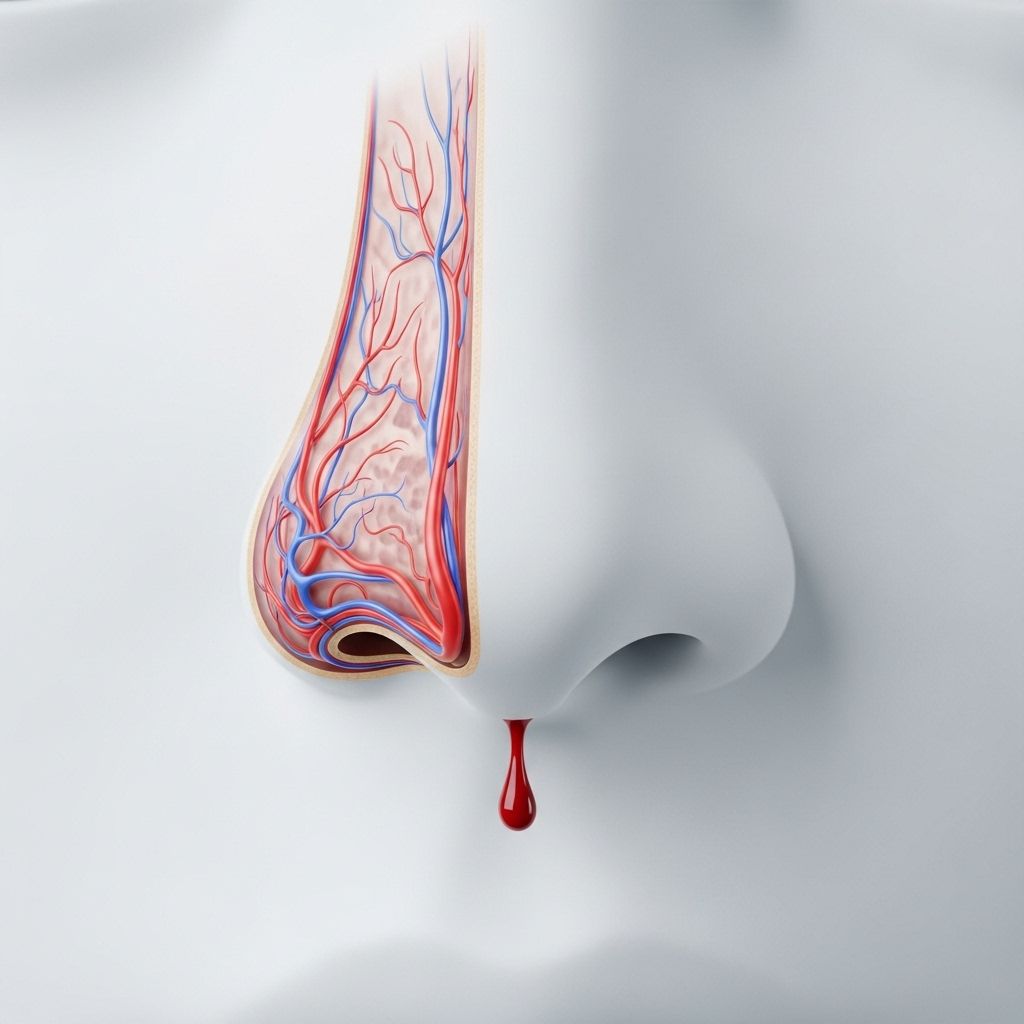
Are you experiencing nosebleeds for no apparent reason? Sudden or spontaneous nosebleeds, called epistaxis in medical terms, are common and often alarming, but most are benign. Still, understanding the causes and knowing when to seek medical help is essential for your health and peace of mind.
Why Do Nosebleeds Happen?
Nasal tissue is rich with tiny blood vessels that sit just beneath the surface. These vessels make your nose especially prone to bleeding, even from seemingly minor irritations or environmental changes.
- Front (anterior) nosebleeds: Most common, arising from vessels near the front of the septum.
- Back (posterior) nosebleeds: Less common but potentially more serious. They originate deeper in the nasal cavity and may require medical treatment.
Most nosebleeds are triggered by factors that are easy to overlook and are rarely cause for alarm. However, nosebleeds can occasionally point to an underlying health problem or medication side effect.
Common Causes and Triggers of Nosebleeds
External irritants, medical conditions, and lifestyle factors can all contribute to nosebleeds. Here are the most prevalent reasons:
1. Dry Air and Environmental Conditions
- Dry, heated indoor air: Particularly during winter, indoor heating removes moisture from nasal passages, causing the delicate lining to crack and bleed easily.
Tip: Nosebleeds often increase during seasonal changes as your mucus membranes adapt to new humidity levels. - Low humidity climates: Living in arid environments puts you at higher risk.
- Frequent use of air conditioners or heaters without humidifiers can exacerbate nasal dryness.
2. Colds, Allergies, and Sinus Infections
- Upper respiratory infections such as colds and sinusitis cause nasal inflammation, making the blood vessels more fragile.
- Allergic reactions (allergic rhinitis) lead to swelling, irritation, and excessive nose blowing, further aggravating the delicate lining.
Important: Blowing your nose forcefully can rupture blood vessels.
3. Trauma and Irritation
- Nose picking and scratching are particularly common causes in children and adults alike.
- Blunt trauma, sports injuries, or accidentally inserting objects into the nose may cause immediate bleeding.
- Forceful nose blowing increases the chance of rupturing tiny blood vessels.
4. Chemical and Environmental Exposure
- Tobacco smoke: Both active smoking and exposure to secondhand smoke dry out and irritate nasal passages.
- Occupational chemicals: Exposure to irritants like ammonia, sulfuric acid, gasoline, or household cleaning agents can increase vulnerability to nosebleeds.
- Frequent decongestant or nasal spray use: Overuse can lead to rebound congestion and fragile blood vessels.
5. Anatomical Issues
- Deviated septum: A crooked septum alters airflow, drying and irritating one side of the nose more and increasing the risk of nosebleeds.
- Other unusual anatomical features or previous nasal surgery may cause persistent problems.
6. Medications and Supplements
- Blood thinners: Prescription anticoagulants (like warfarin, clopidogrel, or apixaban) and aspirin impede normal clotting, prolonging bleeding times.
- Nonsteroidal anti-inflammatory drugs (NSAIDs): Ibuprofen, naproxen, and similar medications can have a milder but still notable effect.
- Homeopathic remedies and dietary supplements: Some supplements interfere with clotting (e.g., garlic, ginseng, ginkgo biloba, vitamin E, dong quai, feverfew).
7. Medical Conditions
- High blood pressure (hypertension): Chronic hypertension may weaken or rupture small vessels in the nose, particularly in older adults.
- Chronic illnesses: Conditions such as kidney disease or liver failure impair normal clotting.
- Inherited bleeding disorders: Hemophilia and von Willebrand disease impair normal blood clotting and increase risk.
- Blood platelet disorders: Low platelet counts (thrombocytopenia) reduce the blood’s ability to clot.
- Heavy alcohol use: Interferes with platelet function while dilating blood vessels.
- Tumors or growths: Rarely, persistent or severe nosebleeds can be a sign of tumors or other growths within the nasal cavity.
Who Is Most Susceptible to Nosebleeds?
- Children: More prone due to nose picking, congestion, and higher likelihood of nasal trauma.
- Elderly adults: Nasal tissues thin with age, often coupled with use of blood thinners and high blood pressure.
- People with chronic illnesses: Especially those with clotting disorders, hypertension, or kidney disease.
- Pregnant individuals: Hormonal changes increase blood flow and vessel fragility.
- Athletes or people in dry climates: Physical activity or environmental dryness elevates risk.
When Is a Nosebleed a Medical Concern?
Most nosebleeds are not dangerous and stop on their own or with simple first aid. However, you should see a doctor if you experience:
- Frequent, heavy, or prolonged bleeding (longer than 20 minutes)
- Bleeding that starts after an injury, especially a serious one (e.g., car accident, significant fall)
- Signs of significant blood loss (dizziness, confusion, pallor, fast heartbeat)
- Difficulties breathing or swallowing due to backed-up blood
- Recurrent nosebleeds with other unexplained bleeding or bruising elsewhere
- Bleeding that occurs while on blood thinners or with known clotting disorders
- Children under the age of two with any nosebleed
- Blood from both nostrils simultaneously or substantial blood flowing into the throat.
How to Stop a Nosebleed at Home
Taking immediate, appropriate action at home usually stops most anterior (front-of-nose) nosebleeds:
- Stay calm. Anxiety can elevate your heartbeat and blood pressure, potentially worsening bleeding.
- Sit up straight with your head slightly forward—do not tilt your head back as it encourages blood to run down the throat and could cause nausea or vomiting.
- Pinch the soft, fleshy part of your nose (just below the nasal bridge). Hold steadily for 10–15 minutes without releasing pressure to allow clot formation.
- Breathe gently through your mouth and avoid talking, swallowing, or sniffing.
- If available, a cool compress or ice pack applied across the nose and cheeks may help constrict blood vessels and minimize bleeding.
- After bleeding stops, avoid strenuous activity, nose blowing, or picking for several hours.
If bleeding persists after these steps, seek medical attention.
Prevention: Tips to Reduce Nosebleed Risk
- Keep nasal passages moist, especially during dry winter months—use a saline spray or gel, and a humidifier at night.
- Gently apply a thin layer of petroleum jelly inside each nostril with a cotton swab.
- Limit use of decongestant sprays or medications that dry out the nose, unless specifically recommended by a doctor.
- Avoid picking or blowing your nose forcefully.
- Protect your nose from injury (especially during contact sports—use appropriate safety gear).
- Quit smoking and limit exposure to secondhand smoke or chemical irritants.
- Follow medication instructions carefully and discuss any bleeding side effects with your healthcare provider.
Frequently Asked Questions (FAQs)
Q: Why do nosebleeds mainly occur in winter?
A: Heated indoor air during colder months dries out the nasal lining, making blood vessels more likely to crack and bleed. Dry outdoor air in winter also contributes.
Q: Should I be worried about frequent nosebleeds?
A: Occasional nosebleeds are common, especially among children or those exposed to dry air. However, frequent, heavy, or unexplained nosebleeds may signal an underlying issue and warrant medical evaluation.
Q: Can blood pressure medication cause nosebleeds?
A: While blood pressure medication itself seldom directly causes nosebleeds, untreated high blood pressure can make nosebleeds more frequent and severe. Report any changes to your healthcare provider.
Q: Are there natural remedies to prevent nosebleeds?
A: Regularly moistening your nose with saline sprays or gels, using a humidifier, and applying a thin layer of petroleum jelly can help prevent nosebleeds, particularly in dry environments.
Q: Can certain supplements make me bleed more?
A: Yes. Supplements like vitamin E, garlic, ginkgo biloba, ginseng, dong quai, and feverfew can interfere with blood clotting and increase bleeding risk. Always inform your doctor about any supplements you take.
Comparing Common Nosebleed Triggers
| Trigger | How It Causes Bleeding | Prevention Tip |
|---|---|---|
| Dry air/Low humidity | Dries and cracks nasal lining | Humidifier, saline spray |
| Nose picking | Direct trauma to vessels | Keep nails trimmed, address allergies |
| Decongestant sprays/Medications | Overuse dries out mucosa | Use only as directed by doctor |
| Blood thinners/Supplements | Impaired clotting | Discuss alternatives with provider |
| Colds/Allergies | Inflammation, frequent nose blowing | Treat promptly, blow gently |
When to See a Healthcare Professional
- Bleeding cannot be controlled with home measures after 20 minutes
- Massive blood loss or bleeding caused by trauma
- Accompanied by weakness, fainting, rapid heart rate, or difficulty breathing
- Associated with new bruising, unusual bleeding elsewhere, or other concerning symptoms
- If you are taking blood thinners or have a known bleeding disorder
- Recurrent nosebleeds with no obvious cause
Key Takeaways
- Nosebleeds are usually benign and often caused by dry air, trauma, allergies, or minor irritations.
- Most can be managed at home with simple pressure and care.
- Some medical conditions, medications, or anatomical issues can increase bleeding risk.
- Persistent, severe, or recurrent nosebleeds deserve medical evaluation to exclude serious causes.
- Hydrating nasal passages and avoiding trauma or irritants can help prevent most nosebleeds.
Similar Articles






Read full bio of medha deb