Overactive Thyroid (Hyperthyroidism): Symptoms, Causes, Diagnosis & Treatments
Learn about hyperthyroidism: symptoms, causes, diagnosis, treatments, complications, and living with an overactive thyroid.
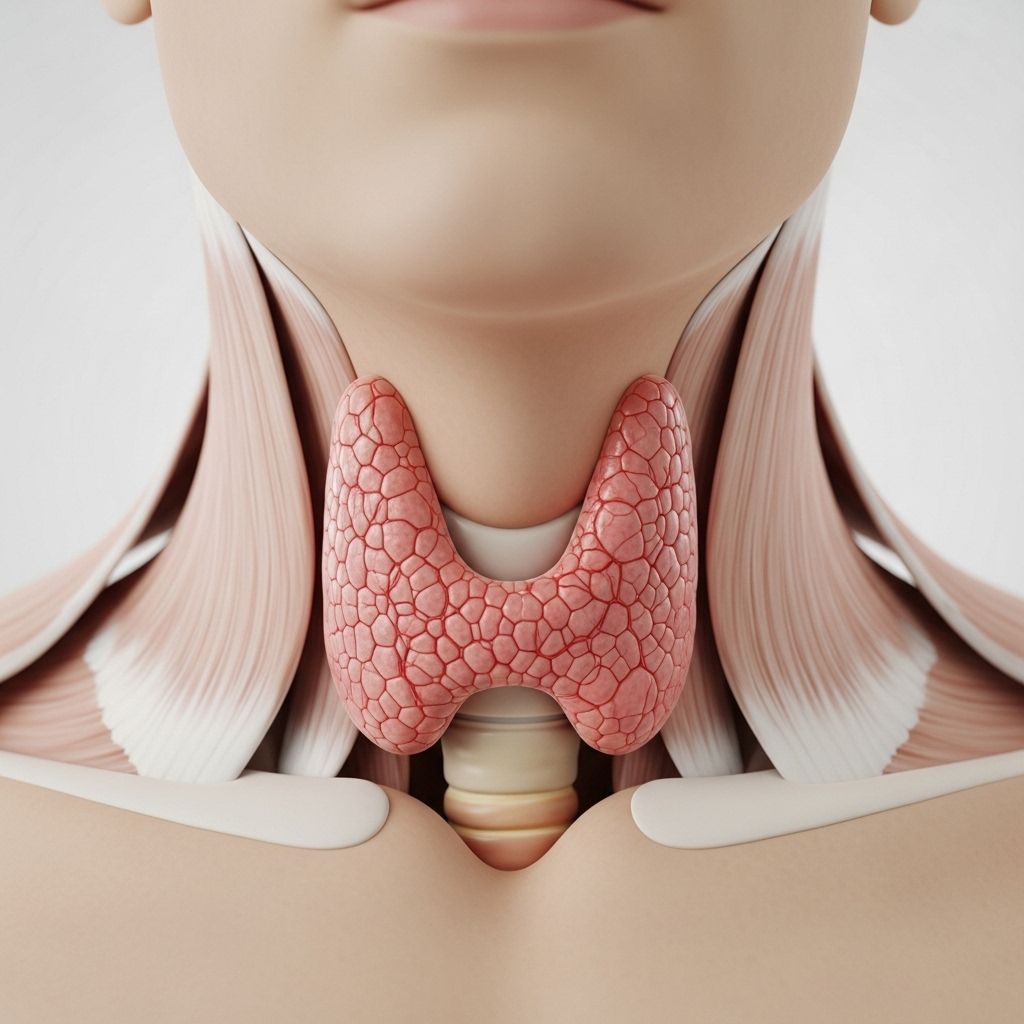
An overactive thyroid, medically known as hyperthyroidism or thyrotoxicosis, occurs when the thyroid gland produces excessive amounts of thyroid hormones. These hormones regulate many body functions including heart rate and temperature. Too much thyroid hormone can lead to a range of unpleasant and potentially serious symptoms that may require prompt treatment.
What is the Thyroid Gland?
The thyroid is a small, butterfly-shaped gland located in the front of the neck, just below the Adam’s apple (above the collarbone). It produces hormones – notably thyroxine (T4) and triiodothyronine (T3) – which play crucial roles in:
- Regulating metabolism
- Controlling heart rate
- Maintaining body temperature
- Influencing muscle strength
- Affecting mood and energy levels
Common Symptoms of Overactive Thyroid
The intensity and range of symptoms can vary from person to person. Some signs develop gradually and may be dismissed initially. Typical symptoms include:
- Nervousness, anxiety, or irritation
- Mood swings or emotional instability
- Difficulty sleeping (insomnia)
- Persistent tiredness or muscle weakness
- Sensitivity to heat and excessive sweating
- Enlarged thyroid gland (visible as swelling in the neck, called a goitre)
- Irregular or unusually fast heart rate (palpitations)
- Unexplained weight loss despite normal or increased appetite
- Trembling or twitching muscles
- Frequent bowel movements or diarrhea
- Lighter or less frequent periods (for women)
- Hair thinning or fine, brittle hair
Symptoms often develop slowly, so you may not notice them straight away. In older adults, symptoms can be less obvious, such as unexplained fatigue or weight loss.
Who is Most at Risk?
- Women are about 10 times more likely to develop hyperthyroidism than men.
- It most often develops between ages 20 and 40, but can occur at any age.
When to See a GP
Consult a general practitioner (GP) if you experience symptoms suggestive of an overactive thyroid. Early diagnosis can prevent further complications and improve quality of life.
- Your GP will discuss your symptoms and medical history.
- If a thyroid issue is suspected, a blood test measuring thyroid hormone levels (thyroid function test) will be arranged.
If blood tests indicate hyperthyroidism, you may be referred for further investigations to determine the underlying cause and to plan treatment with an endocrinologist (hormone specialist).
Causes of Overactive Thyroid (Hyperthyroidism)
There are several potential causes for the thyroid to become overactive:
- Graves’ disease: the most common cause, accounting for about 4 in 5 cases. This autoimmune condition causes the immune system to produce antibodies which overstimulate the thyroid gland, leading to excessive thyroid hormone production.
- Thyroid nodules: growths or lumps in the thyroid (known as toxic nodular goitre or adenoma) can produce excess hormones independently of the normal regulatory system.
- Thyroiditis: inflammation of the thyroid, sometimes following a viral infection, causing temporary hormone leakage into the bloodstream.
- Medication-induced: certain drugs, such as amiodarone (used to treat irregular heart rhythms), can trigger an overactive thyroid.
| Cause | Description |
|---|---|
| Graves’ disease | Autoimmune attack stimulates the thyroid; often associated with eye problems. |
| Thyroid nodules | Tissue lumps independently produce hormones; more common with increasing age. |
| Thyroiditis | Temporary inflammation after a virus, pregnancy, or autoimmune process. |
| Medication | Especially amiodarone, a medicine for heart rhythm disturbances. |
Diagnosis: How Hyperthyroidism is Identified
Diagnosing an overactive thyroid involves several steps:
- Thyroid function test (blood test) is the initial assessment.
- This measures levels of
- Thyroid-stimulating hormone (TSH): usually low in hyperthyroidism.
- T3 (triiodothyronine) and T4 (thyroxine): usually high.
- If overactive thyroid is confirmed, further tests may include:
- Antibody testing: looks for specific antibodies to diagnose Graves’ disease.
- Thyroid scans: assesses thyroid shape, size, and function by using a small amount of radioactive substance swallowed or injected, with imaging to reveal nodules, inflammation, or other abnormalities.
- Inflammation tests: blood test such as erythrocyte sedimentation rate (ESR) to check for thyroiditis.
Treatment Options for Overactive Thyroid
The primary aim of hyperthyroidism treatment is to bring hormone levels back to normal and manage symptoms, tailored to the individual’s cause, health, and preferences. The main treatments include:
- Medication (antithyroid drugs)
- Radioiodine therapy
- Surgery
Medication (Thionamides)
- Most people begin with antithyroid medicines, such as carbimazole or propylthiouracil.
- These medicines reduce thyroid hormone production.
- You usually take them for 12–18 months and may need several weeks before noticing significant improvement.
- Your dose may be gradually reduced, and some individuals stop after successful treatment; others may require long-term therapy.
- Sometimes, a beta blocker will be prescribed alongside to control heart rate, trembling, and anxiety.
Medication Side Effects
- Mild side effects may occur in the first months, including:
- Nausea
- Headaches
- Aching joints
- Altered taste
- Rash or itching
- Upset stomach
- High temperature
- In rare cases, serious complications:
- Agranulocytosis: a sudden drop in white blood cells, marked by high fever, sore throat, or persistent cough. Seek urgent medical help if these develop.
- Use effective contraception during carbimazole therapy; it is unsafe in pregnancy. Inform your doctor if you become pregnant.
Radioiodine Treatment
- Involves swallowing a capsule or liquid containing radioactive iodine.
- The iodine is absorbed by the thyroid gland, where radiation gradually destroys some of the hormone-producing cells.
- Painless, but you may be asked to avoid close contact with others, especially children and pregnant women, for a few days, depending on the dose.
- This treatment is not suitable during pregnancy or breastfeeding.
Radioiodine treatment often results in permanent hypothyroidism (an underactive thyroid), which can be managed with daily thyroid hormone replacement tablets (levothyroxine).
Surgery (Thyroidectomy)
- An operation to remove part or all of the thyroid gland.
- Considered if other treatments aren’t suitable or effective, or if a large goitre or suspicious nodule is present.
- Common surgical risks include damage to the vocal cords, low calcium levels, or infection. Your care team will discuss these risks with you.
- After surgery, most people require lifelong thyroid hormone replacement therapy.
Potential Complications of Overactive Thyroid
- Eye problems (Thyroid eye disease): more frequent in Graves’ disease. May include bulging eyes, double vision, irritation, or even vision loss in severe cases. Early specialist treatment can minimize risks.
- Pregnancy complications: uncontrolled hyperthyroidism can cause problems such as pre-eclampsia, premature birth, or miscarriage. Special monitoring and management is needed.
- Heart complications: such as atrial fibrillation (irregular heartbeat) and heart failure, especially in older adults.
- Brittle bones (osteoporosis): untreated hyperthyroidism can weaken bones over time.
- Thyroid storm: a rare, sudden, and potentially life-threatening worsening of symptoms. Requires immediate emergency treatment with hospital admission. Symptoms include fever, confusion, rapid heart rate, and severe agitation.
Living with an Overactive Thyroid
With effective treatment, most people lead a normal, healthy life. It’s important to attend regular follow-up appointments and have thyroid function tests to ensure hormone balance remains stable.
- Take prescribed medication consistently as directed.
- Discuss regular blood monitoring with your healthcare provider.
- If you develop new or unusual symptoms, seek advice promptly.
- Inform your GP if you are planning pregnancy, as additional monitoring or treatment adjustment may be necessary.
Long-term outlook is generally good with appropriate management.
Frequently Asked Questions (FAQs)
Q: What is the difference between hyperthyroidism and hypothyroidism?
A: Hyperthyroidism is when the thyroid gland produces too much hormone, causing symptoms like weight loss, racing heart, and anxiety. Hypothyroidism is the opposite condition, where too little hormone is made, causing weight gain, fatigue, and depression.
Q: Can hyperthyroidism be cured?
A: Many people are successfully treated and their hormone levels return to normal. Treatment often needs to be continued long-term or followed by lifelong hormone replacement, especially after radioiodine or surgery.
Q: Is it safe to get pregnant with an overactive thyroid?
A: Yes, but careful planning and medical supervision are essential. Uncontrolled hyperthyroidism can increase pregnancy risks; always consult your healthcare provider before trying for a baby.
Q: How soon will I feel better after starting treatment?
A: It may take several weeks to months to notice full improvement after beginning antithyroid medication, radioiodine, or after surgery. Symptom relief tends to occur gradually as hormone levels stabilize.
Q: What happens if hyperthyroidism is not treated?
A: Without treatment, symptoms usually worsen over time and can lead to serious complications, including heart issues, osteoporosis, and rarely, a thyroid storm. Prompt medical care is vital.
Key Takeaways
- Hyperthyroidism is treatable, and most people recover well with appropriate therapy.
- Symptoms can be wide-ranging, affecting mood, weight, heart rate, and more.
- Always seek assessment if you notice symptoms or changes in your health.
- Long-term follow-up is important for ongoing wellbeing.
Similar Articles





Read full bio of Sneha Tete