Pacemaker Insertion: Procedure, Care, and Recovery Explained
A comprehensive guide to pacemaker insertion, from understanding the device to recovery and living with your new heartbeat companion.
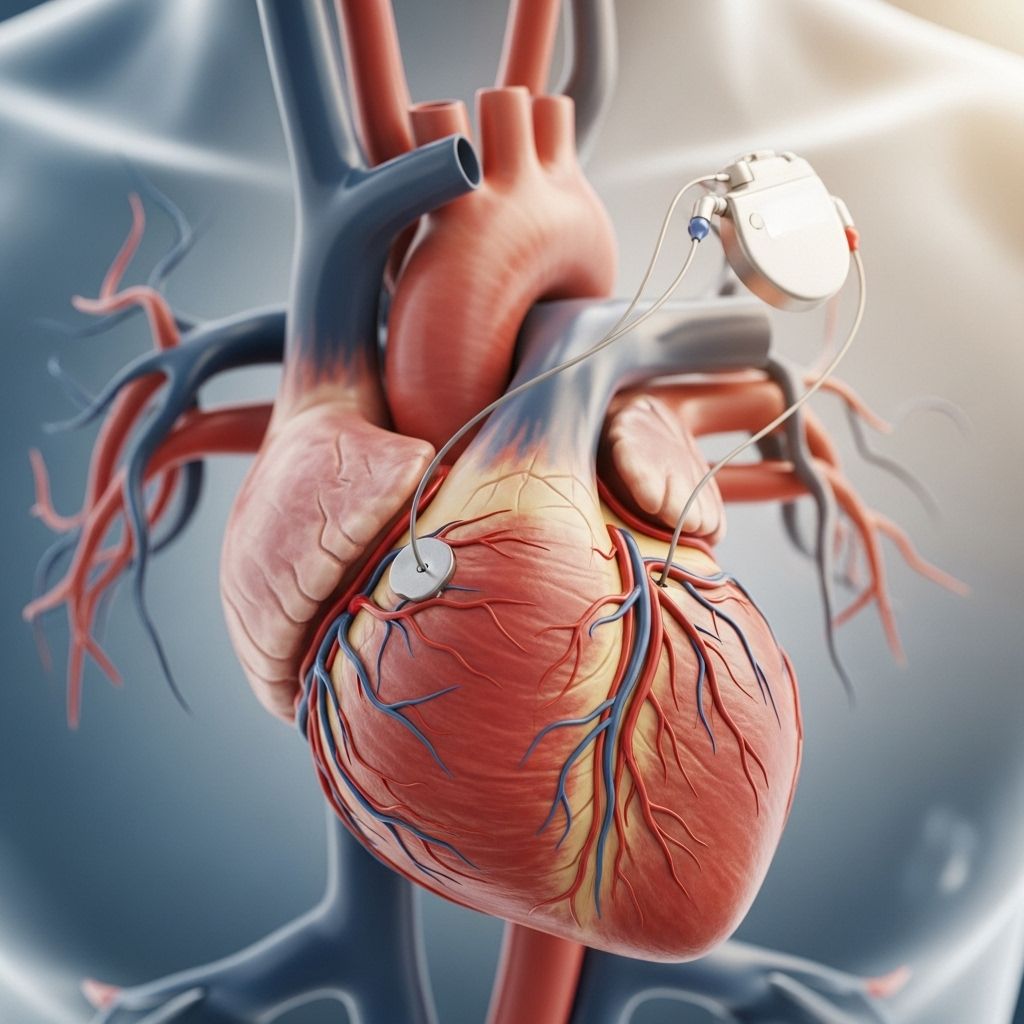
What Is a Pacemaker?
A pacemaker is a small, battery-powered device implanted in the chest or abdomen to help control abnormal heart rhythms. By sending electrical impulses to the heart, it ensures the heart beats at a normal rate and rhythm, especially in people with arrhythmias or dangerously slow heartbeats. Pacemakers are often used both as a temporary and a long-term solution, depending on individual health needs.
Why Is a Pacemaker Inserted?
Pacemaker insertion is recommended for various cardiac conditions. The main indications include:
- Bradycardia, or a heart that beats too slowly
- Arrhythmias, where the heart beats too fast, too slow, or irregularly
- Severe heart failure or cardiomyopathy (weak heart muscle)
- Post-cardiac surgery support
- Heart block, where the electrical signals are delayed or blocked
A pacemaker may be essential if your symptoms include fainting, severe fatigue, dizziness, or palpitations due to these issues. The device helps maintain stable blood flow and can improve quality of life and survival rates for those with significant rhythm disorders.
Types of Pacemakers and Approaches
There are several types of pacemakers and distinct implantation approaches, determined by patient age, anatomy, and medical needs:
- Single-chamber pacemaker: Stimulates one heart chamber (usually the right ventricle).
- Dual-chamber pacemaker: Coordinates electrical impulses in both the right atrium and right ventricle for synchrony.
- Biventricular pacemaker (for cardiac resynchronization therapy): Stimulates both the right and left ventricles, used in heart failure management.
The two primary implantation techniques are:
- Endocardial (transvenous) approach: The most common technique, performed under local anesthesia, where leads are guided through a vein to the heart and the generator is placed under the skin near the collarbone.
- Epicardial approach: More common in children, this method involves attaching the leads directly to the heart’s outer surface, usually under general anesthesia, with the generator placed in the abdomen.
Preparing for Pacemaker Insertion
Preparation for a pacemaker procedure helps ensure a smooth and safe experience. You will likely discuss the following with your healthcare team beforehand:
- Your current medications, including herbal supplements and over-the-counter drugs, and whether they need to be paused
- Any allergies you may have (especially to anesthesia or antibiotics)
- Instructions on fasting (no food or drink after midnight before the procedure)
- Arrangements for a ride to and from the hospital
- Pre-procedure tests, such as blood tests or imaging, to confirm fitness for surgery
Your doctor will perform a thorough evaluation and explain the anesthesia plan, risks, and the overall procedure.
Pacemaker Implantation Procedure: Step by Step
The implantation procedure typically lasts 1 to 2 hours and is performed either in a specially equipped pacemaker lab or an operating room.
1. Anesthesia and Preparation
- Most adults receive local anesthesia to numb the incision area. You may also be given sedatives through an IV to relax, while children may receive general anesthesia and be fully asleep.
- Your chest or (rarely) abdomen will be shaved and cleaned to reduce infection risk. Sterile drapes will cover the rest of your body.
2. Making the Incision
- A small incision (typically just below the collarbone) is made.
- A pocket for the pacemaker generator is created under the skin or muscle.
3. Inserting the Leads
- For the endocardial approach, one or more leads are threaded through a vein (often the subclavian vein) to reach the heart chambers, guided by a fluoroscopy machine for real-time X-ray imaging.
- In the epicardial approach, the leads are sewn directly onto the surface of the heart.
4. Testing the Leads and Connecting the Generator
- The leads are tested to ensure they correctly trigger heart contractions.
- Once confirmed, the leads are connected to the pacemaker generator, which is tucked into the tissue pocket.
5. Closing the Incision
- The incision is closed with stitches or surgical glue, and a sterile bandage is applied.
If local anesthesia is used, most people remain awake but drowsy during the procedure. You should not feel pain, though pressure or pulling may be noticed. Always alert the staff if you feel discomfort.
What to Expect After Pacemaker Insertion
The immediate recovery phase includes monitoring and pain management. Here’s what to expect:
- You will be closely monitored for several hours after the procedure.
- A nurse will check your heart rhythm, blood pressure, and the incision site for complications.
- Pain in the incision area is common but typically manageable with oral medication.
Hospital Stay Duration
- Many adults go home the same day or after an overnight stay; children or those undergoing more complex procedures might remain hospitalized for up to five days.
Incision Care
- Keep the bandage clean and dry.
- Follow medical advice regarding bathing—showers may be permitted after a few days, but soaking the incision (e.g., in a bath or pool) is usually discouraged for 1–2 weeks.
- Do not raise the arm on the side of your pacemaker above shoulder level for a few weeks to allow the leads to stabilize.
Post-Procedure Safety and Infection Prevention
Infection at the surgical site is a risk, but can be minimized by proper care:
- Medical staff will use sterile gloves and masks and keep the area covered while in the hospital.
- At home, practice excellent hand hygiene, remind caregivers to wear gloves, and avoid touching or scratching the incision.
- Monitor for symptoms of infection such as redness, swelling, excessive warmth, discharge, fever, or chills.
- Report pain that gets worse or doesn’t improve with medication.
Living With a Pacemaker
Most people return to their regular activities within a week after surgery. Recovery typically includes:
- Gradually increasing activity with your doctor’s approval.
- Avoiding heavy lifting or vigorous arm movements for the first several weeks.
- Attending follow-up appointments to check pacemaker function and tweak its settings if necessary.
Your doctor will provide specific guidance tailored to your health profile and activity needs.
Risks Associated With Pacemaker Insertion
While pacemaker insertion is considered safe, possible (though rare) complications include:
- Infection at the incision site
- Bleeding or bruising around the area
- Device malfunction or lead dislodgement
- Spasms in the chest or abdomen (rare)
- Pneumothorax (air trapped between the lung and chest wall) or blood vessel injuries
- Heart muscle rupture (extremely rare)
Certain factors may increase the risk of complications:
- Smoking and excessive alcohol use
- Chronic conditions, such as diabetes or obesity
- Preexisting infections
When to Call Your Doctor After Pacemaker Insertion
Keep in contact with your care team and report any unusual symptoms promptly. Call your doctor if you notice:
- Fever or chills
- Redness, swelling, warmth, bleeding, or discharge from the incision
- Severe pain not controlled by prescribed medications
- Shortness of breath, chest pain, or persistent cough
- Palpitations, fast, slow, or irregular heartbeats
For signs of a serious emergency, such as loss of consciousness, severe chest pain, or sudden breathing difficulties, seek urgent medical attention.
Frequently Asked Questions (FAQs)
Q: How long does a pacemaker last?
A: Most pacemaker batteries last 5 to 15 years. Periodic checkups are necessary to monitor battery life and device function. When battery life ends, only the generator needs replacing, not the leads.
Q: Can I go through airport security with a pacemaker?
A: Yes. Pacemakers are safe around metal detectors and airport security devices. However, it is recommended to alert security staff so they can adjust screening procedures if needed.
Q: Are cell phones and microwaves safe with a pacemaker?
A: Modern pacemakers are shielded against most common electronic interference. Still, it’s wise to keep cell phones at least six inches away from your device (avoid carrying phones in your chest pocket), and use appliances as directed.
Q: Can I exercise after pacemaker installation?
A: Most people resume normal exercise after a short recovery. Avoid strenuous arm movements or heavy lifting for approx. four to six weeks post-surgery. Discuss safe exercise levels with your physician.
Q: Will I feel my pacemaker working?
A: Usually not. Some individuals may briefly feel their hearts beat faster when the pacemaker activates, especially right after installation, but most are unaware of regular functioning.
Table: Summary of Pacemaker Insertion Key Points
| Aspect | Details |
|---|---|
| Typical Candidate | Individuals with bradycardia, arrhythmia, or heart failure |
| Procedure Length | 1–2 hours |
| Anesthesia | Local (most adults), General (usually for children) |
| Hospital Stay | Same day to 1–5 days |
| Incision Site | Below collarbone (chest) or, rarely, abdomen |
| Main Risks | Infection, bleeding, device malfunction, rare organ injury |
Tips for Successful Recovery
- Follow your doctor’s medication and wound care instructions closely.
- Keep the incision dry until cleared by your provider.
- Perform only low-impact activities until your doctor says it is safe to resume normal routines.
- Attend all scheduled checkups for device monitoring and adjustment.
- Wear a medical alert bracelet identifying your pacemaker usage.
Conclusion
Pacemaker insertion is a common procedure that can dramatically improve the quality of life for individuals with cardiac rhythm disorders. With advanced technology and expert care, most people resume their normal lives within days to weeks post-procedure. Understanding the surgery, knowing how to care for your incision, and being aware of when to seek help will ensure a smooth and safe recovery. Stay in regular contact with your healthcare provider and embrace your new, regularly tuned heartbeat with confidence.
Similar Articles





Read full bio of medha deb