Pilonidal Cyst: Comprehensive Guide to Symptoms, Causes, and Treatment
Everything you need to know about pilonidal cysts: symptoms, diagnosis, treatment options, risks, prevention, and aftercare.
Pilonidal Cyst: What You Need to Know
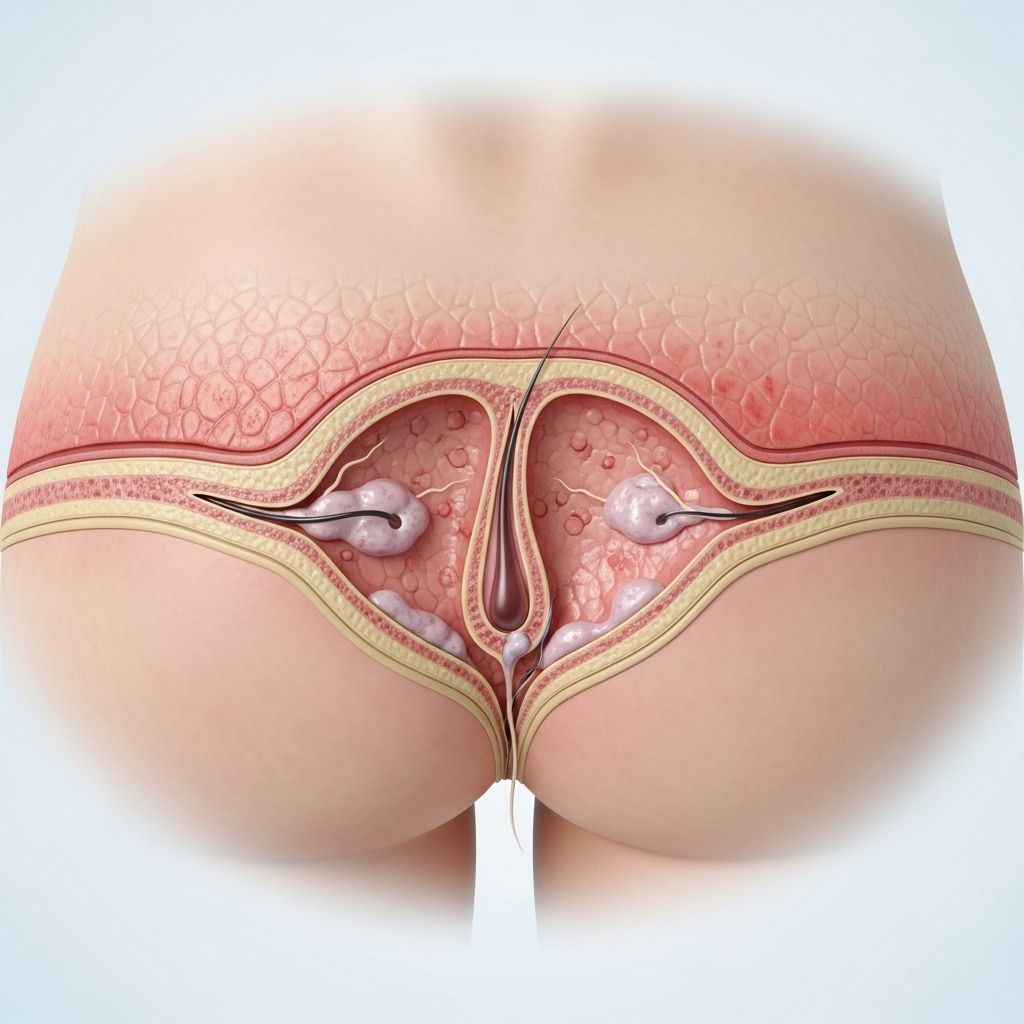
A pilonidal cyst is a troublesome skin problem that occurs at the top of the buttocks, near the tailbone. These cysts can cause considerable pain and discomfort, especially when infected, and often require medical intervention. Understanding its causes, symptoms, treatment options, and preventive measures is crucial for anyone affected by this condition or at risk.
What Is a Pilonidal Cyst?
A pilonidal cyst is an abnormal pocket in the skin usually filled with hair, skin debris, and sometimes dirt. It commonly develops at the crease of the buttocks (sacrococcygeal region), right above the tailbone. Pilonidal cysts can become inflamed and form abscesses that contain pus.
- Typically affects young adults
- More common in men than women
- Often recurs if not properly treated
Main Features of Pilonidal Cysts
- Located near the top of the buttocks crease
- May contain hair and skin debris
- Often appears as a small lump or swelling
- Can become infected and filled with pus
- May leak blood or an unpleasant-smelling fluid
What Causes Pilonidal Cysts?
The exact cause of pilonidal cysts isn’t always clear, but most evidence points to ingrown hairs as a primary factor. Additional contributors include friction, pressure, or trauma to the area, causing hairs to puncture the skin and become embedded, which leads to chronic infection and cyst formation.
Risk Factors
- Personal characteristics: Most frequently affects young men, especially those aged 15–35.
- Body hair: People with thick, coarse, or excessive body hair are at increased risk.
- Sedentary lifestyle: People who spend long periods sitting (e.g., truck drivers, office workers).
- Weight: Being overweight increases risk.
- Repetitive trauma or friction: Rubbing from tight clothing, cycling, or activities causing friction around the tailbone.
- Family history: Genetics may play a role in susceptibility.
Symptoms of a Pilonidal Cyst
Pilonidal cysts can vary in their presentation. Some remain asymptomatic unless infected, while others cause ongoing discomfort. Symptoms often intensify if an abscess (infected cyst) forms.
Common Symptoms
- Red, tender lump or swelling near the top of the cleft of the buttocks
- Pain—can range from mild tenderness to severe discomfort
- Warmth and redness around the affected area
- Pus or blood draining from a small opening in the skin
- Unpleasant odor from draining fluid
- Fever or malaise (in the case of severe infection)
Symptoms Table
| Symptom | Description |
|---|---|
| Pain/tenderness | Most notable upon sitting or pressure on the area |
| Redness & swelling | Often indicates inflammation or infection |
| Drainage | Pus or blood, sometimes with foul odor, may drain from an opening |
| Lump/nodule | May feel like a small lump near the top of the buttocks crease |
| Fever | May occur if infection spreads |
When to See a Doctor
If you experience the following, medical attention is advised:
- Increasing pain or swelling
- Visible pus or blood drainage
- Redness and warmth around the area
- Recurrent or persistent lumps at the tailbone region
- Signs of systemic infection such as fever
How Is a Pilonidal Cyst Diagnosed?
Your healthcare provider will generally diagnose a pilonidal cyst with a physical examination and by discussing your symptoms and medical history. Diagnostic imaging is rarely necessary unless there are complications or unusual presentations.
Typical Diagnosis Steps
- Visual inspection of the area
- Assessment of pain and swelling
- Discussion of history (previous episodes, occupation, sitting habits)
- Assessment of drainage (if present)
Occasionally, imaging studies such as ultrasounds are used to assess the extent of infection, especially if sinus tracts (tunnels) or deep abscesses are suspected.
Treatment Options for Pilonidal Cysts
Treatment for pilonidal cysts depends on the severity and whether infection is present. Options range from self-care for mild cases to surgical procedures for chronic or recurrent cysts.
Self-Care and Home Management
- Keep the area clean and dry
- Avoid prolonged sitting or activities worsening symptoms
- Warm compresses may relieve discomfort
- Do not squeeze or attempt to drain the cyst yourself
Non-Surgical Medical Treatments
- Antibiotics: Prescribed if surrounding skin is red and inflamed. However, oral antibiotics alone rarely cure pilonidal cysts since they can’t reach the cyst deeply enough to eradicate the infection fully.
- Laser Hair Removal: Used to reduce hair around the area, decreasing risk of recurrence.
Surgical Treatments
Surgical intervention is often required for painful, infected, or persistent pilonidal cysts. Several approaches exist:
- Incision and Drainage: The doctor numbs the area with local anesthesia, makes a small cut to open the cyst, and drains the pus and debris. The wound is usually left open and packed with gauze to allow healing from the inside out. Recovery can take a few weeks.
- Excision (Cyst Removal): For recurring or complex cysts, the entire cyst and surrounding tissue may be surgically removed. Depending on technique and doctor’s preference, the wound may be left open or closed with stitches.
- Marsupialization: Involves draining the cyst and then sewing the edges of the incision to the wound opening, creating a pouch. This technique reduces the risk of recurrence but takes about six weeks to fully heal.
- Wound Closure with Sutures: Offers shorter healing time, but there is greater risk of the cyst coming back, as it’s harder to remove all affected tissue.
Comparison of Surgical Options
| Procedure | Pros | Cons |
|---|---|---|
| Incision and Drainage | Simple, local anesthesia, quick relief | Requires wound packing, may recur |
| Excision (Open) | Lower recurrence risk | Longer healing and wound care |
| Marsupialization | Outpatient, neat wound, smaller incision | Longer full healing (6 weeks), needs experienced surgeon |
| Excision (Closed) | Quick healing, no packing needed | Higher recurrence risk |
Aftercare and Recovery
Proper aftercare is essential for full recovery and reducing risk of recurrence:
- Meticulous wound care: Change dressings as instructed, keep the site clean, and avoid tight-fitting clothes.
- Shave or remove hair around the site regularly to prevent hairs from entering the wound.
- Avoid prolonged sitting and maintain a healthy weight to reduce pressure on the area.
- Follow up with your healthcare provider for wound assessment and monitoring.
Complications and Risks
- Recurrent infections: Especially if all affected tissue and hair are not removed.
- Chronic sinus tracts: Fistulous tunnels may form, making treatment more complex.
- Cellulitis: Infection can spread to underlying tissues.
- Sepsis: Rarely, if infection spreads to the bloodstream.
Prevention and Reducing Recurrence
While not always preventable, you can lower your risk of developing another pilonidal cyst by:
- Practicing meticulous hygiene, especially in the buttocks area
- Removing hair through shaving, depilatory creams, or laser treatments
- Maintaining a healthy weight
- Avoiding prolonged sitting when possible
- Wearing loose, breathable clothing to reduce friction
Frequently Asked Questions (FAQs)
What causes a pilonidal cyst?
A pilonidal cyst generally develops when hair punctures the skin and becomes embedded, leading to a localized infection. Factors like prolonged sitting, excessive body hair, obesity, and friction increase the risk.
Will a pilonidal cyst go away on its own?
Sometimes, an uninfected cyst may drain and heal on its own. However, infected or recurrent cysts generally require medical intervention, such as drainage or surgery.
Is it safe to squeeze or pop a pilonidal cyst?
No, you should not attempt to squeeze or drain a pilonidal cyst by yourself, as this can worsen the infection and result in incomplete pus removal. Always consult a healthcare provider.
What is the preferred treatment for a first pilonidal cyst?
The initial treatment typically involves incision and drainage under local anesthesia, followed by wound care to promote healing from the base outward.
How can I prevent recurrence?
Keep the area clean and hair-free, maintain a healthy weight, sit less when possible, and wear loose clothing to reduce pressure and friction in the area.
Key Takeaways
- Pilonidal cysts are painful pockets of tissue near the tailbone, commonly containing hair and debris.
- They are more likely in young men, people with thick hair, and those who sit for long periods.
- Symptoms include pain, swelling, redness, and foul-smelling drainage. Severe or recurrent cases require a doctor’s care.
- Initial treatment is usually drainage, while chronic cases may require surgery and careful aftercare to prevent return.
- Prevention centers on hygiene, hair removal, weight management, and minimizing pressure on the area.
Similar Articles





Read full bio of medha deb