Rectal Bleeding: Causes, Diagnosis, and Treatment
Understand the symptoms, causes, diagnostic tests, and treatments for rectal bleeding with this comprehensive guide for patients and caregivers.
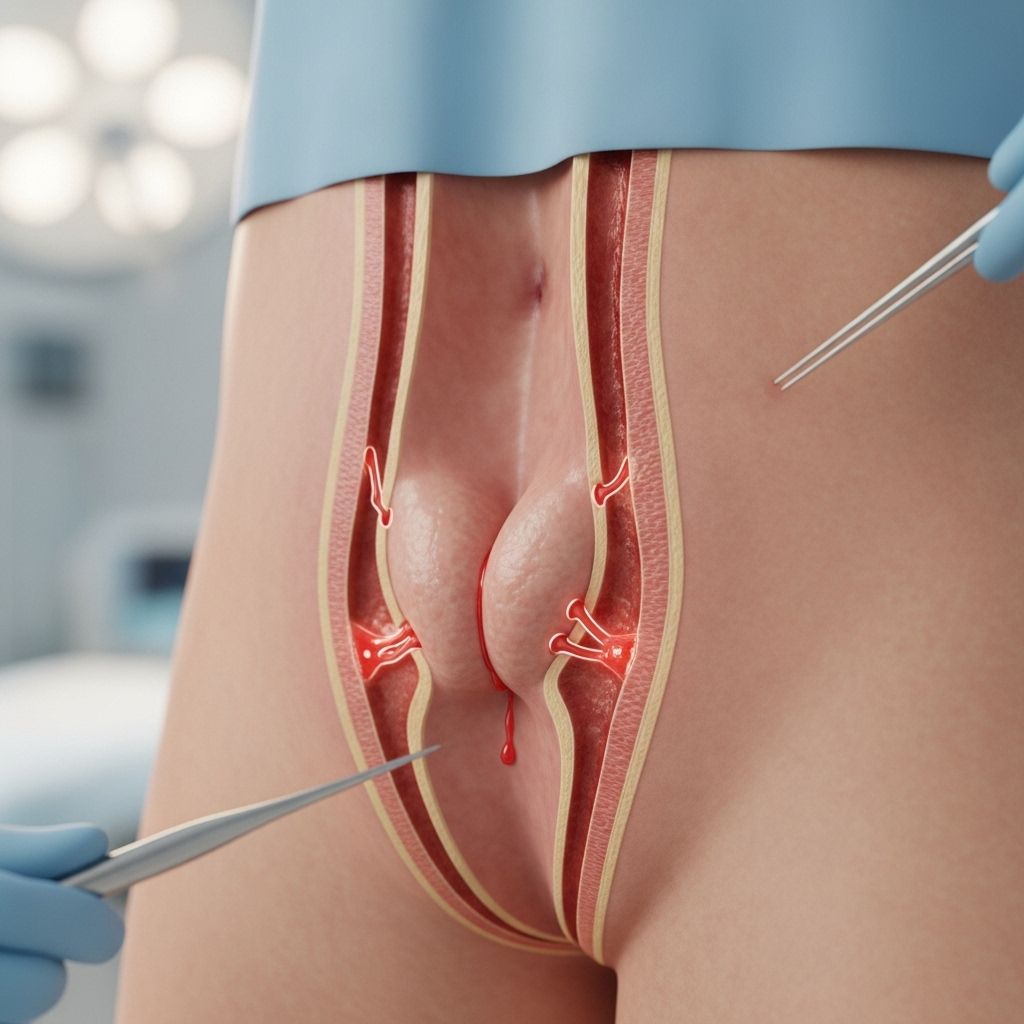
Rectal Bleeding: Overview
Rectal bleeding refers to the passage of blood from the rectum or anus. It may be visible on stool, toilet paper, or in the toilet bowl. Depending on its appearance, source, and severity, rectal bleeding can indicate a range of underlying conditions. This article provides a thorough review of the symptoms, possible causes, diagnostic procedures, home care guidelines, and when to seek professional medical help.
Symptoms of Rectal Bleeding
Rectal bleeding can present with various symptoms, including:
- Bright red blood coating the stool, on toilet paper, or dripping into the toilet
- Blood mixed into stool
- Tarry, black stool (melena), often indicating bleeding higher in the gastrointestinal tract
- Rectal pain or discomfort, including burning or itching
- No symptoms aside from the bleeding itself
The nature and color of the blood can give clues about its origin. Bright red blood often suggests bleeding low in the colon or rectum, while dark or tarry blood usually comes from higher in the digestive tract, such as the stomach or small intestine.
Common Causes of Rectal Bleeding
Rectal bleeding can arise from a wide spectrum of conditions, varying in severity from minor, temporary issues to serious illnesses requiring urgent attention. Typical causes include:
- Hemorrhoids: Swollen veins in the lower rectum or anus, a frequent cause especially in adults. Bleeding is usually painless and occurs with bowel movements.
- Anal fissures: Small tears in the lining of the anus, often resulting from passing large or hard stools. These can cause pain and bright red blood during or after defecation.
- Proctitis: Inflammation of the rectal lining, which can be due to infections, inflammatory bowel disease, or radiation treatment.
- Colorectal polyps or cancer: Abnormal tissue growths in the colon or rectum, which may bleed intermittently. Bleeding may be the first noticeable sign in some cases.
- Diverticulosis: Small pouches that form in the colon wall and can rupture or bleed.
- Inflammatory bowel diseases (IBD): Conditions such as ulcerative colitis and Crohn’s disease that cause chronic inflammation and bleeding.
- Infections: Bacterial, viral, or parasitic infections may damage the lining of the colon or rectum, leading to bleeding.
- Angiodysplasia: Fragile, abnormal blood vessels in the colon, more common in older adults.
- Rectal ulcers
- Other causes: Including trauma, foreign bodies, or certain medications affecting blood clotting.
Potentially Serious Causes
Some causes of rectal bleeding may be life-threatening or require urgent medical attention. These include:
- Colorectal cancer
- Large polyps
- Severe ulcerative colitis or Crohn’s disease
- Diverticular bleeding (severe cases)
- Significant trauma or perforation of the colon
Diagnosing the Cause of Rectal Bleeding
The correct diagnosis depends on a detailed medical evaluation. A healthcare provider will:
- Conduct a thorough medical history and physical examination
- Review the appearance, frequency, and associated symptoms of bleeding
- Order diagnostic tests as indicated
Diagnostic Tests
- Rectal examination: Direct visualization and palpation of the anus and lower rectum
- Anoscopy or sigmoidoscopy: Allows visualization of the anal channel and lower bowel
- Colonoscopy: Examines the entire colon for polyps, cancer, inflammation, or bleeding sources
- Stool tests: Checks for hidden (occult) blood
- Imaging studies: CT scan or other scans if internal bleeding is suspected
- Blood tests: Evaluates for anemia or other underlying issues
Table: Common Causes and Their Diagnostic Clues
| Cause | Symptoms/Signs | Diagnostic Approach |
|---|---|---|
| Hemorrhoids | Painless bright red blood, visible with stool | Rectal exam, anoscopy |
| Anal fissure | Painful defecation, bright red blood, anal discomfort | Physical/rectal exam |
| Colonic polyps/cancer | Often painless, possible changes in stool | Colonoscopy, biopsy |
| IBD (Ulcerative colitis/Crohn’s) | Chronic diarrhea, abdominal pain, blood in stool | Colonoscopy, lab tests |
| Diverticulosis | Painless large volume bleeding | Colonoscopy, imaging |
| Proctitis/Infection | Rectal pain, mucous, blood | Rectal swab, stool tests |
Home Care Strategies for Mild Rectal Bleeding
Treatment depends on the underlying cause; some cases may improve with simple home approaches:
- Increased fiber intake (whole grains, fruits, vegetables) to soften stools and reduce straining
- Staying hydrated with water and non-caffeinated fluids
- Sitz baths: Warm water soaks for the anal area, often relieving symptoms from hemorrhoids or fissures
- Over-the-counter ointments or suppositories for hemorrhoids
- Avoiding prolonged sitting or straining during bowel movements
If bleeding persists, worsens, or is associated with other concerning symptoms, medical attention is required.
Medical Treatments and Procedures
Treatment is guided by the cause identified:
- Hemorrhoid therapies: May include sclerotherapy (injections to shrink hemorrhoids), rubber band ligation, or surgical removal in severe cases
- Fissure treatment: Topical medications, dietary modification, surgical repair for chronic cases
- Polyps/cancer: Endoscopic removal (polypectomy) or cancer management by oncology team
- Inflammatory bowel diseases: Immunosuppressive therapy, dietary management, occasionally surgery
- Antibiotic therapy: For infectious proctitis
- Embolization or surgery: For severe diverticular or vascular bleeding
When to Seek Medical Attention
Rectal bleeding should be considered urgent or requiring professional assessment if:
- Bleeding is heavy, continuous, or associated with symptoms such as dizziness, weakness, or fainting
- Blood is mixed with stool or is dark/tarry
- Stools are consistently black and tarry (melena)
- There is a personal or family history of colon polyps or cancer
- Bleeding occurs with abdominal pain, fever, or unintentional weight loss
- There are changes in bowel habits (persistent diarrhea, constipation)
Early medical evaluation can help prevent complications and properly identify the underlying cause.
Prevention and Monitoring
- Maintain a high-fiber diet and stay hydrated to support healthy bowel movements
- Avoid straining during bowel movements and minimize prolonged sitting
- Monitor for changes in the color, consistency, or frequency of stools
- Discuss routine colorectal cancer screening with your healthcare provider if over age 45 or with risk factors
- Report any new or worsening rectal bleeding promptly
Frequently Asked Questions (FAQs)
Q: Is all rectal bleeding dangerous?
No, not all rectal bleeding indicates a serious condition. Common causes such as hemorrhoids or fissures may be benign, but persistent, frequent, or unexplained rectal bleeding should be identified promptly by a healthcare provider.
Q: How do I know if my rectal bleeding is an emergency?
Bleeding that is large in volume, does not stop, is accompanied by signs of shock (such as dizziness or fainting), or is associated with abdominal pain, should be considered an emergency and evaluated immediately.
Q: What should I do if I see blood after a bowel movement?
If bleeding is mild and occasional, monitor your symptoms and consider dietary changes. If it persists or is accompanied by other symptoms like pain, change in bowel habits, or unexplained weight loss, contact your healthcare provider.
Q: How can I prevent rectal bleeding?
Eat a balanced diet rich in fiber, stay hydrated, avoid excessive straining, and follow guidance about regular screening for colorectal cancer as recommended.
Q: What tests are usually performed for rectal bleeding?
Initial evaluation typically includes a rectal examination, fecal occult blood testing, colonoscopy or sigmoidoscopy, and sometimes laboratory tests for anemia. Imaging studies may be necessary in cases of severe or unexplained bleeding.
Key Takeaways
- Rectal bleeding can be caused by a range of conditions, most commonly hemorrhoids and fissures, but also potentially serious diseases like cancer.
- The color and quantity of blood provide clues about its source, which will help guide diagnosis.
- Simple home remedies can help mild cases, but persistent, severe, or recurrent bleeding should be professionally evaluated.
- Preventive measures include fiber-rich diet, water intake, and regular cancer screening when appropriate.
Similar Articles







Read full bio of Sneha Tete