Scleroderma: What Is It, Causes, Symptoms, Diagnosis, and Treatment
Discover scleroderma: causes, symptoms, complications, diagnosis, and treatment strategies for this connective tissue disease.
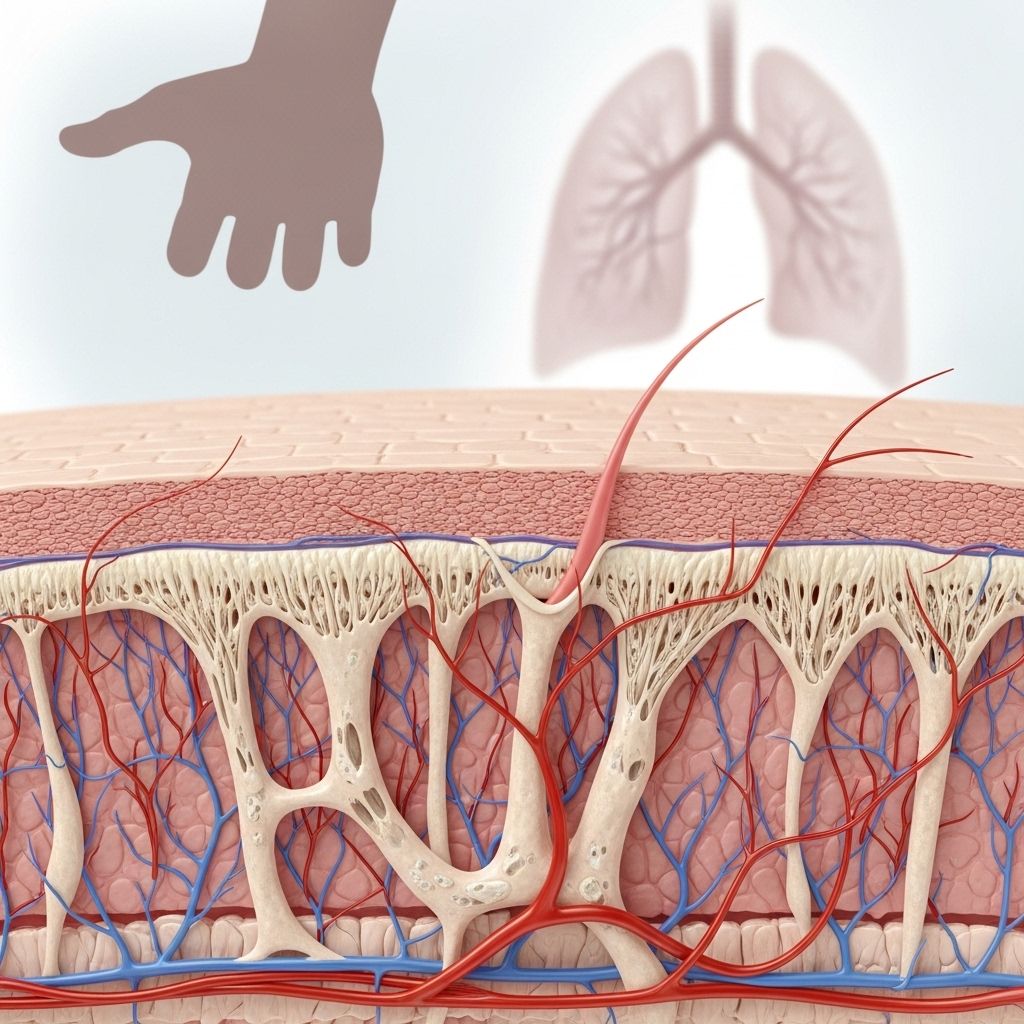
Scleroderma: Overview, Causes, Symptoms, Diagnosis, and Treatment
Scleroderma is a rare chronic disease primarily affecting the skin but capable of involving other organs. Understanding its cause, course, complications, and available therapies is crucial for patients and caregivers. This article provides a detailed exploration of scleroderma, focusing on its types, clinical features, risk factors, diagnostic process, management strategies, possible complications, and living with the disease.
What Is Scleroderma?
Scleroderma is a group of rare autoimmune diseases characterized by abnormal growth of connective tissue, leading to the thickening and hardening (fibrosis) of the skin and, in some cases, internal organs. The name derives from the Greek words “sclero” meaning hard, and “derma” meaning skin.
- Scleroderma occurs more often in women than men.
- Onset commonly appears between ages 30 and 50.
- It is considered an autoimmune disease, where the immune system mistakenly attacks healthy tissues.
Key Types of Scleroderma
Scleroderma can present in several forms, which differ in their severity and organ involvement.
| Type | Description | Typical Features |
|---|---|---|
| Localized Scleroderma | Mainly affects the skin and sometimes underlying tissues. Internal organs are usually not involved. | Morhea (patches), linear scleroderma (bands) |
| Systemic Sclerosis (Systemic Scleroderma) | Affects skin, blood vessels, and internal organs such as lungs, heart, and kidneys. | Diffuse or limited (CREST syndrome) |
Systemic Scleroderma Subtypes
- Diffuse cutaneous systemic sclerosis (dcSSc): Rapidly progressing skin changes and high risk of internal organ involvement.
- Limited cutaneous systemic sclerosis (lcSSc): Slower progression, typically affecting skin on hands, forearms, face, and lower legs; may be associated with CREST syndrome (Calcinosis, Raynaud’s, Esophageal dysfunction, Sclerodactyly, Telangiectasia).
Causes and Risk Factors
The precise cause of scleroderma is unknown. It appears to result from a complex interplay of genetic and environmental factors, which provoke an immune system attack on the connective tissues. This triggers excessive production of collagen, leading to fibrosis and organ malfunction.
- Autoimmune Response: The body’s immune system targets its own tissues, causing inflammation and thickening.
- Genetic Susceptibility: Some genetic markers increase risk, but there is no single gene responsible.
- Environmental Triggers: Exposure to certain toxins or infections could activate the disease in genetically susceptible individuals.
Symptoms
Scleroderma displays a wide spectrum of symptoms that range from mild to severe, depending on which parts of the body are involved.
- Skin Thickening and Hardening: Most prominent on the fingers, hands, and face. The skin may feel tight and shiny.
- Raynaud’s Phenomenon: Fingers and toes turn white or blue in response to cold or stress, caused by poor blood flow due to narrowed blood vessels.
- Swelling and Joint Pain: Swelling of the fingers and hands, sometimes with joint stiffness.
Other Possible Symptoms
- Ulcers and sores at fingertips due to poor circulation
- Loss of facial lines and wrinkles, giving a “mask-like” appearance
- Decreased mobility in fingers and hands
- Pain or tightness in joints and muscles
- Dryness of eyes or mouth
Organ Complications
When scleroderma extends beyond the skin, it can affect various body organs and systems:
- Gastrointestinal Tract: Difficulty swallowing, heartburn, bloating, diarrhea, constipation, or malabsorption.
- Respiratory System: Shortness of breath, chronic cough, or pulmonary fibrosis (lung scarring).
- Kidneys: Impaired kidney function, potentially leading to dangerous increases in blood pressure (scleroderma renal crisis).
- Cardiovascular System: Heart rhythm disturbances, congestive heart failure.
- Musculoskeletal System: Arthritis-like symptoms, reduced mobility.
How Is Scleroderma Diagnosed?
Diagnosing scleroderma can be challenging because its symptoms overlap with other diseases. A combination of clinical examination, laboratory testing, and imaging studies is often used.
Physical Exam
- Assessment of skin thickening and tightness, especially on fingers, face, and hands.
- Examination of blood vessels at the base of fingernails with a magnifying device to identify characteristic changes.
- Listening for heart, lung, and abdominal abnormalities.
- Checking blood pressure, as kidney involvement can increase risk of high blood pressure.
Laboratory and Other Diagnostic Tests
- Antinuclear antibody (ANA) panel: Detects autoantibodies that are present in most people with autoimmune diseases.
- Scleroderma-specific antibodies: Such as anti-centromere and anti-topoisomerase antibodies.
- Erythrocyte Sedimentation Rate (ESR): Measures inflammation.
- Rheumatoid Factor: To rule out similar conditions like rheumatoid arthritis.
- Complete Blood Count (CBC): To check for anemia or signs of inflammation.
- Metabolic Panel (including creatinine): Assesses kidney function.
- Heart muscle tests: May include specific enzymes or imaging if cardiac involvement is suspected.
- Urinalysis: Checks for protein or changes that may indicate kidney disease.
Imaging and Functional Tests
- Chest X-ray and CT scans: Evaluate for lung involvement or fibrosis.
- Electrocardiogram (ECG) and Echocardiogram: Assess heart structure and function.
- Tests for lung and gastrointestinal function: Pulmonary function tests, endoscopy, or motility studies.
- Skin Biopsy: May be performed to confirm diagnosis if the skin findings are unclear.
Treatment for Scleroderma
There is currently no cure for scleroderma. Treatment focuses on managing symptoms, slowing disease progression, and preventing complications. Therapy is highly individualized, depending on the affected organs and symptom severity.
Medications
- Corticosteroids (e.g., prednisone): Used to reduce inflammation in some cases. Doses above 10 mg per day are avoided to lower risk of kidney complications.
- Immunosuppressive drugs: Such as mycophenolate, cyclophosphamide, cyclosporine, and methotrexate, can help slow disease progression—especially for people with diffuse skin disease.
- Hydroxychloroquine: May be used to treat inflammatory arthritis symptoms.
- Autologous Hematopoietic Stem Cell Transplantation (HSCT): Considered for some patients with rapidly progressive scleroderma; requires monitoring at specialized centers.
- Treatment for specific symptoms:
- Medications to improve Raynaud’s phenomenon
- Acid reducers (such as omeprazole) for esophageal symptoms
- ACE inhibitors for high blood pressure
- Light therapy for skin thickening
- Drugs for lung disease (such as bosentan, sildenafil)
Non-Medication Therapies
- Physical Therapy: Helps maintain hand and joint function, and can reduce risk of contractures.
- Pain Management: Physical methods, topical treatments, and medications can be used for pain control.
- Psychological Support: Counseling and support groups may help address the emotional challenges of living with a chronic illness.
- Protective Measures: Dressing warmly to manage Raynaud’s, using gentle skin care routines, and preventing injuries to fingers and skin.
Lifestyle and Self-Care Strategies
- Quit smoking—it worsens vascular symptoms.
- Exercise regularly, as tolerated, to maintain mobility and strength.
- Practice skin care to keep skin clean and moisturized.
- Avoid cold exposure and protect hands and feet.
- Eat a balanced diet and manage gastrointestinal symptoms with appropriate foods.
Possible Complications
Scleroderma complications depend on the extent and location of tissue involvement. Early intervention and monitoring can help minimize risk. Major complications may include:
- Ulcerations and infections of the fingers or toes
- Lung involvement: Pulmonary fibrosis, hypertension, or lung infections
- Renal crisis: Abrupt high blood pressure and kidney damage (requires urgent medical attention)
- Heart complications: Arrhythmias, heart failure, or pericarditis
- Joint and muscle issues: Loss of mobility and function
- Nutritional problems: Due to swallowing or digestive difficulties
Living With Scleroderma
Living with scleroderma requires adjustment, regular medical care, and self-management skills. Support from healthcare providers, family, and scleroderma organizations can significantly improve quality of life.
- Keep regular appointments with your medical team for monitoring and management adjustments.
- Communicate new or worsening symptoms promptly to your provider.
- Consider consulting with occupational therapists for home or workplace adaptations.
- Seek support—connect with patient advocacy and support groups.
Frequently Asked Questions (FAQs)
Q: Who is at risk for scleroderma?
A: Scleroderma most often affects women aged 30–50, but can affect people of any age, gender, or ethnicity. Family history of autoimmune diseases may increase risk.
Q: Is scleroderma contagious?
A: No, scleroderma is not contagious and cannot be passed from person to person.
Q: Can scleroderma be cured?
A: There is no cure for scleroderma, but modern treatments can control symptoms, slow disease progression, and prevent complications in many people.
Q: Is every patient’s scleroderma the same?
A: No. The course and symptoms of scleroderma can vary significantly between individuals. Some people have only skin involvement, while others develop more serious internal organ problems.
Q: What should I do if I suspect I have scleroderma?
A: See your doctor, ideally a rheumatologist, for evaluation. Early diagnosis and intervention can help slow progression and prevent complications.
Q: How can I manage Raynaud’s phenomenon?
A: Dress warmly, avoid cold exposure, manage stress, and follow your healthcare provider’s advice. Medications may be needed if symptoms are severe or if ulcers develop.
Q: Are children affected by scleroderma?
A: Although rare, children may develop localized or systemic forms of scleroderma. Symptoms and management are generally similar to those in adults, but require specialist care.
Q: What is the long-term outlook for people with scleroderma?
A: The prognosis varies widely. With early detection, regular follow-up, and comprehensive care, many people live full and active lives.
Caring for Someone With Scleroderma
If you are caring for a person with scleroderma, stay informed, offer practical and emotional support, and encourage routine medical care. Patience is important, as symptoms may change unpredictably. Utilize community resources and don’t hesitate to ask healthcare providers for advice on symptom management, home adaptation, or counseling needs.
Key Resources
- National Scleroderma Foundation
- Arthritis Foundation
- Specialist clinics for connective tissue diseases
Takeaway
Scleroderma is a complex autoimmune disorder with a wide spectrum of clinical outcomes. Early recognition, comprehensive diagnostic assessment, and a tailored, multidisciplinary treatment plan are key to improving quality of life. Advances in medical research continue to improve our understanding of scleroderma and bring hope for better future therapies.
Similar Articles







Read full bio of medha deb