Side Effects of Escitalopram: What to Expect and How to Manage Them
Understand the range of escitalopram side effects, their frequency, what to do if you experience them, and when to seek urgent help.

Escitalopram is a selective serotonin reuptake inhibitor (SSRI) commonly prescribed for depression and anxiety disorders. While it is generally considered safe and effective, like all medicines, escitalopram can cause side effects in some people. Understanding what to expect, how to manage minor reactions, and when to seek urgent medical care is essential for anyone starting this medication.
Overview: Who Gets Side Effects?
Not everyone who takes escitalopram will experience side effects. Most side effects, if they occur, are mild and temporary, often improving as your body adjusts to the medication within the first few weeks. However, some people may experience more persistent or serious reactions. Knowing what to look out for can help set your mind at ease and allow you to act promptly if necessary.
Common Side Effects
The following side effects are experienced by a significant number of people when starting escitalopram. These usually fade as treatment continues:
- Feeling sick (nausea)
- Headache
- Diarrhoea and constipation
- Dry mouth
- Sweating (including night sweats)
- Dizziness
- Tiredness or drowsiness
- Difficulty sleeping (insomnia)
- Sexual problems (reduced sex drive, difficulty orgasming, or erectile dysfunction in males)
- Feeling restless, anxious, or agitated
- Increased or decreased appetite
Other common symptoms include abnormal dreams, yawning, tremor, indigestion, and weight change. Many of these effects are mild and improve as your body gets used to the medicine.
How to Manage Common Side Effects
| Side Effect | Management Tips |
|---|---|
| Headache | Stay hydrated; consider a simple painkiller, but consult your pharmacist if it continues. |
| Nausea | Eat smaller, simpler meals and avoid spicy or rich foods. |
| Diarrhoea/Indigestion | Stick to bland foods; if severe or persistent, contact your doctor. |
| Dizziness or Sleepiness | Avoid driving and using machines if affected. |
| Constipation | Include more fibre and fluids in your diet. |
| Dry mouth | Try sugar-free gum or sweets; maintain good oral hygiene. |
| Sexual dysfunction | Consult your doctor if persistent; dose adjustments or alternative medications may help. |
If any side effect becomes troublesome or fails to improve, speak with your prescriber for advice and possible alternatives.
Uncommon Side Effects
Some side effects are less frequent, occurring in up to 1 in 100 people. These include:
- Unusual bruising or bleeding, such as nosebleeds or gastrointestinal bleeding
- Agitation, confusion, or hallucinations
- Rash, itching, or skin changes
- Visual disturbances (e.g., blurred vision)
- Fluttering or pounding heartbeat (palpitations)
- Restlessness or shakiness (tremor)
- Muscle pain or joint pain
If you experience any of these, inform your doctor. They may wish to check for interactions, underlying health conditions, or adjust your dosage.
Serious and Rare Side Effects
While rare, some side effects require immediate medical attention as they could be signs of serious complications.
- Severe allergic reaction (anaphylaxis): swelling of the face, lips, tongue, or throat; difficulty breathing; hives or rash. Call emergency services immediately if this occurs.
- Serotonin syndrome: symptoms include high fever, agitation, confusion, muscle twitching, sweating, tremor, rapid heartbeat, diarrhoea. This is a medical emergency.
- Mania or hypomania: unusually high mood, overactivity, rapid thoughts or speech.
- Torsade de Pointes: fast, irregular heartbeat, fainting, or sudden loss of consciousness, which may indicate a dangerous heart rhythm.
- Yellowing of the skin or eyes (jaundice), which can signal liver dysfunction.
- Seizures (fits): any seizure during treatment requires urgent assessment.
- Unusual or heavy bleeding: persistent nosebleeds, blood in urine or stool, bruising without cause.
- Thoughts of self-harm or suicide: especially at the start of treatment or when doses are changed, immediately contact a healthcare professional if these occur.
If you experience any of these rare but serious symptoms, stop taking escitalopram and seek medical assistance without delay.
Children and Young People: Special Considerations
Escitalopram may affect appetite, weight, and height in children and teens. Growth should be monitored during treatment. In young people, there may also be increased risk of suicidal thoughts, especially when first starting the medication or with dose changes. Families and caregivers should be aware and report any concerning changes to a doctor right away.
Long-Term and Persistent Side Effects
Most side effects resolve within a few weeks, but some can persist or become chronic:
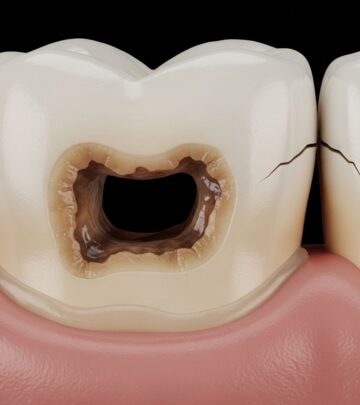
- Dry mouth (may increase risk of dental issues with long-term use)
- Sexual side effects (may continue as long as the medication is taken)
- Sleep disturbances or unusual dreams
Discuss prolonged symptoms with your doctor, as sometimes a dose adjustment or alternative therapy may be needed.
Who Should Not Take Escitalopram?
Certain medical conditions or treatments may make escitalopram unsuitable or require extra precautions:
- Pregnancy, planning pregnancy, or breastfeeding (always consult your doctor)
- Liver or kidney dysfunction
- Heart conditions or rhythm disorders
- Epilepsy or history of seizures
- Type 1 or 2 diabetes
- History of bleeding disorders or stomach/duodenal ulcers
- Mania or bipolar disorder
- Glaucoma (raised eye pressure)
- Concurrent medications (especially other antidepressants, some painkillers, anticoagulants, or herbal products)
- Allergy or hypersensitivity to escitalopram or related SSRIs
Always provide a complete medical history to your doctor before starting escitalopram to avoid preventable side effects and interactions.
Interactions and Precautions
Tell your doctor about all medications and supplements you are taking. Escitalopram has known interactions with:
- Other antidepressants (increased risk of serotonin syndrome)
- St John’s wort and other herbal remedies
- Anticoagulants (blood thinners) – increases bleeding risk
- Drugs affecting heart rhythm, such as some antipsychotics and antiarrhythmics
Your doctor may need to adjust your dose or monitor you more closely based on your medication list and medical conditions.
When to Seek Immediate Medical Attention
If any of the following occur while taking escitalopram, get medical help right away:
- Signs of a severe allergic reaction (swelling of face/lips/tongue, difficulty breathing, rash)
- Symptoms of serotonin syndrome (agitation, confusion, fever, twitching)
- Seizure or fit
- Uncontrollable bleeding or bruising
- Chest pain, palpitations, fainting, or abnormal heart rhythm
- Yellowish skin or eyes
- Unusual mental changes (mania, hallucinations, severe agitation)
- Thoughts of self-harm or suicide
Tips to Remember
- Start escitalopram exactly as prescribed and continue regularly for best results; do not stop suddenly without medical advice.
- Monitor for side effects especially during the first few weeks and after any dose change.
- Tell your prescriber about any other medications, supplements, or changes in your health status.
- If side effects are severe, persistent, or worrisome, speak to your doctor promptly.
FAQs about Escitalopram Side Effects
Q: How long do side effects of escitalopram last?
A: Most side effects start soon after beginning treatment or after a dose increase. Many improve within 1-2 weeks as your body adjusts, though some (like sexual side effects) may persist throughout treatment.
Q: Is it dangerous to drink alcohol while taking escitalopram?
A: Alcohol can amplify some side effects of escitalopram (such as drowsiness, dizziness, and reduced concentration) and may reduce its effectiveness. It’s best to avoid or limit alcohol while taking this medication.
Q: Will escitalopram affect my driving ability?
A: Escitalopram can cause dizziness, drowsiness, or blurred vision in some people, especially when starting or after dose changes. Do not drive or operate heavy machinery if you feel affected.
Q: What should I do if I experience sexual side effects?
A: Sexual side effects are relatively common with SSRIs. If these persist and affect your quality of life, discuss options with your doctor, which may include dose adjustment or switching to another medication.
Q: Can stopping escitalopram suddenly cause problems?
A: Yes. Suddenly stopping may lead to withdrawal symptoms such as irritability, dizziness, sensory disturbances, or flu-like symptoms. Always taper off under medical supervision.
Further Support and Information
If you are concerned about side effects or need additional advice, you can:
- Speak to your GP, pharmacist, or prescribing physician
- Report side effects directly to the MHRA Yellow Card Scheme or relevant health authority
- Access support services from mental health charities like Mind or YoungMinds
Remember: Most people can take escitalopram safely, but it’s important to know about possible side effects and what to do if they occur. Never hesitate to seek advice if something doesn’t feel right during your treatment journey.
Similar Articles







Read full bio of medha deb