Stomach Ulcer: Symptoms, Causes, Treatment, and Prevention – NHS Guide
Comprehensive NHS guide to understanding stomach ulcers, their causes, how to treat and prevent them, and when to seek medical help.
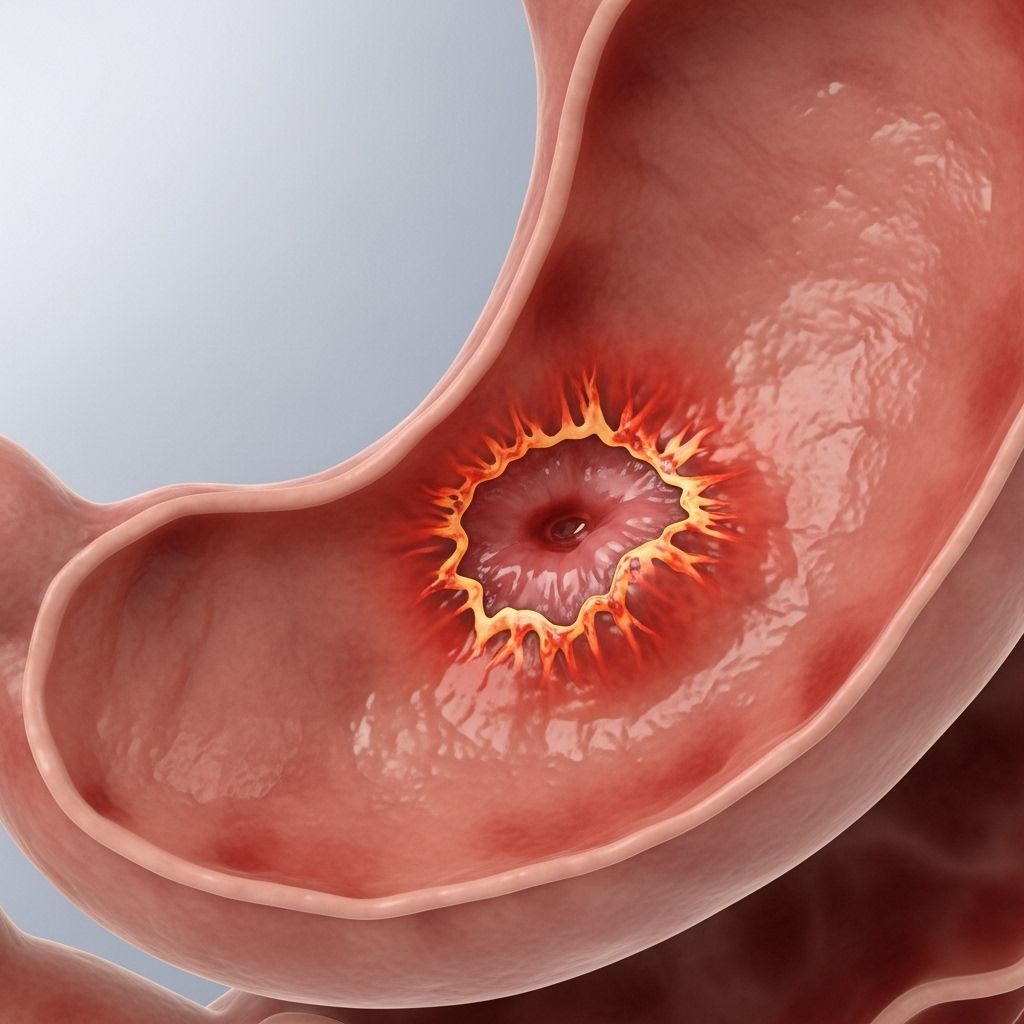
Overview of Stomach Ulcers
A stomach ulcer, also known as a gastric ulcer, is a sore that develops in the lining of the stomach. While ulcers can occur elsewhere in the digestive tract, stomach ulcers are one of the most common forms, often causing discomfort and sometimes leading to serious complications if untreated. Although ulcers were once considered primarily caused by stress or poor diet, we now know that most are due to infection with Helicobacter pylori (H. pylori) bacteria or the regular use of non-steroidal anti-inflammatory drugs (NSAIDs) such as ibuprofen or aspirin.
Symptoms of Stomach Ulcers
The most typical symptom of a stomach ulcer is a burning or gnawing pain in the abdomen, usually just below the breastbone. This pain can come and go and often starts within a few hours of eating or may wake you at night. Eating or taking antacids may temporarily relieve the pain, but it tends to return if the underlying ulcer is not treated.
Common Symptoms
- Burning or gnawing pain in the upper abdomen
- Pain that may radiate to the neck, belly button, or back
- Pain that comes and goes, often worse when the stomach is empty
- Pain that temporarily improves with food or antacids
- Nighttime pain that disrupts sleep
Less Common Symptoms
- Indigestion
- Heartburn
- Loss of appetite
- Nausea or vomiting
- Weight loss
- Bloating or belching
- Feeling full after small meals
When to Seek Urgent Medical Help
Some symptoms suggest a serious complication and require urgent medical attention:
- Sudden, sharp, severe stomach pain
- Vomiting blood or seeing blood in stools (which may appear black and tarry)
- Feeling faint or experiencing dizziness
- Difficulty swallowing
These could indicate a bleeding ulcer, a perforation of the stomach wall, or a blockage, all of which are medical emergencies.
Causes of Stomach Ulcers
Two main causes account for most stomach ulcers:
- H. pylori infection: This bacterium can damage the mucous layer protecting the stomach lining, allowing stomach acid to create an ulcer.
- NSAIDs: Regular use of medicines like ibuprofen, aspirin, and naproxen can irritate or break down the stomach lining, increasing ulcer risk.
Other, less common causes include excessive alcohol intake, stress, smoking, and certain rare medical conditions.
Diagnosing Stomach Ulcers
To confirm a stomach ulcer, doctors usually recommend an endoscopy, where a flexible tube with a camera is passed down the throat into the stomach to view the ulcer directly and take tissue samples (biopsies). These biopsies can test for H. pylori infection and rule out other conditions, such as stomach cancer, although this is rare. Sometimes, a breath or stool test can detect H. pylori as well.
Treatment Options
Treatment depends on the cause of the ulcer:
H. pylori Infection
If H. pylori is found, a combination of antibiotics is prescribed to eliminate the bacteria, along with acid-suppressing medication to help the ulcer heal and reduce pain. This is often called “triple therapy” and usually consists of two antibiotics and a proton pump inhibitor (PPI). Completing the full course of treatment is essential for successful eradication.
NSAID-Related Ulcers
If NSAIDs caused the ulcer, stopping the medication (if possible) is advised. If you must continue taking NSAIDs for another medical condition, your doctor might prescribe a long-term acid-suppressing medication to protect your stomach lining.
Acid-Suppressing Medications
Proton pump inhibitors (PPIs) significantly reduce stomach acid, allowing the ulcer to heal. H2-receptor antagonists (another type of acid-suppressing medication) are sometimes used as an alternative.
Follow-Up Care
After treatment, a repeat endoscopy may be recommended to ensure the ulcer has healed, especially for those at higher risk of complications. If symptoms return, your doctor may adjust your medication or recommend further tests.
Surgical Options
Surgery is now rare and is usually reserved for complications such as uncontrolled bleeding, perforation, or obstruction.
Lifestyle Changes to Help Manage Symptoms
Whilst there is no specific diet for ulcers, certain lifestyle adjustments can help relieve symptoms and aid healing:
Do
- Eat smaller, more frequent meals
- Eat your evening meal 3–4 hours before bedtime
- Maintain a healthy weight
- Manage stress, which may worsen symptoms
- Chew food carefully and eat slowly to aid digestion
Don’t
- Avoid NSAIDs unless prescribed by your doctor
- Limit or avoid foods and drinks that trigger symptoms, such as spicy, fatty, or acidic foods, coffee, tea, and alcohol
- Do not smoke, as it delays healing
- Limit alcohol intake, as excess can irritate the stomach lining
NHS Support for Healthy Living
The NHS offers resources for quitting smoking, reducing alcohol consumption, losing weight, and getting more active—all of which can help prevent ulcers and recurrence.
Complications of Stomach Ulcers
If untreated, stomach ulcers can lead to serious problems:
- Bleeding: Chronic blood loss can cause anaemia, or sudden severe bleeding can be life-threatening
- Perforation: The ulcer may burrow through the stomach wall, allowing stomach contents to leak into the abdominal cavity, causing severe pain and requiring emergency surgery
- Obstruction: Swelling and scarring can block the passage of food from the stomach
Prevention of Stomach Ulcers
Preventing stomach ulcers involves reducing risk factors where possible:
- Seek alternatives to regular NSAID use, or use the lowest effective dose
- If you need long-term NSAIDs, ask your doctor about protective medications
- Treat H. pylori infections if detected
- Adopt a healthy lifestyle, including not smoking, moderating alcohol, and managing stress
Frequently Asked Questions (FAQs)
Q: What’s the difference between gastric and duodenal ulcers?
A: Gastric ulcers occur in the stomach, while duodenal ulcers develop in the first part of the small intestine. Both can have similar symptoms but may differ in when pain occurs—duodenal ulcers often hurt when the stomach is empty, whereas gastric ulcers may hurt after eating.
Q: Can stress cause stomach ulcers?
A: While stress can worsen symptoms and prolong healing, it is not a primary cause. Most ulcers are caused by H. pylori or NSAIDs.
Q: How are stomach ulcers diagnosed?
A: The main diagnostic tool is an endoscopy, which allows direct visualization and biopsy. H. pylori can also be detected by breath, stool, or blood tests.
Q: Can stomach ulcers become cancerous?
A: Most stomach ulcers are benign, but occasionally an ulcer may be cancerous. This is why biopsies are taken—to rule out cancer, although stomach cancer is rare.
Q: How long does it take for a stomach ulcer to heal?
A: With appropriate treatment, most ulcers heal within 4–8 weeks, but some may require longer, especially if risk factors (like smoking) persist.
Q: Will diet changes cure my stomach ulcer?
A: Diet alone cannot cure an ulcer, but avoiding foods that trigger symptoms and making healthy lifestyle changes can help manage discomfort and support healing.
Summary Table: Key Information on Stomach Ulcers
| Feature | Details |
|---|---|
| Main Symptoms | Burning/gnawing upper abdominal pain, indigestion, heartburn, nausea, bloating |
| Main Causes | H. pylori infection, NSAIDs, less commonly alcohol, stress, smoking |
| Diagnosis | Endoscopy with biopsy, breath/stool/blood test for H. pylori |
| Treatment | Antibiotics for H. pylori, acid-suppressors (PPIs, H2 blockers), stopping NSAIDs if possible |
| Lifestyle Interventions | Smaller meals, avoiding trigger foods, not smoking, reducing alcohol, managing stress |
| Prevention | Avoid unnecessary NSAIDs, treat H. pylori, healthy lifestyle |
Final Thoughts
Stomach ulcers are a common digestive problem, but most are treatable with modern medications and lifestyle changes. Recognising symptoms early, seeking appropriate medical advice, and following through with prescribed treatments are key to healing and preventing complications. If you suspect you have a stomach ulcer, consult your GP for evaluation and personalised management.
Similar Articles







Read full bio of medha deb