Swollen Glands (Lymph Nodes): Causes, Symptoms, Treatments, and When to Seek Help
Discover causes, symptoms, and effective self-care for swollen glands, plus when to consult a doctor for expert treatment.
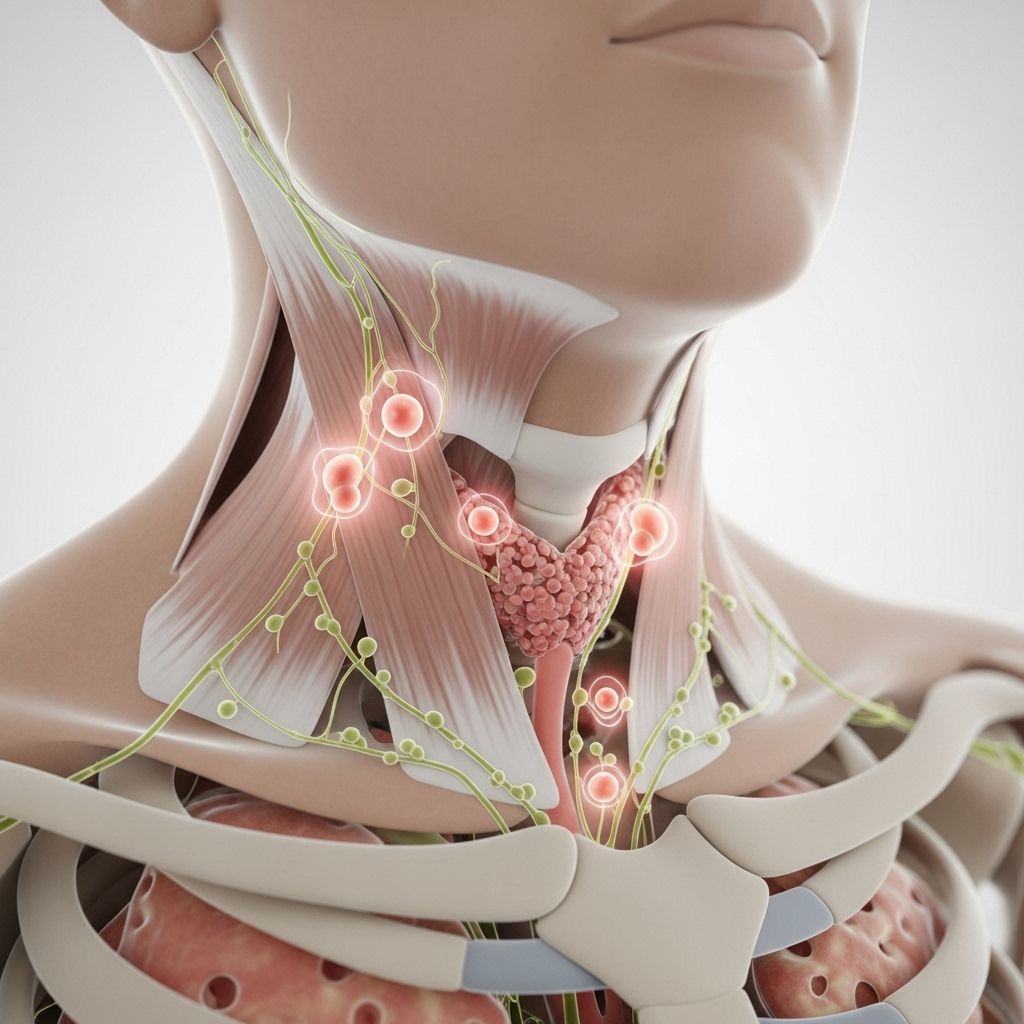
Swollen glands, also known as swollen lymph nodes, are a common bodily response to various infections and illnesses. While often harmless and self-resolving, understanding why these swell, what symptoms to monitor, and when to seek medical attention can be crucial for your health. This comprehensive guide explains the underlying causes, common symptoms, self-care strategies, and critical warning signs that should not be ignored.
What Are Swollen Glands?
Swollen glands refer to enlarged lymph nodes. These are oval-shaped, small structures found throughout the body as part of the lymphatic system. Acting as filters, they help protect you from infection and disease by trapping viruses, bacteria, and other harmful substances.
- Common locations of swollen glands include:
- Neck
- Under the chin
- Armpits
- Groin
Lymph nodes may swell on one or both sides of the body. The swelling is typically a response to an infection or disease process nearby.
What Do Swollen Glands Feel Like?
Swollen glands are usually felt as tender, painful lumps under the skin, especially in the areas listed above. Depending on the cause, the nodes might feel:
- Soft or rubbery
- Slightly movable or fixed in place
- Painful or painless
- Larger than usual (they may double or triple in size)
| Typical Features | Potential Significance |
|---|---|
| Tender, soft, movable | Usually benign / reactive to infection |
| Hard, fixed, painless | May indicate a more serious problem |
| One-sided or rapidly growing | Should be evaluated by a healthcare provider |
Symptoms and Associated Signs
- Sore throat
- Cough
- Fever or night sweats
- Other signs of infection: runny nose, earache
- Occasionally, weight loss or persistent fatigue (less common)
Swollen glands are often accompanied by other symptoms depending on the underlying cause. For example, with a throat infection, you may notice a sore throat and fever.
What Causes Swollen Glands?
Swollen glands are most commonly caused by infections, but other reasons may also be involved.
Common Causes
- Viral infections (such as common cold, influenza, glandular fever)
- Bacterial infections (like tonsillitis, strep throat, ear infections, dental abscess)
- Localized skin infections
Lymph nodes closest to the infection site usually swell:
- Neck nodes often swell with throat or ear infections.
- Groin nodes can enlarge from an infection or injury in the legs.
Less Common Causes
- Immune system disorders (such as lupus, rheumatoid arthritis)
- Side effects of certain medications
- Rare infections (e.g., tuberculosis, HIV)
- Cancer (such as lymphoma, leukemia, or spread from other tumors)
While cancer is an uncommon cause, persistent or atypical swollen glands require medical evaluation.
How to Check if Your Glands Are Swollen
Identifying swollen glands is straightforward:
- Use your fingertips to gently press areas where lymph nodes are located (neck, under chin, armpits, groin).
- Slight swelling or tenderness often signals reactive (benign) lymph nodes.
- Take note of any:
- Pain, size, or texture changes
- Duration of swelling (has it lasted more than 2-3 weeks?)
- Accompanying symptoms (like fever, night sweats, or weight loss)
If you find lumps that are hard, fixed, or growing, consult with a healthcare professional for evaluation.
Taking Care of Swollen Glands: Self-Help and Home Remedies
In many cases, no specific treatment is needed for swollen glands caused by viral infections. The swelling usually resolves as your body fights off the illness. To ease discomfort and promote recovery:
- Rest: Allow your body time to heal
- Hydrate: Drink plenty of fluids to avoid dehydration
- Pain relief: Use over-the-counter painkillers such as paracetamol or ibuprofen
- Warm compress: Apply a warm cloth to the affected area for pain relief
- Avoid aspirin in children under 16
If the swelling was caused by a bacterial infection, a doctor may prescribe antibiotics.
What To Avoid
- Do not self-prescribe antibiotics. Only use them if prescribed by a healthcare professional.
- Do not ignore persistent swelling. If lymph nodes do not return to normal within a few weeks, medical assessment is important.
When to See a Doctor
Most cases of swollen glands are mild and self-limiting. However, seek medical advice if you experience any of the following:
- Swollen glands that do not get smaller after three weeks
- Lumps that are hard, do not move, or are growing
- Painful, hot, or red swelling
- Persistent high fever or night sweats
- Weight loss or persistent fatigue without explanation
- No obvious cause for swollen nodes
Urgent action is needed if:
- You are struggling to breathe
- You cannot swallow your own saliva or are drooling
These could be signs of a serious infection or airway obstruction and require immediate emergency attention.
How Are Swollen Glands Diagnosed?
To diagnose the cause of swollen glands, a healthcare professional will usually:
- Take a thorough medical history: Assess timing, accompanying symptoms, recent infections, or travel
- Perform a physical examination: Feel and measure the lymph nodes for size, tenderness, and mobility
- Order blood tests (such as complete blood count, HIV screen, or others, depending on context)
- Request imaging studies in some cases (chest X-ray, ultrasound, or CT scan to evaluate deeper nodes or check for underlying causes)
- Perform a biopsy (removal of a small tissue sample) if the cause remains unclear or malignancy is suspected
Treatment Options for Swollen Glands
| Cause | Treatment |
|---|---|
| Viral infections (e.g., colds, influenza, glandular fever) | Self-care, fluids, rest, and pain relief. No antibiotics needed. |
| Bacterial infections (e.g., tonsillitis, dental abscess) | Antibiotics prescribed by your doctor. |
| Immune disorders (e.g., lupus, rheumatoid arthritis) | Specialist treatment targeting the underlying condition. |
| Cancer (e.g., lymphoma, leukemia) | Oncological treatments such as chemotherapy, radiotherapy, or surgery. |
| Lymphoedema | Symptom control with compression, exercise, and skin care. |
Always consult a healthcare professional for persistent or unexplained swelling.
Prevention and Long-Term Care
- Practice good hand hygiene to prevent infection
- Manage chronic health conditions with regular medical follow-up
- Avoid close contact with individuals who have contagious infections
- Get vaccinated against preventable diseases (e.g., influenza, mumps, measles)
Those with weakened immune systems should take extra care to avoid exposure to potential sources of infection.
Frequently Asked Questions (FAQs)
Q: Can swollen glands be a sign of cancer?
A: Although most swollen glands are caused by infections, occasionally persistent, hard, painless, and rapidly growing lymph nodes can be a sign of cancers like lymphoma, leukemia, or metastatic cancer. Always see a healthcare professional if you have concerns or if the glands do not improve within three weeks.
Q: How long do swollen glands usually last?
A: Swollen lymph nodes from infection commonly resolve within 1-3 weeks. If swelling persists for longer than three weeks, seek a medical review.
Q: Should I be worried if only one gland is swollen?
A: Not necessarily, as local infections often cause one-sided swelling. However, single, hard, or fixed lumps, or those above or below the collarbone, should be checked by a doctor.
Q: Can children get swollen glands?
A: Yes, children frequently develop swollen glands as their immune systems react to common viral and bacterial infections. If your child seems otherwise well, swollen glands are usually not a cause for concern.
Q: What should I avoid giving my child with swollen glands?
A: Never give aspirin to children under 16 due to the risk of Reye’s syndrome. Use paracetamol or ibuprofen for pain relief as appropriate.
Key Takeaways
- Swollen glands are common and often self-resolving.
- Common causes include infections, but persistent, hard, or painless swelling may indicate a more serious condition.
- See a doctor if your glands don’t return to normal within three weeks or if you experience worrying symptoms.
- Self-care involves rest, hydration, and simple pain relief.
If in doubt, or if you experience urgent symptoms like difficulty breathing or swallowing, seek immediate medical attention.
Similar Articles







Read full bio of Sneha Tete