Tailbone (Coccyx) Pain: Symptoms, Causes, and Treatments
Understanding tailbone (coccyx) pain, its common symptoms, causes, and available treatments for effective relief and improved quality of life.
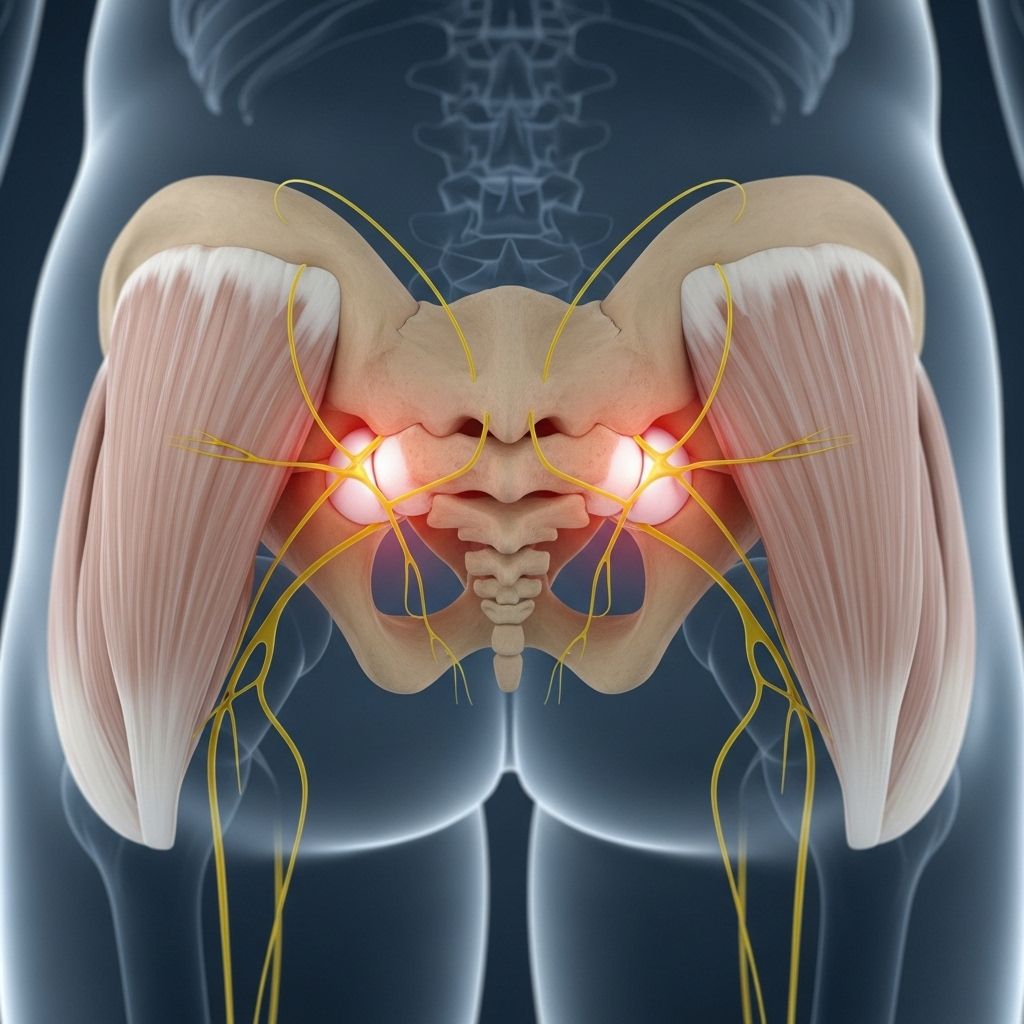
Tailbone pain, also known as coccyx pain or coccydynia, refers to discomfort in the small bone at the very base of your spine, just above your buttocks. This condition can disrupt daily activities, sleep, and overall wellbeing. Thankfully, there are effective self-care tips and treatments available. This guide explores symptoms, causes, relief methods, medical treatments, and when to consult a healthcare professional.
What is Tailbone (Coccyx) Pain?
The coccyx, or tailbone, is the small, triangular bony structure at the bottom of your spine. Pain in this region can range from dull and achy to sharp and severe, and it is often aggravated by pressure, movement, or certain activities.
Symptoms of Tailbone (Coccyx) Pain
The primary symptom is pain and tenderness at the base of your spine, near the top of your buttocks. The pain may have the following characteristics:
- Dull, persistent ache with occasional episodes of sharp pain
- Worse when sitting down, especially on hard surfaces
- Triggered or intensified during:
- Standing up or sitting down
- Bending forward
- Passing stool
- During sexual activity
- During menstruation (periods)
- Difficulty sleeping due to discomfort
- Difficulties carrying out daily activities
What Causes Tailbone (Coccyx) Pain?
Tailbone pain may be caused by several factors, including:
- Direct injury (e.g., falling on your bottom)
- Repeated or prolonged pressure from sitting on hard or narrow surfaces
- Joint changes due to arthritis
- Changes during childbirth
- Muscle or ligament strain (often from poor posture)
- Chronic or repeated constipation leading to straining
- Rarely, bone infection or tumours
Sometimes, the cause remains unclear, particularly if the pain develops gradually without a specific incident.
How You Can Ease Tailbone (Coccyx) Pain Yourself
Most cases of tailbone pain improve within a few weeks, but some can last longer. There are several practical steps you can take at home:
Do:
- Sit correctly – Maintain good posture with your lower back well-supported.
- Use a coccyx cushion – Specially designed cushions (like a wedge or donut-shaped) help offload pressure while sitting. Sitting on an exercise ball can also help.
- Lie on your side – This reduces direct pressure on the tailbone.
- Perform pelvic floor exercises – Especially during pregnancy, gentle exercises may strengthen muscles and reduce pain.
- Apply ice or heat packs – Place wrapped ice packs (or frozen peas) on the area for 20-30 minutes. Heat packs can also be used for longer periods to soothe discomfort.
- Take non-steroidal anti-inflammatory drugs (NSAIDs) – OTC painkillers like ibuprofen help reduce inflammation and pain.
- Use a laxative if needed – If pain is worse during bowel movements, stool softeners can help reduce strain (seek advice from a pharmacist for suitable options).
Don’t:
- Do not sit for long periods – Take breaks, stand, or walk around every 30-60 minutes.
- Do not wear tight clothing around your lower back and buttocks (such as tight jeans) – This can worsen symptoms by adding pressure.
When Should You See a GP?
Consult a healthcare professional if:
- Tailbone pain persists longer than a few weeks despite home care
- Pain is interfering significantly with your daily activities
- You develop a high temperature (fever), tailbone pain, and pain elsewhere (such as the lower back or abdomen)
Do not hesitate to seek medical advice if any unusual symptoms develop, such as numbness, incontinence, or unexplained weight loss.
Medical Treatments for Tailbone (Coccyx) Pain
If your pain does not improve with self-help strategies, your doctor may recommend additional interventions:
- Physiotherapy: A physiotherapist can manipulate and strengthen the muscles around your coccyx to relieve pain and improve mobility. Pelvic floor relaxation techniques are frequently taught, including deep breathing and relaxation exercises.
- Corticosteroid and local anaesthetic injections: Injections into the joint that attaches the coccyx to the spine may reduce inflammation and provide pain relief. Usually, a maximum of two injections is given in consecutive months if needed.
- Other physical treatments:
- Massage and manipulation: Some physiotherapists may carry out massage of the muscles attached to the tailbone, sometimes through the rectum, to ease muscle tension.
- Transcutaneous electrical nerve stimulation (TENS): Electrical impulses delivered through the skin may help relieve certain types of coccyx pain.
- Acupuncture: Fine needles inserted into specific points may help relieve chronic pain in some cases.
- Nerve blocks: Injection of numbing medication near the affected nerves to block pain signals.
- Surgery: Reserved for severe, persistent cases that do not respond to other treatments. A coccygectomy involves removing part or all of the coccyx. This is rarely necessary.
Self-Referral for Treatment
Depending on your location, you might be able to refer yourself directly to specialist services for help with tailbone pain without seeing your GP first. To check:
- Ask reception staff at your GP surgery
- Check your GP surgery’s website
- Contact your local Integrated Care Board (ICB) for available services
- Search online for “NHS tailbone pain services near me”
Prevention and Tips for Living with Tailbone Pain
- Use a coccyx cushion routinely if you experience recurring pain with sitting
- Take frequent break breaks during prolonged sitting sessions
- Adjust workspaces or travel arrangements to minimize tailbone pressure
- Maintain a healthy bowel routine to avoid straining during bowel movements
- Practice good posture when standing and sitting
- Wear loose-fitting clothing to avoid additional pressure
- Stay physically active to support core and pelvic floor strength
Special Considerations
During Pregnancy
Pain in the tailbone is common during pregnancy due to weight gain, hormonal changes, and altered posture. Gentle pelvic floor exercises, good posture, and supportive cushions can be especially beneficial. Always consult your midwife or GP before starting new exercises in pregnancy.
Tailbone Pain in Children
Children can develop coccyx pain if they injure themselves during falls or sports. Encourage them to use cushions, and consider medical assessment if pain is severe or persistent.
Treatment Comparison Table
| Treatment Option | When Used | Benefits | Possible Downsides |
|---|---|---|---|
| Self-care (cushions, ice/heat, NSAIDs) | First line for mild to moderate pain | Non-invasive, low risk, accessible | May not resolve all cases, especially if chronic |
| Physiotherapy | Persistent pain unresponsive to self-care | Rehabilitation, posture/muscle training | Commitment and regular attendance needed |
| Injections (corticosteroid/local anaesthetic) | Severe or chronic pain | Pain relief, reduce inflammation | Small risk of infection, temporary effect |
| Surgery (coccygectomy) | Last resort when other treatments fail | Possible definitive relief | Surgical risks, long recovery, no guaranteed cure |
Frequently Asked Questions (FAQs)
How long does tailbone pain usually last?
Most tailbone pain resolves within a few weeks, especially with self-care. Chronic cases may last several months and require further assessment.
How can I sit comfortably with tailbone pain?
Use a specially designed coccyx cushion or sit on an exercise ball. Lean slightly forward and avoid sitting for prolonged periods. Getting up and moving regularly helps.
Is tailbone pain a sign of something serious?
Tailbone pain is usually benign and self-limiting. However, see your doctor if pain persists, is severe, or you notice symptoms like fever, numbness, or unexplained weight loss.
Do I need an X-ray or MRI for tailbone pain?
Imaging is rarely needed unless a fracture or tumor is suspected, or the pain is persistent and unexplained after initial assessment.
What should I do if my pain is worse during bowel movements?
Try using a stool softener (laxative) to make bowel movements easier and less painful. Stay well hydrated and increase dietary fiber if appropriate.
Further Resources
- Speak to your local pharmacist for advice on over-the-counter pain relief and stool softeners.
- Check the NHS website or speak to your GP surgery for information about local physiotherapy and pain management services.
- Support groups for chronic pain can provide understanding and community.
This article is informational and does not replace professional medical advice. Consult your GP or a healthcare provider for diagnosis and tailored treatment.
Similar Articles





Read full bio of Sneha Tete