Thrombocytopenia: Understanding Low Platelet Counts, Causes, Symptoms, and Management
Learn about thrombocytopenia – its causes, symptoms, diagnosis, treatment, and prevention to manage low platelet counts effectively and safeguard your health.
Thrombocytopenia: A Comprehensive Overview
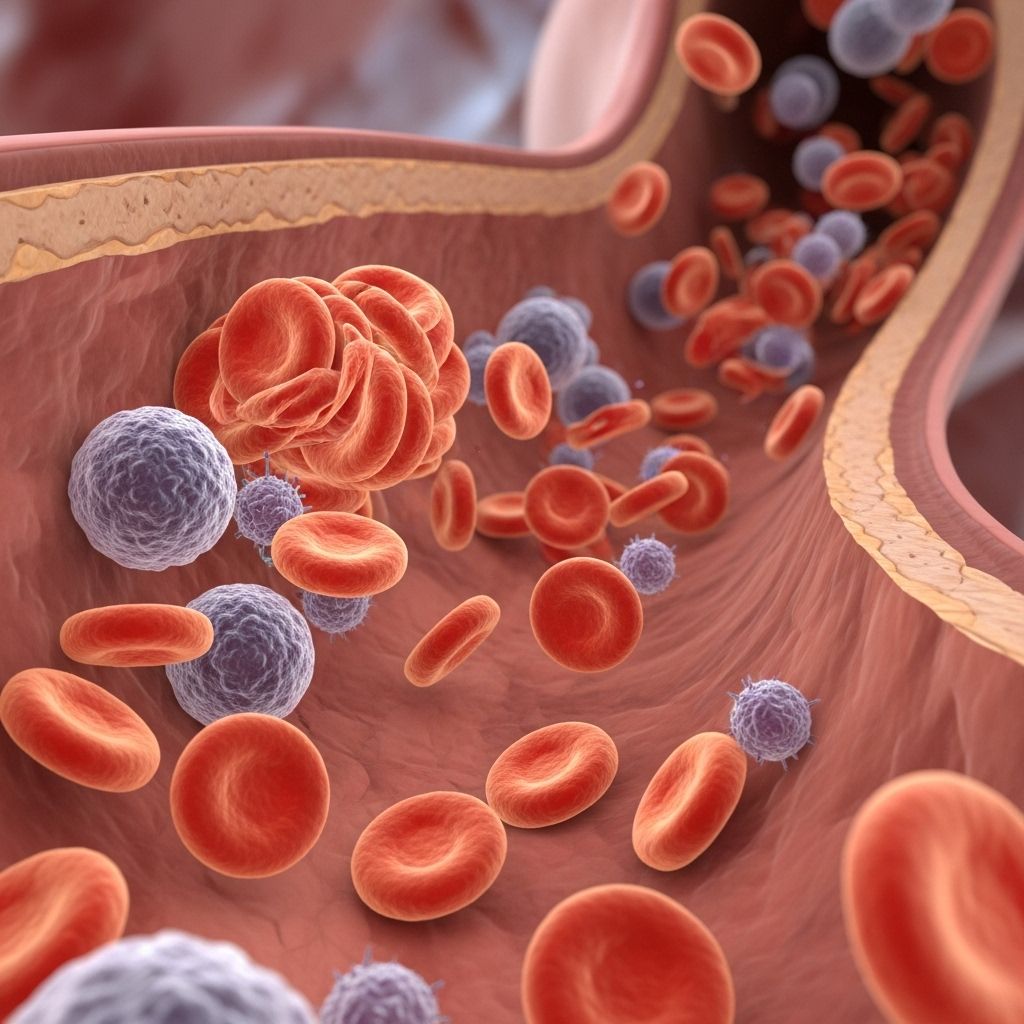
Thrombocytopenia is a medical term used to describe a condition in which the blood has an abnormally low amount of platelets—cell fragments crucial for normal blood clotting. Platelets play an essential role in stopping bleeding by clumping and forming plugs in blood vessel injuries. When platelet levels fall below normal, it can lead to excess bleeding and various complications.
What are Platelets?
Platelets (thrombocytes) are small, disc-shaped cell fragments produced in the bone marrow. They circulate in the bloodstream and help seal breaks in blood vessels to prevent excessive blood loss.
Normal Platelet Count Range
- Normal range: 150,000 to 450,000 platelets per microliter of blood
- Thrombocytopenia: Platelet count below 150,000 per microliter
Causes of Thrombocytopenia
The causes of thrombocytopenia are varied and can be grouped into several broad categories, ranging from temporary responses to infections, medications, or toxins to underlying chronic medical conditions.
- Decreased platelet production:
- Bone marrow disorders (e.g., leukemia, aplastic anemia)
- Viral infections (e.g., HIV, hepatitis C, Epstein-Barr virus)
- Certain genetic conditions
- Chemotherapy or radiation therapy
- Heavy alcohol intake
- Increased platelet destruction:
- Immune thrombocytopenia (ITP)—when the immune system destroys platelets
- Medications (e.g., quinine, anticonvulsants, antibiotics)
- Autoimmune diseases (e.g., lupus, rheumatoid arthritis)
- Bacterial sepsis
- Thrombotic thrombocytopenic purpura (TTP) and hemolytic uremic syndrome (HUS)
- Platelet sequestration:
- Enlarged spleen (splenomegaly) traps platelets instead of releasing them into circulation
- Other causes:
- Pregnancy—particularly in the third trimester (usually mild and temporary)
- Idiopathic causes (unknown origin)
Symptoms of Thrombocytopenia
The severity of symptoms usually correlates with the degree of platelet reduction. Some individuals may not experience symptoms until their platelet count becomes very low.
- Easy or excessive bruising (purpura)
- Prolonged bleeding from cuts
- Frequent nosebleeds or gum bleeding
- Petechiae: Small, red or purple spots on the skin, caused by minor bleeds
- Heavy menstrual periods in women
- Blood in urine or stools
- Fatigue or general malaise (less common)
- Serious internal bleeding (rare, but possible in severe cases)
When to Seek Medical Help
Emergency attention is needed for spontaneous bleeding, blood in the urine or stools, or if unexplained bruising or petechiae appear.
Diagnosis of Thrombocytopenia
Diagnosing thrombocytopenia involves several steps and laboratory tests to determine its cause and severity.
- Medical history and physical examination: The doctor will ask about symptoms, medications, past illnesses, family history, and perform a thorough physical exam.
- Complete blood count (CBC): Measures all components of blood, including platelet count.
- Blood smear: Examines the shape, size, and appearance of blood cells under a microscope.
- Bone marrow biopsy: May be recommended if decreased platelet production is suspected.
- Additional tests: These may include tests for infections, autoimmune disease, liver function, or genetic studies if indicated.
| Test | Purpose |
|---|---|
| Platelet count | Measures the number of platelets in blood |
| Peripheral blood smear | Assesses platelet morphology, detects abnormal cells |
| Bone marrow biopsy | Checks cellular production, rules out marrow disorders |
| Immune/autoimmune screening | Identifies antibodies or underlying immune disorders |
| Liver and kidney function tests | Screens for organ-related causes |
| Viral and bacterial studies | Detects infectious causes |
Complications of Thrombocytopenia
If thrombocytopenia goes untreated or is severe, several potentially serious complications can occur.
- Severe internal bleeding in organs such as the brain, gastrointestinal tract, or lungs
- Hemorrhagic stroke (bleeding into the brain)
- Life-threatening blood loss during injuries or surgeries
- Complications from chronic disease (if thrombocytopenia is a symptom)
Treatment Options
Treatment depends on the underlying cause, severity of symptoms, and overall health. Some cases require urgent intervention, while others may resolve with minimal management.
- Treating the underlying cause:
- Discontinue offending medications
- Antibiotics if infection-related
- Treating autoimmune disorders with immunosuppressants
- Medications:
- Corticosteroids (such as prednisone) help suppress the immune system in cases of immune thrombocytopenia (ITP).
- Immunoglobulins (IVIG) can help increase platelet counts quickly in specific situations.
- Thrombopoietin receptor agonists (such as eltrombopag or romiplostim) stimulate platelet production in chronic conditions.
- Blood or platelet transfusions:
- Used for life-threatening bleeding
- Provides temporary increase in platelet count
- Surgical treatment:
- Splenectomy (removal of the spleen) may be performed if other therapies are ineffective, especially for chronic ITP.
- Plasmapheresis:
- Used in conditions such as TTP to remove harmful substances from blood.
- Observation: Mild cases, especially in children or during pregnancy, may only need monitoring, as spontaneous resolution is common.
Living with Thrombocytopenia: Self-Care and Management
- Avoid medications that affect platelets (such as aspirin, NSAIDs, some antibiotics), unless prescribed by your healthcare provider.
- Protect yourself from injuries: Use safety gear and avoid activities with high risk of trauma.
- Monitor for signs of bleeding: Report unusual bruising, bleeding, or petechiae promptly.
- Regular checkups: Remain under healthcare supervision to monitor your platelet levels and symptoms.
Prognosis
The outlook for thrombocytopenia depends greatly on its underlying cause and severity. Many cases are short-lived, particularly those related to infections or medications. Chronic conditions may require ongoing management, and patients should work closely with their healthcare providers to maintain optimal platelet counts and prevent complications.
Preventing Thrombocytopenia and Its Complications
- Avoid known risk factors such as heavy alcohol use and non-essential medications that can decrease platelet counts.
- Prevent infectious diseases through vaccination and hygiene.
- Screen for autoimmune diseases if you have suggestive symptoms or family history.
- Prompt treatment of underlying conditions to avoid severe complications.
Frequently Asked Questions (FAQs)
Q: What is the normal platelet count, and when is it considered low?
A: The normal platelet count is typically between 150,000 and 450,000 per microliter of blood. Thrombocytopenia is diagnosed when the count falls below 150,000 per microliter.
Q: What are the main symptoms of thrombocytopenia?
A: Common symptoms include easy bruising, prolonged bleeding, nosebleeds, gum bleeding, petechiae (small red spots), and heavy menstrual periods. Severe cases may cause internal bleeding.
Q: Can thrombocytopenia be cured?
A: Many cases can be managed or resolved, especially if related to temporary causes such as infection or medication. Chronic conditions might require long-term treatment and monitoring.
Q: Is thrombocytopenia always dangerous?
A: Not always. Mild forms may cause few symptoms, but severe thrombocytopenia can lead to serious bleeding complications.
Q: Can I exercise if I have thrombocytopenia?
A: Regular exercise is important for general health, but consult your doctor about safe activities, especially if your platelet count is low or you have a risk of bleeding.
Summary Table: Key Facts About Thrombocytopenia
| Aspect | Details |
|---|---|
| Definition | Low platelet count in the blood (< 150,000/microliter) |
| Symptoms | Bruising, bleeding, petechiae, nosebleeds, gum bleeding |
| Causes | Decreased production, increased destruction, sequestration, pregnancy, medications |
| Diagnosis | CBC, blood smear, bone marrow biopsy, additional labs |
| Treatment | Depends on severity and cause; includes steroids, immunoglobulins, transfusions, splenectomy |
| Prognosis | Varies; many cases resolve, chronic cases may need ongoing care |
| Prevention | Avoid risk factors, treat underlying health issues |
Additional Resources
- MedlinePlus: Comprehensive medical encyclopedia for blood disorders and thrombocytopenia
- National Institutes of Health (NIH): Latest research and guidelines
- Discuss with a hematologist for specialized care and management plans
Similar Articles






Read full bio of medha deb