Top 10 Worst Foods for High Cholesterol: What to Avoid
Identify the top foods that raise cholesterol and learn practical swaps to protect your heart.
Cholesterol is essential for your body, but excessive levels—especially of LDL or “bad” cholesterol—can raise your risk of heart disease, stroke, and other serious vascular conditions. What you eat plays a critical role in managing or even reversing high cholesterol. Many people don’t show symptoms until major health events occur, so preventing cholesterol buildup is key to long-term health (source: Mass General Brigham).
This guide breaks down the top 10 worst foods for high cholesterol, explains why they’re harmful, and recommends healthier swaps—all grounded in current nutrition science.
Understanding Cholesterol and Dietary Fats
Cholesterol is a fatty substance used for building hormones, cell membranes, and other vital tissues. There are two main types:
- LDL (Low-Density Lipoprotein): Often called “bad” cholesterol, as it contributes to plaque buildup in arteries.
- HDL (High-Density Lipoprotein): Known as “good” cholesterol, as it helps carry cholesterol away from the arteries.
Saturated and trans fats—more than cholesterol in foods—are most responsible for raising your body’s cholesterol levels.
The Top 10 Worst Foods for High Cholesterol
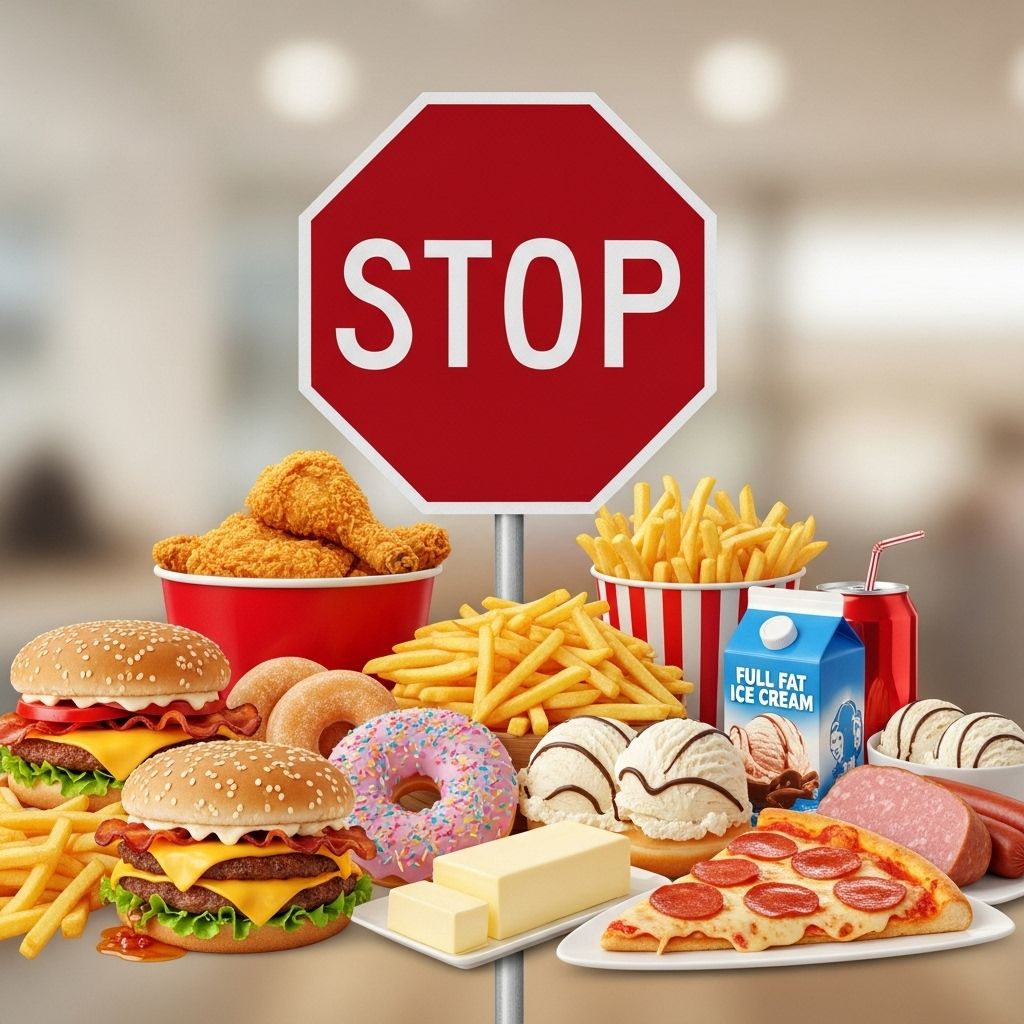
1. Red Meat
Examples: beef, pork, lamb, hamburgers, ribs, steak, roasts
- Why it’s bad: Red meat is high in saturated fat, which raises LDL cholesterol. Heavily marbled or fatty cuts contain the most saturated fat.
- Better choice: Trimmed lean cuts such as sirloin, pork loin, filet mignon, and eat in moderation (limit portions to 3 ounces).
- For further heart safety, replace with protein-packed plant foods (beans, lentils), fish, or skinless poultry.
2. Processed Meats
Examples: bacon, sausage, hot dogs, salami, bologna, deli meats
- Why it’s bad: These products are made from fatty cuts of meat and are often high in saturated fat, cholesterol, and sodium.
- They contribute to artery plaque buildup and may increase the risk of other diseases.
- Better choice: Choose lean poultry or fish, or plant-based sandwich fillings like hummus or roasted vegetables.
- Always read labels for saturated fat and sodium content if you must buy processed meats.
3. Fried Foods
Examples: french fries, fried chicken, onion rings, mozzarella sticks, donuts
- Why it’s bad: Deep frying bathes foods in oil, dramatically increasing total fat, saturated fat, and often trans fat content.
- Deep-fried foods also boost caloric intake, contributing to weight gain (a risk factor for heart disease).
- Better choice: Bake, broil, grill, or use an air fryer. Toss vegetables or proteins in a small amount of olive oil before baking for flavor and crispness.
4. Baked Goods
Examples: muffins, pastries, cakes, cookies, croissants, pie crusts
- Why it’s bad: Many are made with butter, shortening, or partially hydrogenated oils (a major source of trans fats).
- Hidden sugars and refined flours further add to their artery-clogging effects.
- Better choice: When baking at home, swap out butter for unsweetened applesauce or mashed banana. Reach for whole grain versions with healthy oils or enjoy fresh fruit for dessert.
5. Full-Fat Dairy Products
Examples: whole milk, cream, ice cream, cheese, butter, cream cheese, sour cream
- Why it’s bad: Top contributor of saturated fat and cholesterol in many diets. Even small servings can raise LDL cholesterol when consumed regularly.
- Better choice: Switch to low-fat or nonfat options and use healthy fat alternatives like avocado or plant-based spreads.
6. Fast Food
Examples: cheeseburgers, fried chicken sandwiches, pizza, breakfast sandwiches, shakes
- Why it’s bad: Most fast food is high in saturated fat, trans fats, salt, and calories. Meals are often larger than recommended serving sizes, compounding the impact.
- Even “healthy” options are often loaded with sodium or hidden fats.
- Better choice: Eat home-cooked meals as often as possible. When eating out, choose grilled chicken salads, order burgers without cheese or bacon, and avoid supersizing.
7. Egg Yolks
Examples: scrambled eggs, omelets (with multiple yolks), deviled eggs
- Why it’s bad: Victim of a long nutrition debate: yolks are high in dietary cholesterol. However, they don’t impact blood cholesterol as much as saturated fat. For some, large amounts can raise LDL slightly.
- Better choice: Limit to a few eggs each week, use more egg whites in cooking, or choose plant-based breakfast alternatives.
8. Snack Foods and Chips
Examples: potato chips, cheese puffs, crackers, microwave popcorn (with butter)
- Why it’s bad: Made with oils high in saturated or trans fats; often loaded with salt and refined grains.
- They offer little nutrition but plenty of calories and unhealthy fats, sabotaging cholesterol management efforts.
- Better choice: Snack on a handful of nuts, seeds, or roasted chickpeas; opt for air-popped popcorn or baked veggie chips.
9. Seafood High in Cholesterol
Examples: shrimp, lobster, squid
- Why it’s bad: While generally lower in saturated fat, some shellfish pack large amounts of dietary cholesterol. For people especially sensitive to dietary cholesterol, excessive intake can raise LDL.
- Better choice: Enjoy in moderation, and prioritize fish high in omega-3 fatty acids like salmon, trout, or sardines for a heart-protective effect.
10. Coconut and Palm Oils
Examples: coconut oil–based snacks, baked goods, foods fried in palm oil, nondairy creamers
- Why it’s bad: Both are high in saturated fat and are frequently found in processed or vegan foods, contributing to LDL cholesterol.
- Better choice: Choose oils low in saturated fat like canola, olive, safflower, or sunflower oil for cooking.
Table: Comparison of Foods and Healthier Alternatives
| Food to Avoid | Why It’s Harmful | Healthier Swap |
|---|---|---|
| Red meat | High saturated fat | Plant proteins, lean poultry |
| Processed meats | Saturated fat & sodium | Hummus, roasted veggies |
| Fried foods | Trans fat, calories | Baked or air-fried versions |
| Baked goods (pastries, cookies) | Butter, trans fats | Fruit desserts, homemade baked goods with healthy oils |
| Full-fat dairy | Saturated fat | Low-fat/nonfat dairy, plant milks |
| Fast food | Saturated fat, sodium | Home-cooked, grilled options |
| Egg yolks (excess) | Dietary cholesterol | Egg whites, moderating total intake |
| Chips and processed snacks | Unhealthy oils | Nuts, roasted legumes |
| High-cholesterol shellfish | Dietary cholesterol | Salmon, trout, sardines |
| Coconut/palm oils | Saturated fat | Olive or canola oil |
Why Are These Foods So Unhealthy?
Unhealthy foods for cholesterol usually share the following features:
- They are high in saturated fats or trans fats, which cause the liver to produce more cholesterol.
- Processed foods often contain excessive salt and added sugars, increasing blood pressure and cardiovascular risks.
- They lack fiber, which helps lower cholesterol by carrying it out of the body.
Swapping these items for foods high in soluble fiber and healthy fats (like those from nuts, avocados, and oily fish) helps reduce LDL.
Smart Swaps and Heart-Healthy Choices
- Replace red and processed meats with beans, lentils, tofu, or fish.
- Switch full-fat dairy for low-fat/nonfat dairy or plant-based alternatives.
- Cook with olive oil instead of butter, coconut, or palm oils.
- Choose whole grain breads and cereals over refined flour products.
- Snack on raw nuts, seeds, or fruit instead of chips or baked goods.
- Bake at home and use applesauce, banana, or avocado instead of butter or shortening.
These changes create a powerful effect when sustained over time, resulting in improved cholesterol and lower risk for heart disease and stroke.
Frequently Asked Questions (FAQs)
Q: Can foods high in cholesterol ever be part of a healthy diet?
A: In moderation, foods like eggs and shellfish can fit into a balanced diet for most people, as saturated and trans fats have a much greater effect on blood cholesterol than dietary cholesterol itself. Those with existing cholesterol issues or genetic predispositions should consult their doctor for individualized guidance.
Q: Are all fats bad if I have high cholesterol?
A: No. Unsaturated fats (from olives, nuts, seeds, avocados, and oily fish) actually help lower LDL cholesterol and protect heart health. The focus should be on reducing saturated and trans fats.
Q: Should I avoid eating all baked goods?
A: Not necessarily. The key is to avoid those made with butter, lard, or partially hydrogenated oils. Homemade treats using healthy oils and less sugar can be enjoyed occasionally.
Q: How quickly can my cholesterol improve if I change my diet?
A: Dietary improvements, combined with other healthy lifestyle choices, can show effects on cholesterol levels in as little as 4–6 weeks. Consistency is more important than short-term strict regimens; continuous healthy choices yield the best long-term results.
Q: Is there a single best food for lowering cholesterol?
A: No one food provides a magic solution. A dietary pattern rich in soluble fiber (from oats, beans, and fruits), unsaturated fats, and plant-based foods offers the greatest cholesterol-lowering power.
Takeaway: Building a Heart-Healthier Plate
Maintaining healthy cholesterol levels is a lifelong commitment—not a quick fix. By limiting or swapping out the 10 worst foods for cholesterol, you can drastically reduce your cardiovascular risk and boost your overall wellness. For tailored advice, always work with your healthcare provider or a registered dietitian. A balanced diet, coupled with regular exercise, forms the foundation for lifelong heart health.
Similar Articles





Read full bio of medha deb