Torn Meniscus: Causes, Symptoms, Treatments, and Recovery
Learn about meniscus tears—how they happen, how to recognize symptoms, and what treatment options are available for recovery.
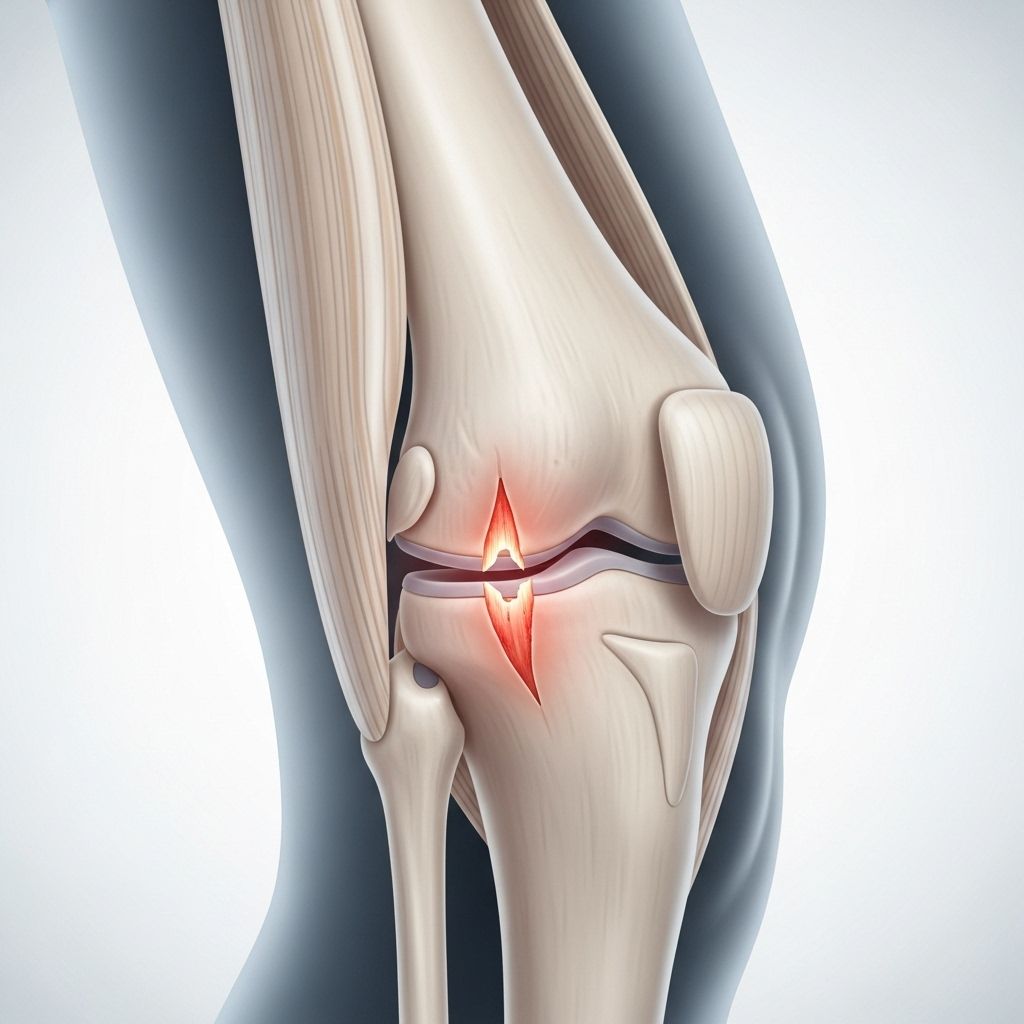
What Is a Torn Meniscus?
A torn meniscus is a common knee injury that occurs when the cartilage in the knee, called the meniscus, is damaged. The meniscus acts as a cushion between your thigh bone (femur) and shin bone (tibia), absorbing shock and helping to stabilize the knee joint. There are two menisci in each knee—the medial meniscus on the inside and the lateral meniscus on the outside. A tear can affect either, and the severity can range from small, manageable injuries to significant tears requiring surgery.
Causes of a Torn Meniscus
Meniscus tears can be caused by sudden trauma or gradual wear and tear:
- Traumatic Tears: Often occur in younger people due to sports that involve twisting or pivoting, such as soccer, basketball, or skiing. Twisting your knee while bearing weight is a common cause.
- Degenerative Tears: More common in older adults, these result from aging and repetitive use. A simple awkward movement, like twisting while standing up from a chair, can cause a tear in a degenerative meniscus.
A meniscus tear can also occur alongside other knee injuries, such as an anterior cruciate ligament (ACL) tear.
Symptoms of a Torn Meniscus
The symptoms of a meniscus tear can vary depending on the severity of the injury but often include:
- Knee pain, either sudden or gradual, often worsening when twisting or rotating the knee
- Swelling or stiffness in the knee
- Difficulty bending and straightening the leg
- A feeling of your knee “giving way” or being unstable
- A popping sensation at the time of injury
- Locking or catching of the knee joint, making it hard to move the knee freely
Diagnosis of a Torn Meniscus
If you suspect a meniscus tear, your doctor will:
- Conduct a physical exam to check for tenderness, swelling, and range of motion
- Review your medical history and how the injury occurred
- Order imaging tests such as an X-ray (to rule out fractures) or an MRI (to assess soft tissue, including the meniscus)
An accurate diagnosis is essential for determining the best treatment plan.
Treatment Options for a Torn Meniscus
Treatment depends on the tear’s size, location, and severity, as well as the patient’s age, activity level, and overall health.
Non-Surgical (Conservative) Treatment
Many meniscus tears can be managed without surgery, especially if they are small or located in an area with good blood supply. Conservative treatment includes:
- Rest: Avoid activities that worsen knee pain, especially those involving twisting, pivoting, or jumping. Crutches may be used temporarily to reduce weight-bearing.
- Ice: Apply ice packs to the knee for 15 minutes every 4–6 hours to reduce pain and swelling.
- Medication: Over-the-counter pain relievers like ibuprofen or paracetamol can help manage pain and inflammation.
- Physical Therapy: A physiotherapist can develop a rehabilitation program to strengthen the muscles around the knee, improve range of motion, and enhance stability.
- Assistive Devices: Knee braces or supports may be recommended during recovery.
For some patients, plasma-rich platelet (PRP) injections may be considered to promote healing.
Surgical Treatment
Surgery may be necessary if:
- The tear is large, causes locking, or does not improve with conservative treatment
- The patient is young and active, and the tear is in a repairable location
- There is persistent pain or mechanical symptoms (catching, locking)
Surgical options include:
- Meniscus Repair: The torn edges are stitched together, preserving the meniscus. This is preferred in younger patients with tears in the vascular (blood-rich) zone.
- Meniscectomy: The damaged portion of the meniscus is removed. This is more common for tears in areas with poor blood supply or in older patients.
- Meniscus Transplant: In rare cases, usually for younger patients without advanced arthritis, a meniscus from a donor may be transplanted.
- Knee Replacement: For older patients with advanced arthritis, knee replacement surgery may be considered instead of meniscus surgery.
Most surgeries are performed arthroscopically—using small incisions and a camera to guide the procedure.
Recovery and Rehabilitation
Recovery time varies based on the treatment:
| Treatment Type | Typical Recovery Time | Physical Therapy |
|---|---|---|
| Conservative (non-surgical) | 4–6 weeks for small tears in well-vascularized regions; longer for larger or degenerative tears | Focus on restoring motion, then strengthening muscles |
| Meniscus Repair Surgery | Several weeks to months; weight-bearing may be restricted initially | Gradual return to activity with guided exercises |
| Meniscectomy | Generally faster than repair—often a few weeks to return to light activities | Focus on rebuilding strength and stability |
Physical therapy is a key component of recovery, helping to restore strength, flexibility, and function.
Prevention of Meniscus Tears
While not all meniscus tears can be prevented, you can reduce your risk by:
- Strengthening Leg Muscles: Regular exercise to strengthen the muscles around the knee can help support and stabilize the joint.
- Maintaining Flexibility: Stretching and flexibility exercises can help prevent stiffness and reduce injury risk.
- Using Proper Techniques: When participating in sports, use proper form and avoid sudden twisting motions.
- Wearing Appropriate Footwear: Supportive shoes can reduce stress on the knees.
- Managing Weight: Excess body weight increases stress on the knee joints, raising the risk of injury.
Frequently Asked Questions (FAQs)
Q: Can a meniscus tear heal on its own?
A: Small tears, especially those in areas with good blood supply, may heal with rest and conservative treatment. Larger tears or those in poorly vascularized areas often require medical intervention.
Q: How long does it take to recover from a meniscus tear?
A: Recovery depends on the severity and treatment. Non-surgical recovery may take 4–6 weeks, while surgical recovery can take several weeks to months, with physical therapy playing a crucial role.
Q: Can I walk with a torn meniscus?
A: Many people can walk immediately after the injury, but swelling and stiffness may develop hours later, making walking difficult without support like crutches.
Q: What happens if a meniscus tear is left untreated?
A: Untreated tears can lead to persistent pain, swelling, instability, and increased risk of developing knee arthritis over time.
Q: When is surgery necessary for a meniscus tear?
A: Surgery is typically considered if there is persistent pain, locking, catching, or if conservative treatments fail to relieve symptoms.
Prognosis and Long-Term Outlook
Most people with a meniscus tear recover well with appropriate treatment. Non-surgical management is often successful for small or degenerative tears, especially when combined with physical therapy. Surgical outcomes are generally good, particularly for meniscus repairs in younger, active individuals. However, some patients may experience some degree of stiffness, weakness, or an increased risk of arthritis later in life, especially if a significant portion of the meniscus is removed.
When to See a Doctor
You should see a doctor if you experience:
- Severe knee pain or swelling
- Inability to move your knee through its full range of motion
- A sensation of your knee locking or catching
- Persistent pain or instability despite rest and self-care
Early diagnosis and treatment can prevent further damage and improve recovery outcomes.
Research and Advances
Research is ongoing to improve meniscus repair techniques, including the use of orthobiologics and tissue engineering to promote healing and regeneration of meniscal tissue. These advancements aim to preserve as much of the meniscus as possible and improve long-term outcomes.
Summary
A torn meniscus is a common knee injury with symptoms ranging from mild discomfort to severe pain and mechanical problems. Treatment options depend on the tear’s characteristics and the patient’s needs, ranging from rest and physical therapy to surgical repair or removal. Recovery is usually successful with appropriate care, and preventive measures can help reduce the risk of future injury. If you suspect a meniscus tear, seek medical evaluation to determine the best course of action for your specific situation.
Similar Articles






Read full bio of Sneha Tete