Total Shoulder Replacement: When You Need It, How It Works, What to Expect, and Recovery Process
Comprehensive guide to total shoulder replacement surgery for arthritis and joint damage, including benefits, risks, and recovery.
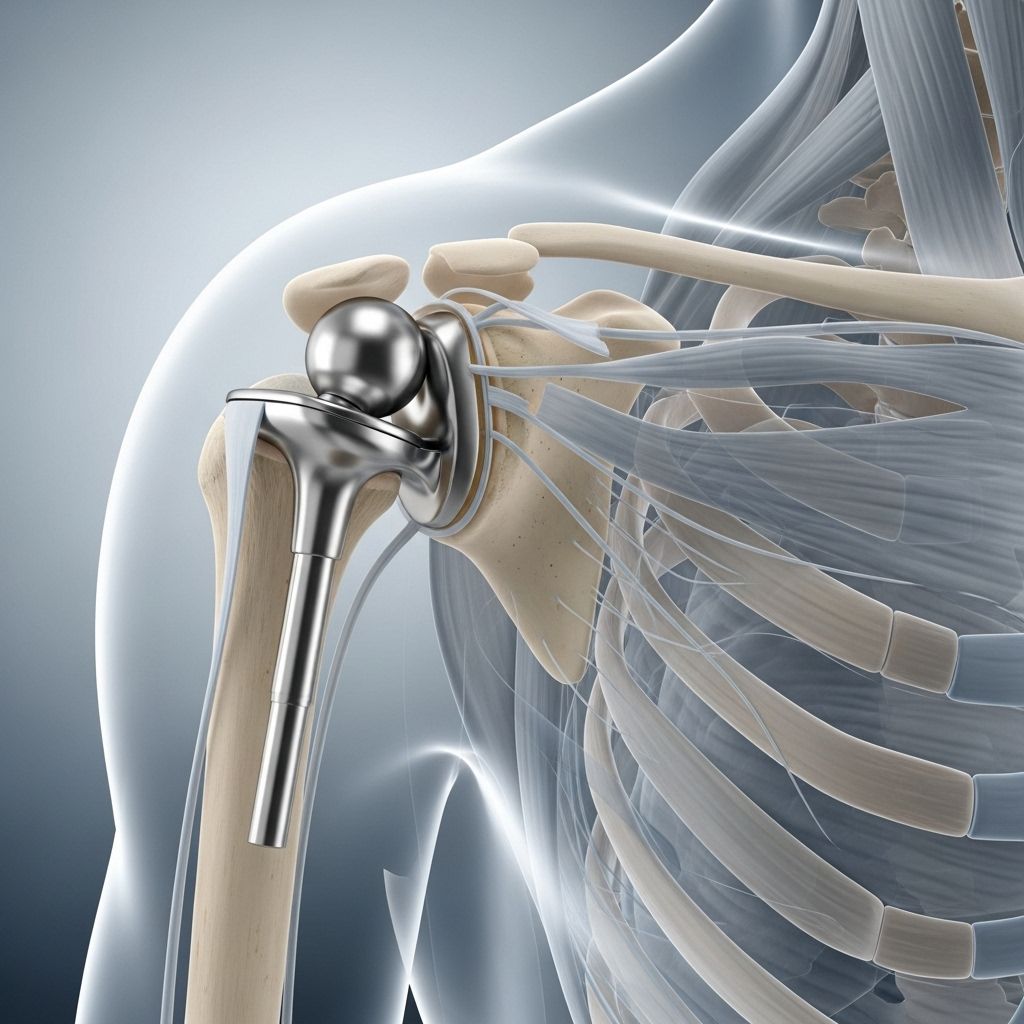
What Is Total Shoulder Replacement?
Total shoulder replacement, also called total shoulder arthroplasty, is a surgical procedure in which the damaged bones of the shoulder joint are removed and replaced with artificial components. The goal is to relieve pain and restore mobility in individuals suffering from severe arthritis or significant joint damage that has not responded to non-surgical treatments.
Why Is Total Shoulder Replacement Done?
Total shoulder replacement is typically recommended when other treatments—such as medications, physical therapy, or injections—have failed to provide pain relief or improve function. Common indications include:
- Osteoarthritis: Wear-and-tear arthritis that damages the cartilage covering the ends of the bones.
- Rheumatoid arthritis: An autoimmune disease causing joint inflammation and damage.
- Post-traumatic arthritis: Arthritis following a shoulder injury or fracture.
- Avascular necrosis: Death of bone tissue due to a lack of blood supply.
- Severe fractures: Some complex fractures of the humeral head may require replacement rather than repair.
- Rotator cuff arthropathy: A rare condition where a massive rotator cuff tear leads to arthritis and joint destruction.
Who Is a Candidate for Total Shoulder Replacement?
Candidates for total shoulder replacement are generally those with:
- Severe shoulder pain that interferes with daily activities and sleep.
- Significant loss of shoulder motion and function.
- Arthritis or joint damage confirmed by imaging studies.
- Failure to improve with other treatments.
A thorough evaluation by an orthopedic surgeon is necessary to determine if total shoulder replacement is the right option.
Types of Shoulder Replacement Surgery
Several types of shoulder replacement procedures exist, depending on the nature of the joint damage:
| Type | Description | Indications |
|---|---|---|
| Anatomic (Total) Shoulder Replacement | Replaces both the ball (humeral head) and socket (glenoid) with prosthetics. | Arthritis with intact rotator cuff muscles. |
| Reverse Total Shoulder Replacement | Reverses the anatomy—the ball is attached to the shoulder blade and the socket to the upper arm bone. | Severe arthritis with rotator cuff damage. |
| Partial Shoulder Replacement (Hemiarthroplasty) | Replaces only the ball portion of the joint. | Fractures or arthritis affecting only the humeral head. |
How Is Total Shoulder Replacement Performed?
Preparation
Before surgery, patients undergo a comprehensive medical evaluation, including imaging studies (X-rays, MRI, or CT scans). The surgical team reviews medical history and medications.
Anesthesia
Total shoulder replacement is performed under general anesthesia, regional anesthesia (such as a nerve block), or a combination of both.
Step-by-Step Surgical Procedure
- Incision: The surgeon makes an incision over the front of the shoulder.
- Accessing the Joint: The deltoid and pectoral muscles are separated to expose the shoulder joint.
- Removing Damaged Bone: The damaged head of the humerus is removed, and the inside of the arm bone is prepared to accept the prosthetic stem.
- Preparing the Socket: The glenoid (socket) is reshaped, and a plastic component is secured in place.
- Implant Placement: The metal stem with the ball is inserted into the humerus, and the ball is fitted into the new socket.
- Closure: The muscles and skin are closed with sutures, and a dressing is applied.
Typical Operation Duration
The procedure usually takes less than two hours.
What to Expect Immediately After Surgery
After total shoulder replacement, patients typically:
- Spend one to three days in the hospital.
- Receive pain medication and antibiotics to prevent infection.
- Wear a sling to protect the shoulder and aid healing.
- Begin physical therapy soon after surgery to regain motion and strength.
Rehabilitation and Recovery
Early Rehabilitation
Physical therapy begins within a few days after surgery. Goals include:
- Reducing pain and swelling
- Restoring range of motion
- Strengthening shoulder muscles
Long-Term Recovery
Most patients can resume light activities within six weeks. Full recovery, including return to sports or heavy lifting, may take several months. Recovery can be influenced by factors such as age, overall health, and adherence to rehabilitation.
Potential Risks and Complications
Like all surgeries, total shoulder replacement carries some risks:
- Infection: Rare but serious; may require additional surgery or implant removal.
- Nerve injury: Temporary or permanent nerve damage is uncommon.
- Blood clots: Prevented with blood thinners and early mobility.
- Implant loosening or wear: May require revision surgery years later.
- Stiffness: Persistent stiffness may require additional therapy or manipulation.
- Dislocation: More common with reverse shoulder replacements.
Success Rates and Outcomes
Total shoulder replacement is generally successful in relieving pain and improving function. Most patients experience significant improvement in daily activities and quality of life. Long-term outcomes depend on patient factors, surgical technique, and rehabilitation.
When to Call Your Doctor
Contact your surgeon if you experience:
- Persistent fever or chills
- Increasing redness, swelling, or drainage from the incision
- Severe pain not relieved by medication
- Loss of motion or sudden inability to move the shoulder
Frequently Asked Questions (FAQs)
How long does a shoulder replacement last?
Most shoulder replacements last 15 years or longer, depending on patient activity and implant type.
When can I drive after surgery?
Most patients can resume driving once they are no longer taking narcotic pain medications and have sufficient arm control, usually within a few weeks.
Can I return to sports after shoulder replacement?
Low-impact activities like swimming and golf are usually possible, but high-impact sports are generally discouraged to prolong implant life.
Is shoulder replacement very painful?
Pain is managed with medication and typically improves significantly after the first few weeks.
Are there alternatives to shoulder replacement?
Alternatives include medications, physical therapy, injections, arthroscopic surgery, and partial replacement, depending on the specific condition.
How do I know if I need shoulder replacement?
If you have persistent, debilitating shoulder pain and stiffness that does not respond to conservative treatments, consult an orthopedic surgeon for evaluation.
Conclusion
Total shoulder replacement is a safe and effective option for individuals with severe shoulder arthritis or joint damage. It can dramatically reduce pain and restore function, allowing patients to return to an active lifestyle. Careful patient selection, surgical expertise, and dedicated rehabilitation are key to successful outcomes. If you are considering shoulder replacement, consult with an orthopedic specialist to discuss your options and expectations.
Similar Articles







Read full bio of medha deb