Transient Ischemic Attack (TIA): Causes, Symptoms, Diagnosis, and Treatment
Understanding transient ischemic attacks—what causes them, how to recognize symptoms, and the essential steps for diagnosis and treatment.
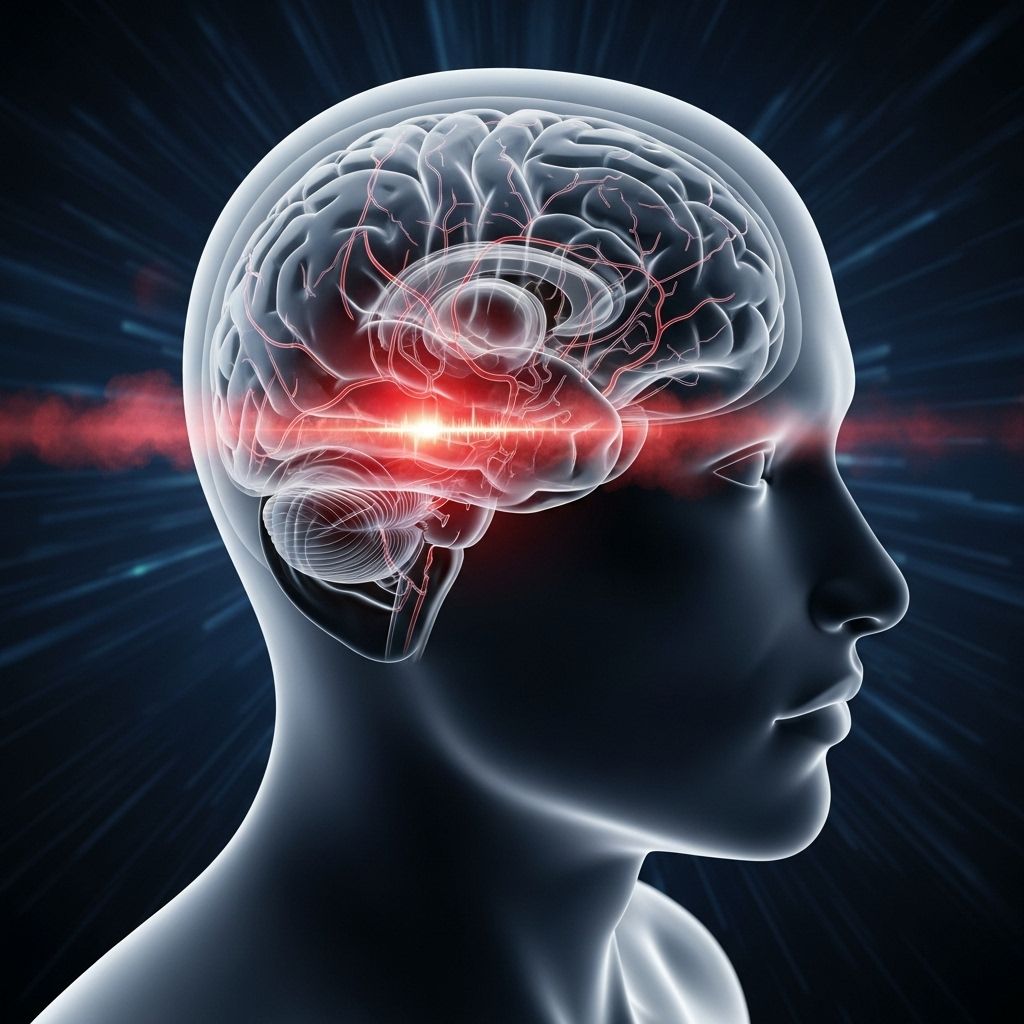
Transient Ischemic Attack (TIA)
A transient ischemic attack (TIA), often called a “mini-stroke,” occurs when blood flow to a part of the brain is briefly interrupted. This causes stroke-like symptoms that last for a short period, usually less than 24 hours and typically less than an hour. Unlike a full-blown stroke, TIAs do not cause permanent brain injury, but they are a warning sign that a stroke may happen in the future and require urgent medical attention.
Alternative Names
- Mini-stroke
- Transient ischemic attacks
- Little strokes
Causes
TIA is caused by a temporary decrease in blood flow to part of the brain. The blockage may be the result of:
- A blood clot that temporarily blocks a blood vessel supplying the brain
- Narrowing of blood vessels due to atherosclerosis (hardening of the arteries from fatty deposits)
- Embolism from elsewhere in the body, such as the heart
- Rarely, a brief drop in blood pressure
The following risk factors can increase the chance of developing a TIA:
- High blood pressure (hypertension)
- High cholesterol
- Heart disease (such as atrial fibrillation)
- Diabetes
- Smoking
- Obesity
- Family history of stroke
- Being older than 55 years
Symptoms
TIA symptoms are similar to those seen in strokes but resolve within a short period. They may last for minutes to hours, but typically less than an hour. Symptoms depend on which part of the brain is affected. Common manifestations include:
- Sudden numbness, weakness, or paralysis in the face, arm, or leg—often on one side of the body
- Sudden confusion, trouble speaking or understanding speech
- Sudden vision changes in one or both eyes
- Dizziness, loss of balance, or trouble walking
- Sudden severe headache without a clear cause
Most symptoms resolve completely within 10 to 20 minutes.
Exams and Tests
If you experience symptoms of a TIA, it is critical to seek medical attention immediately. Evaluation aims to rule out stroke and identify the underlying cause. Diagnostic measures may include:
- Physical and neurological examination to check for ongoing deficits
- Imaging tests such as CT scan or MRI to look for brain injury
- Carotid ultrasound to check for blockages or narrowing in neck arteries
- Echocardiogram to find potential sources of clots in the heart
- Electrocardiogram (ECG) for heart rhythm abnormalities, notably atrial fibrillation
- Blood tests to evaluate risk factors (cholesterol, blood sugar, etc.)
Treatment
A TIA itself does not require long-term medical intervention once symptoms are gone, but it signals a high risk of future stroke. The main goals are stroke prevention:
- Medication:
- Antiplatelet drugs (e.g., aspirin, clopidogrel) to prevent clots
- Blood thinners (anticoagulants like warfarin or DOACs) if there is atrial fibrillation
- Cholesterol-lowering drugs (statins)
- Blood pressure-lowering medication
- Lifestyle changes:
- Quit smoking
- Control diabetes, cholesterol, and blood pressure
- Adopt a healthy diet, rich in fruits and vegetables
- Routine exercise
- Procedures:
- Carotid endarterectomy: surgery to remove plaque from neck arteries, if significant narrowing is found
- Angioplasty and stenting: widening blocked arteries with a balloon and metal mesh tube
Anyone who has had a TIA needs to work with their healthcare provider to develop a prevention plan tailored to their individual risk factors.
Prognosis
While TIA symptoms themselves resolve without permanent damage, a TIA is a significant warning sign. Statistics show:
- Approximately 1 in 3 people who have a TIA will eventually have a stroke, with half occurring within a year following the TIA
- Immediate preventive treatment can lower risk of a major stroke by up to 80% in the weeks following a TIA
With effective risk management, long-term outlook improves, but prompt intervention remains essential.
Complications
- Stroke: The most serious potential complication following a TIA is an actual stroke, which can cause lasting brain damage.
- Recurring TIAs: Some individuals may experience repeated episodes, each conferring additional risk.
- Cognitive decline and increased risk for disability in older adults
Prevention
Preventing TIA and stroke centers on managing modifiable risk factors and leading a healthy lifestyle:
- Monitor and control blood pressure
- Maintain healthy cholesterol levels
- Control diabetes
- Stop smoking and avoid tobacco products
- Limit alcohol consumption
- Exercise regularly
- Eat a balanced diet low in saturated fats and rich in fruits, vegetables, and whole grains
Regular checkups and adherence to prescribed medications are vital for those at increased risk.
When to Contact a Medical Professional
- Seek immediate emergency care if you experience any sudden neurological symptoms—prompt evaluation can save lives and prevent lasting harm.
Even if symptoms subside quickly, they may signal a medical emergency and require urgent intervention.
Outlook and Recovery After TIA
Recovery from a TIA is usually complete, but comprehensive medical evaluation and management remain critical. Most people can return to normal activities after a TIA, provided ongoing risk factors are addressed. Follow-up visits focus on ensuring medication adherence and ongoing monitoring of health status.
For some individuals, occupational or physical therapy may be recommended if residual symptoms or functional limitations persist.
Frequently Asked Questions (FAQs)
Q: What is the difference between a TIA and a stroke?
A: A TIA causes temporary neurological symptoms that resolve within 24 hours, usually within an hour, and does not cause permanent damage. A stroke results in prolonged symptoms and irreversible brain injury.
Q: How soon after a TIA should I see a doctor?
A: You should seek immediate emergency evaluation. Early treatment can greatly lower the risk of stroke.
Q: Can a TIA be prevented?
A: Yes. Prevention focuses on controlling blood pressure, cholesterol, diabetes, quitting smoking, maintaining a healthy weight, and sometimes taking medications to lower stroke risk.
Q: Will I need surgery if I have a TIA?
A: Some individuals may require procedures, such as carotid endarterectomy or stenting, if significant narrowing or blockage of carotid arteries is detected by ultrasound.
Q: Are the effects of a TIA permanent?
A: No. By definition, symptoms of a TIA resolve within 24 hours and do not leave lasting effects. However, they indicate a risk of a future stroke, which can cause permanent damage.
Summary Table: Key Facts About TIA
| Feature | Description |
|---|---|
| Definition | Brief, reversible episode of stroke-like symptoms due to transient disruption of blood flow to the brain |
| Duration | Symptoms resolve in less than 24 hours (usually less than 1 hour) |
| Main Risk | High risk of subsequent stroke, especially within weeks or months |
| Diagnosis | Physical/neurological exam, brain imaging, heart and artery tests, bloodwork |
| Treatment | Medications, lifestyle changes, sometimes surgery (carotid endarterectomy/stenting) |
| Prevention | Control modifiable risk factors, regular checkups, medication adherence |
References
- MedlinePlus Medical Encyclopedia. Transient ischemic attack.
- EBSCO Research Starters: Transient ischemic attacks.
- News-Medical: What is a Transient Ischemic Attack.
- News-Medical: Transient Ischemic Attack Causes.
- Stroke MEP Panel Recommendations. U.S. FMCSA.
Similar Articles






Read full bio of Sneha Tete