TURP Surgery: Relief for Enlarged Prostate Symptoms
Comprehensive guide to TURP procedure for benign prostatic hyperplasia treatment
Transurethral resection of the prostate (TURP) represents one of the most established and effective surgical treatments for men experiencing urinary difficulties caused by an enlarged prostate gland. This minimally invasive procedure has been helping men regain normal urinary function for decades, offering relief from the frustrating symptoms associated with benign prostatic hyperplasia (BPH). Understanding what TURP involves, when it’s recommended, and what to expect can help men make informed decisions about their prostate health.
Understanding the Prostate and Its Role
The prostate gland is a walnut-sized organ located at the base of the bladder in men, surrounding the urethra—the tube that carries urine from the bladder out through the penis. As men age, particularly after age 50, the prostate gland commonly enlarges in a condition known as benign prostatic hyperplasia. This non-cancerous growth can gradually compress the urethra, creating a bottleneck effect that interferes with normal urine flow.
When the prostate enlarges significantly, it can cause a range of bothersome urinary symptoms that affect quality of life. These symptoms develop gradually and may worsen over time if left untreated. While an enlarged prostate is not cancerous and doesn’t increase cancer risk, the urinary obstruction it creates can lead to complications affecting the bladder and kidneys if severe cases remain untreated.
What Is TURP Surgery?
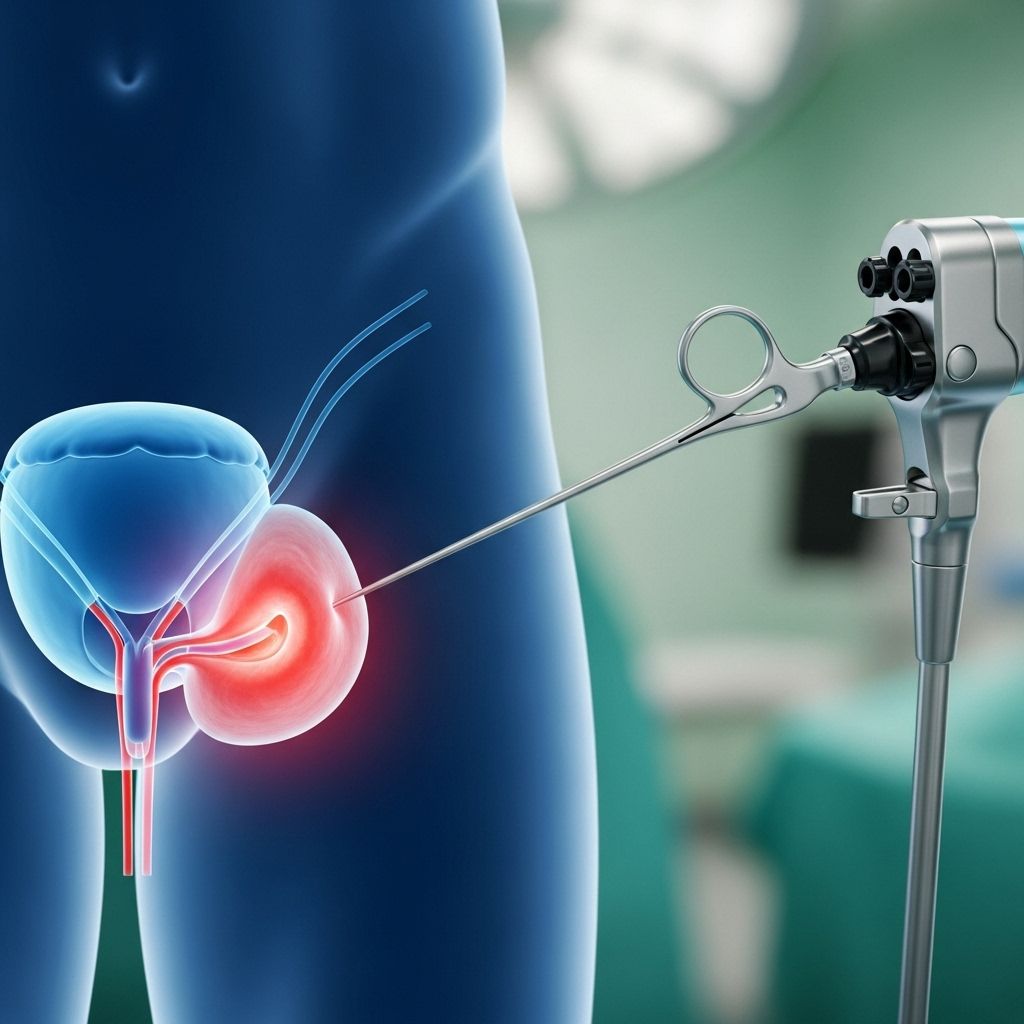
Transurethral resection of the prostate is a surgical procedure designed to remove the inner portion of the prostate gland that’s blocking urine flow. The term “transurethral” indicates that the surgery is performed through the urethra, meaning no external incisions are required. During TURP, a surgeon uses a specialized instrument called a resectoscope, which is inserted through the opening of the penis and guided through the urethra to reach the prostate.
The resectoscope is equipped with a small wire loop that carries electrical current, allowing the surgeon to carefully shave away layers of excess prostate tissue. This tissue is then flushed out through the instrument and collected for examination. By removing the obstructing tissue, TURP creates a wider channel for urine to flow freely from the bladder, alleviating the symptoms caused by the enlarged gland.
The procedure typically takes between 60 to 90 minutes to complete, though the exact duration depends on the size of the prostate and the amount of tissue that needs to be removed. TURP has been performed successfully for many years and is considered the gold standard surgical treatment for moderate to severe BPH that hasn’t responded adequately to medical management.
When Is TURP Recommended?
Healthcare providers typically recommend TURP after other treatment options have been explored. Most men with BPH initially try conservative approaches, including lifestyle modifications and medications such as alpha-blockers or 5-alpha-reductase inhibitors. However, when these treatments fail to provide adequate relief or when complications arise, surgery becomes a necessary consideration.
Common reasons for recommending TURP include:
Persistent Urinary Symptoms: When men experience ongoing difficulty with urination despite medication, including frequent urgent needs to urinate, difficulty starting urination, weak urine stream, and the sensation of incomplete bladder emptying, TURP may offer significant relief.
Recurrent Urinary Tract Infections: An enlarged prostate that prevents complete bladder emptying creates an environment where bacteria can thrive, leading to repeated infections that require antibiotic treatment.
Bladder Stones: When urine remains in the bladder due to incomplete emptying, minerals can crystallize and form stones, which cause pain and further urinary complications.
Kidney or Bladder Damage: Chronic urinary retention can cause urine to back up into the kidneys, potentially causing kidney damage or bladder dysfunction over time.
Blood in Urine: An enlarged prostate can cause visible blood in the urine (hematuria), particularly when associated with prostate tissue that bleeds easily.
Inability to Urinate: Complete urinary retention, where a man cannot urinate at all, represents a medical emergency that may ultimately require surgical intervention.
Nocturia: Waking multiple times during the night to urinate significantly impacts sleep quality and overall health, and TURP can dramatically reduce these nighttime bathroom trips.
The TURP Procedure: Step-by-Step
Preparation and Anesthesia
Before the surgery begins, patients receive appropriate anesthesia to ensure comfort throughout the procedure. Two main anesthesia options are available: general anesthesia, where the patient is completely unconscious and a breathing tube is inserted, or spinal anesthesia, where the patient remains awake but numb from the waist down. With spinal anesthesia, sedation medication helps patients relax during the operation.
An intravenous line is started to deliver fluids and medications, and prophylactic antibiotics are typically administered to minimize infection risk. The surgical team positions the patient appropriately and ensures all monitoring equipment is functioning properly.
The Surgical Process
Once anesthesia takes effect, the surgeon begins by inserting a cystoscope—a thin, lighted instrument—through the urethral opening at the tip of the penis. Sterile irrigation solution flows through the cystoscope, providing clear visibility of the internal structures. The surgeon carefully examines the urethra, prostate, and bladder to assess the anatomy and confirm the surgical plan.
Next, the resectoscope is passed through the cystoscope to the prostate area. Using the electrified wire loop attachment, the surgeon systematically removes thin layers of obstructing prostate tissue. The electrical current both cuts the tissue and cauterizes blood vessels, minimizing bleeding during the procedure. The removed tissue chips are continuously flushed into the bladder and then evacuated through a special port in the resectoscope for later pathological examination.
The surgeon continues this process, carefully resecting tissue until an adequate channel has been created through the prostate, allowing unobstructed urine flow from the bladder through the urethra. Throughout the procedure, the surgeon monitors progress and ensures that bleeding is controlled.
Completing the Surgery
Once the optimal amount of tissue has been removed, the surgeon removes the instruments and places a special three-way catheter into the bladder. This catheter serves multiple purposes: it drains urine, allows continuous irrigation with sterile solution to prevent blood clot formation, and helps the surgical area heal properly. The catheter typically remains in place for one to two days following surgery.
Recovery and Post-Operative Care
Immediate Recovery
After TURP, patients are transferred to a recovery area where medical staff closely monitor vital signs and overall condition. Pain medication is provided as needed to ensure comfort. The catheter continues irrigating the bladder with sterile solution, which may appear pink or red initially due to blood mixing with the irrigation fluid. This is normal and gradually clears over time.
Most patients remain hospitalized for one to two days following TURP. During this time, healthcare providers monitor urine output, ensure adequate hydration, manage pain, and watch for any complications. Patients receive antibiotics to prevent infection and are encouraged to drink plenty of fluids to help flush the urinary system.
Catheter Removal and Initial Healing
The urinary catheter is typically removed within 24 to 48 hours after surgery, once the urine has cleared sufficiently and bleeding has decreased. When the catheter is first removed, urination may feel uncomfortable or urgent, and some men experience temporary difficulty controlling urine flow. These issues usually improve within a few weeks as the surgical site heals and the bladder adjusts.
Home Recovery Expectations
Recovery at home requires patience and adherence to post-operative instructions. For the first several weeks, patients should avoid strenuous activities, heavy lifting, and vigorous exercise that could strain the surgical area. Drinking eight to ten glasses of water daily helps flush the urinary system and promotes healing.
It’s common to experience some blood in the urine for several weeks after surgery, particularly after increased physical activity. However, heavy bleeding with clots requires immediate medical attention. Urinary frequency and urgency typically improve gradually, though complete resolution may take several months as healing progresses.
Outcomes and Effectiveness
TURP is considered highly effective for treating BPH symptoms, with approximately 80 to 90 percent of patients experiencing significant improvement in urinary function. Most men notice dramatic relief from bothersome symptoms, including stronger urine flow, reduced frequency and urgency, better bladder emptying, and fewer nighttime bathroom trips.
The improvement in quality of life following successful TURP can be substantial. Men often report better sleep, reduced anxiety about finding bathrooms, and improved overall well-being. The procedure’s long track record and proven effectiveness have made it a standard treatment option for appropriate candidates.
Potential Risks and Complications
While TURP is generally safe, like all surgical procedures, it carries some risks that patients should understand before proceeding. The most common side effect is retrograde ejaculation, where semen enters the bladder during orgasm instead of exiting through the penis. This occurs in a large percentage of men after TURP and affects fertility but not sexual pleasure or erectile function.
Erectile dysfunction is a relatively rare complication of TURP, affecting a small percentage of patients. Bleeding is a moderate risk, particularly in the first few weeks after surgery, though serious bleeding requiring transfusion is uncommon. Urinary incontinence may occur temporarily after catheter removal but usually resolves as the surgical site heals.
Other potential complications include urinary tract infections, urethral stricture (scarring that narrows the urethra), and very rarely, transurethral resection syndrome—a condition caused by absorption of irrigation fluid. Modern techniques and careful monitoring have made serious complications increasingly rare.
Alternatives to TURP
As medical technology advances, several alternative treatments for BPH have emerged, offering different risk-benefit profiles. These minimally invasive options may be appropriate for certain patients, particularly those with smaller prostates or specific health considerations.
Laser procedures, including holmium laser enucleation (HoLEP) and photoselective vaporization (PVP), use different types of laser energy to remove or vaporize excess prostate tissue. These procedures often result in less bleeding and shorter catheterization time compared to traditional TURP.
Other alternatives include prostatic urethral lift (UroLift), where implants hold enlarged tissue away from the urethra, and water vapor therapy (Rezūm), which uses steam to shrink prostate tissue. Prostate artery embolization represents another emerging option. The choice among these procedures depends on prostate size, patient health status, symptom severity, and individual preferences after thorough discussion with a urologist.
Making the Decision
Deciding whether to proceed with TURP involves careful consideration of multiple factors. Healthcare providers evaluate prostate size, overall health status, severity of symptoms, impact on quality of life, and patient preferences when recommending treatment options. Some men prefer to continue managing symptoms conservatively, while others find that surgical intervention offers the best path to improved quality of life.
Open communication with a urologist is essential for making an informed decision. Patients should discuss their specific symptoms, concerns about potential side effects, expectations for improvement, and any questions about the procedure or recovery. Understanding what TURP can and cannot accomplish helps set realistic expectations for outcomes.
Frequently Asked Questions
Q: How long does it take to fully recover from TURP surgery?
A: Most men can return to normal activities within 4 to 6 weeks after TURP. However, complete healing and maximum symptom improvement may take up to 3 months. Avoid heavy lifting and strenuous exercise during the initial recovery period.
Q: Will TURP affect my sexual function?
A: TURP carries minimal risk for erectile dysfunction, but retrograde ejaculation is common, occurring in most patients. This means semen enters the bladder during orgasm rather than exiting the penis, affecting fertility but not sexual pleasure or the ability to achieve orgasm.
Q: Is TURP a permanent solution for an enlarged prostate?
A: TURP provides long-lasting relief for most men, with many experiencing sustained improvement for 15 years or more. However, the prostate can continue growing, and some men may eventually require additional treatment years after the initial procedure.
Q: Can TURP detect or treat prostate cancer?
A: While TURP is performed for benign prostate enlargement, the removed tissue is always examined by a pathologist. This examination can occasionally detect unexpected prostate cancer. However, TURP is not a treatment for prostate cancer, though it may be performed to relieve urinary obstruction in cancer patients.
Q: What should I do if I experience heavy bleeding after TURP?
A: Some blood in the urine is normal for several weeks after TURP, especially after physical activity. However, if you experience heavy bleeding with large clots, difficulty urinating due to clots, or bleeding that doesn’t stop with rest and hydration, contact your healthcare provider immediately or seek emergency care.
Q: Are there dietary restrictions after TURP surgery?
A: There are no specific dietary restrictions after TURP, but drinking plenty of fluids (8-10 glasses daily) is strongly recommended to help flush the urinary system. Avoid alcohol and caffeine initially as they can irritate the bladder. Some doctors recommend avoiding constipation by eating high-fiber foods, as straining during bowel movements can cause bleeding.
Conclusion
Transurethral resection of the prostate remains a highly effective and well-established surgical treatment for men suffering from urinary symptoms caused by an enlarged prostate. With decades of successful outcomes and continuous refinements in technique, TURP offers significant relief for patients who haven’t responded adequately to conservative treatments. While the procedure carries some risks, particularly retrograde ejaculation, the substantial improvement in quality of life makes it a valuable option for appropriate candidates.
Men experiencing bothersome urinary symptoms should consult with a urologist to explore all available treatment options, including TURP and newer minimally invasive alternatives. With proper patient selection, skilled surgical technique, and adherence to post-operative care instructions, TURP can restore normal urinary function and dramatically improve daily life for men with benign prostatic hyperplasia.
Similar Articles






Read full bio of medha deb