Type 2 Diabetes: Causes, Symptoms, Diagnosis, and Management
A comprehensive guide to understanding, preventing, and managing type 2 diabetes for adults and families.
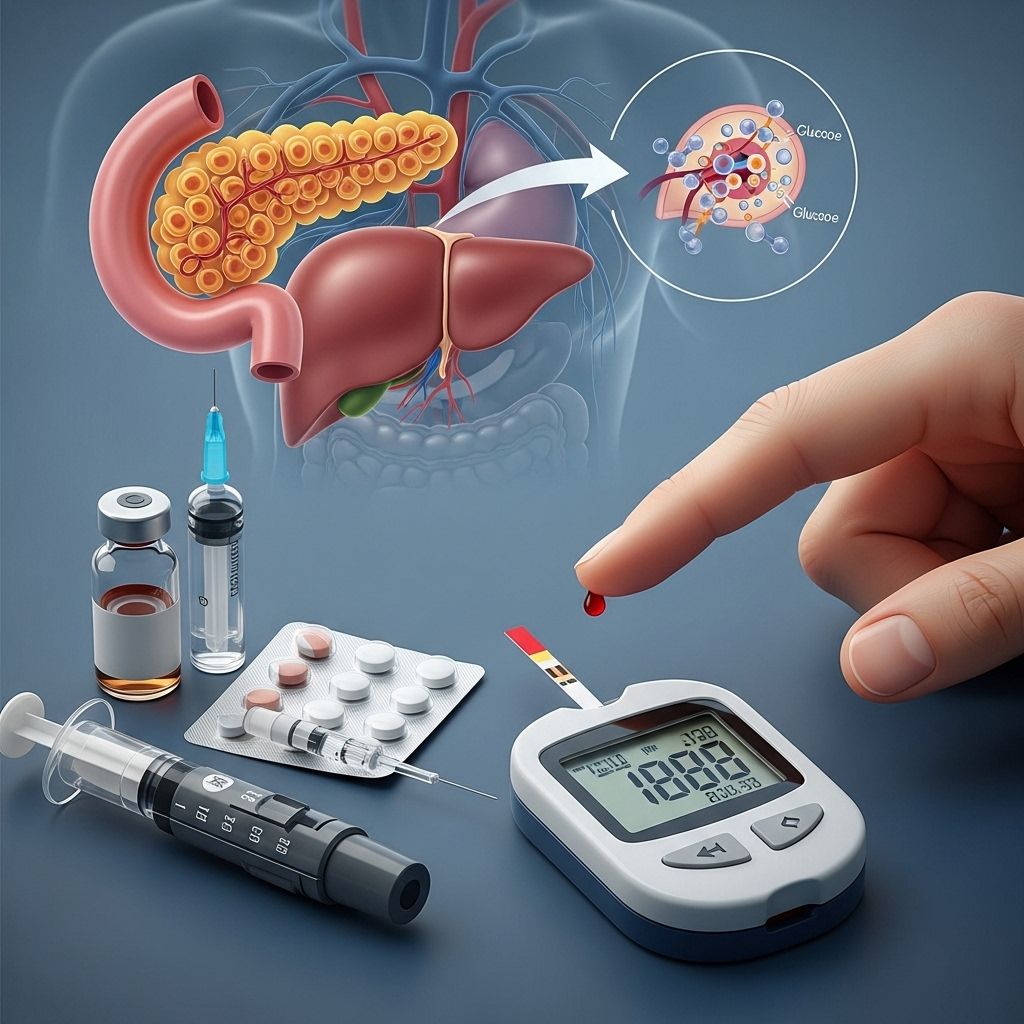
Type 2 Diabetes
Type 2 diabetes is a chronic disease in which the body has difficulty regulating blood glucose (blood sugar) levels. Glucose, the main source of energy for the body, builds up in the bloodstream, causing a range of health problems if not managed effectively.
What is Type 2 Diabetes?
Type 2 diabetes develops when your body does not use insulin properly (a condition called insulin resistance) or cannot make enough insulin to control blood sugar levels. Insulin is a hormone produced by the pancreas that helps move glucose from the blood into cells for energy. Without effective insulin action, glucose accumulates in the blood, resulting in hyperglycemia—a hallmark of diabetes.
- Type 2 diabetes was previously known as adult-onset diabetes but is now found in children and teenagers as well, especially with rising obesity rates.
- It is the most common form of diabetes, accounting for over 90% of cases worldwide.
- Type 2 diabetes is a lifelong (chronic), manageable condition, but requires ongoing care to prevent complications.
Causes of Type 2 Diabetes
Multiple factors contribute to the development of type 2 diabetes, including genetic, lifestyle, and environmental components.
- Insulin resistance: Muscle, fat, and liver cells don’t respond well to insulin, leading to higher blood sugar.
- Pancreatic dysfunction: Over time, the pancreas can’t make enough insulin to maintain normal blood glucose levels.
- Genetics: Family history of diabetes and certain genes increase your risk.
- Lifestyle factors: Being overweight or obese, physical inactivity, an unhealthy diet, and aging predispose individuals to type 2 diabetes.
In rare cases, type 2 diabetes can occur in people who are not overweight, especially in older adults.
How Insulin and Glucose Normally Work
Understanding the typical process helps clarify what goes wrong in type 2 diabetes:
- When you eat, your body breaks down carbohydrates into glucose, raising blood sugar levels.
- The pancreas releases insulin in response, signaling cells to absorb glucose for energy.
- As glucose enters the cells, blood sugar drops, prompting the pancreas to reduce insulin output.
- The liver stores excess glucose as glycogen, releasing it as needed to keep blood sugar stable between meals.
In type 2 diabetes, insulin does not work properly, causing glucose to accumulate in the bloodstream.
Who is at Risk?
- Age: Risk increases after age 45, though children and teens can develop it.
- Obesity: Excess body weight, especially around the waist, is a significant risk factor.
- Physical inactivity: Sedentary lifestyle increases risk.
- Family history: Having a parent or sibling with type 2 diabetes raises risk.
- Ethnicity: African American, Hispanic/Latino, Native American, Asian American, and Pacific Islander populations are at higher risk.
- Gestational diabetes: Women who had diabetes during pregnancy are more likely to develop type 2 diabetes later.
- Other factors: Polycystic ovary syndrome, high blood pressure, abnormal cholesterol levels, and a history of heart disease can increase risk.
Symptoms & Signs
Type 2 diabetes symptoms can develop slowly and may go unnoticed for years. Common symptoms include:
- Frequent urination
- Excessive thirst
- Increased hunger
- Unexplained weight loss
- Fatigue or tiredness
- Blurred vision
- Sores that heal slowly
- Frequent infections (skin, gum, or bladder)
- Numbness or tingling in the hands or feet (diabetic neuropathy)
- Darkened skin patches (usually in armpits and neck, a condition called acanthosis nigricans)
It is possible to have type 2 diabetes with mild or no symptoms, so regular screening is important for those at risk.
When to See a Doctor
If you have any symptoms of type 2 diabetes, or if you fall into a high-risk group, see your healthcare professional for assessment and screening. Early detection and management can help prevent serious complications.
Diagnosis
Diagnosis typically involves one or more blood tests to measure blood glucose levels:
- Fasting plasma glucose (FPG) test: Measures blood sugar after an overnight fast.
- Hemoglobin A1c test: Shows average blood sugar levels over the past 2–3 months.
- Oral glucose tolerance test (OGTT): Measures blood sugar before and after drinking a sugary solution.
- Random plasma glucose test: Measures blood sugar at any time, regardless of when you last ate.
Complications of Type 2 Diabetes
Poorly managed type 2 diabetes over time can lead to serious and life-limiting complications:
- Heart disease and stroke
- Nerve damage (neuropathy)
- Kidney disease (nephropathy)
- Eye damage (retinopathy, possibly leading to blindness)
- Foot problems, including infections, ulcers, and in severe cases, amputation
- Gum and dental disease
- Sexual and bladder problems
- Nonalcoholic fatty liver disease (NAFLD)
- Sleep apnea, depression, certain cancers, and dementia
Good management of blood sugar, blood pressure, and cholesterol can help reduce the risk of these complications.
Managing Type 2 Diabetes
While there is no cure for type 2 diabetes, many people successfully manage the condition with a combination of lifestyle changes and medical treatments.
Healthy Eating
- Focusing on fruits, vegetables, whole grains, lean proteins, and healthy fats
- Managing portion sizes and carbohydrate intake
- Limiting sugary foods, processed items, and saturated fats
Physical Activity
- Engage in at least 150 minutes of moderate-intensity exercise weekly (such as brisk walking or cycling)
- Include both aerobic and strength-training exercises
Weight Management
- Losing even a small amount of weight (5-7% of body weight) can help control blood glucose and may delay or prevent type 2 diabetes in at-risk individuals
Medicines
- Oral glucose-lowering medicines (such as metformin) are often prescribed
- Other classes include SGLT2 inhibitors, DPP-4 inhibitors, GLP-1 receptor agonists, and sulfonylureas
- Insulin therapy may be required if blood glucose is not controlled with other medicines
- Medications may also be needed to control blood pressure and cholesterol
Blood Sugar Monitoring
- Regular self-monitoring with a blood glucose meter may be recommended
- Frequency of testing depends on your treatment plan
Preventive Care
- Annual eye exams
- Routine foot and dental checks
- Regular kidney function tests
- Vaccinations as recommended by your doctor
Preventing Type 2 Diabetes
If you are at high risk, the following lifestyle changes can significantly lower your chance of developing type 2 diabetes:
- Lose excess weight and keep it off
- Eat a balanced, nutritious diet
- Be physically active most days of the week
- Avoid tobacco use and limit alcohol
- Manage cholesterol and blood pressure
Living Well With Type 2 Diabetes
Effective self-care routines are the cornerstone of managing type 2 diabetes and staying healthy:
- Follow your treatment plan and take medicines as prescribed
- Attend regular check-ups with your healthcare team
- Monitor your blood sugar as advised
- Seek help for emotional or mental health challenges
- Set achievable health goals and celebrate progress
Frequently Asked Questions (FAQs)
What is the difference between type 1 and type 2 diabetes?
Type 1 diabetes is an autoimmune condition where the body’s immune system destroys insulin-producing cells in the pancreas, leading to absolute insulin deficiency. Type 2 diabetes most often develops from insulin resistance and relative insulin deficiency. Both types cause high blood sugar but have different causes and age patterns.
Can type 2 diabetes be reversed?
There is no cure, but some people can achieve normal blood sugar levels through intensive lifestyle changes (weight loss, diet, and exercise). This is sometimes referred to as diabetes “remission.” Ongoing management and monitoring are always necessary.
Is medication always necessary for type 2 diabetes?
Medication may not be required at diagnosis if blood sugar can be controlled by diet and exercise alone, but many people will need medications as the condition progresses.
Are complications preventable?
Yes. Many severe complications can be prevented or delayed by keeping blood glucose, blood pressure, and cholesterol within target ranges and by following a comprehensive care plan.
What resources can help people with type 2 diabetes?
- Your healthcare provider
- Registered dietitians and diabetes educators
- Local and national diabetes support groups
- Online resources from trusted organizations such as the National Institute of Diabetes and Digestive and Kidney Diseases (NIDDK) and the American Diabetes Association (ADA)
Quick Reference: Type 2 Diabetes at a Glance
| Feature | Description |
|---|---|
| Cause | Insulin resistance and inadequate insulin production |
| Major Risk Factors | Age, family history, obesity, inactivity, ethnicity, medical history |
| Primary Symptoms | Increased thirst, urination, hunger, blurred vision, slow healing wounds, tiredness |
| Diagnosis | Blood tests: fasting glucose, A1c, OGTT |
| Treatment | Healthy lifestyle, medication, self-monitoring, regular check-ups |
| Complications | Heart, nerve, kidney, eye, foot, dental problems, fatty liver disease |
Key Takeaways
- Type 2 diabetes is a major but manageable chronic health condition affecting millions worldwide.
- It is characterized by high blood sugar due to insulin resistance and/or inadequate insulin production.
- Lifestyle modifications and medical therapy are essential for effective management and prevention of complications.
- Early detection, regular monitoring, and comprehensive care improve long-term health outcomes for people with type 2 diabetes.
Similar Articles






Read full bio of medha deb