Understanding Angina: Causes, Symptoms, Diagnosis, and Treatment
Learn about angina, its risk factors, warning signs, types, symptoms, diagnosis, treatments, and lifestyle tips for heart health.
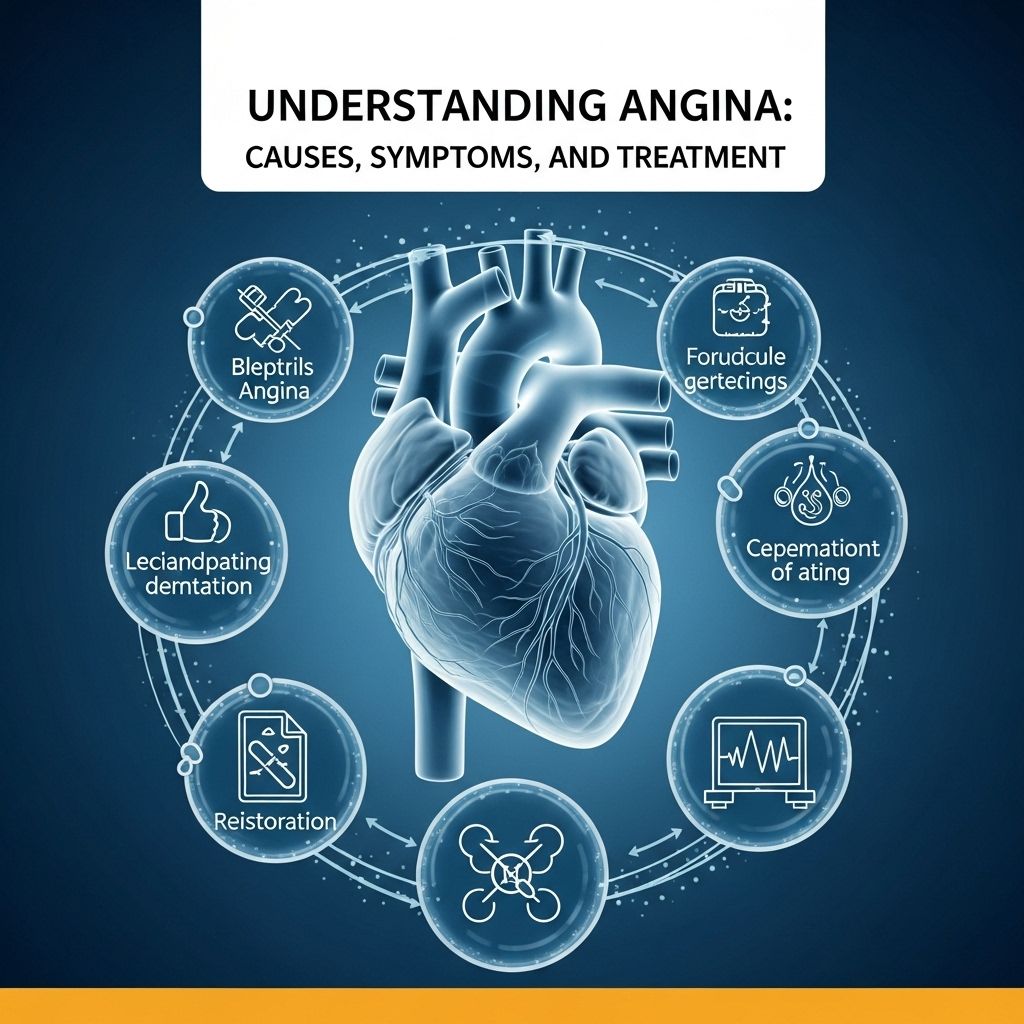
Angina is a form of chest pain or discomfort that occurs when the heart muscle does not receive enough blood and oxygen. It is a key warning sign of an underlying heart problem, usually connected to coronary artery disease (CAD), and should never be ignored. Recognizing the causes, symptoms, and treatment options for angina is vital in maintaining heart health and preventing complications such as heart attacks.
What Is Angina?
Angina, also known as angina pectoris, results from reduced blood flow to the heart through narrowed or blocked coronary arteries. This reduces the oxygen supply to the heart muscle, leading to discomfort that often presents as pressure, squeezing, fullness, or pain in the center of the chest. The intensity and nature of angina symptoms can vary; it can feel like burning, heaviness, or even indigestion. Angina usually signals the presence of ischemic heart disease and necessitates prompt medical evaluation.
Types of Angina
- Stable Angina: The most common form, characterized by predictable chest pain usually triggered by physical activity, stress, or heavy meals. The pain typically lasts a few minutes and subsides with rest or medication.
- Unstable Angina: Less predictable and more dangerous, unstable angina can occur with minimal exertion or at rest, and does not improve with rest or usual medication. It may signal an imminent heart attack and requires emergency treatment.
- Variant (Prinzmetal’s) Angina: This rare type occurs due to spasms in the coronary arteries, temporarily reducing blood flow. It often arises at rest and can occur overnight or early morning.
- Microvascular Angina: Associated with dysfunction of the small coronary arteries, microvascular angina can cause chest pain without significant blockage in major arteries. The pain can last longer and may not respond to standard angina treatments.
Warning Signs and Symptoms
Recognizing angina symptoms is crucial for early intervention. Symptoms often include:
- Chest discomfort or pain: A squeezing, pressure, heaviness, or tightness in the chest, often behind the breastbone.
- Pain radiating to other areas: Discomfort may spread to the arms (usually the left), neck, jaw, shoulder, back, or even the upper abdomen.
- Shortness of breath: Especially with exertion.
- Sweating, nausea, or lightheadedness.
- Fatigue: Particularly during physical activity.
- Additional “anginal equivalents”: Some people, especially women, older adults, and those with diabetes, might experience back pain, jaw pain, or shortness of breath without the classic chest pain.
Important: Any new, unexplained chest pain or pressure, especially if it occurs at rest or gets worse over time, demands immediate medical attention.
Causes of Angina
The primary cause of angina is coronary artery disease (CAD), where arteries supplying blood to the heart become narrowed or blocked by the build-up of fatty deposits, called plaque (a process called atherosclerosis).
Other, less common causes include:
- Coronary artery spasm (temporary tightening of the artery, seen in variant angina)
- Abnormal function of smaller coronary arteries (microvascular angina)
- Blood clot formation or rupture of plaque
Risk Factors
Certain conditions and lifestyle factors increase the likelihood of developing angina and heart disease:
- High blood pressure
- High LDL (“bad”) cholesterol and low HDL (“good”) cholesterol
- Diabetes or insulin resistance
- Obesity
- Family history of heart disease: Especially if a parent or sibling had heart disease at a young age
- Smoking and use of tobacco products
- Sedentary lifestyle: Lack of regular physical activity
- Increasing age
- Male sex: Men are generally at higher risk, although women’s risk increases after menopause
- Stress
How Is Angina Diagnosed?
A timely and accurate diagnosis is important to identify the cause of chest pain, determine its severity, and prevent complications.
Medical History and Physical Exam
Your healthcare provider will ask about the history, type, duration, and triggers of your chest pain, along with other symptoms. A physical examination focuses on heart and lungs, plus assessment for risk factors.
Diagnostic Tests
- Electrocardiogram (ECG/EKG): Detects electrical changes in the heart suggesting poor blood flow or a previous heart attack.
- Stress Testing: You may be asked to exercise or take a medication that increases heart workload, while ECG and other measurements are taken to evaluate for ischemia.
- Echocardiogram: An ultrasound creates images showing how the heart moves and pumps blood.
- Nuclear stress test: Uses a small amount of radioactive material to show blood flow to heart muscle at rest and during stress.
- Coronary angiography: An imaging test using contrast dye and X-rays to visualize blockages in coronary arteries; often performed if other tests are inconclusive or if procedures are being considered.
- Blood tests: Check for markers of heart damage, diabetes, cholesterol, and other risk factors.
Treatments for Angina
Treatment aims to relieve symptoms, improve quality of life, and reduce the risk of heart attacks and other complications.
Lifestyle and Self-Care
For many people, angina management starts with lifestyle changes:
- Quit smoking and avoid secondhand smoke.
- Exercise regularly as advised by your doctor.
- Eat a heart-healthy diet: Low in saturated fats, high in fruits, vegetables, lean proteins, and whole grains.
- Maintain a healthy weight.
- Manage stress.
- Control existing conditions: Such as diabetes, hypertension, and high cholesterol.
Medications
- Nitroglycerin: Relieves chest pain by relaxing and widening blood vessels. It can be used as a tablet, spray, or patch.
- Beta-blockers: Reduce heart workload and are especially beneficial for long-term management.
- Calcium channel blockers: Relax blood vessels and also help the heart get more oxygen-rich blood.
- Aspirin and antiplatelet medications: Prevent blood clots that could worsen artery blockage.
- Statins: Lower cholesterol and stabilize plaque in arteries, reducing the risk of heart attacks.
- Ranolazine: Used if other medications are insufficient for controlling symptoms.
Procedures and Surgery
- Angioplasty and stent placement: A minimally invasive procedure where a balloon is used to open narrowed arteries, followed by the placement of a small mesh tube (stent) to keep the artery open. Drug-coated stents can further reduce re-narrowing risk.
- Coronary artery bypass grafting (CABG): Open-heart surgery to bypass blocked arteries using healthy vessels from elsewhere in the body, improving blood supply to the heart muscle.
- Enhanced External Counterpulsation (EECP): Non-invasive therapy using inflatable cuffs on the legs to improve blood flow to the heart, often used when other options are ineffective.
Complications of Angina
If left untreated, angina increases the risk of:
- Heart attack (myocardial infarction)
- Arrhythmias: Abnormal heart rhythms which can be dangerous
- Heart failure: Weakened heart muscle leads to poor pumping ability
- Sudden cardiac arrest
Prompt recognition and management can greatly reduce these risks.
Living With Angina
Monitoring and Managing Symptoms
Angina requires ongoing management, even after symptoms are brought under control. It is important to:
- Keep regular appointments with your healthcare provider for monitoring and adjustment of treatment plans.
- Understand your triggers and avoid activities or situations that provoke symptoms.
- Carry prescribed medication (e.g., nitroglycerin) at all times, and know how to use it in case of an episode.
- Maintain a log of symptoms and activities to help your healthcare team tailor your approach.
Emergency Action Plan
Seek emergency care if you have:
- Chest pain at rest, lasting longer than a few minutes
- Pain that is more severe, frequent, or different than usual
- Chest pain accompanied by fainting, severe shortness of breath, or sweating
- No relief after using nitroglycerin
Mental and Emotional Well-Being
Living with angina can be stressful. Consider:
- Joining a cardiac rehabilitation program for structured support
- Learning stress-reduction techniques such as meditation, deep breathing, or yoga
- Seeking counseling if needed to manage anxiety or depression
Prevention
Preventing angina and its complications involves minimizing risk factors and adopting a heart-healthy lifestyle. Strategies include:
- Not smoking
- Controlling blood pressure, cholesterol, and diabetes
- Exercising as advised
- Choosing healthy foods
- Maintaining a healthy weight
- Managing stress appropriately
Frequently Asked Questions (FAQs) About Angina
Q: What is the difference between angina and a heart attack?
A: While both are caused by reduced blood flow to the heart, angina generally causes temporary chest pain that improves with rest or medication. A heart attack (myocardial infarction) involves more lasting blockage, leading to permanent heart muscle damage if not treated quickly.
Q: Can you have angina without chest pain?
A: Yes. Some individuals, especially women and older adults, may experience shortness of breath, nausea, fatigue, or discomfort in the jaw, back, or arm instead of classic chest pain. This is known as “anginal equivalent” symptoms.
Q: Is angina always a sign of heart disease?
A: Angina is typically linked to coronary artery disease but can occasionally result from other problems, such as coronary artery spasm. It is a warning signal that the heart is not receiving enough oxygen-rich blood and always warrants evaluation.
Q: What should I do if my chest pain doesn’t go away with nitroglycerin?
A: If chest discomfort persists after a dose of nitroglycerin and rest, seek emergency medical attention immediately, as this could indicate unstable angina or a heart attack.
Q: Can lifestyle changes alone treat angina?
A: For some individuals with stable angina, lifestyle modifications, and medication may sufficiently control symptoms. However, others may require additional therapies or procedures if symptoms do not improve or in more severe cases.
Summary Table: Types of Angina
| Type | Features | Severity/Risk | Treatment |
|---|---|---|---|
| Stable Angina | Predictable; triggered by exertion/emotion; relieved by rest | Lower; may persist for years with control | Lifestyle, medication, sometimes procedures |
| Unstable Angina | Unpredictable; at rest or minimal exertion; lasts longer | High; signals risk for heart attack | Emergency care, medication, possible intervention |
| Variant (Prinzmetal’s) Angina | Usually at rest, often overnight; due to artery spasm | Variable | Medications to prevent spasm |
| Microvascular Angina | Due to dysfunction in small coronary arteries; may be long-lasting | Variable | Medication, risk factor control, lifestyle |
Resources and Support
For more in-depth guidance, consult healthcare professionals, reputable health organizations, and educational materials on cardiovascular health. Early recognition, reliable care, and a proactive approach can make a substantial difference in preventing and controlling angina.
Similar Articles




Read full bio of medha deb