Urinating Difficulty: Causes, Diagnosis, Treatment, and Prevention
Comprehensive overview of the causes, symptoms, diagnosis, treatment, and prevention of difficulty urinating for all ages.
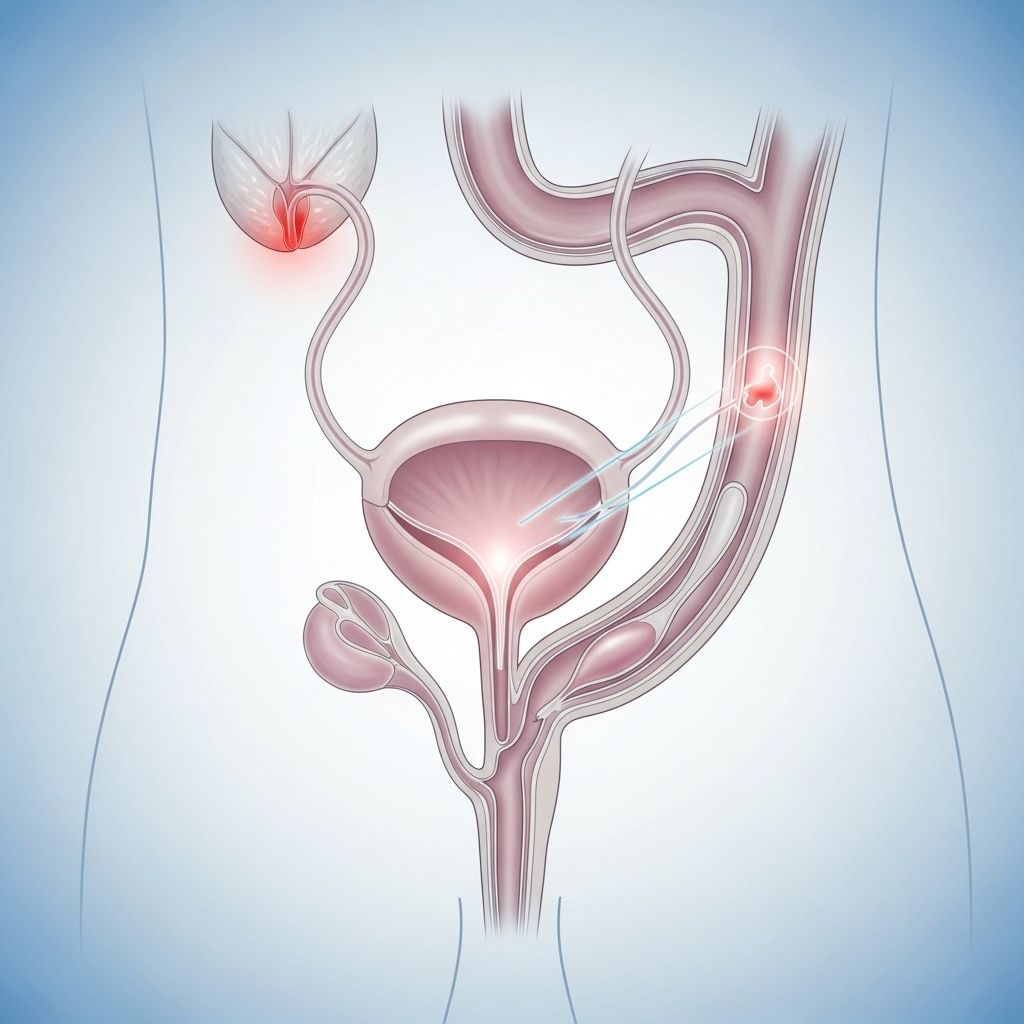
Difficulty Urinating: Causes, Diagnosis, Treatment, and Prevention
Difficulty urinating, known medically as urinary retention or dysuria, is a common problem that affects both children and adults. This article explains the normal process of urination, reviews the potential causes of urination difficulties by age group, details how healthcare providers diagnose and manage these problems, and offers guidance for prevention. Detailed answers to frequently asked questions are also provided.
What Is Normal Urination?
Urination (also called micturition) is the process through which the body eliminates urine from the bladder. The urinary tract consists of the kidneys, ureters, bladder, and urethra, working together to filter waste, store urine, and then eliminate it. Normal urination depends on:
- Kidney function – filtering blood to create urine
- Muscles of the bladder – storing and expelling urine
- Nervous system signals – controlling bladder emptying
- Urethra – the tube through which urine leaves the body
People typically urinate every 4 to 8 hours, with normal daily urine output ranging from 800 to 2,000 milliliters, depending on fluid intake, age, and health status.
What Is Difficulty Urinating?
Difficulty urinating refers to trouble starting, maintaining, or completing urination. Symptoms can include:
- Weak urine stream or dribbling
- Straining or needing to push to start urination
- Pain or burning sensation (dysuria)
- Feeling of incomplete bladder emptying
- Frequent urge to urinate, with little output
- Inability to urinate (urinary retention)
This problem can develop suddenly (acute) or gradually (chronic) and may be temporary or long-lasting, depending on the cause.
Causes of Difficulty Urinating
In Children
Causes of difficulty urinating in infants, toddlers, and older children include:
- Urinary tract infection (UTI): A leading cause of painful or frequent urination, especially in girls.
- Constipation: Hard stool can press on the bladder and urethra, interfering with urination.
- Meatal stenosis: Narrowing of the opening at the tip of the penis in boys.
- Posterior urethral valves: Congenital blockages in the male urethra that obstruct flow.
- Vaginitis: Inflammation around the vagina can cause discomfort during urination in girls.
- Behavioral issues: Children may withhold urination due to fear of public restrooms or previous painful experiences.
- Neurogenic bladder: Nerve-related problems from birth defects (e.g., spina bifida) affecting bladder control.
In Adults
Difficulty urinating in men and women may result from:
- Enlarged prostate (benign prostatic hyperplasia – BPH): The most common cause in older men, causing obstruction of urine flow.
- Urinary tract infections: Cause pain, frequency, and urgency.
- Urethral stricture: Narrowed urethra due to injury, infection, or previous surgeries.
- Bladder stones or tumors: Obstructing passage of urine.
- Medications: Drugs for high blood pressure, allergies, depression, or bladder control can affect urination.
- Neurologic diseases: Conditions such as multiple sclerosis, Parkinson’s disease, diabetes, or spinal cord injury can disrupt bladder nerve signals.
- Postoperative effects: Anesthesia and certain surgeries may temporarily impair bladder function.
- Vaginal or pelvic prolapse: In women, organs slipping out of place can put pressure on the urethra and bladder.
| Children | Adults |
|---|---|
| Urinary tract infection | Enlarged prostate (men) |
| Meatal stenosis (boys) | Urinary tract infection |
| Constipation | Medications |
| Posterior urethral valves (boys) | Urethral stricture |
| Vaginitis (girls) | Neurologic disorders |
| Neurogenic bladder | Pelvic organ prolapse (women) |
| Behavioral factors | Bladder stones/tumors |
When to Seek Medical Help
Difficulty urinating can signal a serious underlying condition, especially if accompanied by symptoms such as fever, severe pain, blood in the urine, nausea, vomiting, confusion, or complete inability to urinate. Seek prompt medical attention if:
- You cannot urinate at all
- You have painful or sudden retention of urine
- You develop fever and back, lower abdominal, or side pain
- You notice blood in your urine
- Your symptoms suddenly worsen
What to Expect at Your Medical Appointment
History and Symptom Review
The healthcare provider will ask questions about your medical history and your symptoms, such as:
- When did the difficulty urinating begin?
- Are you experiencing pain, burning, urgency, or dribbling?
- Is the stream weak or interrupted?
- Are there changes in urine color or odor?
- Are you taking any new medications?
- Do you have a history of kidney, bladder, or prostate problems?
- Is there a history of diabetes, neurologic disorders, surgeries, or injuries?
Physical Exam
The doctor will perform a physical examination, which may include:
- Abdomen and bladder check (for fullness or tenderness)
- Genital examination (looking for anatomical abnormalities, signs of infection)
- Rectal exam (to check prostate size in men or for occult masses)
- Pelvic exam in women (looking for prolapse or infection)
- Neurological assessment (to identify nerve dysfunction)
Diagnostic Tests
A range of tests may be ordered to determine the cause of urination difficulties, such as:
- Urinalysis: Checks for infection, blood, or other abnormalities
- Urine culture: Identifies specific bacterial infections
- Bladder scan or ultrasound: Measures retained urine
- Blood tests: Evaluates kidney function and looks for signs of infection
- Uroflowmetry: Measures how well urine flows from the bladder
- Cystoscopy: Allows direct visualization of the urethra and bladder with a thin tube
- Imaging studies: Like CT or MRI for suspected masses, stones, or structural problems
Treatment Options for Difficulty Urinating
The management of urination difficulties depends on the underlying cause, severity of symptoms, and patient age.
Emergency Treatments
- If a person cannot urinate at all (acute retention), emergency catheterization may be performed to relieve bladder pressure.
- Bladder decompression can help prevent kidney damage.
Medications
- Antibiotics – for urinary tract infections
- Alpha-blockers – for enlarged prostate in men
- Anticholinergic medications – for overactive bladder and certain neurologic conditions
- Laxatives or stool softeners – if constipation is cause
Surgical and Procedural Treatments
- Dilation or surgical correction for strictures, posterior urethral valves, or anatomical blockages
- Transurethral resection of the prostate (TURP) or other prostate procedures for BPH
- Removal of bladder stones or tumors if they are blocking urine flow
- Correction of pelvic organ prolapse in women
Other Therapies
- Bladder training and timed voiding programs for children with functional or behavioral causes
- Intermittent catheterization for neurogenic bladder
- Physical therapy for pelvic floor dysfunction
Self-Care and Supportive Measures
- Drink adequate fluids unless you have a condition requiring restriction
- Use the toilet at regular intervals
- Practice good hygiene to prevent infection
- Avoid known irritants (such as caffeine or alcohol in sensitive individuals)
- Report new or worsening symptoms to your healthcare provider promptly
- Follow medication instructions carefully
Prevention of Difficulty Urinating
While not all causes are preventable, consider the following tips to minimize risk:
- Promptly treat constipation and urinary tract infections
- Maintain good hydration
- Practice proper perineal hygiene, especially for children and older adults
- Manage chronic health conditions, such as diabetes or neurologic disorders
- Avoid holding urine for prolonged periods
- Men: regular checkups for prostate health
- Use medications as prescribed and inform your healthcare provider about side effects
Outlook (Prognosis)
The outlook for people with difficulty urinating depends on its cause and how quickly treatment is started. Most cases, especially those due to infection, BPH, or medication side effects, improve with proper care. Persistent or untreated urinary retention can lead to urinary tract infections, bladder damage, or kidney injury.
Recurring or chronic symptoms may require ongoing management with medications, physical therapy, or surgical procedures, as well as regular monitoring by healthcare professionals.
Frequently Asked Questions (FAQs)
Q: What should I do if I suddenly can’t urinate at all?
A: Seek emergency medical attention, as acute urinary retention can harm the bladder and kidneys and may require urgent drainage.
Q: Are urinary tract infections the main cause of painful urination?
A: Urinary tract infections are a leading cause of dysuria (painful urination) in both children and adults, but other causes like irritation, stones, or medications are also possible.
Q: Can medications cause problems with urination?
A: Yes. Medicines for colds, allergies, high blood pressure, and depression can sometimes interfere with normal urination by relaxing bladder muscles or narrowing the urinary passage.
Q: Is difficulty urinating always a sign of prostate problems in men?
A: An enlarged prostate is a common cause in older men, but other issues like infection, nerve problems, or urethral strictures can also cause similar symptoms.
Q: How can I help my child with urination problems?
A: Encourage good hydration, routine bathroom breaks, and address constipation. If symptoms persist, consult a pediatrician for evaluation.
Key Takeaways
- Difficulty urinating has many causes and can affect people of all ages.
- Early evaluation and treatment can prevent complications.
- Maintain good urinary health through hydration, hygiene, and regular medical care.
- Consult your healthcare provider for persistent or severe symptoms.
Similar Articles




Read full bio of Sneha Tete