Vascular Dementia: Causes, Symptoms, Diagnosis, and Treatment
Comprehensive guidance on vascular dementia: symptoms, causes, diagnosis, progression, and best approaches for care and management.
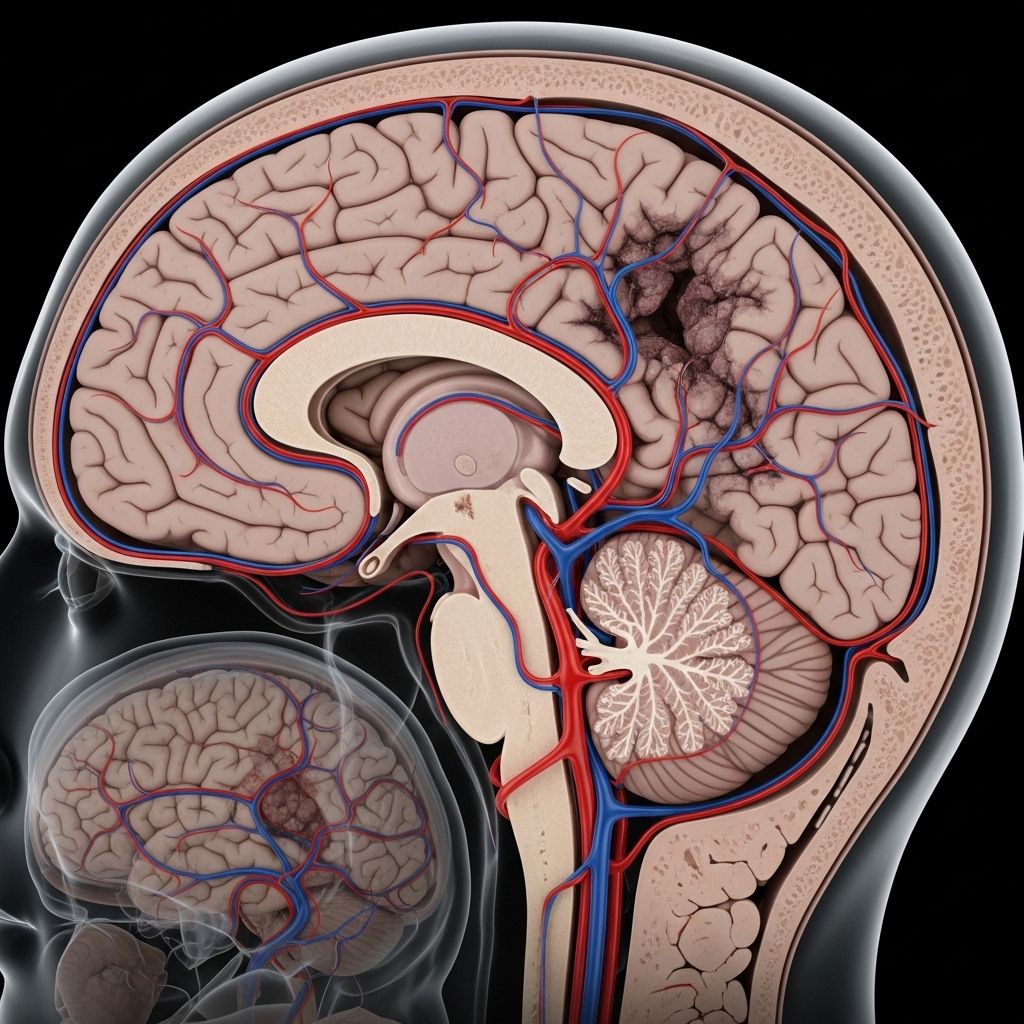
Vascular dementia is the second most common type of dementia after Alzheimer’s disease. It is caused by problems with the blood supply to the brain, leading to gradual or sometimes sudden changes in memory, thinking, and behavior. This article offers a comprehensive overview, covering signs and symptoms, causes and risk factors, the diagnostic process, treatment options, outlook, and strategies for caring for people with vascular dementia.
What is Vascular Dementia?
Vascular dementia is a type of dementia caused by reduced blood flow to the brain, resulting in brain cell damage. It frequently follows a stroke or other conditions that affect the blood vessels, such as small vessel disease. Vascular changes in the brain can impair cognitive function, leading to problems with memory, reasoning, judgment, and other core mental abilities.
- Vascular dementia is caused by impaired blood flow to the brain
- It can occur suddenly after a stroke or develop gradually due to chronic vascular damage
- Symptoms often overlap with other forms of dementia but may uniquely involve slowed thinking and difficulties with problem-solving
Symptoms of Vascular Dementia
Symptoms of vascular dementia can appear gradually or suddenly, depending on the underlying cause. They may progress over time, sometimes with short periods of stability or even temporary improvement. The specific symptoms depend on which area of the brain is affected.
- Problems with planning and organization
- Slowed thinking and processing speed
- Poor attention and concentration
- Difficulty with problem-solving
- Memory loss—often less severe than in Alzheimer’s, but can worsen over time
- Mood or personality changes, such as depression, apathy, or emotional instability
- Confusion and disorientation, especially at night
- Difficulty following instructions and making decisions
- Symptoms may get worse after a stroke or TIA (mini-stroke)
- Other: difficulties with movement, walking, or balance; loss of bladder or bowel control in later stages
Causes and Risk Factors
Vascular dementia results from reduced or blocked blood flow to the brain, depriving brain tissue of oxygen and nutrients. This damage can be due to a single major stroke, a series of smaller strokes, or conditions that affect small blood vessels in the brain.
- Stroke: interruption of blood supply causing death of brain cells
- Small vessel disease: narrowing or thickening of small blood vessels, leading to cumulative damage
- Brain hemorrhage (bleeding)
- Other blood vessel conditions (e.g., atherosclerosis)
Key risk factors include:
- Age (most common in people aged over 65)
- High blood pressure (hypertension)
- Diabetes
- High cholesterol
- Heart disease
- Smoking
- Obesity and lack of exercise
- Family history of stroke or vascular dementia
How is Vascular Dementia Diagnosed?
There is no single test for vascular dementia. Diagnosis involves a combination of medical history, cognitive assessments, physical examinations, and brain imaging. Early diagnosis is essential for accessing appropriate support and planning for the future.
Initial Assessment
- Discussion of symptoms with a GP or specialist
- Patient history and how symptoms affect daily life
- Input from family or friends can provide valuable context
Cognitive and Mental Ability Tests
- Standard tests for memory, problem-solving, attention, and language
- These tests help determine the type and severity of cognitive impairment
Physical Examinations and Blood Tests
- Physical checks for signs of underlying health issues
- Blood tests to rule out vitamin deficiencies, infections, or thyroid problems
Brain Imaging
- CT or MRI scans to detect evidence of stroke, small vessel disease, or other brain changes
- Ruling out alternative causes such as brain tumors
- Occasionally, an ultrasound of the neck arteries may be performed
| Investigation | Purpose |
|---|---|
| Cognitive tests | Assess memory, attention, planning, and thinking speed |
| Blood tests | Rule out other reversible causes of symptoms |
| CT/MRI brain scan | Identify stroke, vessel damage, or other brain changes |
| Physical exam | Test neurological function and general health |
Treatment for Vascular Dementia
While there is no cure for vascular dementia, treatment aims to manage underlying conditions, slow symptom progression, and support overall well-being. Approaches include medication, lifestyle changes, and supportive therapies.
Managing Underlying Conditions
- Controlling high blood pressure
- Treating diabetes and high cholesterol
- Preventing further strokes with antiplatelet medications (e.g., aspirin)
- Managing heart disease
- Stopping smoking and reducing alcohol intake
Lifestyle Changes
- Eating a balanced, healthy diet
- Exercising regularly
- Maintaining a healthy weight
- Staying socially active and mentally engaged
Medications
- Medications often target risk factors like high blood pressure and blood clots
- Drugs used for Alzheimer’s disease (e.g., cholinesterase inhibitors) may provide modest benefit for memory and thinking in some people
- Antidepressants for mood changes
Therapies and Support
- Occupational therapy to aid with daily living and maximize independence
- Speech and language therapy if communication is affected
- Therapeutic activities such as music, art, and cognitive stimulation
- Social support, counseling, and dementia support groups
Living with Vascular Dementia
Receiving a diagnosis of vascular dementia can be daunting, but early intervention, support, and planning can make a significant difference in quality of life. People with vascular dementia and their families can benefit from:
- Having clear information about the condition
- Planning for future care, legal, and financial matters
- Using memory aids and assistive devices
- Staying connected with social and community networks
- Accessing respite care and support services
It’s vital for carers to look after their own wellbeing and seek help when needed, as caring for someone with dementia can be challenging and emotionally demanding.
Prognosis and Outlook
The progression of vascular dementia is highly variable. Some people remain stable for long periods, while others may deteriorate rapidly, often after new strokes or other vascular events. Life expectancy after diagnosis varies, depending heavily on stroke risk and coexisting health conditions. In general, addressing risk factors and providing supportive care can improve quality of life and may slow the progress of symptoms.
Prevention
Not all causes of vascular dementia can be prevented, but strong evidence suggests that a healthy lifestyle can reduce the risk. Prevention strategies largely mirror those used to protect against stroke and heart disease.
- Manage high blood pressure, diabetes, and cholesterol
- Avoid smoking and excess alcohol
- Keep physically active and maintain a healthy weight
- Eat a balanced, low-fat, high-fiber diet rich in fruits and vegetables
- Attend regular health check-ups and follow treatment plans for any cardiovascular conditions
Support for Families and Caregivers
Support is available for both people living with vascular dementia and those who care for them. Key resources include:
- Information and guidance from healthcare professionals and dementia organizations
- Social services, which may conduct needs assessments to arrange help with daily tasks, home adaptations, or respite care
- Emotional and practical support groups for carers
- Access to financial and legal advice for future planning
It is important for families to communicate openly and work together to manage changes, seek help when needed, and support one another emotionally and practically.
Frequently Asked Questions about Vascular Dementia
Q: What are early warning signs of vascular dementia?
A: Early signs include slowed thinking, difficulty organizing thoughts or planning, poor attention, and mood changes. Forgetfulness can also occur but is usually less marked than in Alzheimer’s early on.
Q: How is vascular dementia different from Alzheimer’s disease?
A: While both are types of dementia, vascular dementia is due to reduced blood flow to the brain, often following strokes or vessel disease, and usually involves more problems with thinking speed and planning. Alzheimer’s typically causes earlier and more severe memory loss.
Q: Can vascular dementia be reversed?
A: Damage caused by vascular dementia cannot be reversed, but proper treatment can sometimes stabilize symptoms and slow progression by addressing underlying health issues.
Q: What are the main treatments?
A: Treatment focuses on controlling risk factors (e.g., high blood pressure, diabetes), making healthy lifestyle changes, medications to prevent strokes and manage symptoms, and support from therapists and dementia services.
Q: Is it possible to prevent vascular dementia?
A: While not all cases can be prevented, reducing risk factors—such as managing blood pressure, eating healthily, staying active, and not smoking—can significantly lower your risk.
Q: How can family and friends help someone with vascular dementia?
A: Offer emotional support and practical help, assist with daily routines, use memory aids, and encourage involvement in stimulating activities. Seeking support from dementia organizations can also be beneficial.
Further Information and Resources
- Dementia support organizations (such as Alzheimer’s Society and local memory clinics)
- National health resources for books, leaflets, and web guidance
- Specialist memory services for assessment and support
- Social services for practical help and home adaptations
For more detailed advice tailored to your situation, consult your doctor or healthcare team.
Similar Articles







Read full bio of Sneha Tete